


We may earn a commission when you buy through links on this page, at no extra cost to you. Learn more.
The best wine with middle eastern food is dry rosé, particularly for a mixed meal featuring hummus, falafel, fresh salads, and grilled meats. Its refreshing acidity, moderate body, and red-fruit flavors complement many of the cuisine’s characteristic ingredients. For individual dishes, crisp whites such as Albariño and Assyrtiko work especially well with lemon and herbs, while lighter reds such as Pinot Noir and Grenache suit grilled lamb and richly seasoned meat. The right bottle depends on the dish’s acidity, richness, sweetness, and chili heat.
Middle Eastern food brings together an extraordinary range of ingredients and cooking styles. A single meal might include hummus, smoky eggplant, tabbouleh, fried falafel, grilled chicken, lamb kofta, pickled vegetables, and sweet pastries. These foods create different pairing challenges, so choosing a wine based only on whether the main course contains meat or vegetables can lead to disappointing combinations.
A more useful approach is to consider the dominant flavors on the plate. Lemon, sumac, fresh parsley, garlic, olive oil, tahini, yogurt, cumin, coriander, and cinnamon each influence how wine tastes alongside food. Understanding these ingredients makes it easier to choose a bottle that works throughout the meal rather than only with one dish.
Why Dry Rosé Is the Best All-Purpose Choice
Dry rosé is an excellent starting point for Middle Eastern food because it combines refreshing acidity with enough fruit and body to accompany different dishes. It can move from hummus and vegetable dips to grilled chicken and lamb without overwhelming the flavors.
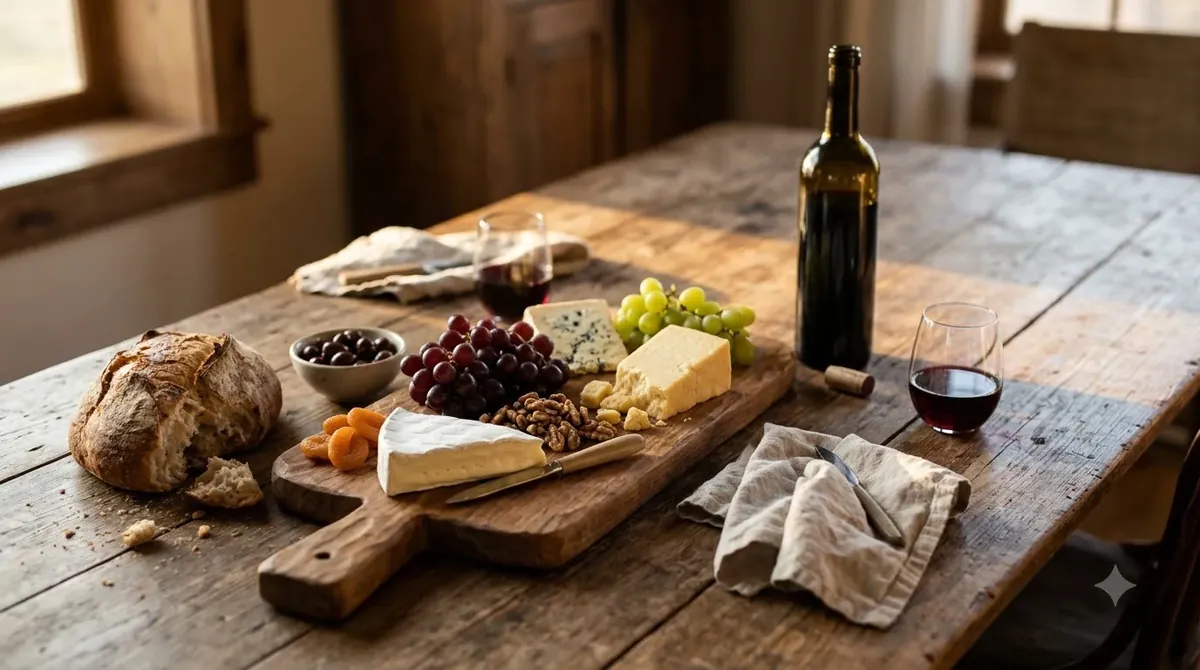
A Provence-style rosé made primarily from Grenache, Cinsault, or Syrah is a particularly useful option. Look for a dry wine with strawberry, raspberry, citrus, and subtle herbal notes. These flavors complement parsley, mint, grilled vegetables, garlic, and Mediterranean seasonings. Its acidity also helps refresh the palate after richer foods containing tahini, olive oil, or yogurt.
Rosé is especially practical for a traditional mezze spread, where several small plates arrive together. Instead of choosing separate bottles for hummus, baba ganoush, falafel, and chicken skewers, one well-balanced rosé can handle most of the selection. A fuller-bodied example from Tavel in France’s Rhône Valley can also work with more substantial grilled dishes.
Temperature makes a noticeable difference. Serve dry rosé at 45–50 degrees Fahrenheit to preserve its freshness and fruit character. Avoid serving it too warm, as higher temperatures can make alcohol more noticeable and reduce the refreshing effect that makes rosé so useful with this cuisine.
There are situations where rosé is not the strongest choice. A very lemony tabbouleh may need a sharper white wine, while a substantial lamb shoulder with concentrated spices can benefit from a more structured red. Likewise, a chili-heavy sauce may call for an off-dry aromatic white. Rosé remains the most adaptable single-bottle option, but it does not need to accompany every course.
For another perspective on selecting bottles for a shared meal, the principles in this guide to what wine goes with middle eastern food provide a useful starting point.
Best White Wines for Hummus, Falafel, and Fresh Salads
High-acid white wines are especially successful with Middle Eastern dishes featuring lemon, garlic, parsley, cilantro, and tahini. Albariño, Sauvignon Blanc, Assyrtiko, and Riesling each offer different combinations of freshness, fruit, and aromatic character.
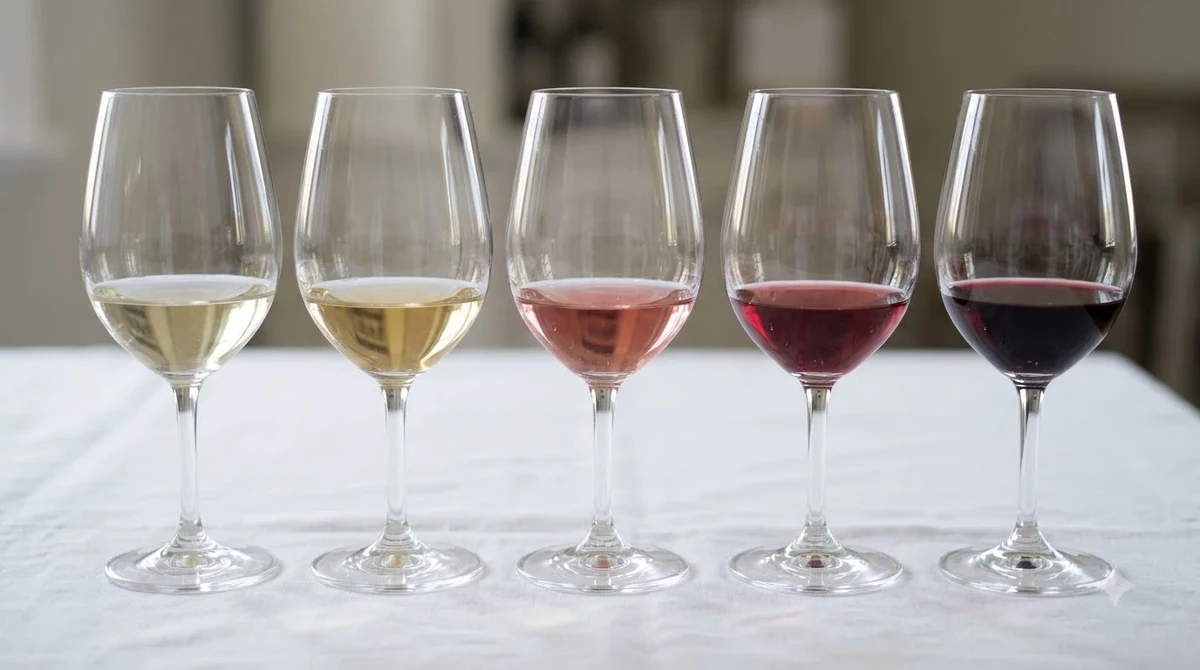
Albariño: This Spanish white grape produces refreshing wines with citrus, peach, and sometimes saline notes. Its acidity and aromatic fruit make it a strong match for hummus, falafel, and grilled seafood. It also works well with salads containing parsley, cilantro, cucumber, and lemon. Albariño is a particularly good choice when a meal includes several vegetable-based dishes.
Sauvignon Blanc: Sauvignon Blanc is a natural partner for tabbouleh, fattoush, and herb-heavy salads. Its characteristic acidity and green herbal flavors complement parsley, mint, raw onion, and citrus. A crisp, unoaked example is usually more suitable than a heavily oaked style because it keeps the pairing fresh and focused.
Assyrtiko: This Greek white grape is known for its firm acidity and mineral character. It is particularly appealing with lemon-forward dishes, grilled vegetables, and tahini-based dips. Its refreshing structure helps balance olive oil and creamy textures without adding excessive sweetness.
Riesling: Dry Riesling offers citrus, green apple, and floral aromas with naturally high acidity. It is a useful match for garlic-rich hummus, cucumber salads, and dishes seasoned with cumin or coriander. An off-dry Riesling is an even better option when the meal includes noticeable chili heat.
These varieties are not interchangeable in every situation. Sauvignon Blanc emphasizes herbs and green citrus, Albariño offers a combination of fruit and freshness, Assyrtiko provides a firmer mineral impression, and Riesling can introduce a touch of sweetness when needed.
Matching individual mezze dishes
Hummus combines chickpeas, tahini, garlic, lemon, and olive oil. A fresh white wine helps balance its creamy consistency and aromatic ingredients. Albariño and Assyrtiko are particularly good choices, while a rounder white such as Viognier can work when the hummus is especially rich and contains less lemon.
Falafel introduces another consideration: frying. The crisp exterior and soft chickpea interior create a rich, savory bite that benefits from acidity. Sauvignon Blanc is a dependable match, while dry sparkling wine provides additional freshness through its bubbles. If falafel is served with a generous portion of tahini sauce, choose a wine with enough acidity to balance the sesame richness.
Tabbouleh is often more challenging because lemon juice, tomatoes, parsley, and mint create a distinctly fresh and acidic profile. Choose Sauvignon Blanc, Albariño, or Assyrtiko rather than a soft, low-acid white. The wine should have enough acidity to remain lively alongside the salad.
For more detailed suggestions covering this grape and different dishes, see our Albariño food pairing recommendations.
Red Wines for Lamb Kebabs, Kofta, and Grilled Meats
Red wine becomes more appealing when Middle Eastern food features grilled lamb, beef kofta, shawarma, or slow-cooked meat. Pinot Noir, Grenache, Syrah, and selected Lebanese red blends offer different levels of body, tannin, and fruit for these dishes.
Pinot Noir: Pinot Noir has low-to-medium tannin and relatively high acidity, making it a versatile choice for grilled chicken, moderately seasoned lamb, and roasted eggplant. Its red-cherry and raspberry flavors work well with cumin, coriander, and fresh herbs. It is particularly useful when meat shares the plate with salads, yogurt sauces, and pickled vegetables.
Grenache: Grenache generally offers ripe red-fruit flavors, moderate tannin, and a generous texture. It is an appealing match for lamb kofta, grilled chicken, and kebabs seasoned with cumin and paprika. Choose a fresh, medium-bodied example rather than an excessively alcoholic style, particularly if the food contains chili.
Syrah: Syrah provides more structure, dark fruit, and peppery notes. It works particularly well with grilled lamb, smoky meat skewers, and richer dishes containing garlic, cumin, and coriander. Its medium-plus to high tannin makes it more appropriate for protein-rich meat dishes than delicate vegetable dips.
Lebanese red blends: Lebanon’s Bekaa Valley is associated with red wines that can combine grapes such as Cabernet Sauvignon, Syrah, and Cinsault. Depending on the blend and winemaking approach, these wines can offer dark fruit, savory spice, and a satisfying structure for lamb, beef, and roasted vegetables. A fresher, medium-bodied style is generally more versatile than a heavily extracted, high-alcohol bottle.
Another useful option is Rioja from Spain. Young, fruit-forward examples can complement lamb, cumin, coriander, and grilled foods. A more mature or heavily oaked red may be better suited to substantial meat dishes than a shared table containing delicate dips and acidic salads.
The important consideration is tannin. Cabernet Sauvignon is naturally high in tannin, while Merlot tends to have medium, softer tannin. Pinot Noir is generally less tannic, and Syrah has more substantial structure. Salt and fat in food can soften the perception of tannin, which explains why a structured red often feels more comfortable with lamb than with hummus or tabbouleh.
For a more substantial meat-centered meal, you can also explore Amarone food pairing suggestions. Amarone’s concentrated fruit and substantial body generally make it more suitable for rich meat dishes than for a light mezze selection.
How Spices, Lemon, Tahini, and Chili Affect Wine Pairing
Middle Eastern seasoning is not a single flavor profile. Cumin, coriander, cinnamon, cardamom, sumac, mint, and za’atar contribute different aromas and levels of intensity. Matching wine to the dominant seasoning is more reliable than assuming every spiced dish needs a powerful red.
Sumac and lemon: Both contribute a pronounced tart character. Tabbouleh, fattoush, and chicken marinades containing lemon juice need wines with sufficient acidity. Sauvignon Blanc, Assyrtiko, and Riesling are suitable choices because their freshness helps the wine remain balanced beside sour ingredients. A low-acid wine may taste flat or dull in comparison.
Tahini and olive oil: Sesame paste and olive oil create richness and a creamy texture. A wine with refreshing acidity helps balance that weight. Albariño, Assyrtiko, and dry sparkling wine are useful options. For a particularly rich dip, a fuller white with enough acidity can also provide a satisfying match.
Za’atar: This seasoning commonly combines dried herbs, sesame seeds, and sumac. Its herbal and tangy character works well with Sauvignon Blanc, Grüner Veltliner, and dry rosé. A lighter red can also work with za’atar flatbread when it is served with grilled vegetables or meat.
Cumin and coriander: These warm spices appear in kofta, kebabs, roasted vegetables, and many slow-cooked dishes. Grenache, Pinot Noir, and Syrah can complement them, depending on the amount of meat and overall intensity. Aromatic whites also work with vegetable dishes containing these seasonings.
Cinnamon and cardamom: These spices can make a dish feel warmer and more aromatic without necessarily making it hot. Medium-bodied reds and fuller aromatic whites can both work. A fruit-forward Grenache is useful with spiced lamb, while an aromatic Riesling can accompany rice dishes and moderately seasoned chicken.
Chili and harissa: Actual chili heat requires a different approach from aromatic spices. Alcohol and tannin can make chili feel more intense, so very powerful red wines are often uncomfortable with hot dishes. Choose a lower-alcohol white with refreshing acidity or a slightly off-dry Riesling. A small amount of residual sugar can help soften the sensation of heat.
Tip: Separate aromatic spice from chili heat when choosing wine. Cumin, coriander, and cinnamon can work beautifully with Grenache or Syrah, but a chili-heavy harissa sauce is generally more comfortable with a fresh, slightly off-dry Riesling. The actual heat level matters more than the number of spices in the recipe.
Wine Pairings for Moroccan Tagine and Persian Specialties
Moroccan and Persian dishes demonstrate why the details of a recipe matter. A lemony chicken tagine, a fruit-rich lamb stew, saffron chicken kebabs, and a creamy eggplant dip have very different textures and flavor profiles, even though they may appear at the same Middle Eastern-inspired dinner.
Moroccan chicken and lamb tagine
Chicken tagine with preserved lemon and olives is a particularly good match for dry white wine or rosé. The citrus and salty ingredients favor acidity, while the chicken and olive oil provide enough richness to accommodate a wine with some texture. Albariño, Sauvignon Blanc, and dry Grenache-based rosé are all suitable choices. Decanter’s recommendations for pairing wine with Moroccan food also distinguish lemony chicken tagines from richer lamb preparations.
For lamb tagine, the accompanying ingredients become especially important. A version made with prunes, figs, or other dried fruit has more sweetness and concentration than a simple grilled lamb dish. A fruit-forward Syrah, Grenache blend, or richer orange wine can complement these flavors. A structured red is also suitable when the meat is particularly rich and the sauce is savory rather than sweet.
Moroccan seasoning often includes coriander, cumin, ginger, and turmeric. These ingredients contribute aromatic warmth but do not automatically make a dish chili-hot. A medium-bodied red can therefore work very well, especially with grilled meats and merguez sausages.
Persian chicken kebabs and vegetable dishes
Persian jujeh kebab typically features chicken marinated with yogurt, saffron, olive oil, lemon juice, and shallots. This combination of acidity, aromatic spice, and charred meat makes dry rosé an excellent choice. A light-bodied Pinot Noir or skin-contact white can also work, particularly when the chicken is served with rice and grilled vegetables.
For borani-bademjan, a Persian roasted eggplant dish that can contain walnuts, fried shallots, garlic, chili, and pomegranate molasses, consider a light-bodied Pinot Noir. Its fruit and moderate tannin can complement the roasted vegetable flavors without overpowering the dish. A fuller rosé is another useful option. Wine Enthusiast’s Persian food and wine pairing examples also highlight Pinot Noir with eggplant dip and skin-contact whites with saffron chicken kebabs.
Fried potato fritters seasoned with saffron and turmeric benefit from sparkling wine. The bubbles and acidity refresh the palate after the richness of fried food. A dry traditional-method sparkling wine or a lively pétillant-naturel can work well.
For more information on how wine responds to different regional ingredients, the broader principles in our Wine Pairing resource can help guide choices beyond these particular dishes.
Serving Temperatures, Bottle Choices, and a Practical Pairing Chart
Serving temperature influences how wine interacts with spices, acidity, fruit, and food texture. Whites and rosés generally benefit from cooler temperatures, while lighter reds should be served slightly chilled rather than at warm room temperature.
The following chart provides practical starting points for common Middle Eastern dishes. The wine styles are recommendations rather than rigid rules, and the strongest seasoning or sauce may change the best choice.
| Middle Eastern dish | Recommended wine | Why it works | Serving temperature |
|---|---|---|---|
| Classic hummus | Albariño or Assyrtiko | Acidity balances tahini, garlic, and olive oil | 45–50°F |
| Falafel | Sauvignon Blanc or sparkling wine | Freshness balances fried chickpeas and herbs | 40–50°F |
| Tabbouleh | Sauvignon Blanc | High acidity complements lemon and parsley | 45–50°F |
| Baba ganoush | Dry rosé or Pinot Noir | Fruit complements smoky eggplant and garlic | 45–50°F for rosé; 55–60°F for Pinot Noir |
| Chicken shawarma | Dry rosé or Grenache | Fruit and freshness complement aromatic seasoning | 45–50°F for rosé; 55–60°F for Grenache |
| Lamb kebabs | Syrah or Grenache | Fruit and tannin suit grilled meat | 60–65°F for full-bodied Syrah |
| Chicken tagine | Albariño or dry rosé | Acidity matches preserved lemon and olives | 45–50°F |
| Spicy harissa dishes | Off-dry Riesling | A little sweetness helps balance chili heat | 45–50°F |
| Baklava | Sweet Muscat or late-harvest Riesling | Sweetness complements honey and nuts | 43–50°F |
When choosing a bottle for a shared dinner, consider the number of dishes rather than the number of guests alone. A mixed mezze table with several dips and salads usually benefits from one dry white or rosé. If lamb or beef is the main event, add a medium-bodied red. For a meal with substantial chili heat, include an off-dry white as an alternative.
A standard wine pour is approximately 5 ounces. A 750 ml bottle provides about five glasses, making it useful to estimate how many bottles are needed for a gathering. For a long meal with several courses, offering two contrasting wine styles can be more successful than relying on a single bottle throughout.
Young, full-bodied reds can benefit from 30–60 minutes of decanting before serving. Lighter reds generally need less preparation. Opened still wines can usually be refrigerated and enjoyed within 3–5 days, although delicate aromatic wines may lose some of their freshness sooner.
Store unopened bottles on their sides when they have natural cork closures, in a cool location near 55 degrees Fahrenheit. Consistent temperatures and protection from direct sunlight help preserve the wine until the next occasion.
Frequently Asked Questions
What is the best single wine for a Middle Eastern dinner party?
Dry rosé is generally the most versatile single choice for a mixed dinner featuring dips, salads, falafel, and grilled chicken. A Grenache-based rosé from Provence or Tavel offers fruit and freshness without the heavier tannin of many red wines. If the meal is especially rich in lemon and herbs, Albariño is another strong option.
Can Champagne or sparkling wine accompany Middle Eastern mezze?
Yes. Traditional-method sparkling wines such as Champagne and Cava can complement fried falafel, crispy kibbeh, and salty cheeses. Their bubbles provide a refreshing contrast to fried textures, while Brut styles offer a dry finish. Champagne and Cava undergo their second fermentation in the bottle, which contributes to their characteristic texture.
Is orange wine a good match for Middle Eastern food?
Orange wine can be an interesting option for dishes containing roasted vegetables, preserved lemon, pickles, and aromatic spices. It is made by fermenting white grapes with their skins, which can contribute additional texture and phenolic structure. Choose a fresher, less tannic example for vegetable-focused mezze and a more substantial style for richly seasoned lamb.
Which wine pairs best with baklava and knafeh?
Sweet wines such as Muscat, late-harvest Riesling, and Vin Santo are suitable partners for these honey-rich desserts. The wine should be at least as sweet as the dessert; otherwise, its fruit can taste sour or thin. A chilled sweet wine also complements the walnuts, pistachios, syrup, and pastry textures found in many regional sweets.
Can white wine accompany grilled lamb instead of red wine?
Yes. A structured, high-acid white such as Assyrtiko can accompany lamb marinated with garlic, lemon, and herbs. Skin-contact whites are another option because their additional texture can complement charred meat and aromatic seasoning. A white wine is especially practical when the lamb is served with lemony salads or yogurt sauces.
The best wine with Middle Eastern food depends on the ingredients, seasoning, and cooking method rather than a strict white-with-fish or red-with-meat rule. Start with dry rosé for a varied mezze table, choose crisp whites for lemon and herbs, and bring out medium-bodied reds for grilled lamb and richer meat dishes. With a little attention to acidity, tannin, sweetness, and serving temperature, it is easy to find wines that complement the full range of flavors at the table.
More in Food & Wine Pairing
 Risotto With White Wine Recipe: Make a Creamy Dinner at HomeUpdated Nov 20, 2026
 Wassail With Wine Recipe for a Festive Spiced Holiday DrinkUpdated Nov 20, 2026
 Spritz Veneziano Recipe: Make a Classic Venetian Aperitivo at HomeUpdated Nov 20, 2026
 Summer Wine Punch Recipe for Easy Homemade EntertainingUpdated Nov 20, 2026
 Bishop Recipe: How to Make a Bright, Citrus-Forward Red Wine CocktailUpdated Nov 20, 2026
 Wine Cupcakes Recipe: Bake Rich Chocolate Cupcakes at HomeUpdated Nov 20, 2026