

We may earn a commission when you buy through links on this page, at no extra cost to you. Learn more.
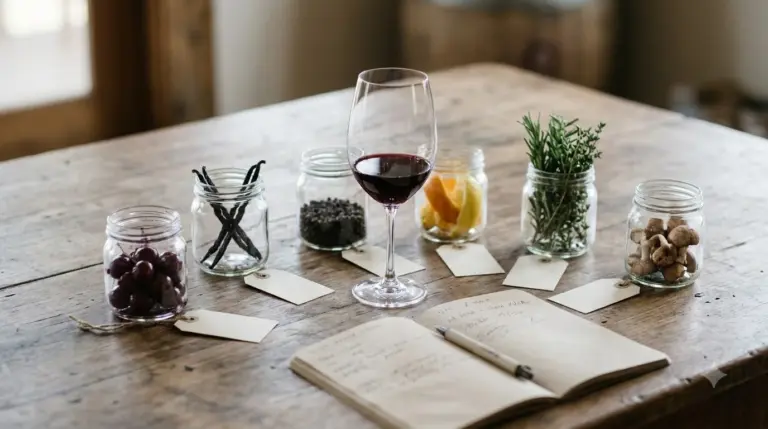
What is bouquet in wine? Bouquet is the collection of complex aromas that develop through fermentation, winemaking, and especially aging, giving wine additional scents such as leather, tobacco, dried fruit, mushrooms, and nuts. These aromas distinguish a mature wine from one dominated by fresh grape and fruit characteristics. Understanding bouquet helps you recognize how a wine develops, interpret tasting descriptions, and appreciate the influence of time, oak, and cellar conditions.
Smelling wine is an important part of understanding its character. A young Sauvignon Blanc might smell of grapefruit and freshly cut grass, while an older Cabernet Sauvignon could reveal tobacco, cedar, dried leaves, and earthy notes. Both sets of characteristics contribute to the wine’s aromatic identity, but they develop through different processes. Learning to recognize bouquet makes wine tasting more informative and helps explain why certain bottles become more complex as they mature.
What Bouquet Means in Wine Tasting
Bouquet describes the developed aromatic characteristics that emerge through winemaking and aging. Although people sometimes use aroma and bouquet interchangeably, wine professionals often distinguish between grape-derived scents and the more complex characteristics that develop after fermentation.
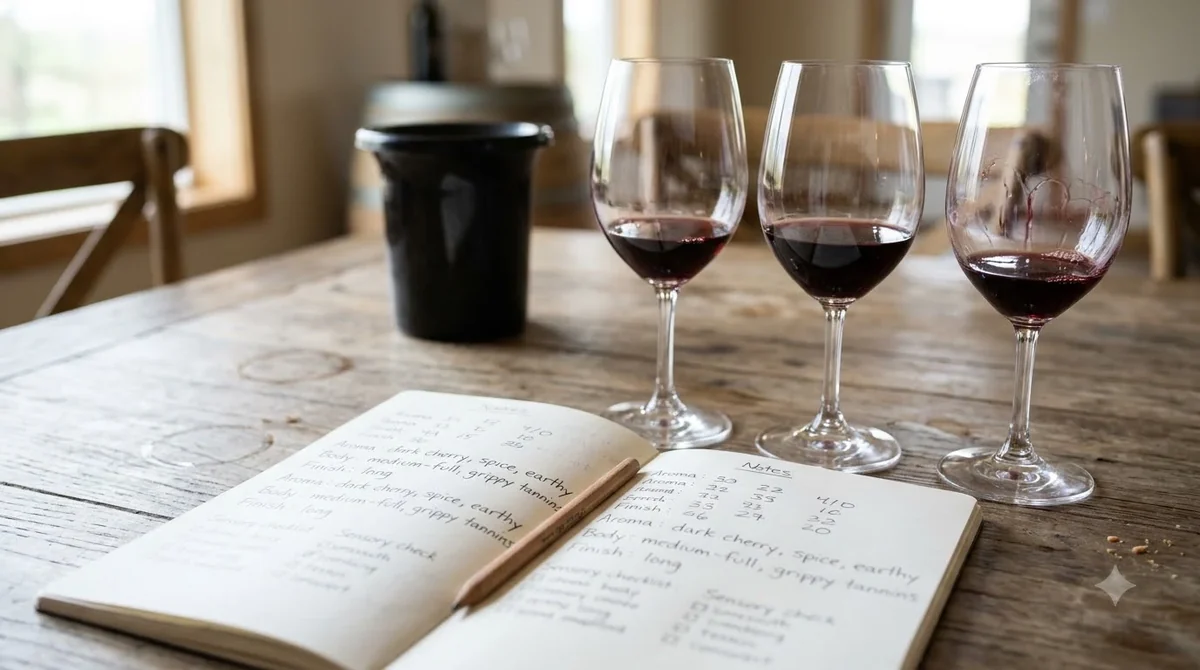
Think of a freshly bottled young Pinot Noir compared with a mature bottle from the same producer. The younger wine may emphasize cherries, raspberries, and fresh flowers. After suitable aging, the wine might show dried cherries, forest floor, mushrooms, leather, and subtle spice. Those additional characteristics contribute to its bouquet.
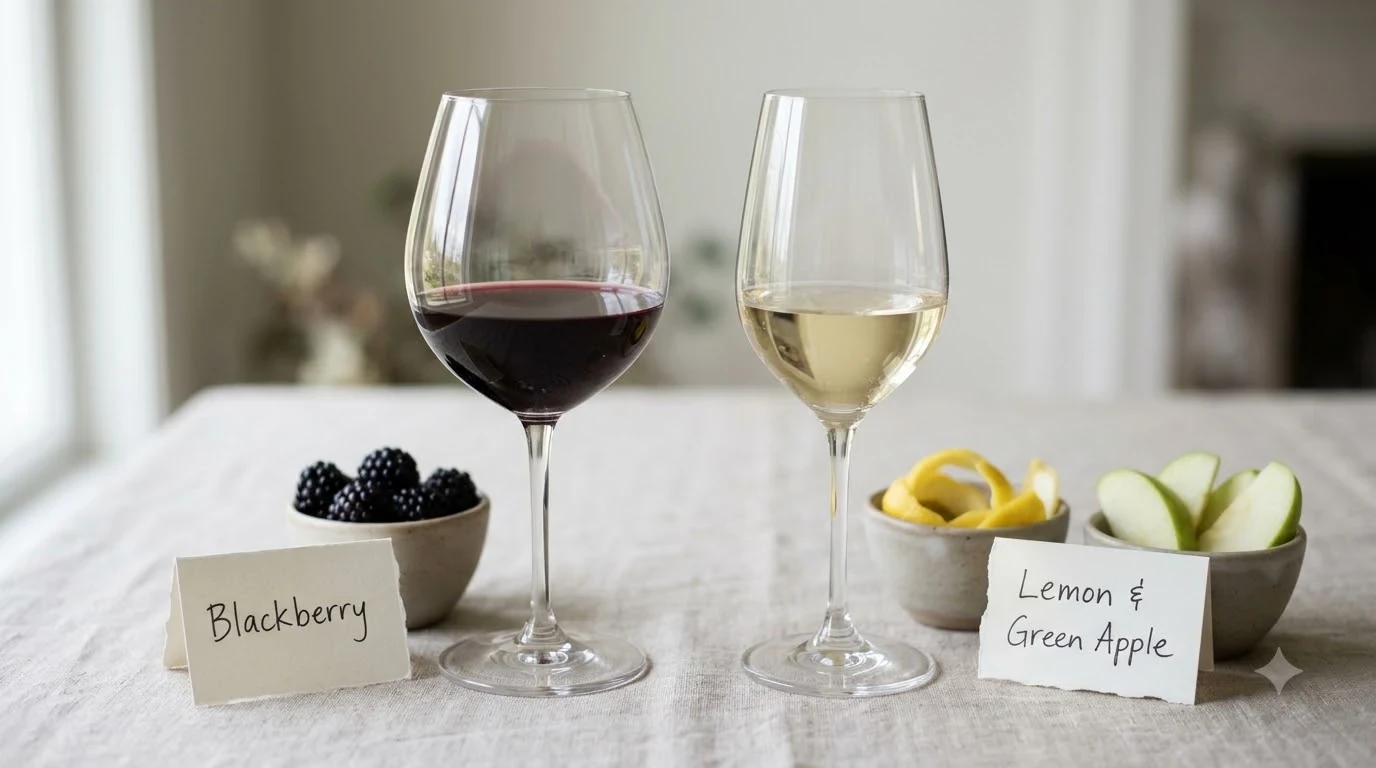
The distinction is especially useful when reading tasting notes. A description mentioning fresh blackberry, lemon, or rose petals generally refers to primary aromas. References to vanilla, toast, and yeast can indicate winemaking influences, while descriptions of tobacco, truffle, and dried leaves often point toward maturity.
According to the MICHELIN Guide, bouquet characteristics are associated with fermentation and aging, with nutty, spicy, and woody scents among the examples. Its terminology provides a useful starting point for understanding the difference between grape character and developed aromas. Read its wine vocabulary explanations for additional tasting terminology.
It is also important to understand that bouquet is not a measure of quality by itself. A young wine can be beautifully expressive without noticeable tertiary aromas. Similarly, an older wine can lose its freshness and aromatic intensity if it has been stored poorly or kept beyond its ideal drinking window.
The Three Stages of Wine Aromas
Wine aromas are commonly grouped into three categories: primary, secondary, and tertiary. Bouquet is most closely associated with tertiary aromas, although the boundaries between the categories can overlap as wine develops.
Primary aromas come directly from grape characteristics. Depending on the variety, growing conditions, and ripeness, they can include strawberry, blackcurrant, citrus, peach, violet, mint, and green herbs. A young Riesling, for example, might emphasize lime and green apple, while a young Cabernet Sauvignon can show blackcurrant and herbal characteristics.
Secondary aromas develop through winemaking. Fermentation, yeast activity, malolactic fermentation, and oak maturation can all influence the final aromatic profile. A Chardonnay may show butter from malolactic fermentation, while barrel aging can introduce vanilla, clove, toast, and smoke. Lees aging can contribute bread-like and biscuit characteristics.
Tertiary aromas develop as wine matures. Fresh fruit can become more subdued, changing toward dried, stewed, or preserved fruit characteristics. Tobacco, mushroom, leather, earthy notes, nuts, and complex spices can become more noticeable in suitable wines.
Wine Enthusiast explains these three aromatic stages and provides examples across red and white wines. Its discussion also makes an important distinction: a wine with mature aromas is not automatically superior to a young wine with vibrant fruit. The preferred style depends on the drinker’s taste.
| Aroma category | Main source | Common examples | Typical wine stage |
|---|---|---|---|
| Primary | Grape variety | Cherry, lemon, rose, mint | Young wine |
| Secondary | Fermentation and winemaking | Yeast, butter, vanilla, toast | Production and maturation |
| Tertiary | Aging and development | Tobacco, leather, mushroom, nuts | Mature wine |
These categories are a practical framework rather than three completely separate collections of smells. A single wine can display all three simultaneously. For example, a mature Chardonnay might retain lemon and apple characteristics, show buttery or toasted notes from winemaking, and develop dried fruit and nutty characteristics through aging.
Common Bouquet Characteristics in Red and White Wines
Red and white wines develop different bouquet profiles depending on their grape varieties, production methods, and aging potential. Mature red wines often reveal earthy and savory characteristics, while mature whites can develop nutty, dried fruit, honeyed, and mineral-like impressions.
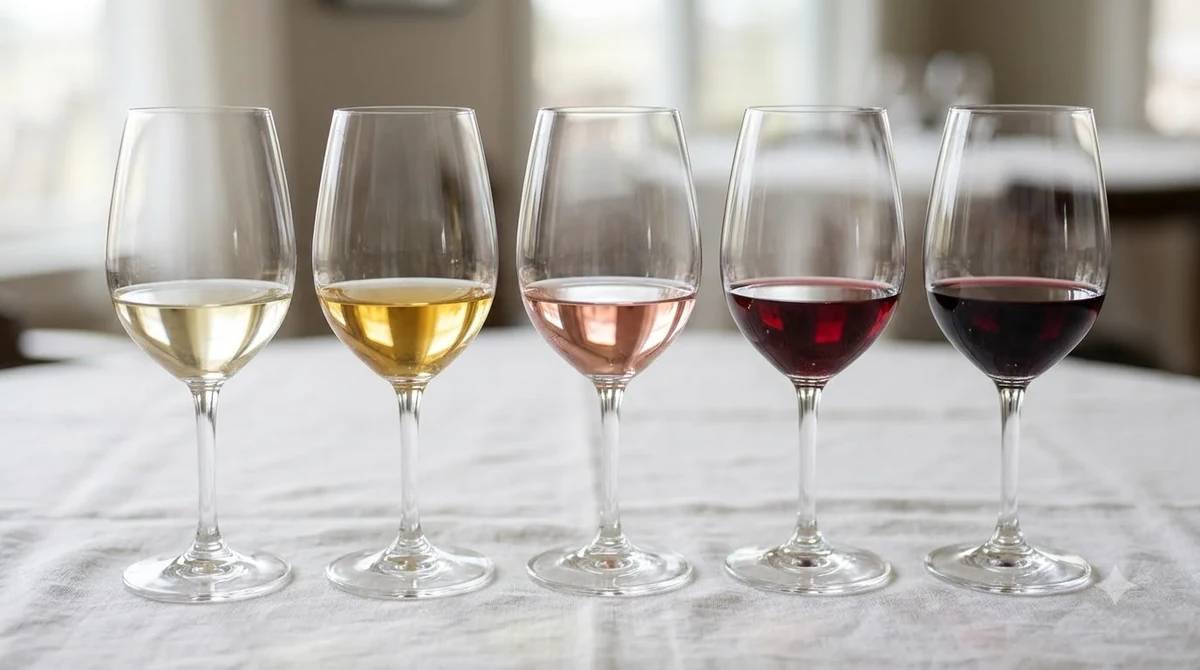
Red wine bouquet: Cabernet Sauvignon, Pinot Noir, Merlot, and Syrah can all develop tertiary aromas, although their individual characteristics differ. Mature Cabernet Sauvignon commonly shows tobacco, cedar, leather, and dried black fruit. Aged Pinot Noir can reveal forest floor, mushroom, dried cherry, and earthy notes. Merlot may develop plum, dried herbs, and savory characteristics, while Syrah can show smoked meat, black pepper, and earthy spice.
White wine bouquet: Chardonnay, Riesling, Chenin Blanc, and other age-worthy whites can also develop substantial aromatic complexity. Mature Chardonnay may show toasted nuts, dried citrus, and honeyed impressions. Riesling can develop petrol-like, ginger, and dried fruit notes. Chenin Blanc can acquire quince, honey, and nutty characteristics as it matures.
The following examples help distinguish common bouquet descriptions from the fresher aromas associated with young wines.
| Wine style | Fresh aromatic examples | Possible mature bouquet |
|---|---|---|
| Cabernet Sauvignon | Blackcurrant, blackberry, mint | Tobacco, cedar, leather |
| Pinot Noir | Cherry, raspberry, violet | Forest floor, mushroom, dried cherry |
| Merlot | Plum, blackberry, red cherry | Dried herbs, leather, earthy spice |
| Syrah | Blackberry, pepper, violet | Smoked meat, leather, savory spice |
| Chardonnay | Apple, lemon, pear | Hazelnut, dried citrus, toasted notes |
| Riesling | Lime, green apple, peach | Petrol, ginger, dried apricot |
These are possible aromatic developments, not guaranteed outcomes. A young wine can already show some savory or spicy characteristics because of its grape variety or production method. Likewise, a mature bottle might retain plenty of fresh fruit if it has been stored and aged appropriately.
For additional context, the distinction between grape-derived and age-derived characteristics is particularly useful when comparing wines from different regions. A cool-climate Chardonnay and a warmer-climate Chardonnay can have noticeably different fruit profiles before bottle aging even begins.
How Fermentation, Oak, and Aging Create Bouquet
Bouquet develops through a combination of chemical changes and winemaking decisions. Fermentation introduces new aromatic compounds, oak can contribute additional scents, and aging gradually changes the balance between the wine’s original characteristics and its more mature profile.
Fermentation and yeast activity
During fermentation, yeast converts grape sugars into alcohol and produces a range of compounds that influence wine’s smell. These compounds contribute to secondary aromas, including fruity, floral, and savory characteristics that may not have been as noticeable in the original grapes.
Some sparkling wines and white wines spend extended periods in contact with lees, the spent yeast cells remaining after fermentation. This process can contribute bread dough, biscuit, brioche, and other yeasty characteristics. Chardonnay can also develop buttery aromas through malolactic fermentation, a separate process that changes sharper malic acid into softer lactic acid.
Oak barrel maturation
Oak aging can add another layer of aromatic complexity. Depending on the barrel, its previous use, and the winemaking approach, wine can acquire vanilla, clove, coconut, smoke, coffee, and toasted wood characteristics.
Oak influence should not be confused with bottle-aged bouquet. A vanilla scent in a Chardonnay can come from barrel maturation, while dried fruit, tobacco, and mushroom characteristics may develop during subsequent aging. A wine can show both influences at the same time.
Bottle aging
Once bottled, wine continues to change through gradual chemical reactions. Oxygen exposure, even in small amounts, can influence the evolution of aromatic compounds. Fruit notes may soften, while more complex characteristics emerge in wines with the structure and balance to develop successfully.
Not every wine benefits from extended bottle aging. Wine Enthusiast estimates that approximately 90% of wines are intended for consumption while young and fresh. A smaller group can improve after three to ten years, while only a tiny proportion is intended to mature for more than ten years.
This distinction matters because buying an inexpensive everyday Sauvignon Blanc with the expectation that it will develop the bouquet of a mature Bordeaux is unlikely to produce the desired result. The grape variety, winemaking approach, acidity, tannin, concentration, and storage conditions all influence whether a wine can mature successfully.
Tip: Do not assume that an older bottle automatically has a better bouquet. Look for wines with established aging potential, suitable storage, and a history of developing complexity. Many wines are designed to be enjoyed for their fresh fruit rather than kept in a cellar.
How to Recognize Bouquet When Smelling Wine
You do not need professional tasting equipment or an extensive vocabulary to recognize bouquet. A suitable wine glass, a small pour, and a few minutes of focused smelling can help you distinguish fresh fruit from developed aromas.
Start with the first smell
Pour a modest amount of wine into a clean glass, leaving enough space above the liquid to collect its aromas. Before swirling, bring the glass toward your nose and take a gentle smell. Notice the strongest impressions first.
Ask yourself whether the wine smells predominantly fresh and fruity or whether it has more complex characteristics. Raspberry, lemon, peach, and fresh flowers often suggest primary aromas. Tobacco, dried leaves, nuts, mushrooms, and leather are more commonly associated with mature bouquet.
Swirl the glass gently
Swirling increases the wine’s contact with air and helps release aromatic compounds. After a gentle swirl, smell the wine again and consider whether additional characteristics become noticeable.
A young Cabernet Sauvignon might initially show blackberry and cassis, then reveal cedar and spice. An aged Chardonnay might move from apple and citrus toward hazelnut, dried fruit, and toasted notes. These changes can make the aromatic profile easier to understand.
Use specific descriptions
Instead of trying to identify every possible scent, start with broad categories. Fruit, flowers, herbs, spices, wood, earth, nuts, and savory aromas are useful starting points.
Once you recognize a general category, become more specific. For example, an earthy impression might remind you of damp forest soil, mushrooms, dried leaves, or truffles. A nutty impression might suggest almond, walnut, or hazelnut.
Personal associations are useful in wine tasting. Two people might describe the same wine differently because their memories and experiences with particular smells are different. The objective is to describe what you actually perceive rather than repeat the most complicated tasting note possible.
Compare two wines
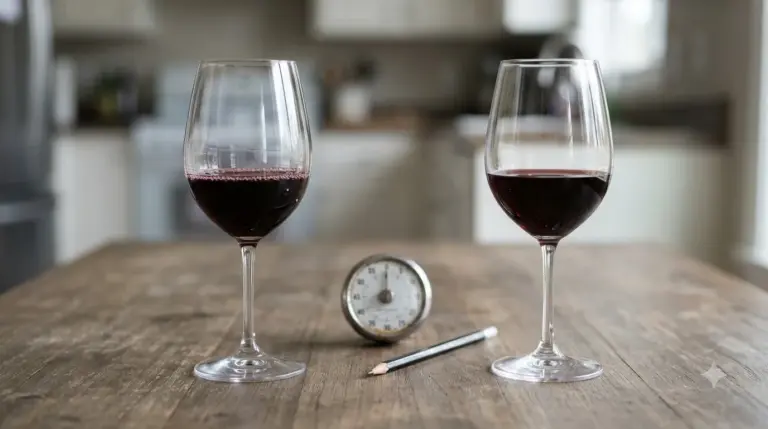
One of the easiest ways to recognize bouquet is to compare a young wine with a mature wine made from the same grape variety. A young Pinot Noir might emphasize fresh raspberry and cherry, while an older example may show dried fruit, earth, and mushroom.
Comparisons also help explain why bottle age does not always produce the same result. A mature wine from one producer may retain more fruit than a similar wine from another producer because of differences in vineyard conditions, winemaking, and storage.
Keep simple tasting notes with the wine name, grape variety, vintage, and the aromas you recognize. Over time, these notes can help you identify patterns and become more confident when describing bouquet.
How Bottle Age and Storage Affect Bouquet
Wine aging requires suitable conditions, and poor storage can damage the very aromas that make a mature bottle interesting. Temperature stability, limited exposure to light, and appropriate bottle handling help preserve a wine’s aromatic development.
For long-term storage, a temperature near 55 F is a useful target. Avoid locations that experience repeated temperature changes, such as kitchen cupboards near ovens or shelves exposed to direct sunlight. Bottles sealed with natural cork are generally stored on their sides to help keep the cork from drying out.
The age of the wine alone does not determine its condition. A bottle that has spent ten years in a stable cellar may be more expressive than a younger bottle exposed to repeated heat. Even a wine with considerable aging potential can lose its appeal if stored badly.
Opening an older bottle
Mature wines deserve careful handling. Older corks can become fragile, and a damaged cork can make opening the bottle more difficult. If the cork breaks, a suitable extraction technique is preferable to forcing the remaining piece into the wine.
Our explanation of how to open a wine bottle with a broken cork covers the practical steps involved. The goal is to remove the cork with minimal disturbance to the wine, particularly when dealing with a valuable older bottle.
Serving a mature wine
Temperature can influence how easily aromas are perceived. Full-bodied red wines are generally served around 60–65 F, while lighter reds are better around 55–60 F. Full-bodied whites are commonly served around 50–55 F, and lighter whites around 45–50 F.
A wine served too cold may seem muted, making subtle bouquet characteristics harder to recognize. Excessive warmth can make alcohol more noticeable and can interfere with the balance of the wine’s aromas.
Decanting also requires care. Young, full-bodied red wines can benefit from approximately 30–60 minutes of decanting, depending on their structure. Mature wines are different: extended exposure to oxygen can cause delicate bouquet characteristics to fade quickly.
The Vin De France wine glossary specifically notes that bottle-aged bouquet is sensitive to oxygen and can dissipate or change dramatically after opening. For an older wine, opening the bottle and allowing it to develop gradually in the glass may be preferable to leaving it in a decanter for an extended period.
Bouquet, Wine Quality, and the Right Bottle to Choose
A complex bouquet can be one of the appealing characteristics of a mature wine, but it should not be treated as the only measure of quality. Freshness, balance, acidity, tannin, structure, and overall aromatic condition remain important when evaluating a bottle.
A young Sauvignon Blanc with lively citrus and herbal aromas can be excellent without any noticeable tertiary bouquet. Similarly, a young Beaujolais can be attractive because of its fresh red fruit rather than its ability to develop leather or mushroom characteristics over time.
By contrast, a mature Bordeaux blend may be appreciated for the way its fresh black fruit has developed into cedar, tobacco, earth, and dried fruit. A bottle-aged Riesling may become more interesting through the emergence of petrol, ginger, and dried apricot characteristics.
When selecting wine, consider the style you actually enjoy. If you prefer bright fruit and fresh acidity, younger wines may be more satisfying. If you enjoy savory, earthy, and nutty characteristics, exploring wines with established aging potential can be rewarding.
For gatherings, remember that an older wine’s bouquet does not make it necessary to serve a different quantity per guest. Standard planning still uses a 5-ounce pour, with a 750-milliliter bottle providing approximately five glasses. If you are organizing a larger event, our guide to how much wine for 100 guests explains how to estimate bottle quantities.
Large-format bottles can also be interesting choices for celebrations. A magnum holds 1.5 liters, equivalent to two standard 750-milliliter bottles, and provides approximately ten standard 5-ounce servings. See our explanation of how many glasses in a magnum when planning bottle quantities for a special occasion.
For beginners, the most useful approach is to compare different wine styles, pay attention to how their aromas change, and become familiar with the language used to describe them. The Wine Glossary is another useful starting point for understanding the terminology that appears in tasting notes and wine descriptions.
Frequently Asked Questions
How do you pronounce bouquet in wine?
Bouquet is pronounced boo-KAY, with the emphasis on the second syllable. The word comes from French and is also used in perfume descriptions to describe a collection of scents. In wine discussions, it refers to the developed aromatic characteristics of the wine.
Can a wine have a bouquet without spending time in an oak barrel?
Yes. Bottle aging can create tertiary aromas without oak barrel maturation. For example, a Riesling matured in a neutral vessel can develop petrol, ginger, and dried citrus characteristics through bottle aging.
What is an oxidized bouquet in wine?
An oxidized bouquet develops when wine undergoes controlled oxygen exposure during maturation. Certain fortified wines from Rivesaltes and Banyuls in France can develop this style, showing aromas such as quince, almonds, and rancio. These characteristics are intentional in appropriate wine styles rather than automatically indicating spoilage.
Does wine bouquet have anything to do with the shape of a wine glass?
Yes, glass shape can influence how aromas collect and reach the nose. A bowl-shaped glass provides space for swirling and allows aromatic compounds to gather above the wine. Narrower openings can concentrate certain scents, which is one reason different wine styles are sometimes served in different glass shapes.
Can sparkling wine develop a bouquet?
Yes. Traditional-method sparkling wines such as Champagne can develop complex aromas through extended contact with yeast lees during production and subsequent bottle maturation. These characteristics can include brioche, toast, biscuit, and nutty impressions. The resulting aromatic profile can be quite different from the fresh apple and citrus characteristics of a young Prosecco.
Wine bouquet reveals how fermentation, winemaking, and aging influence a wine’s aromatic character. Recognizing the difference between fresh grape aromas and developed tertiary notes makes it easier to understand tasting descriptions and appreciate different wine styles. Whether you prefer the freshness of a young white wine or the earthy complexity of a mature red, paying attention to the nose can make every glass more interesting.
More in Wine Basics
 What Is The Best Wine For Mimosas? Choose Bubbly That Balances Orange JuiceUpdated Nov 20, 2026
 Which Prosecco Is Best for Your Taste and OccasionUpdated Nov 20, 2026
 Which Wine Is Best For Health? Understand the Risks and BenefitsUpdated Nov 20, 2026
 Which Champagne Is Best for Your Taste and OccasionUpdated Nov 20, 2026
 What To Put In A Wine Gift Basket For A Thoughtful, Memorable GiftUpdated Nov 20, 2026
 What Is the Best Wine for Mulled Wine? Choose a Smooth, Fruity RedUpdated Nov 20, 2026