

We may earn a commission when you buy through links on this page, at no extra cost to you. Learn more.
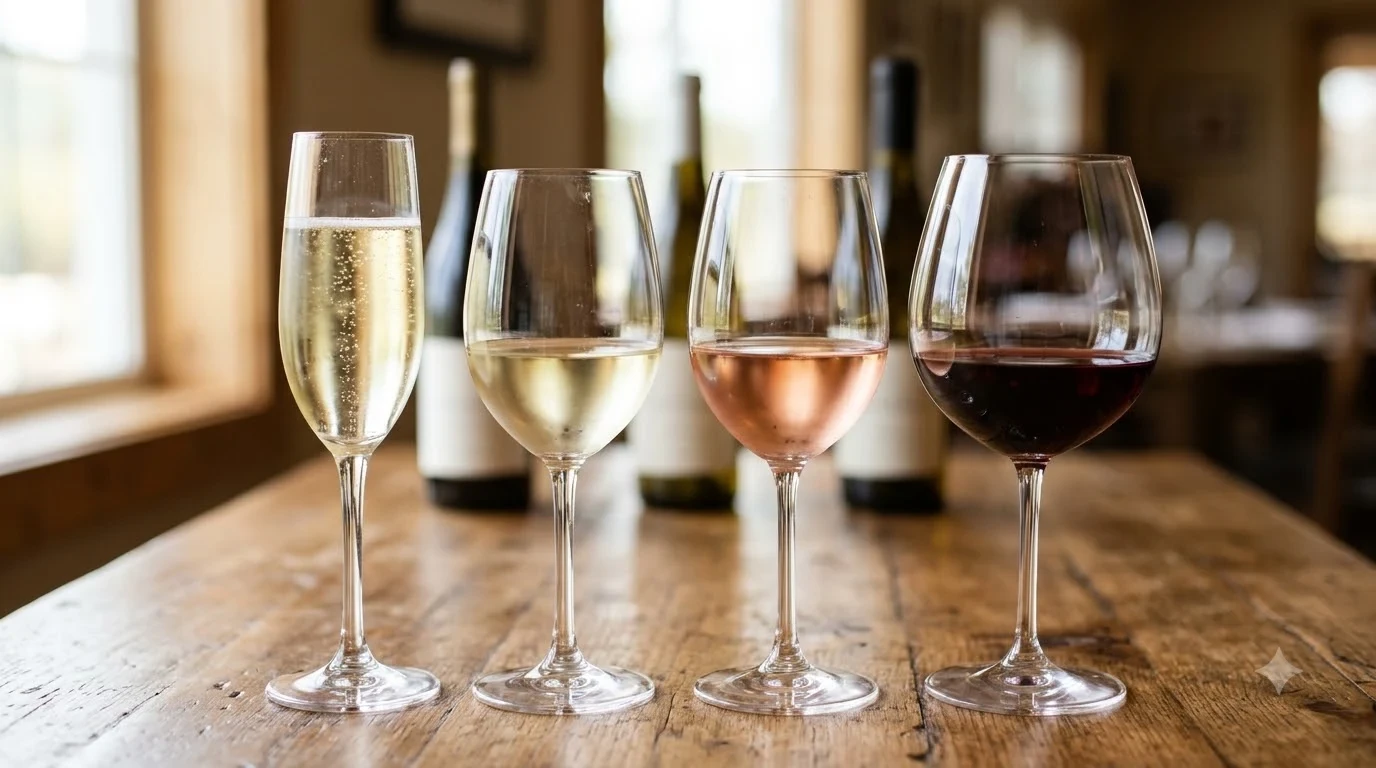
Sauvignon blanc for beginners is a practical introduction to a crisp, aromatic white wine that is usually dry, high in acidity, and flavored with citrus, green apple, grass, and tropical fruit. Its flavor can change considerably depending on where the grapes grow and how the wine is made. French examples often emphasize citrus, minerals, and herbal notes, while New Zealand bottles are frequently more expressive, with passion fruit and gooseberry. Understanding these differences makes it easier to choose a bottle that matches your preferences.
Sauvignon Blanc is one of the most recognizable white wine varieties, but its strong aromas can surprise people who are accustomed to softer, rounder wines. One bottle might smell like freshly cut grass and lime, while another suggests grapefruit, guava, or ripe passion fruit. Neither is necessarily better: both demonstrate the grape’s versatility. This guide explains what to expect, which regions to explore, how to recognize different production styles, and what to serve alongside your first glass.
What Sauvignon Blanc Tastes Like
Sauvignon Blanc typically tastes crisp, refreshing, and intensely aromatic, with high acidity providing its most recognizable structural characteristic. Its flavors range from green fruit and fresh herbs to citrus and tropical fruit, making it relatively easy to distinguish from many other white wines.
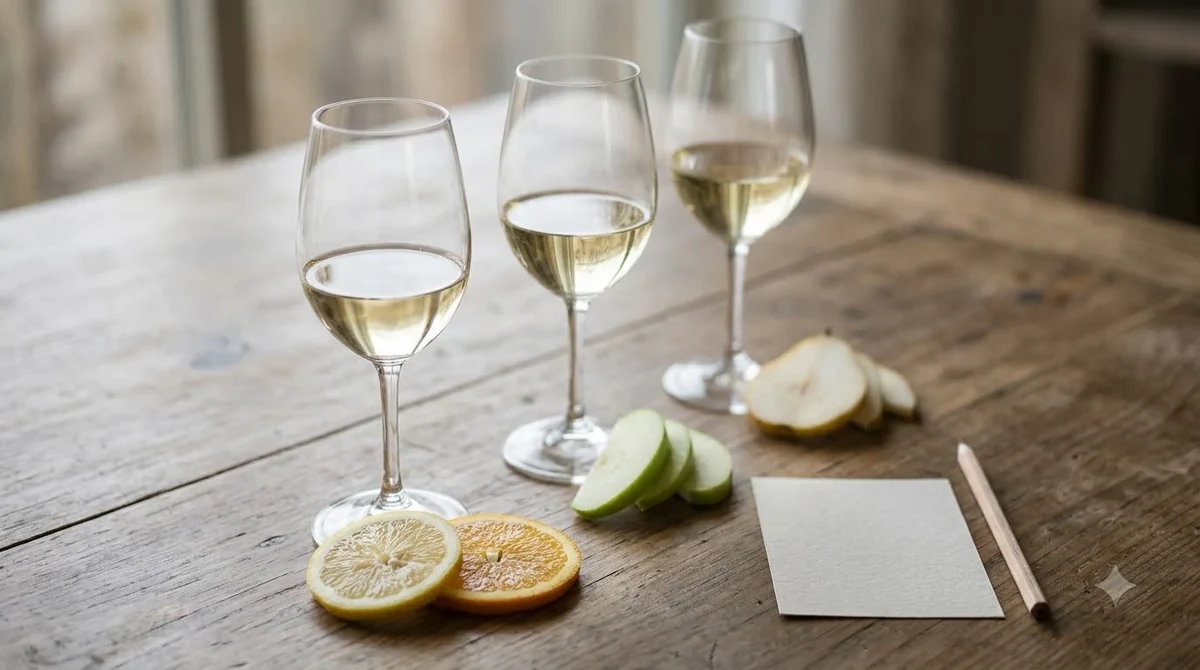
Common aromas include lime, grapefruit, green apple, gooseberry, freshly cut grass, and green bell pepper. Some wines also suggest asparagus, lemon zest, passion fruit, guava, or elderflower. The combination depends on climate, grape ripeness, vineyard conditions, and winemaking decisions. You do not need to identify every aroma to appreciate the wine. Recognizing whether a bottle tastes more herbal or fruity is a useful starting point.
One reason Sauvignon Blanc has such a recognizable personality is its concentration of aromatic compounds called pyrazines. These compounds contribute green, vegetal characteristics, including bell pepper and freshly cut grass. Cooler growing conditions and earlier picking tend to preserve more of these aromas, while warmer conditions and greater ripeness encourage fruitier expressions.
Acidity is equally important. A sip often produces a noticeable mouthwatering sensation, similar to the effect of biting into a tart green apple or squeezing fresh lemon over seafood. This refreshing character helps the wine balance salty foods, fresh cheeses, and dishes containing citrus.
Sauvignon Blanc is generally light to medium-bodied. It usually feels lighter and sharper than an oak-aged Chardonnay, although fuller-bodied examples from warmer regions can have more weight and texture. Its tannin level is low, so it does not produce the drying sensation commonly associated with structured red wines.
Tip: Start by identifying three characteristics in your glass: citrus or tropical fruit, herbal or grassy aromas, and the level of acidity. These simple observations help you recognize which Sauvignon Blanc styles you prefer.
Is Sauvignon Blanc Sweet or Dry?
Sauvignon Blanc is usually a dry white wine, meaning that fermentation converts most of the grape sugar into alcohol. Its strong fruit aromas can make it smell sweet, but a wine that smells like ripe pineapple or passion fruit does not necessarily contain much residual sugar.
Dryness and fruitiness are different characteristics. A dry Sauvignon Blanc can smell intensely fruity while tasting crisp and refreshing rather than sugary. Some producers retain a small amount of residual sugar to soften the acidity or add a little roundness, but this is not the defining style of the variety.
Sweet Sauvignon Blanc also exists. In Bordeaux, the grape is used in dessert wine blends, particularly in Sauternes, where it is commonly combined with Sémillon and sometimes Muscadelle. These wines have a very different purpose and flavor profile from the familiar dry Sauvignon Blanc served with seafood.
For a beginner who wants a straightforward dry white wine, look for a bottle labeled Sauvignon Blanc from Marlborough, Sancerre, or another established dry-wine region. These are useful starting points because the variety’s natural acidity and aromatic character are prominent.
Sweetness is particularly important when choosing wine for a meal. A dry Sauvignon Blanc can work beautifully with fresh seafood, herbs, and salty cheeses, but it may taste excessively tart beside a very sweet dessert. The general pairing principle is to choose a wine at least as sweet as the dessert.
If you enjoy wines with more noticeable sweetness, compare Sauvignon Blanc with sweet Chenin Blanc. Chenin Blanc can be made in dry, off-dry, and sweet styles, so it offers a different way to explore the relationship between fruit, acidity, and sugar.
Major Sauvignon Blanc Regions and Their Styles
The region printed on a Sauvignon Blanc label provides useful clues about its flavor. France, New Zealand, Chile, and California are particularly useful places to begin because their wines demonstrate several recognizable interpretations of the grape.
Loire Valley, France
The Loire Valley is one of the classic homes of Sauvignon Blanc. Two particularly important appellations are Sancerre and Pouilly-Fumé, where the grape produces dry wines with high acidity and aromas of citrus, green apple, gooseberry, and fresh herbs.
These wines often emphasize restraint and mineral character rather than intense tropical fruit. Some examples have flinty or smoky impressions that complement their citrus and herbal flavors. Sancerre is an especially recognizable name for shoppers looking for a traditional French expression.
Touraine is another Loire Valley appellation worth exploring. It produces fruit-forward Sauvignon Blanc that can offer a more accessible introduction to the region’s style.
Marlborough, New Zealand
Marlborough, on New Zealand’s South Island, is internationally recognized for Sauvignon Blanc with expressive aromatics. These wines frequently combine grapefruit, gooseberry, passion fruit, lime, and fresh-cut grass.
The region’s cool to moderate climate helps preserve acidity, while sunny growing conditions encourage fruit ripeness. The result is often a more immediately aromatic wine than a traditional Loire Valley example. For someone who enjoys vivid citrus and tropical fruit, Marlborough is an excellent starting point.
Bordeaux, France
Bordeaux offers a broader range of Sauvignon Blanc styles. Dry white Bordeaux frequently combines Sauvignon Blanc with Sémillon, creating wines with more body and texture than many unoaked varietal examples.
Some wines from Graves and Pessac-Léognan receive oak fermentation or aging. These techniques can introduce vanilla, toast, smoke, and richer textures while preserving some of Sauvignon Blanc’s citrus and herbal character.
Bordeaux also produces sweet wines in which Sauvignon Blanc contributes freshness and aromatic complexity. Sauternes is a well-known example of this dessert-wine tradition.
California and Chile
California Sauvignon Blanc varies by growing area and production approach. Napa Valley examples can be riper, fuller-bodied, and more likely to show oak influence than the leaner styles associated with cooler French vineyards. Some California producers use the name Fumé Blanc for Sauvignon Blanc wines, including versions with oak aging.
Chile is another useful region for beginners. Coastal areas such as Casablanca Valley benefit from cooling sea breezes and morning fog. Their Sauvignon Blanc wines can combine grapefruit and passion fruit with fresh herbal notes, offering a balance between green and tropical characteristics.
The following comparison summarizes the styles beginners are most likely to encounter:
| Region | Typical Flavor Profile | Body | Style to Expect |
|---|---|---|---|
| Sancerre, France | Lemon, green apple, herbs, minerals | Light to medium | Dry, restrained, crisp |
| Pouilly-Fumé, France | Citrus, gooseberry, flint | Medium | Dry, mineral, aromatic |
| Marlborough, New Zealand | Passion fruit, grapefruit, grass | Light to medium | Expressive, fruity, crisp |
| Casablanca Valley, Chile | Grapefruit, tropical fruit, herbs | Light to medium | Fresh, aromatic, balanced |
| Napa Valley, California | Ripe citrus, melon, tropical fruit | Medium to fuller | Riper, sometimes oaked |
| Pessac-Léognan, France | Citrus, stone fruit, toast | Medium to full | Textured, sometimes oak-aged |
These descriptions represent common regional tendencies rather than fixed rules. Individual vineyards, harvest conditions, blending decisions, and fermentation techniques can produce noticeable differences within the same region.
How Winemaking Changes Sauvignon Blanc
Winemaking determines whether Sauvignon Blanc tastes especially fresh and citrusy or develops a richer, more layered character. Stainless steel fermentation is common, but oak barrels, blending, and other production decisions can create distinctly different expressions.
Stainless steel helps preserve the grape’s fresh aromas. Because the vessel does not contribute flavors of its own, the resulting wine can emphasize grapefruit, lime, green apple, gooseberry, and herbs. Temperature-controlled fermentation also allows winemakers to manage aromatic development.
Oak creates another possibility. Barrel fermentation or aging can introduce flavors such as vanilla, clove, toast, and smoke. Oak can also contribute a fuller texture, making the wine feel rounder and less sharply focused than a typical stainless-steel version.
Blending is another important technique. In Bordeaux, Sauvignon Blanc is frequently combined with Sémillon. Sauvignon Blanc contributes acidity and aromatic freshness, while Sémillon can add body and texture. The proportions vary by producer and wine.
Lees contact is another winemaking choice that can influence texture. Lees are the spent yeast cells remaining after fermentation. Keeping wine in contact with them can contribute a creamier mouthfeel and additional complexity, although this is not necessary to produce a recognizable Sauvignon Blanc.
What Fumé Blanc Means
Fumé Blanc is a name associated with California Sauvignon Blanc. It is not a separate grape variety. The name is commonly linked to styles that may have more texture or oak influence, although not every bottle bearing the term is barrel-aged.
For beginners, the useful distinction is between fresh, unoaked Sauvignon Blanc and richer, oak-influenced versions. If you enjoy sharp citrus and herbal aromas, start with stainless-steel examples. If you prefer vanilla, toast, and a fuller mouthfeel, explore an oak-influenced bottle.
For a broader understanding of how regional traditions and production decisions influence this grape, the WSET Sauvignon Blanc overview explains how climate, vineyard management, fermentation, and aging contribute to different styles.
How to Choose Your First Sauvignon Blanc
The easiest way to choose a first bottle is to decide whether you prefer green, herbal flavors or ripe, fruit-forward flavors. Then use the region, production description, and grape information on the label to narrow your selection.
If you enjoy lemon, lime, green apple, and fresh herbs, look for Sancerre or Pouilly-Fumé. These French appellations are useful reference points for a classic, dry Sauvignon Blanc with high acidity and relatively restrained fruit.
If you prefer passion fruit, grapefruit, gooseberry, and more pronounced aromatics, try Marlborough Sauvignon Blanc. Its recognizable tropical and herbal combination makes it an approachable choice for someone who wants an expressive white wine.
Casablanca Valley Sauvignon Blanc is another good option for shoppers who enjoy a combination of citrus, tropical fruit, and herbal notes. California examples are worth exploring if you prefer a somewhat fuller texture or want to try an oak-influenced interpretation.
Understand the Label
Labels can communicate several useful details. The grape name tells you the main variety, while the region indicates the general climate and style. Terms such as unoaked, barrel-fermented, or barrel-aged can provide clues about the wine’s texture and flavor.
Alcohol content can also help establish expectations. Wine Enthusiast describes Sauvignon Blanc as commonly ranging from 12.5% to 14% ABV, depending on climate. A higher alcohol example may feel fuller and warmer, although alcohol alone does not determine body or quality.
Vintage information is useful because white wines made primarily for fresh aromatic appeal are generally intended for relatively early enjoyment. Most straightforward Sauvignon Blanc does not require extended bottle aging. Specially made Bordeaux whites and certain oak-influenced wines are exceptions that can develop additional complexity.
Beginners should avoid assuming that an expensive bottle is automatically the best introduction. A well-made, straightforward regional Sauvignon Blanc can demonstrate the variety’s main characteristics without requiring extensive wine knowledge.
Compare Two Different Styles
A practical way to learn your preferences is to compare two bottles side by side. Choose one Marlborough Sauvignon Blanc and one Sancerre, serve them at the same temperature, and notice how their aromas and acidity differ.
Begin with the aromas before taking a sip. The New Zealand wine may suggest passion fruit, grapefruit, and grass, while the French example may emphasize lemon, green apple, and mineral impressions. These differences illustrate how climate and winemaking influence the same grape variety.
For additional guidance on comparing grape varieties and selecting bottles for different occasions, explore the Wine Buying Guides.
Food Pairings and Serving Sauvignon Blanc
Sauvignon Blanc pairs particularly well with seafood, fresh herbs, vegetables, goat cheese, and lighter proteins because its high acidity refreshes the palate and complements bright flavors. Serving it properly chilled helps preserve its freshness without hiding its aromas.
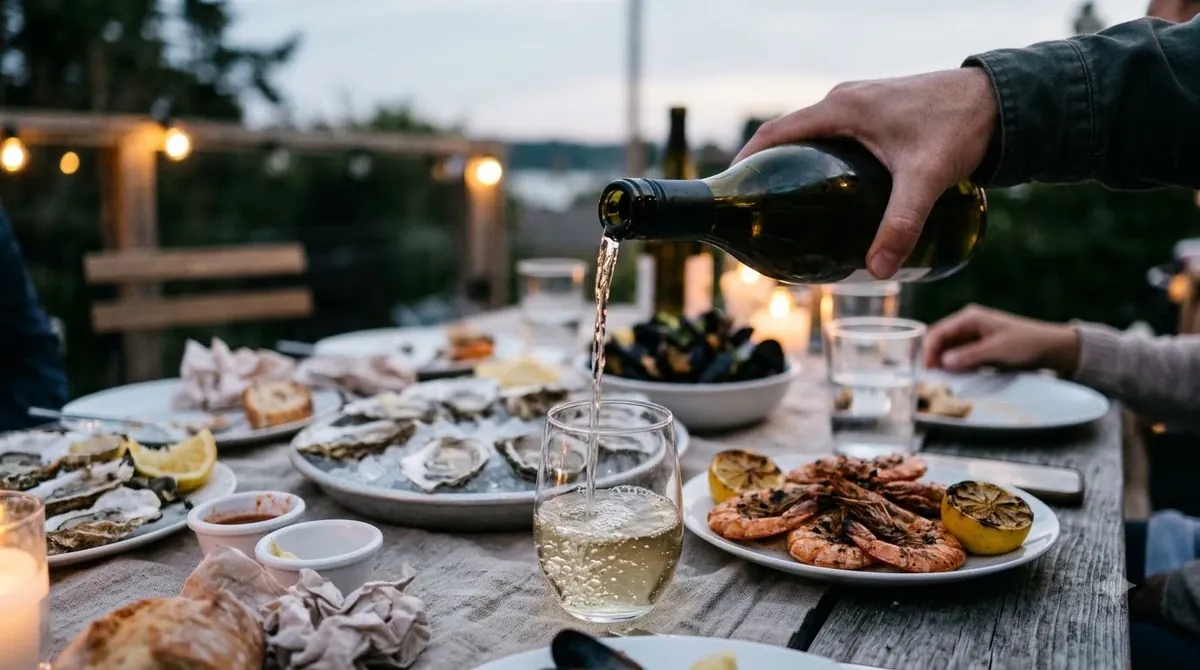
Seafood is one of the most reliable pairing categories. Oysters, shrimp, scallops, cod, halibut, and trout work especially well with crisp, citrus-driven examples. The wine’s acidity complements lemon-based sauces and the natural salinity of shellfish.
Fresh goat cheese is another classic partner, particularly with Loire Valley Sauvignon Blanc. The cheese’s tangy flavor and creamy texture work with the wine’s acidity and herbal character. Fresh chèvre served with crackers, green salad, or lightly dressed vegetables makes a simple pairing.
Vegetable dishes also offer plenty of possibilities. Grilled asparagus, green beans, zucchini, cucumber, basil, parsley, and mint can complement the grape’s vegetal and citrus aromas. Sauvignon Blanc is especially useful with salads that include fresh herbs and lemon-based dressings.
Chicken and pork can work well too, particularly when prepared with citrus, herbs, or lighter sauces. Riper Napa Valley Sauvignon Blanc can accommodate somewhat richer preparations than a particularly lean Sancerre. The important consideration is to match the intensity of the food with the intensity of the wine.
Pairing Considerations
Highly acidic dishes generally need a wine with equal or higher acidity. This matters with foods containing lemon, vinegar, tomatoes, or citrus-based dressings. A wine that lacks sufficient acidity can taste flat beside an acidic dish.
Salt and fat can soften the perception of tannin, although Sauvignon Blanc generally has very little tannin. Its acidity is more useful for refreshing the palate after creamy sauces, fried foods, or oily ingredients.
Be careful with spicy food. Chili heat can seem stronger alongside wines with substantial alcohol, and Sauvignon Blanc’s acidity does not eliminate that effect. Mildly spiced dishes are generally easier matches than extremely hot preparations.
Oily fish is another situation that deserves attention. Sauvignon Blanc can pair with many seafood dishes, but heavily oily fish can be more challenging, especially with tannic red wines. Choose the preparation and wine style carefully rather than assuming every seafood dish needs the same bottle.
Serving Temperature and Glassware
Serve Sauvignon Blanc chilled, generally around 45–50°F for a light-bodied, fresh expression. A fuller or oak-influenced white can benefit from a slightly warmer serving temperature of 50–55°F, allowing more of its aromatic and textural character to show.
A standard white wine glass is suitable. Its bowl provides room for aromas to collect while remaining practical for serving chilled wine. You do not need specialized glassware to appreciate the variety.
A typical serving is 5 ounces. A standard 750 ml bottle contains approximately five such glasses. Pouring smaller amounts initially also gives the wine room to warm slightly in the glass and release additional aromas.
Tip: If your Sauvignon Blanc smells muted straight from the refrigerator, allow it a few minutes in the glass. Extremely cold wine can conceal delicate aromas and make it harder to recognize its fruit and herbal characteristics.
Storage, Freshness, and Sauvignon Blanc Alternatives
Most straightforward Sauvignon Blanc is intended to be enjoyed while its fresh fruit and aromatic characteristics are lively. Proper storage helps preserve these qualities, while understanding a few alternative grape varieties makes it easier to explore different white wine preferences.
Before opening, store bottles in a cool, dark location away from direct sunlight, heat, and significant temperature fluctuations. A cellar temperature near 55°F is a useful general target for wine storage. Bottles with cork closures can be stored on their sides to keep the cork from drying out.
For everyday Sauvignon Blanc, extended aging is usually unnecessary. Freshness is part of the variety’s appeal, and many uncomplicated examples are best enjoyed relatively young. More structured oak-aged Bordeaux whites may have greater aging potential, depending on the producer and vintage.
After opening, replace the cork or closure and refrigerate the remaining wine. A practical general guideline for still wines is approximately 3–5 days, although aromatic freshness can decline before the wine becomes obviously unpleasant. Keep the bottle sealed between pours to limit oxygen exposure.
Sauvignon Blanc is not the only white wine worth exploring. If you prefer more body and a softer acidity, Chardonnay offers a different experience. If you enjoy lighter, more delicate citrus and mineral flavors, Pinot Grigio can be a useful comparison.
Riesling is another option for people who enjoy high acidity but want to explore a wider range of sweetness levels. It can be made dry, off-dry, or sweet, with acidity helping balance its residual sugar.
For red wine drinkers moving toward white wines, Sauvignon Blanc offers a very different structure from Cabernet Sauvignon. Cabernet Sauvignon typically has high tannin and a firmer mouthfeel, whereas Sauvignon Blanc is low in tannin and relies on acidity and aromatic intensity. Those exploring red varieties can start with Cabernet Sauvignon for beginners to understand the contrast.
Shoppers interested in comparing wine sweetness and production styles can also explore low-sugar Cabernet Sauvignon. Although the grape and color differ, the comparison helps explain why perceived fruitiness, residual sugar, and alcohol are separate aspects of wine.
Frequently Asked Questions
Is Sauvignon Blanc made from green or red grapes?
Sauvignon Blanc is made from green-skinned grapes, which are classified as white wine grapes. The grape variety is also one of the parents of Cabernet Sauvignon, a red grape variety resulting from a natural crossing with Cabernet Franc. This relationship makes the two varieties genetically connected despite their very different wine styles.
Why does Sauvignon Blanc sometimes smell like cat pee?
Some intensely aromatic Sauvignon Blanc wines can have a pungent aroma that certain drinkers describe this way. Specific volatile sulfur compounds contribute to the characteristic smell, particularly in highly expressive examples. The aroma is associated with the grape’s distinctive aromatic chemistry and is not automatically evidence that a wine has spoiled.
Does Sauvignon Blanc need to breathe before drinking?
Most fresh, unoaked Sauvignon Blanc can be enjoyed immediately after opening. Unlike young, structured Cabernet Sauvignon, it generally does not require a 30–60-minute decanting period. A brief period in the glass is usually enough to let its aromas become more expressive.
Can Sauvignon Blanc be used in cooking?
Yes. Dry Sauvignon Blanc can be used in sauces for seafood, chicken, and vegetables. Its acidity works particularly well in pan sauces containing lemon, herbs, or butter. Choose a fresh, dry bottle rather than a sweet dessert wine, and avoid using wine that has developed unpleasant oxidation aromas.
Is Sauvignon Blanc related to Cabernet Sauvignon?
Yes. Sauvignon Blanc is one of the parent varieties of Cabernet Sauvignon, alongside Cabernet Franc. Their relationship was established through a natural crossing in France. The shared family connection helps explain why both varieties contain aromatic compounds associated with green bell pepper characteristics.
Sauvignon Blanc is an excellent starting point for understanding white wine because its acidity, aromas, and regional differences are relatively easy to recognize. Begin with a crisp Loire Valley example or an expressive Marlborough bottle, then compare other regions and production styles as your preferences develop. Once you understand the balance between fruit, acidity, and texture, choosing a bottle becomes a much more straightforward experience.
More in Wine Buying Guides
 Cheap Red Blend: How to Find a Flavorful Bottle for LessUpdated Nov 20, 2026
 Pinot Grigio Gift: How to Choose a Bottle They’ll EnjoyUpdated Nov 20, 2026
 Best White Wine at Total Wine for Every MealUpdated Nov 20, 2026
 Wine Fridge Replacement Shelves: Find the Right FitUpdated Nov 20, 2026
 Best Sparkling Wine Under 20: Find Bubbles Worth BuyingUpdated Nov 20, 2026
 Best Wine For Birthday Celebrations With Perfect Party PairingsUpdated Nov 20, 2026