


We may earn a commission when you buy through links on this page, at no extra cost to you. Learn more.
Organic sweet white wine combines naturally sweet or sweetness-retaining white wine styles with organically certified grapes and regulated production practices. Popular choices include Riesling, Moscato, Chenin Blanc, and late-harvest white wines. The best bottle balances residual sugar with acidity, so its sweetness feels refreshing rather than heavy. Understanding USDA organic labeling and wine sweetness levels makes choosing the right bottle much easier.
Sweet white wine offers a wide range of flavors, from crisp green apple and peach to honey, apricot, orange blossom, and tropical fruit. Organic production adds another consideration for shoppers who want certified organic grapes and specific production standards. However, organic certification does not automatically mean a wine is sweet, low in alcohol, or free from every sulfite. The key is to evaluate sweetness, grape variety, production methods, and certification separately before buying.
What Makes Organic Sweet White Wine Different?
Organic sweet white wine brings together two distinct characteristics: organic agricultural production and noticeable residual sweetness. Organic certification concerns how grapes and other permitted ingredients are produced and processed, while sweetness depends primarily on the amount of natural sugar remaining after fermentation.
During fermentation, yeast converts grape sugar into alcohol. When fermentation finishes, the remaining sugar is called residual sugar. A winemaker can preserve some of this sugar by stopping fermentation before the yeast consumes it all. Other techniques, including late harvesting and concentrating grape sugars, can also produce naturally sweet wines. Organic certification does not prevent a winemaker from creating these styles.
The distinction matters because organic and sweet describe different things. A certified organic Sauvignon Blanc can be completely dry, while an organic Riesling can be off-dry or richly sweet. Similarly, a sweet Moscato is not automatically organic simply because it tastes fruity or is made with grapes grown using fewer agricultural chemicals.
Organic grape production follows regulated agricultural standards, including restrictions on prohibited synthetic substances and production practices. Certification also involves independent oversight rather than relying exclusively on a winery’s marketing statements. For American shoppers, USDA certification is an important way to distinguish regulated organic claims from general terms such as natural, sustainable, or environmentally friendly.
There is also a difference between organic farming and organic winemaking. Growing grapes organically does not automatically mean every aspect of the finished wine qualifies for the USDA organic label. Sulfite rules, permitted ingredients, processing methods, and certification requirements all matter.
For shoppers, the practical approach is straightforward: identify a sweet white grape or style first, then establish whether the bottle is certified organic or made with organic grapes. This prevents confusion between sweetness claims and agricultural certification. It also makes comparisons between wines from different countries easier because imported bottles sold in the United States must meet applicable American organic labeling requirements.
Understanding USDA Organic Wine Labels
The most important distinction on an American wine shelf is between wine labeled Organic and wine labeled Made with Organic Grapes. Both categories require organic grapes, but their permitted winemaking practices and sulfite allowances differ.
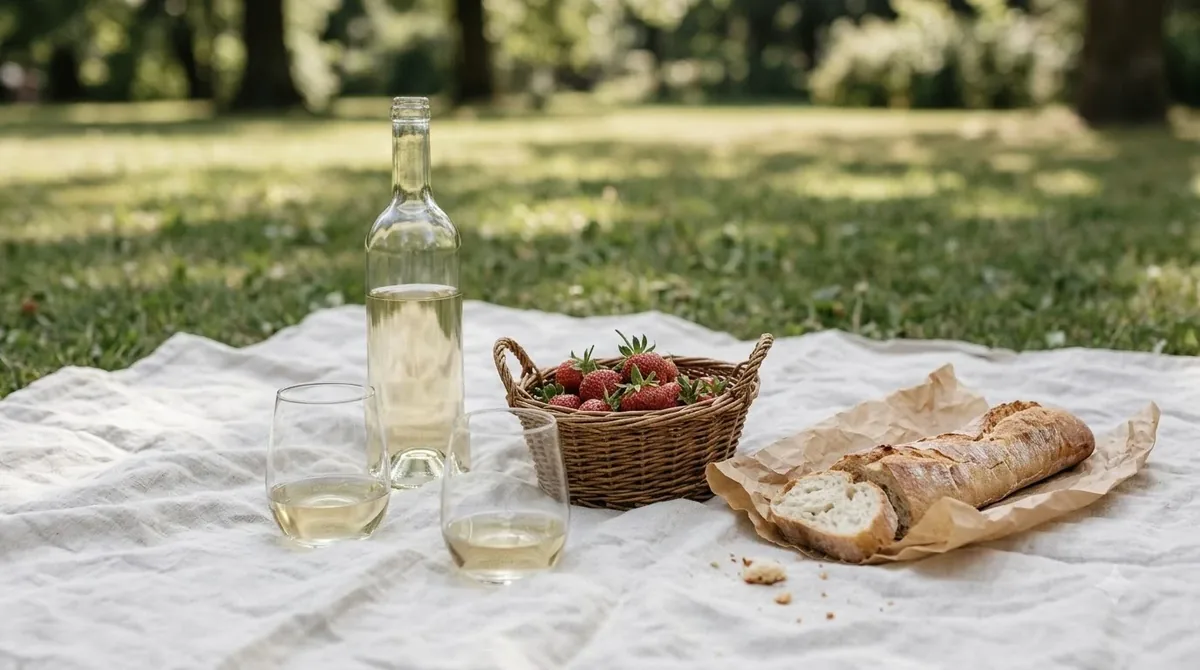
According to USDA wine-labeling guidance, wine labeled Organic cannot contain added sulfites. Naturally occurring sulfites are permitted below 10 parts per million. Wine labeled Made with Organic Grapes can contain added sulfur dioxide, provided the finished grape wine does not exceed 100 parts per million of total sulfites.
These differences are particularly important when comparing organic sweet white wines from different producers. A bottle may feature organically grown Riesling grapes but use added sulfites during production. That wine may qualify for the Made with Organic Grapes category rather than the stricter Organic category.
The following comparison summarizes the main American labeling distinctions.
| Label category | Organic grape requirement | Added sulfites | USDA organic seal |
|---|---|---|---|
| Organic wine | All grapes must be organic | Not permitted; naturally occurring sulfites below 10 ppm | Permitted |
| Made with Organic Grapes | All grapes must be organic | Permitted up to 100 ppm total sulfites | Not permitted |
| Other wine with an organic ingredient claim | Nonorganic grapes may be used | Subject to applicable wine regulations | Not permitted |
These requirements are based on USDA Agricultural Marketing Service guidance for organic wine. They help explain why two bottles carrying different organic-related statements may have different production standards.
Another important detail is certification. Qualifying organic wine labels identify the certifying organization responsible for verifying compliance. The USDA organic seal can appear on qualifying Organic wine, but it cannot appear on wine labeled Made with Organic Grapes.
For a closer look at the official requirements, consult the USDA organic wine labeling guide. It explains the distinctions between organic claims, sulfite allowances, certification oversight, and label approval.
Do not assume that the word natural means certified organic. Natural wine is not a substitute for a regulated USDA organic designation. Likewise, sustainable farming claims can describe valuable agricultural practices without establishing that a finished bottle meets organic certification requirements.
Tip: If certified organic wine is your priority, look for the USDA organic seal and the certifying organization’s statement. A bottle marked Made with Organic Grapes is a different certification category, even when every grape comes from organic farming.
Best White Grape Varieties for Organic Sweet Wine
Riesling, Moscato, and Chenin Blanc are among the most useful grape varieties to explore when shopping for organic sweet white wine. Each offers a different balance of fruit character, acidity, sweetness, and texture, so choosing the right grape can narrow the selection quickly.
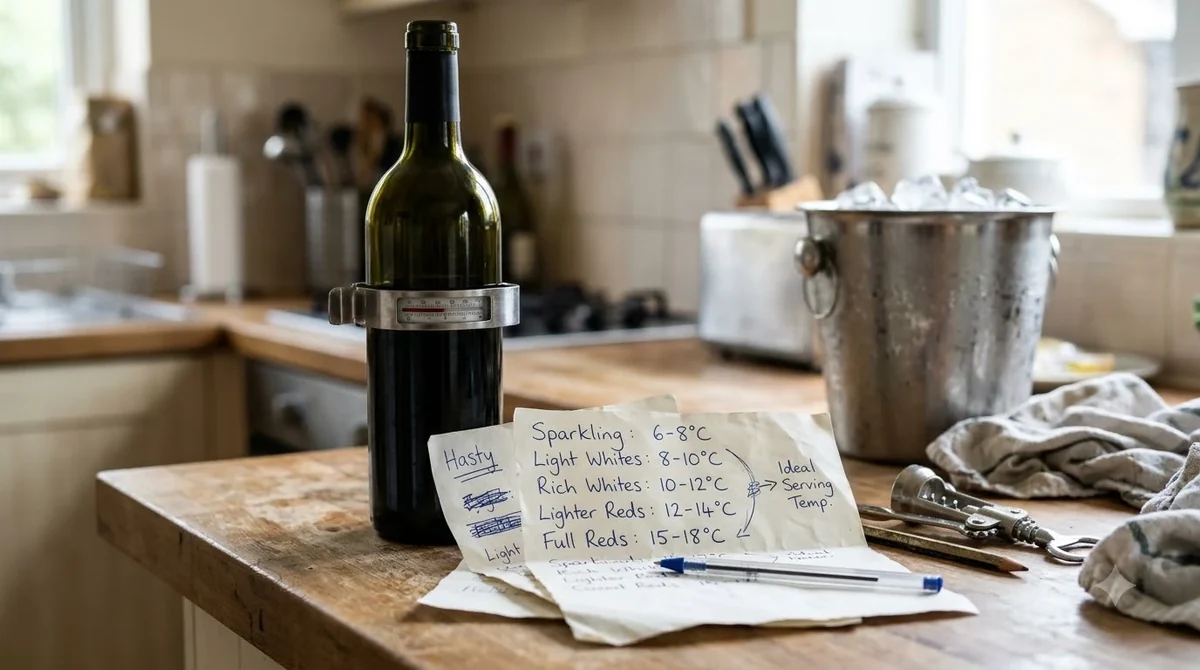
Riesling: Sweetness With Refreshing Acidity
Riesling is an excellent starting point for shoppers who enjoy sweetness but do not want a heavy finish. Its naturally high acidity can balance substantial residual sugar, creating wines that taste bright and lively. Common aromas include green apple, lime, peach, apricot, honeysuckle, and sometimes honey or mineral notes.
Riesling is made in several sweetness styles. A dry bottling may contain very little residual sugar, while an off-dry or Spätlese-style wine can deliver noticeable sweetness. Richer late-harvest and dessert Rieslings offer more concentrated fruit and honeyed flavors. Organic examples can come from producers in Germany, the United States, and other wine-growing countries.
Moscato: Floral Aromas and Approachable Sweetness
Moscato is a popular option for people who prefer obvious fruitiness and fragrant aromas. Depending on the style, it can offer peach, orange blossom, mandarin, ripe pear, and tropical fruit. Some examples are still, while others are lightly sparkling or fully sparkling.
Moscato generally has lower to moderate acidity compared with Riesling, so its sweetness can feel more immediately noticeable. Moscato d’Asti is a recognizable Italian style that combines aromatic Muscat grapes with gentle bubbles and a relatively light body. An organic version is a useful choice for casual gatherings, fruit desserts, and lightly sweet appetizers.
Chenin Blanc: A Versatile Choice
Chenin Blanc is another strong option because it can produce wines across a broad sweetness spectrum. Dry examples often show apple, pear, citrus, and mineral flavors, while sweeter bottlings may introduce honey, quince, ripe peach, and tropical fruit.
Sweet Chenin Blanc from the Loire Valley, particularly styles associated with Vouvray, demonstrates how acidity can preserve freshness in a wine with noticeable residual sugar. For additional grape-specific information, explore sweet Chenin Blanc to understand its different expressions and serving possibilities.
Other Varieties Worth Exploring
Gewürztraminer is appealing to shoppers who enjoy intense floral aromas, lychee, rose, and spice. It can be made dry, off-dry, or sweet. Its aromatic character makes it particularly distinctive alongside flavorful Asian dishes and fruit-based desserts.
Semillon is another important variety, particularly in sweet wines from Bordeaux. In Sauternes, favorable conditions can encourage noble rot, which concentrates grape sugars and contributes distinctive honey, apricot, marmalade, and dried-fruit characteristics. Organic examples depend on the producer’s farming practices and certification.
Pinot Gris can also be made in off-dry or sweeter styles, although many bottles are dry. The grape name alone does not guarantee sweetness, so shoppers should consider the producer’s stated style alongside the grape variety.
How to Identify the Right Sweetness Level
Residual sugar is the most useful technical measurement for understanding sweetness. It is expressed in grams per liter, abbreviated g/L, and measures the sugar remaining in finished wine after fermentation.
However, the amount of residual sugar does not tell the entire story. Acidity can make a sweet wine seem fresher and less sugary, while lower-acid wines may taste richer at similar sugar levels. This is why a sweet Riesling can feel more refreshing than a similarly sweet Moscato.
The following ranges provide a practical educational reference for comparing still white wines. They are approximate style categories rather than universal legal definitions, and individual producers may use different classifications.
| Sweetness style | Approximate residual sugar | Typical character | Examples |
|---|---|---|---|
| Dry | 0–17 g/L | Little obvious sweetness | Dry Riesling, Sauvignon Blanc |
| Off-dry | 17–35 g/L | Light, noticeable sweetness | Off-dry Riesling, Chenin Blanc |
| Sweet | 35–120 g/L | Pronounced fruit and sugar | Moscato, sweet Riesling |
| Very sweet | Above 120 g/L | Rich, concentrated sweetness | Ice wine, some dessert wines |
These approximate figures follow the educational sweetness categories presented by Total Wine. They are useful for understanding broad differences, although wine acidity, serving temperature, and individual perception affect how sweet a bottle tastes.
For a gentle introduction to sweetness, choose an off-dry Riesling or Chenin Blanc. These styles offer some sweetness without making sugar the dominant feature. They also work well with a wide range of foods, making them practical everyday choices.
If you prefer a more obvious dessert-wine character, look for sweet Moscato, late-harvest Riesling, or a concentrated Semillon-based wine. These styles tend to deliver more honeyed fruit, a richer texture, and a longer sweet finish.
German Riesling labels provide additional clues. Feinherb and Halbtrocken commonly indicate off-dry styles, while Kabinett often falls toward the lighter end of the sweetness spectrum. Spätlese generally indicates later-harvest grapes, although the finished wine can vary in sweetness.
Alcohol content can offer another clue. Some sweet Rieslings have relatively low alcohol because fermentation stops while some grape sugar remains. However, this is not a universal rule, so alcohol percentage should be treated as supporting information rather than a precise measurement of sweetness.
How Organic Sweet White Wine Is Produced
Organic sweet white wine starts with organically cultivated grapes, but its final flavor depends on harvest decisions, grape condition, fermentation, and cellar practices. Different production approaches create distinct styles, ranging from lightly sweet table wines to concentrated dessert wines.
Organic Vineyard Practices
Organic grape growing follows regulated restrictions on agricultural inputs and requires certification. Vineyard managers focus on maintaining soil health, controlling pests and diseases through permitted methods, and managing the grape canopy to encourage healthy fruit development.
These practices can involve cover crops, mechanical weed control, careful vineyard monitoring, and permitted organic production inputs. The exact methods vary according to climate, soil, grape variety, and local agricultural conditions.
Organic certification does not mean that vineyards never use pest-control products. Instead, it establishes which substances and methods are permitted under the relevant organic standards. This distinction is important because marketing language sometimes gives shoppers the misleading impression that organic agriculture involves no vineyard treatments whatsoever.
Harvesting and Concentrating Sugar
Harvest timing is especially important for sweet white wine. Grapes harvested later can accumulate additional sugar, although acidity and fruit condition must also be considered. The winemaker seeks a balance between sweetness, freshness, and the desired aromatic profile.
Late-harvest Riesling and Chenin Blanc are examples of styles in which additional ripening contributes richer fruit characteristics. In some regions, grapes are affected by Botrytis cinerea, commonly called noble rot, which can concentrate sugars and create complex honeyed and dried-fruit aromas.
Ice wine uses a different approach. Grapes are harvested while frozen under suitable natural conditions, concentrating their sugars and acids in the juice pressed from the frozen fruit. The resulting wine can be intensely sweet while retaining considerable acidity.
Fermentation and Bottling
Once harvested, grapes are pressed and their juice is fermented. Yeast converts fermentable sugars into alcohol, and the winemaker controls the fermentation process to achieve the intended sweetness and alcohol level.
One common method is to stop fermentation before all available sugar has been consumed. Another approach involves using preserved grape juice or permitted grape-derived ingredients to adjust sweetness. The specific methods and ingredients must comply with the wine’s certification category.
Sulfite management is an additional consideration. Some producers use sulfur dioxide to protect wine against oxidation and unwanted microbial activity. Under American organic wine rules, added sulfites are prohibited in wine labeled Organic, while wine made with organic grapes can contain added sulfur dioxide within the applicable 100 ppm total-sulfite limit.
For buyers, the important point is that sweetness and sulfite status are separate characteristics. A sweet wine is not automatically high in sulfites, and an organic wine is not necessarily free from naturally occurring sulfites.
Food Pairings, Serving Temperature, and Storage
Organic sweet white wine works best with foods that either complement its fruit character or balance its sweetness through salt, spice, and acidity. Serving temperature also matters because excessive warmth can make sweetness feel heavier, while excessive chilling can mute aromatic detail.
Food Pairings That Work
Sweet Riesling is particularly versatile with spicy dishes. Its sweetness can soften the perception of chili heat, while its acidity refreshes the palate. Try it with moderately spicy Thai curries, Vietnamese dishes with chili and herbs, Sichuan-inspired preparations, or spicy glazed chicken.
Moscato works particularly well with fresh fruit, fruit tarts, peach desserts, and lightly sweet pastries. Its floral aromas complement ripe fruit without requiring a complicated dish. A lightly sparkling Moscato can also work with mild cheeses and fruit-based appetizers.
Sweet Chenin Blanc is a useful match for salty cheeses, roasted poultry with fruit sauces, and dishes featuring apples or pears. Its acidity helps balance richer preparations while its fruit character complements the natural sweetness of the ingredients.
For dessert, follow one central pairing rule: the wine should be at least as sweet as the dessert. A dry or lightly sweet white wine can taste sour or thin alongside a very sugary cake. Richer dessert wines are better suited to concentrated desserts such as fruit tarts, honey pastries, and creamy desserts.
Acidic foods also need attention. A dish with substantial lemon juice, vinegar, or citrus acidity generally benefits from a wine with equal or higher acidity. Otherwise, the wine may taste flat beside the food.
For additional inspiration, consider how the sweetness and structure of organic sweet red wine differ from white varieties. Shoppers who prefer a less sweet red option can also explore organic Merlot, which typically offers softer tannins than Cabernet Sauvignon.
Serving Temperature
Sweet white wine generally benefits from a cool serving temperature that preserves its freshness and aromatic character. A practical range is 43–50 degrees Fahrenheit for sweet white wines.
Lightly sweet Moscato can be served toward the cooler end of that range, while a more concentrated late-harvest Riesling or Semillon can benefit from slightly warmer serving conditions. Extremely cold wine may conceal delicate floral and fruit aromas, so allow a chilled glass to warm slightly if its flavors seem muted.
Use regular white wine glasses for most still sweet whites. A smaller dessert-wine glass is appropriate for particularly concentrated styles because their sweetness and flavor intensity make smaller pours practical.
Storage and Opened Bottles
Store unopened bottles in a cool, dark location with a relatively stable temperature. Around 55 degrees Fahrenheit is a useful storage target for many wines. Bottles with traditional cork closures are generally stored on their sides to help maintain contact between the cork and wine.
After opening, reseal the bottle and place it in the refrigerator. Most opened still wines retain their best character for approximately three to five days, although highly concentrated sweet wines can vary. Check the aroma and flavor before serving again, particularly if the bottle has been open for several days.
Use a proper wine stopper to limit air exposure. Avoid leaving an opened bottle on a warm kitchen counter or near direct sunlight. These conditions can accelerate oxidation and reduce the freshness of delicate aromas.
A standard 750 ml bottle provides approximately five 5-ounce servings. For concentrated dessert wines, smaller pours can be more appropriate, allowing guests to appreciate the wine without overwhelming the accompanying dessert.
How to Choose and Buy the Best Bottle
Choosing the right organic sweet white wine involves more than selecting a familiar grape variety. A good buying decision considers certification, sweetness preference, acidity, alcohol content, origin, and the occasion for which the bottle will be served.
Start with your preferred level of sweetness. If you want just a little sweetness, look for off-dry Riesling or Chenin Blanc. If you prefer obvious sweetness and fragrant fruit, consider Moscato. For a richer after-dinner wine, explore late-harvest Riesling, sweet Chenin Blanc, or concentrated dessert styles.
Next, establish the certification category. In the United States, Organic and Made with Organic Grapes have different sulfite requirements. The USDA organic seal is a useful indicator for qualifying Organic wine, while a certification statement can help identify the responsible certifying organization.
Consider the grape variety and production style together. A dry Riesling and a sweet Riesling can share the same grape but taste very different. Similarly, a Chenin Blanc from Vouvray can range from dry to richly sweet depending on the producer and intended style.
Country and region can help narrow the search. Germany is particularly associated with Riesling, including off-dry and sweet expressions from the Mosel and Rheingau. France’s Loire Valley is known for different Chenin Blanc styles, while Italy is an important reference point for aromatic Moscato wines.
Alcohol percentage provides another useful comparison. A lighter wine with relatively low alcohol may suit shoppers looking for a refreshing, gently sweet style. More concentrated dessert wines can have different alcohol levels depending on fermentation and production methods.
It is also helpful to consider the occasion. An off-dry Riesling can accompany dinner, while Moscato may suit brunch or an informal gathering. A late-harvest dessert wine is better suited to a smaller after-dinner pour alongside a dessert or cheese course.
Finally, compare bottles using reliable descriptions rather than attractive packaging alone. Look for specific references to sweetness, residual sugar, acidity, grape variety, and certification. The Wine Buying Guides section offers additional information to help shoppers evaluate wine styles and make more informed selections.
There is no single best organic sweet white wine for every drinker. The ideal choice is one that matches your preferred sweetness, provides enough acidity to keep the finish balanced, and carries the organic certification that meets your expectations.
Frequently Asked Questions
Is organic sweet white wine suitable for a special occasion?
Yes. A concentrated late-harvest Riesling or noble-rot Semillon can be an excellent choice for celebrations and formal dessert courses. Some dessert wines also develop complex aromas of marmalade, saffron, dried apricot, and candied citrus as they mature.
Does organic sweet white wine have a shorter shelf life?
Not necessarily. Shelf life depends on factors such as acidity, alcohol, residual sugar, oxygen exposure, closure, and production style. Some concentrated sweet wines can age for many years under appropriate storage conditions, although lighter aromatic Moscato styles are generally best enjoyed while their fresh fruit aromas remain expressive.
Can organic sweet white wine be sparkling?
Yes. Organic sparkling white wines can be made in sweet styles, including aromatic Muscat-based wines. The sweetness designation on sparkling wine labels ranges from Brut Nature and Extra Brut through Brut, Extra Dry, Dry, Demi-Sec, and Doux, with Doux representing the sweetest category.
Can organic sweet white wine be made without animal-derived fining agents?
Yes. Some producers use bentonite clay, which is a mineral-based fining agent, or other non-animal alternatives. Organic certification alone does not establish that a wine is vegan, so shoppers following vegan production standards should look for a separate vegan certification or a clear producer statement.
Does organic certification guarantee that sweet wine contains no added sugar?
No. Organic certification and sweetness adjustment are separate production considerations. Depending on the applicable certification category and permitted winemaking practices, producers may use approved grape-derived ingredients to adjust sweetness. The finished wine’s residual sugar and production details are more useful indicators than the organic designation alone.
Organic sweet white wine offers plenty of choices, from floral Moscato and refreshing Riesling to honeyed Chenin Blanc and concentrated dessert wines. Focus on the balance between sweetness and acidity, then verify the certification category to find a bottle that matches your preferences. With the right grape, sweetness level, and food pairing, organic white wine can be an enjoyable choice for both everyday meals and special occasions.
More in Wine Buying Guides
 Cheap Red Blend: How to Find a Flavorful Bottle for LessUpdated Nov 20, 2026
 Pinot Grigio Gift: How to Choose a Bottle They’ll EnjoyUpdated Nov 20, 2026
 Best White Wine at Total Wine for Every MealUpdated Nov 20, 2026
 Wine Fridge Replacement Shelves: Find the Right FitUpdated Nov 20, 2026
 Best Sparkling Wine Under 20: Find Bubbles Worth BuyingUpdated Nov 20, 2026
 Best Wine For Birthday Celebrations With Perfect Party PairingsUpdated Nov 20, 2026