

We may earn a commission when you buy through links on this page, at no extra cost to you. Learn more.
Dry red wine for beginners is easiest to enjoy when you start with softer, fruit-forward varieties such as Pinot Noir, Merlot, and Gamay. These wines introduce the flavors and structure of red wine without overwhelming your palate with strong tannins. Understanding sweetness, acidity, body, and serving temperature will also help you choose a bottle that suits your preferences. You do not need advanced wine knowledge to find a dry red that you enjoy.
Walking into a wine shop and seeing dozens of red wine labels can make choosing your first bottle surprisingly difficult. Cabernet Sauvignon, Malbec, Merlot, Pinot Noir, Syrah, and countless blends all have different characteristics, even when they share the same dry classification. The easiest approach is to begin with approachable grape varieties, learn a few basic tasting terms, and gradually explore more structured styles. This guide explains what to look for, how to recognize the differences between popular reds, and how to serve and pair them confidently.
What Dry Red Wine Actually Means
Dry red wine contains little or no residual sugar, meaning fermentation has converted most of the grape sugars into alcohol. It can still taste fruity, rich, or soft, so dry does not mean flavorless, harsh, or bitter.
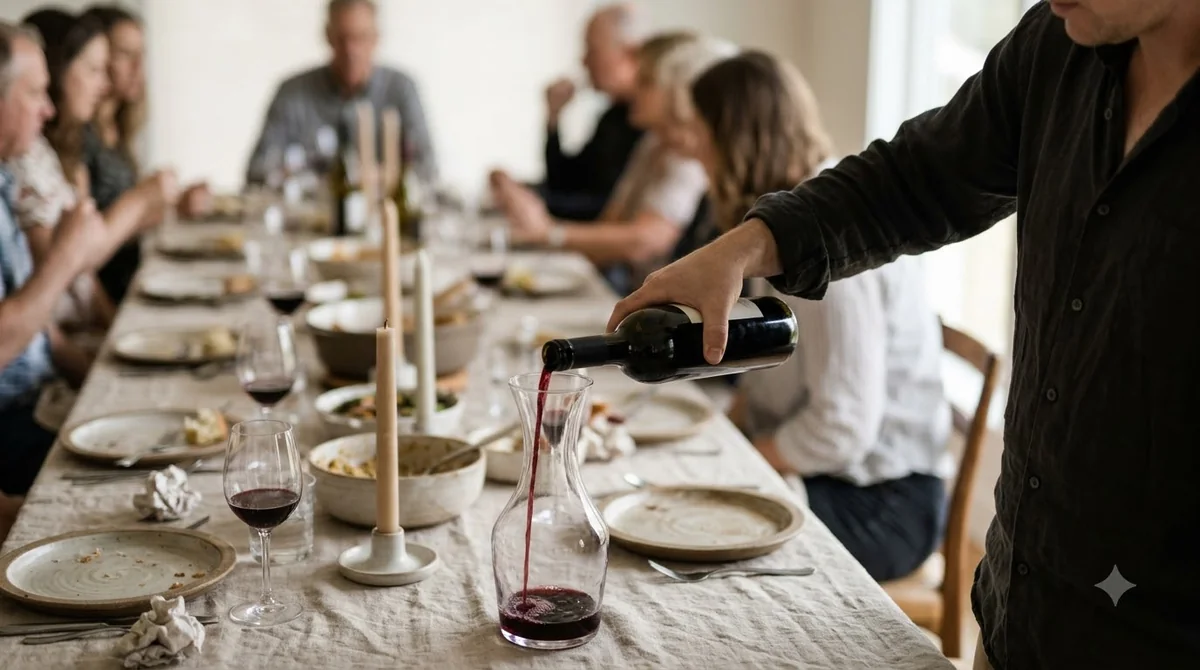
One of the most common misunderstandings among new wine drinkers is confusing fruitiness with sweetness. A wine can smell strongly of ripe cherries, blackberries, strawberries, or plums while tasting completely dry. These aromas come from the grapes and the winemaking process rather than necessarily indicating sugar in the finished wine.
Consider a glass of Pinot Noir. Its cherry and raspberry aromas can suggest something sweet, but the actual wine may have very little residual sugar. The same distinction applies to Merlot, which often has generous plum and blackberry flavors without tasting sugary. Cabernet Sauvignon can also have ripe dark-fruit characteristics while remaining distinctly dry.
Another important distinction is between dryness and tannin. Tannins are natural compounds extracted primarily from grape skins, seeds, and sometimes stems during winemaking. They create a drying sensation in the mouth, especially along the gums, tongue, and inside of the cheeks. This sensation can resemble the feeling left by strongly brewed black tea.
That difference explains why two dry reds can feel completely different. Pinot Noir generally has relatively low tannin, while Cabernet Sauvignon usually has considerably more. Both can be dry, but Cabernet Sauvignon typically feels firmer and more structured.
Acidity is another element to recognize. Rather than drying your mouth, acidity makes your mouth water and gives wine a refreshing sensation. Pinot Noir often combines relatively light tannins with medium-to-high acidity, while Merlot generally has lower acidity and softer tannins.
When choosing your first bottle, remember these distinctions:
- Dryness: The amount of residual sugar remaining in the wine.
- Tannin: The drying, sometimes gripping sensation in your mouth.
- Acidity: The refreshing, mouthwatering sensation that adds freshness.
- Body: How light or heavy the wine feels when you drink it.
- Fruitiness: The aromas and flavors associated with fruit, which do not automatically indicate sweetness.
Once you understand these five characteristics, wine descriptions become much easier to interpret. Instead of looking for a wine described simply as smooth, you can decide whether you want less tannin, brighter acidity, a lighter body, or more pronounced fruit flavors.
The Best Beginner-Friendly Red Wine Grapes
Pinot Noir, Merlot, and Gamay are particularly useful starting points because they generally offer approachable tannin levels and recognizable fruit flavors. Grenache and some lighter red blends provide additional choices once you understand what you enjoy.
1. Pinot Noir: Light, Fresh, and Elegant
Pinot Noir is an excellent first choice if you prefer lighter wines with bright fruit flavors. It generally has low-to-medium tannin, medium-to-high acidity, and a relatively light body. These characteristics create a refreshing style that does not usually leave a strong drying sensation.
Common aromas include strawberry, raspberry, red cherry, and cranberry. Depending on its growing region and production methods, Pinot Noir may also develop earthy, mushroom, herbal, or subtle spice characteristics.
Look for Pinot Noir from Oregon’s Willamette Valley, California, or France’s Burgundy region. Oregon examples often emphasize fresh acidity and red-fruit character, while some California examples have riper fruit and a fuller impression.
Pinot Noir is particularly useful if you want a red wine to accompany chicken, roasted vegetables, mushrooms, or salmon. Its acidity and lighter structure make it more flexible with delicate foods than a heavily tannic red.
2. Merlot: Soft, Rounded, and Fruit-Forward
Merlot is another excellent first bottle, especially if you prefer a little more richness without the firm structure of Cabernet Sauvignon. It generally has medium tannin, medium body, and softer texture, although individual examples vary by climate and winemaking.
Expect flavors and aromas of plum, blackberry, black cherry, and sometimes chocolate, herbs, or vanilla. Compared with Pinot Noir, Merlot typically offers darker fruit and a rounder mouthfeel.
California, Washington State, and Chile are useful places to explore approachable Merlot. Many examples from these regions emphasize ripe fruit and relatively gentle tannins. French Merlot, particularly from Bordeaux, can offer more structure and earthy complexity.
If you enjoy softer, fuller fruit flavors, Merlot may become your preferred everyday red. You can explore more about its characteristics in our guide to dry Merlot.
3. Gamay: Juicy and Refreshing
Gamay is the principal grape associated with Beaujolais in France. It produces many light-bodied reds with bright acidity, relatively low tannin, and lively red-fruit flavors.
Look for raspberry, strawberry, cherry, and sometimes violet or subtle earthy notes. The wine often feels juicy and refreshing rather than heavy, making it a particularly friendly choice for someone who finds traditional bold reds overwhelming.
Beaujolais-Villages is a useful starting point. More structured examples come from the region’s ten named cru villages, including Fleurie, Morgon, and Moulin-à-Vent. These wines demonstrate how the same grape can produce different levels of concentration and structure.
Gamay also works well with a slight chill. Refrigerating the bottle for approximately 20 to 30 minutes before serving can make it especially refreshing with pizza, grilled chicken, and casual meals.
4. Grenache: Ripe Fruit and Gentle Structure
Grenache is a useful next step if you enjoy fruit-forward wines but want something slightly richer than Pinot Noir or Gamay. It often features strawberry, raspberry, red cherry, and warm spice, with medium body and generally moderate tannin.
Look for Grenache from Spain, where the grape is commonly called Garnacha, or southern France, where it frequently appears in Rhône blends. Spanish Garnacha can offer generous red-fruit flavors, while southern French examples may include herbal and peppery notes.
Grenache is particularly versatile with roasted chicken, tomato-based dishes, grilled vegetables, and pizza. It introduces a fuller style without requiring you to jump immediately into a strongly tannic Cabernet Sauvignon.
5. Malbec: A Fuller Step Toward Bold Reds
Malbec is a good choice once you are comfortable with medium-bodied wines and want something richer. Argentine Malbec is especially recognizable for its dark fruit character, including blackberry, plum, and black cherry, often accompanied by cocoa or spice notes.
Compared with Pinot Noir, Malbec generally has more body and stronger tannins. Its structure makes it particularly suitable for grilled meats, burgers, and other flavorful dishes.
Argentina’s Mendoza region is an excellent place to begin exploring the grape. For more information about its typical characteristics and food pairings, see our article on dry Malbec.
Understanding Tannin, Acidity, and Body
Tannin, acidity, and body explain much of the difference between red wines. Learning to recognize these three characteristics helps you predict whether a bottle will feel light and refreshing, soft and rounded, or powerful and structured.
Tannin is usually the first characteristic to consider if you dislike bitter or drying red wines. Cabernet Sauvignon typically has high tannin, Syrah often has medium-plus to high tannin, Merlot has medium tannin, and Pinot Noir generally has low-to-medium tannin.
Acidity determines how fresh and lively a wine feels. A wine with noticeable acidity makes your mouth water and can balance richer foods. Pinot Noir often has relatively high acidity, while Merlot generally has lower acidity. A wine can have both high acidity and high tannin, so these characteristics should be evaluated separately.
Body describes the weight and fullness of wine in your mouth. Think of the difference between skim milk and whole milk: one feels lighter, while the other feels richer. Alcohol concentration, tannin, and other elements contribute to the overall impression.
The following comparison provides a practical starting point. These are typical characteristics rather than fixed rules for every bottle.
| Grape variety | Typical body | Tannin | Acidity | Common flavors |
|---|---|---|---|---|
| Pinot Noir | Light | Low-medium | Medium-high | Cherry, raspberry, strawberry |
| Gamay | Light | Low | Medium-high | Raspberry, cherry, cranberry |
| Merlot | Medium | Medium | Low-medium | Plum, blackberry, cherry |
| Grenache | Medium | Low-medium | Medium | Strawberry, raspberry, spice |
| Malbec | Medium-full | Medium-high | Medium | Blackberry, plum, dark cherry |
| Syrah | Full | Medium-high | Medium | Blackberry, pepper, dark fruit |
| Cabernet Sauvignon | Full | High | Medium | Cassis, blackberry, cedar |
Use this comparison to narrow your choices rather than treating it as a strict ranking. A cool-climate Malbec may feel different from a ripe, warm-climate example. Likewise, a lighter California Merlot can be softer than a structured Merlot-based Bordeaux blend.
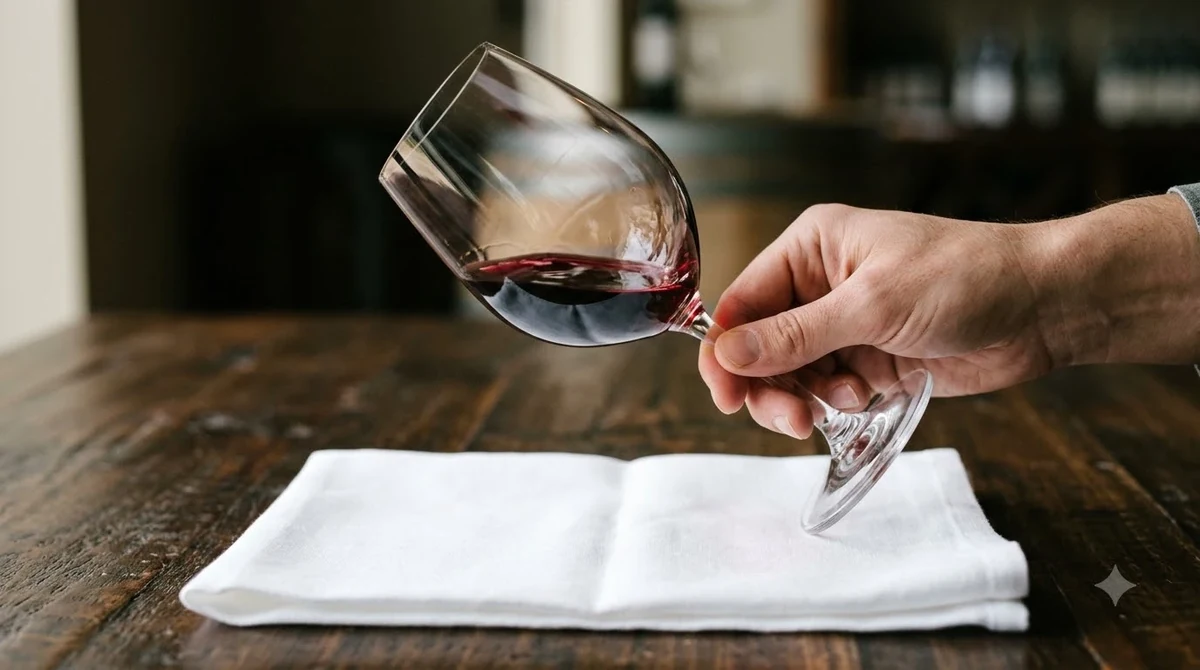
Color can offer another preliminary clue. Pinot Noir is often relatively pale ruby, while Merlot and Cabernet Sauvignon generally have deeper coloration. However, color alone cannot establish sweetness, alcohol level, or exact tannin concentration.
For a more detailed explanation of red wine appearance, aromas, texture, and tasting structure, see the Napa Valley Wine Academy’s red wine tasting chart and guide.
How to Recognize Tannin in Your Mouth
Take a small sip and let the wine coat your mouth. Notice whether your gums and tongue feel dry after swallowing. If they feel slightly rough or puckered, you are probably noticing tannin.
Next, pay attention to acidity. Does your mouth begin producing saliva? That refreshing response is a useful indication of acidity. Finally, consider body: does the wine feel delicate and light or rich and substantial?
These simple observations are more useful than trying to identify every possible aroma immediately. Start with the basic structure, then gradually build your vocabulary.
How to Choose a Dry Red Wine at the Store
Choosing a bottle becomes easier when you use grape variety, region, alcohol percentage, and label descriptions as practical clues. You do not need to recognize every producer or understand complicated wine classifications to make a sensible first purchase.
Start by identifying the style you want. If you prefer light and fresh wine, look for Pinot Noir or Gamay. If you prefer softer, darker fruit, consider Merlot. If you want something richer, try Grenache or Malbec.
Next, consider the region. Climate influences how grapes ripen and can affect alcohol, acidity, tannin, and fruit character. Cooler growing conditions often produce wines with fresher acidity and less pronounced ripe-fruit characteristics. Warmer regions frequently produce wines with riper fruit and a fuller impression.
For example, compare Pinot Noir from Oregon with Pinot Noir from a warmer California growing area. Both can feature cherry and strawberry, but their relative ripeness, body, and acidity may differ. Similarly, Argentine Malbec and French Malbec can offer different expressions of the same grape.
Alcohol percentage is another useful clue. A bottle showing 12.5% ABV may feel lighter than one showing 14.5% ABV, although alcohol alone does not determine body. Tannin, acidity, grape variety, and winemaking choices also contribute.
Descriptions on labels can help narrow your options. Words such as light-bodied, medium-bodied, fresh, soft, and fruit-forward can indicate an approachable style. Terms such as structured, powerful, concentrated, and firmly tannic suggest a more substantial wine.
Build a Simple First-Bottle Shopping Strategy
Rather than buying several bottles of the same grape, consider comparing two different varieties. For example, a Pinot Noir and a Merlot will show you how a lighter red differs from a medium-bodied one.
A useful comparison might include these combinations:
- Pinot Noir and Merlot: Compare red-fruit freshness with darker fruit and a rounder texture.
- Gamay and Grenache: Compare a lighter, lively wine with a richer, spiced fruit profile.
- Merlot and Malbec: Explore the difference between softer tannins and a firmer, fuller structure.
- Pinot Noir and Cabernet Sauvignon: Understand the contrast between lighter tannins and a more powerful red.
It is also helpful to keep short notes about what you enjoy. You might write that you prefer plum over cherry, dislike strong tannins, or enjoy wines with refreshing acidity. Those observations will make future purchases easier.
Tip: For your first two bottles, choose one Pinot Noir and one Merlot. Serve them at the appropriate temperatures and compare their fruit aromas, body, acidity, and tannin. This simple tasting will teach you more about your preferences than buying two nearly identical bottles.
If you want more help understanding labels, regions, grape varieties, and shopping terminology, our Wine Buying Guides provide a useful starting point for exploring different styles.
Food Pairings for Beginner-Friendly Dry Reds
Dry red wines are easier to enjoy with food when you match the wine’s body, acidity, and tannin to the richness and intensity of the dish. Lighter reds generally suit delicate foods, while fuller, more tannic reds work better with richer proteins and substantial flavors.
Pinot Noir is one of the most flexible options for food pairing. Its relatively light tannins and refreshing acidity work well with roasted chicken, turkey, mushrooms, and salmon. The red-fruit character also complements dishes containing herbs and earthy ingredients.
Merlot is a natural partner for burgers, meatloaf, roast chicken, and pasta with tomato-based sauces. Its medium body and softer tannins provide enough structure for flavorful dishes without overwhelming them.
Gamay is particularly enjoyable with pizza, charcuterie, grilled vegetables, and casual meals. Its acidity can complement tomato sauce, while its lighter structure allows the food to remain prominent.
Grenache works well with roasted lamb, grilled vegetables, Mediterranean dishes, and tomato-based stews. Its fruitiness and spice can complement herbs such as rosemary and thyme.
Malbec and Cabernet Sauvignon are particularly useful with grilled beef, steak, and other rich meat dishes. Their firmer tannins interact with the proteins and fat in the food, making the wine feel less astringent.
Basic Pairing Rules Worth Remembering
Several simple principles can help you avoid common pairing mistakes:
- Match weight with weight: Pair light Pinot Noir with delicate chicken dishes and fuller Cabernet Sauvignon with substantial grilled beef.
- Use acidity with rich foods: A wine with refreshing acidity can balance fatty dishes and tomato-based sauces.
- Use fat and salt with tannin: Fatty meats and salty foods can soften the perception of tannins in structured reds.
- Avoid excessive chili heat: Alcohol and tannin can make spicy food feel hotter, so a softer, lower-alcohol wine is generally easier to pair.
- Be careful with oily fish: Strongly tannic reds can clash with oily fish, so Pinot Noir is generally a more suitable starting point.
- Consider sweetness with dessert: A wine served with dessert should generally be at least as sweet as the dessert itself.
Acidity also matters when pairing wine with acidic ingredients. If a dish contains plenty of lemon, vinegar, or tomato, choose a wine with equal or higher acidity so the wine does not taste flat alongside the food.
For a practical first meal, try Pinot Noir with roasted chicken and mushrooms, Merlot with a beef burger, or Gamay with a simple pepperoni pizza. These combinations demonstrate how different red wine structures interact with familiar foods.
Wine professionals also recommend approachable regional styles such as Beaujolais and Grenache for casual meals. Their suggestions are explored in VinePair’s interviews with 14 wine professionals about beginner-friendly reds.
Serving, Storing, and Enjoying Your First Red Wine
Serving temperature can change how a red wine feels, making a noticeable difference to beginners who find some bottles too alcoholic, heavy, or bitter. Light reds generally benefit from cooler serving temperatures than full-bodied reds.
A common mistake is serving every red wine at room temperature. Modern indoor temperatures can be considerably warmer than the traditional cellar conditions associated with that advice. Excessive warmth can make alcohol feel more pronounced and reduce the wine’s freshness.
For a beginner-friendly Pinot Noir or Gamay, aim for approximately 55 to 60 degrees Fahrenheit. Medium-bodied Merlot generally works well around the same range, while fuller-bodied Malbec, Syrah, and Cabernet Sauvignon are usually best around 60 to 65 degrees Fahrenheit.
The following serving temperatures provide a useful reference:
| Wine style | Recommended temperature | Practical guidance |
|---|---|---|
| Light-bodied red | 55–60°F | Pinot Noir and Gamay |
| Medium-bodied red | 55–60°F | Many Merlot and Grenache wines |
| Full-bodied red | 60–65°F | Cabernet Sauvignon, Syrah, and Malbec |
| Light-bodied white | 45–50°F | Fresh, crisp white wines |
| Full-bodied white | 50–55°F | Rich Chardonnay styles |
| Sparkling wine | 40–50°F | Champagne and Cava |
How to Chill Red Wine
If your bottle is too warm, place it in the refrigerator for approximately 20 to 30 minutes before serving. This is particularly useful for Pinot Noir, Gamay, and other lighter reds.
If the wine becomes too cold, allow it to sit in the glass for a few minutes. Its aromas and flavors will gradually become more expressive as its temperature rises.
How Much Wine Should You Pour?
A standard wine serving is approximately 5 ounces. A regular 750-milliliter bottle therefore provides about five standard glasses.
For a tasting involving two or three wines, smaller pours are often more practical. You can compare the wines without filling the glasses completely, and there will be enough room to swirl the wine and release its aromas.
When Should You Decant Red Wine?
Decanting exposes wine to oxygen and can help young, structured reds feel more approachable. A young, full-bodied Cabernet Sauvignon or Malbec may benefit from approximately 30 to 60 minutes in a decanter.
However, not every red wine needs decanting. A light, delicate Pinot Noir or Gamay can be enjoyed directly from the bottle. Excessive aeration may reduce the freshness of delicate wines, so begin by pouring a glass and assessing its aromas and structure.
How to Store an Open Bottle
After opening a bottle, replace its closure and store it in the refrigerator. Even red wines generally last longer when chilled after opening because lower temperatures slow oxidation.
As a general guideline, opened still wines usually remain enjoyable for approximately three to five days, depending on their condition, storage, and exposure to air. Sparkling wines generally last one to three days with an appropriate sparkling-wine stopper, while fortified wines can remain enjoyable for several weeks.
For unopened bottles intended for longer storage, a cool, dark location near 55 degrees Fahrenheit is a useful target. Bottles with natural cork closures are traditionally stored on their sides to help keep the cork from drying out.
Most everyday beginner-friendly reds do not require long-term aging. You can enjoy them when they are young and fresh, which is often when their primary fruit flavors are most expressive.
Frequently Asked Questions
Can dry red wine have a fruity or jammy taste?
Yes. Fruit aromas and flavors do not necessarily indicate residual sugar. A Zinfandel can have pronounced blackberry jam and dark cherry characteristics while remaining dry. The grape’s ripeness and aromatic compounds contribute to those impressions independently of sweetness.
Is red wine made from one grape or several grapes?
Both styles exist. A varietal wine is generally made predominantly from one grape variety, while a red blend combines two or more varieties. Bordeaux-style blends, for example, commonly combine Cabernet Sauvignon, Merlot, Cabernet Franc, Petit Verdot, and sometimes Malbec or other permitted grapes.
Does older red wine always taste smoother?
No. Some structured wines develop softer tannins and more complex aromas with bottle aging, but not every wine is designed to age. Many everyday Pinot Noir and Merlot wines are intended to be enjoyed relatively young. Aging potential depends on the wine’s concentration, acidity, tannin, balance, and production style.
What is the difference between Old World and New World red wine?
Old World generally refers to traditional European wine-producing regions such as France, Italy, and Spain, while New World includes regions such as California, Oregon, Argentina, Chile, and Australia. These terms describe broad winemaking traditions and geographical origins rather than strict flavor categories. Producers in both groups make a wide range of styles, from delicate Pinot Noir to powerful Cabernet Sauvignon.
What does vintage mean on a red wine label?
Vintage identifies the year in which the grapes were harvested, not necessarily the year the bottle was released. Weather conditions during that growing season can influence ripeness, acidity, and overall wine style. Non-vintage wines are blended from grapes harvested in different years to maintain a consistent house style.
The easiest way to develop confidence with dry red wine is to start with approachable grapes, compare their structure, and pay attention to the flavors you genuinely enjoy. Pinot Noir, Merlot, and Gamay offer three distinct introductions before you move toward richer Grenache, Malbec, and Cabernet Sauvignon. Try different regions and food pairings, keep a few tasting notes, and let your preferences guide your next bottle.
More in Wine Buying Guides
 Cheap Red Blend: How to Find a Flavorful Bottle for LessUpdated Nov 20, 2026
 Pinot Grigio Gift: How to Choose a Bottle They’ll EnjoyUpdated Nov 20, 2026
 Best White Wine at Total Wine for Every MealUpdated Nov 20, 2026
 Wine Fridge Replacement Shelves: Find the Right FitUpdated Nov 20, 2026
 Best Sparkling Wine Under 20: Find Bubbles Worth BuyingUpdated Nov 20, 2026
 Best Wine For Birthday Celebrations With Perfect Party PairingsUpdated Nov 20, 2026