

We may earn a commission when you buy through links on this page, at no extra cost to you. Learn more.
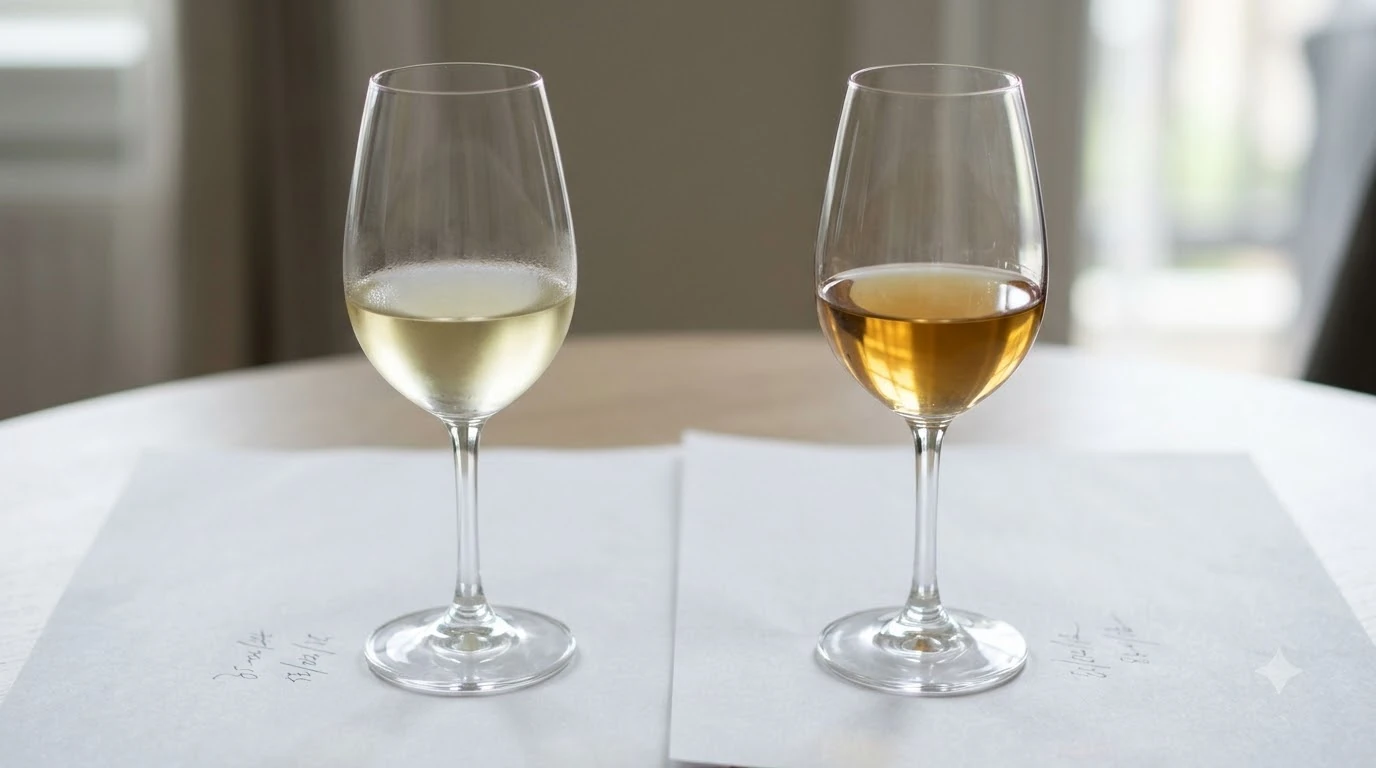
Dry Viognier is a full-bodied white wine with floral aromas, ripe peach and apricot flavors, and little to no noticeable residual sugar. Although its perfume can suggest sweetness, most bottles are fermented until dry. Expect a rounded texture, relatively low acidity, and generous fruit character that makes this aromatic French grape an appealing alternative to Chardonnay.
Viognier offers a distinctive combination of fragrance, richness, and softness. It is particularly interesting for shoppers who enjoy expressive white wines but want something different from the crisp, citrus-driven character of Sauvignon Blanc or the familiar apple, pear, and vanilla notes of Chardonnay. Understanding its growing regions, winemaking choices, and food-pairing strengths makes choosing a bottle considerably easier.
What Dry Viognier Means and Why It Can Taste Sweet
Dry Viognier is white wine made from Viognier grapes that has fermented most or nearly all of its grape sugar into alcohol. Its ripe fruit aromas and rounded mouthfeel can create an impression of sweetness, even when the wine contains very little residual sugar. The distinction between aromatic fruitiness and actual sugar is the most important thing to understand before buying a bottle.
Viognier is traditionally associated with the Northern Rhône Valley of France, particularly Condrieu and Château-Grillet. It is now grown in several international wine regions, where producers make a range of styles. Most commercial Viognier is dry, although some winemakers also produce sweeter expressions from grapes harvested later in the season.
The grape naturally develops considerable aromatic intensity. Peach, apricot, honeysuckle, and orange blossom can make the wine smell almost like a fruit dessert. However, these aromas do not establish how much sugar remains after fermentation. A dry wine can smell like ripe peaches without tasting sugary.
Its relatively low acidity also contributes to this perception. High-acid wines such as Sauvignon Blanc tend to feel crisp and refreshing, while Viognier has a softer, broader sensation across the palate. That roundness can make its fruit seem sweeter than the fruit in a sharper white wine, even when both wines are technically dry.
There is also a difference between a dry Viognier and a late-harvest expression. Later harvesting can increase grape sugar concentration, and producers may retain some sweetness in the finished wine. These bottles are a separate shopping choice rather than the typical style associated with everyday dry Viognier.
Flavor Profile, Aromas, Body, and Acidity
Dry Viognier is recognized for its pronounced floral perfume, stone-fruit flavors, full body, and relatively soft acidity. Its combination of ripe fruit and rich texture makes it more opulent than many lighter white wines, while its aromatic character gives it a distinctive identity.
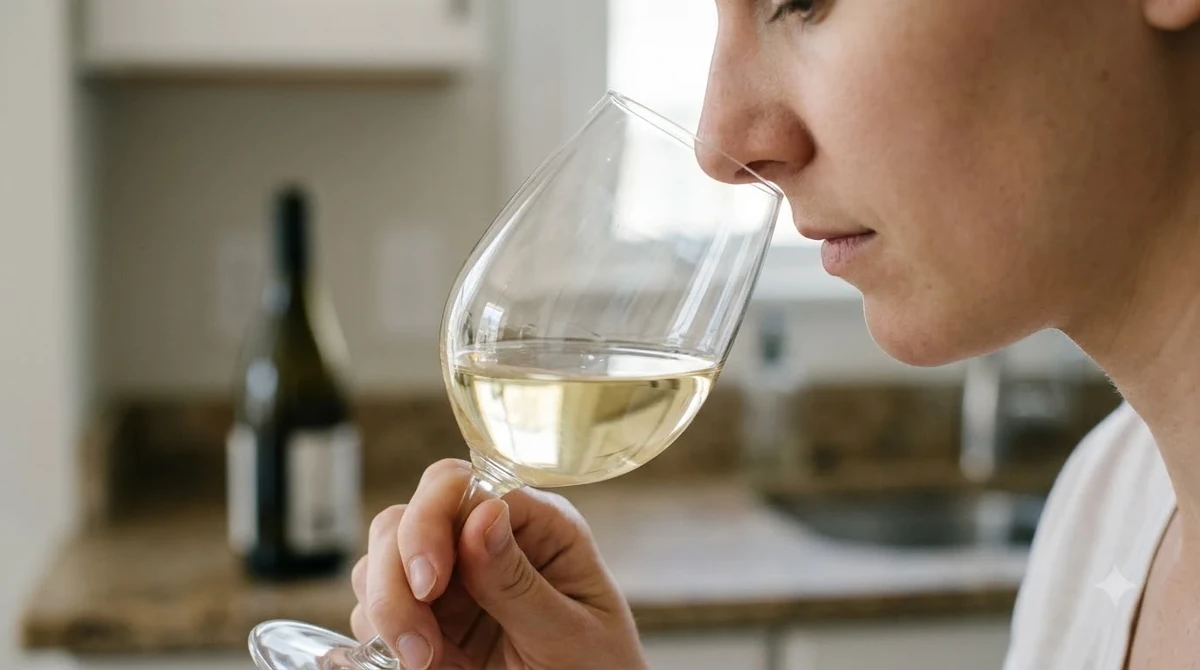
The first impression often comes from the nose. Honeysuckle, jasmine, orange blossom, and violet are common floral references. These aromas may be accompanied by ripe peach, apricot, nectarine, tangerine, and occasionally mango. The precise balance depends on grape ripeness, growing conditions, and winemaking decisions.
On the palate, Viognier generally feels rounded and substantial. Some examples have a slightly oily or creamy texture, especially when the winemaker uses lees contact or barrel aging. The fruit flavors can be concentrated, but a properly balanced wine should still feel defined rather than heavy.
Its acidity is generally low to medium-low compared with varieties such as Sauvignon Blanc and Riesling. This is important because acidity determines much of a white wine’s refreshing character. Viognier tends to emphasize texture and aromatic richness instead of sharp citrus-like freshness.
Alcohol can also be relatively high because Viognier grapes accumulate considerable sugar as they ripen. Warm growing regions can produce wines around 14% alcohol by volume. That additional alcohol contributes to the wine’s weight and warming sensation, making serving temperature particularly important.
Oak treatment introduces another layer of flavor. Unoaked wines emphasize fresh fruit and flowers, while barrel-aged examples can develop vanilla, baking spice, and toasted notes. These characteristics should complement the grape’s natural perfume rather than overwhelm it.
The following profile provides a practical reference when comparing bottles:
| Characteristic | Typical dry Viognier |
|---|---|
| Wine color | Pale gold to medium gold |
| Sweetness | Dry |
| Body | Medium-full to full |
| Acidity | Low to medium-low |
| Tannin | Very low |
| Alcohol | Often around 13–14% ABV |
| Primary fruit | Peach, apricot, nectarine |
| Floral aromas | Honeysuckle, jasmine, violet |
| Oak influence | Optional vanilla and sweet spice |
| Serving temperature | 50–55°F for a fuller white style |
These are general style indicators rather than strict requirements for every bottle. Cooler-climate examples can be more restrained, while warmer-climate wines can emphasize ripe fruit, higher alcohol, and a broader texture. The most successful examples balance these characteristics so that their aromatic intensity remains enjoyable throughout a glass.
Where Dry Viognier Comes From
France’s Northern Rhône Valley is the historic reference point for Viognier, particularly Condrieu and Château-Grillet. International producers in California, Australia, Argentina, and southern France also make dry examples, offering shoppers different expressions of the same grape.
Condrieu, France: Condrieu is one of the most important appellations for understanding this grape. Located on the right bank of the Rhône, its vineyards cover seven communes across the Rhône, Loire, and Ardèche departments. Viognier is the only permitted grape variety in the appellation’s wines.
Condrieu is known for expressive floral aromas, white peach, mango, and apricot. The wines often have a generous texture and considerable aromatic intensity. Their combination of fragrance and richness makes them an excellent reference when learning what Viognier can achieve in its traditional home. The Rhône Valley’s official Condrieu appellation profile provides further information about its seven communes, granite soils, and distinctive wine characteristics.
The grape’s history in the region is particularly interesting. According to the Wine & Spirit Education Trust, worldwide Viognier plantings fell below 10 hectares during the 1960s. Georges Vernay is credited with helping revive the variety in Condrieu, and plantings subsequently expanded into numerous wine-producing countries.
Southern France: The Languedoc is another important source of Viognier. Wines from this broader region can offer approachable expressions with peach, apricot, and honeysuckle aromas. Unoaked versions often emphasize primary fruit, making them useful choices for shoppers who want to explore the grape without a strong barrel influence.
California, United States: California producers make Viognier in a variety of styles. Warm areas can encourage ripe stone-fruit flavors and substantial body, while differences in vineyard conditions and harvesting decisions influence the final balance. Some producers prefer stainless steel to preserve floral freshness, while others use oak to create a broader, more textured wine.
Australia: Australian Viognier is another worthwhile option. The grape has become established in several wine-growing areas, including regions that produce richly aromatic white wines. Depending on the location and producer, bottles may emphasize peach, apricot, floral notes, and a fuller mouthfeel.
Other international regions: Argentina, Chile, Italy, and New Zealand also cultivate Viognier. The international range is useful for shoppers who want to compare different interpretations rather than assuming that every bottle will taste like Condrieu.
When comparing regions, remember that climate is only one part of the picture. Harvest timing, vineyard altitude, water availability, fermentation temperature, and oak use can all influence the final wine. A carefully made bottle from California or Australia can be just as interesting to explore as a traditional French example.
How to Choose a Bottle of Dry Viognier
The best way to shop for dry Viognier is to start with the style you prefer rather than selecting a bottle based only on its country of origin. Look at the producer, region, alcohol level, and winemaking description to determine whether the wine will be fresh and floral or richer and more rounded.
Begin with the label. Viognier may appear as a varietal name on bottles from the United States, Australia, Chile, and other international regions. French bottles may instead emphasize the appellation, with Condrieu being the most recognizable example associated with the grape.
For a first bottle, consider whether you prefer fruit-forward or oak-influenced white wines. Stainless-steel-fermented Viognier generally preserves more of the grape’s original peach, apricot, and floral aromas. This approach is useful if you want to understand the variety’s natural personality without additional vanilla or toasted flavors.
Oak-aged Viognier is a better starting point for someone who enjoys fuller Chardonnay styles. Barrel aging can contribute vanilla, spice, and additional texture. New oak tends to have a more pronounced influence, while older barrels can provide a subtler result.
Alcohol percentage offers another useful clue. Viognier from warm growing areas can reach approximately 14% ABV. A higher alcohol level can contribute to a richer, warmer sensation, so shoppers who prefer lighter white wines may want to compare bottles with lower stated alcohol levels.
Producer information is particularly useful because two wines from the same country can have noticeably different styles. One may be fermented in stainless steel and bottled relatively young, while another may undergo barrel aging and extended lees contact. These decisions can matter as much as regional origin.
Three useful shopping styles
Fresh and floral: Look for unoaked examples, particularly from the Languedoc or producers who emphasize stainless-steel fermentation. Expect expressive honeysuckle, peach, and apricot without prominent vanilla or toast.
Rich and textured: Consider barrel-aged Viognier or bottles from warmer regions. These wines may offer more concentrated fruit, a broad palate, and additional spice from oak maturation.
Traditional and complex: Explore Condrieu if you want to understand the classic Northern Rhône expression. Its appellation rules, distinctive terroir, and exclusive use of Viognier make it an especially interesting reference point.
It can also help to compare Viognier with other dry white wines before making a purchase. Chardonnay generally offers more versatility in acidity and oak expression, while Sauvignon Blanc is usually much sharper and more citrus-driven. Viognier is the more aromatic, softer, and often fuller-bodied option.
Tip: If you are buying Viognier for the first time, start with an unoaked bottle. Its peach, apricot, and honeysuckle aromas will make the grape’s natural character easier to recognize before you explore barrel-aged versions.
For additional shopping comparisons, explore our Wine Buying Guides. If you enjoy richer red wines, comparing its soft texture with dry Merlot can also help clarify how body, tannin, and acidity differ between red and white varieties.
How to Serve and Store Dry Viognier
Dry Viognier is best served chilled but not excessively cold, with approximately 50–55°F working well for fuller-bodied examples. This temperature preserves refreshing qualities while allowing the wine’s floral aromas and ripe fruit flavors to become more expressive.
Serving temperature matters because excessive chilling can suppress aromatic intensity. Since Viognier is particularly dependent on its perfume, serving it directly from a very cold refrigerator may make the wine seem less expressive. Allow it to warm slightly in the glass if its aromas initially seem muted.
Choose a standard white wine glass with a moderately wide bowl. The shape provides enough room for the wine’s aromas to collect while making it easy to swirl gently. A Chardonnay-style glass is a practical choice for fuller Viognier, although a standard white wine glass is perfectly suitable.
Most young Viognier does not require decanting. Opening the bottle shortly before serving is generally sufficient to let its aromas emerge. Older or particularly structured examples may benefit from a short period of aeration, but extended decanting is rarely necessary for everyday bottles.
Storage should follow the same basic principles used for other quality white wines. Keep unopened bottles away from direct sunlight, temperature fluctuations, and heat sources. A cool, dark storage area near 55°F is a practical target. Bottles with natural corks should generally be stored on their sides to keep the cork from drying out.
Once opened, close the bottle securely and refrigerate it. Most still wines remain enjoyable for approximately three to five days when stored properly, although Viognier’s aromatic character can become less vivid before the wine becomes undrinkable.
Decanter notes that Viognier can develop oily and slightly bitter characteristics as it ages, while the Rhône Valley wine organization also identifies the grape’s sensitivity to oxidation during winemaking. For everyday enjoyment, buying a bottle intended for relatively early consumption is often a sensible approach.
If you are serving several guests, a standard 750 ml bottle provides approximately five glasses when each serving is 5 oz. This makes it easy to plan quantities for a dinner party or a small tasting featuring Viognier alongside another white wine.
Best Food Pairings for Dry Viognier
Dry Viognier pairs particularly well with roasted poultry, shellfish, creamy sauces, and moderately spiced dishes. Its full body and aromatic fruit complement richly flavored food, while its relatively soft acidity makes it better suited to balanced dishes than intensely acidic preparations.
Roast chicken is one of the most reliable matches. The wine’s peach and apricot notes complement the savory flavors of roasted poultry, while its body stands up to crisp skin and a richer preparation. Chicken with rosemary, thyme, lemon, or garlic is especially suitable.
Turkey is another good option, particularly when served with herb-based seasoning or a creamy sauce. Pork can work well too, especially roasted pork tenderloin or pork prepared with apricot, peach, or mild spice-based glazes. The fruit character creates a natural connection between the wine and the dish.
Seafood offers several possibilities. Shrimp, crab, lobster, and scallops have enough flavor and texture to complement Viognier without overpowering its floral aromas. Pan-seared scallops with butter, roasted shrimp with garlic, and crab dishes with mild herbs are particularly appealing combinations.
However, preparation matters. Delicate fish served with lemon and a sharply acidic dressing may make Viognier seem flat. Similarly, oily fish with strong flavors can be challenging for a rich, low-acid white wine. For seafood, preparations with butter, cream, mild herbs, or gentle spices are generally more suitable.
Indian and Thai dishes can also work when the heat is moderate. Viognier’s aromatic fruit and rounded texture complement coconut-based sauces, mild curry spices, and fragrant herbs. Choose versions with manageable chili heat because high alcohol can amplify the sensation of spiciness.
Cheese pairings are worth exploring as well. Soft cheeses, mild goat cheese, and creamy cheeses can complement the wine’s body. Avoid very sharp, intensely acidic preparations that could overwhelm its softer structure.
Pairing by cooking style
Roasted food: Pair herb-roasted chicken, turkey, or pork with a fuller-bodied Viognier. The roasted flavors complement the wine’s ripe fruit character.
Creamy dishes: Try scallops in cream sauce, chicken Alfredo, or mushroom risotto. The wine’s rounded texture makes it a natural match for rich preparations.
Lightly spiced dishes: Coconut chicken curry, mild Thai dishes, and aromatic vegetable preparations can work particularly well. Avoid preparations with excessive chili heat.
Fruit-based dishes: Apricot-glazed pork and peach-based savory sauces can echo the grape’s stone-fruit aromas. For dessert, remember that the wine should be at least as sweet as the food; a typical dry Viognier is therefore not a dependable match for very sweet desserts.
Acidity is another important consideration. Highly acidic ingredients, such as a generous amount of lemon juice or vinegar, can make a softer wine seem less lively. For better results, use these ingredients moderately and provide complementary richness through olive oil, butter, or cream.
For a broader comparison of dry wine styles at the dinner table, you can also explore dry Cava. Its sparkling texture and higher acidity offer a useful contrast with Viognier’s fuller body and softer palate. Shoppers who enjoy comparing structured wines can also read about dry Malbec and how red-wine tannins influence food pairing.
Frequently Asked Questions
Is dry Viognier suitable for someone who dislikes Chardonnay?
Yes. Viognier can be a good alternative because its main aromatic characteristics are honeysuckle, apricot, peach, and jasmine rather than Chardonnay’s familiar apple, pear, and citrus profiles. However, both varieties can produce fuller-bodied, oak-aged wines, so the production style still matters.
How do you pronounce Viognier?
Viognier is commonly pronounced VEE-oh-nyay. The name comes from French, and the pronunciation can initially seem unfamiliar to English-speaking wine shoppers. Knowing the pronunciation can make it easier to ask for the variety at a wine shop or restaurant.
Can Viognier be used to make red wine?
Viognier is a white grape, but it can be co-fermented with Syrah to produce certain Northern Rhône red wines. Côte-Rôtie is a well-known example of an appellation where this traditional practice is permitted. The white grape can contribute floral aromatic complexity to the resulting red wine.
Is Condrieu always made from Viognier?
Yes. Condrieu is a Northern Rhône appellation whose wines are made exclusively from Viognier. Its seven-commune production area is particularly associated with the grape’s traditional floral and stone-fruit character. This makes the appellation an important reference when comparing international Viognier wines.
Does Viognier work in a white wine blend?
Yes. Viognier can contribute aromatic intensity and body to blends containing other white grapes, including Rhône varieties such as Marsanne and Roussanne. Its floral perfume can make a blend more expressive, while its texture can add weight to the finished wine.
Dry Viognier is an excellent choice for wine drinkers who enjoy aromatic whites with ripe fruit, floral character, and a fuller mouthfeel. Start with an unoaked bottle to understand its natural flavors, then explore barrel-aged examples and traditional Condrieu to discover how much variety this grape offers. With the right serving temperature and food pairing, it can be a memorable alternative to more familiar white wine varieties.
More in Wine Buying Guides
 Cheap Red Blend: How to Find a Flavorful Bottle for LessUpdated Nov 20, 2026
 Pinot Grigio Gift: How to Choose a Bottle They’ll EnjoyUpdated Nov 20, 2026
 Best White Wine at Total Wine for Every MealUpdated Nov 20, 2026
 Wine Fridge Replacement Shelves: Find the Right FitUpdated Nov 20, 2026
 Best Sparkling Wine Under 20: Find Bubbles Worth BuyingUpdated Nov 20, 2026
 Best Wine For Birthday Celebrations With Perfect Party PairingsUpdated Nov 20, 2026