

We may earn a commission when you buy through links on this page, at no extra cost to you. Learn more.
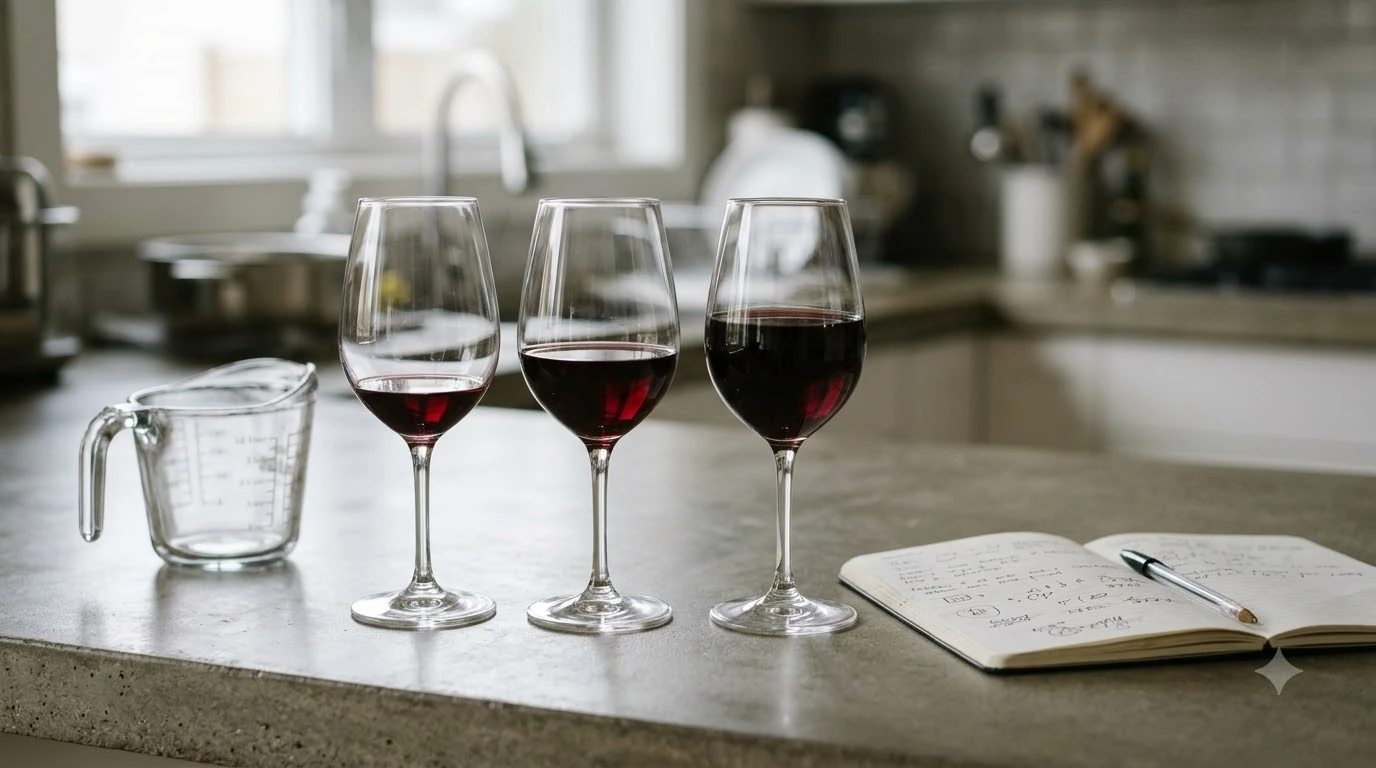
The standard shiraz sweetness level is dry, meaning most bottles contain between 1 and 10 grams of residual sugar per liter (g/L) and finish with almost no perceptible sugar. While traditional Australian and Old World expressions ferment completely dry, mass-market value bottles often retain 10 to 15 g/L of residual sugar to soften tannins, and specialty sweet styles can climb above 50 g/L. Ripe dark fruit flavors like blackberry and plum frequently trick drinkers into perceiving sweetness even when a wine is chemically dry.
Understanding how sugar, alcohol, and fruit ripeness interact makes it much easier to pick the exact style of Shiraz you want at the shop. Whether you crave a bone-dry, peppery red for steak night or a plush, fruit-forward bottle for backyard barbecue, knowing what sits behind the label prevents surprises on the first sip.
What Shiraz Sweetness Level Actually Means
In winemaking, sweetness is measured by residual sugar (RS)—the natural grape sugars (glucose and fructose) left behind after yeast finishes converting sugar into alcohol. Because almost all Shiraz is fermented to dryness, the baseline red wine sweetness level for this grape sits firmly in the dry category, typically registering around 1 to 4 g/L of residual sugar in classic expressions.
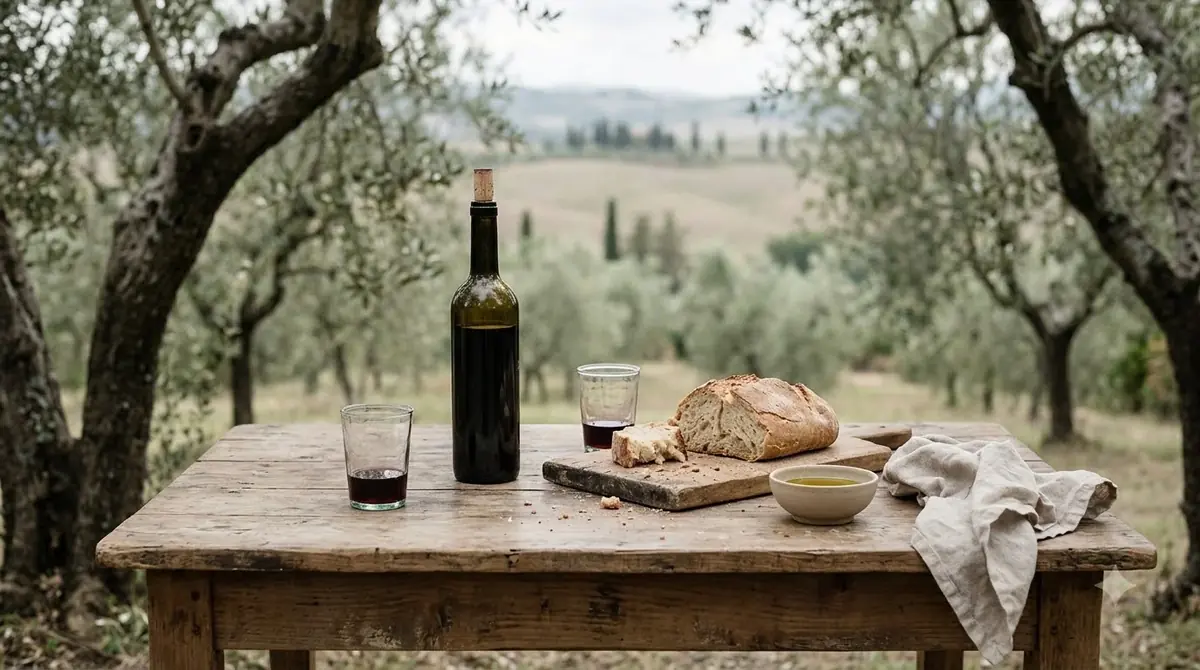
Even in a completely dry fermentation, trace amounts of unfermentable sugars remain in the liquid, usually around 0.3 to 2 g/L. According to Wine Folly, dry-tasting wines contain up to 10 grams of sugar per standard 750 mL bottle. At this concentration, the human palate rarely registers actual sugar; instead, structural components like firm tannins, brisk acidity, and warming alcohol dominate the impression.
Confusion happens because Shiraz is famous for exuberant, sun-drenched fruit character. When grapes hang longer on the vine in warm climates, they accumulate high sugar levels that yeast turns into higher alcohol—often 14% to 15.5% ABV—alongside jammy blackberry, blueberry, and plum aromas. Your brain associates ripe fruit aromas and higher alcohol viscosity with sweetness, creating the illusion of a sweet wine even when the lab sheet shows near-zero residual sugar.
Shiraz Sweetness Spectrum and Styles
Not every bottle labeled Shiraz follows the classic dry blueprint, as winemakers across different price tiers and regions adjust fermentation to match distinct consumer preferences. You can encounter everything from savory, bone-dry reds to intentionally sweet, fruit-bomb bottlings on the same retail shelf.
| Shiraz Style | Sweetness Category | Residual Sugar (g/L) | Typical ABV | Taste Impression |
|---|---|---|---|---|
| Classic / Old World Syrah | Bone-Dry to Dry | 0.3–3 g/L | 13%–14% | Savory, peppery, firm tannins, tart dark berries |
| Benchmark Australian Shiraz | Dry | 1–4 g/L | 14%–15.5% | Plush black fruit, baking spice, dark chocolate, velvety |
| Commercial / Value Shiraz | Dry to Off-Dry | 10–15 g/L | 13.5%–14.5% | Soft mouthfeel, jammy fruit, muted astringency |
| Specialty Sweet Shiraz | Medium-Sweet to Sweet | 50–60+ g/L | 11%–13% | Rich berry compote, syrupy texture, low perceived tannin |
Benchmark dry Shiraz from regions like South Australia’s Barossa Valley or McLaren Vale relies on concentrated grape skin extract and oak aging rather than sugar for its plush texture. Reviewers at Wine Enthusiast note that these warmer-climate styles deliver lush, fruit-forward flavors alongside smoked meat, black pepper, and vanilla notes while remaining structurally dry.
At the budget-friendly end of the market, many widely distributed bottles retain a subtle touch of residual sugar—commonly between 10 and 15 g/L. Winemakers stop fermentation slightly early or add a small dose of grape concentrate to round out harsh tannins from younger vines, giving the wine an immediately approachable, velvety mid-palate. At the far end of the spectrum, niche producers craft deliberately sweet Shiraz (such as Jam Jar, which sits around 57 g/L of residual sugar) specifically for drinkers who prefer pronounced berry sweetness over dry tannic grip.
Climate and Winemaking Factors Behind Sweetness
Shiraz and Syrah are the exact same grape variety, yet the name on the label usually signals two distinct climatic philosophies that directly shape how dry or rich the finished wine feels. Geography, sunshine hours, and cellar decisions all dictate how much sugar the grape develops before harvest and what happens to it in the tank.
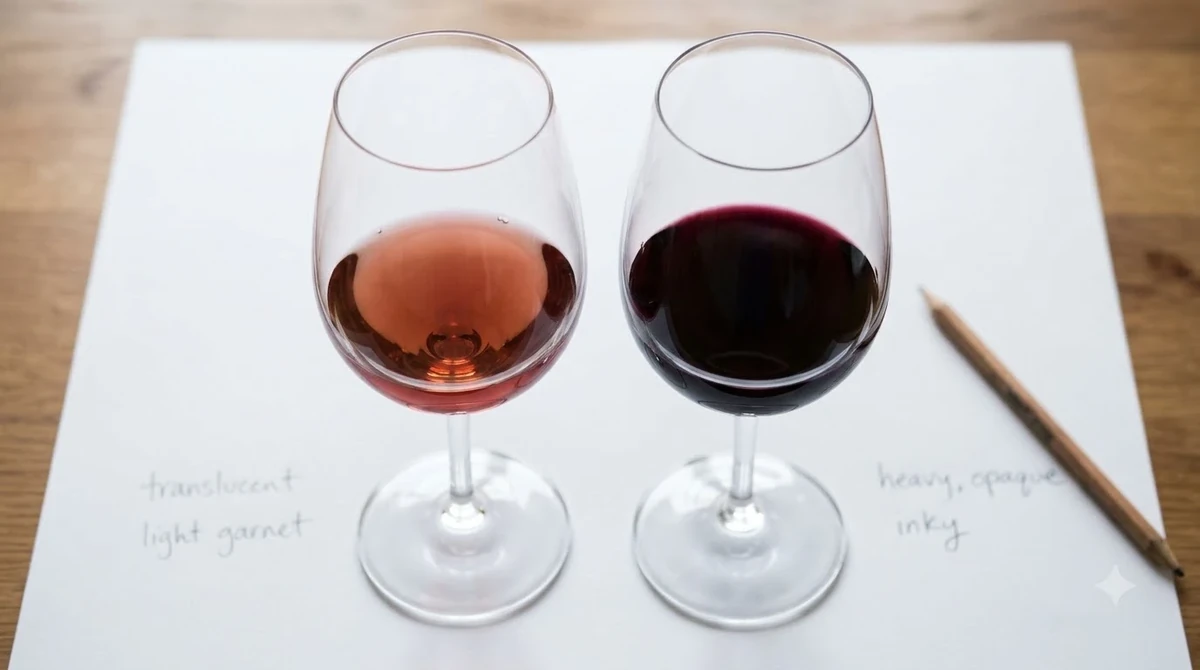
In cooler climates—such as France’s Northern Rhône Valley, Washington State, or higher-elevation Australian sites—grapes ripen slowly and retain higher natural acidity. Winemakers typically label these bottles Syrah, fermenting them completely dry to highlight savory notes of black pepper, violet, cured meat, and graphite. Because sugar accumulation at harvest is moderate, finished alcohol usually stays between 13% and 14% ABV, keeping the wine crisp and restrained.
In warmer, sunnier regions like Barossa Valley, Hunter Valley, or California’s Paso Robles, intense sunlight pushes grape sugars much higher during the growing season. Yeast converts that abundant sugar into elevated alcohol—frequently reaching 14.5% to 15.5% ABV—and generous glycerol, which coats the palate with a sweet-seeming fullness. Aging in American oak barrels further amplifies this sensation by imparting compounds like vanillin and lactones, giving dry Shiraz notes of coconut, vanilla bean, and mocha that mimic pastry sweetness without adding a single gram of sugar.
How to Serve Shiraz for Balanced Flavor
Serving temperature plays a surprisingly big role in how sweet, alcoholic, or balanced a glass of Shiraz tastes. While conventional wisdom suggests serving red wine at room temperature, modern homes and dining rooms are often too warm for full-bodied, high-alcohol reds.
The ideal serving range for Shiraz is slightly below room temperature, between 60°F and 65°F (15°C to 18°C). If you pour a 15% ABV Shiraz at 72°F or warmer, the alcohol volatilizes quickly, creating a hot, burning sensation on the nose and emphasizing any trace residual sugar in a cloying way. Conversely, serving the bottle straight from a 38°F kitchen refrigerator mutes the lush blackberry aromatics and makes the tannins taste overly astringent and bitter.
Tip: Put a room-temperature bottle of Shiraz in the fridge for 15 to 20 minutes before opening to hit the sweet spot around 62°F, and decant young bottles for 30 to 60 minutes to soften firm tannins.
Food Pairing by Shiraz Sweetness Level
Matching Shiraz with food works best when you align the weight and subtle sweetness of the wine with the char, fat, and seasoning on your plate. Because most Shiraz is dry with bold tannins and dark fruit, it thrives alongside hearty, protein-rich dishes that tame its structure.
- Bone-dry, peppery Syrah/Shiraz (0.3–3 g/L RS): Pair with herb-crusted rack of lamb, grilled ribeye, venison, or wild mushroom ragù. The wine’s brisk acidity cuts through rich animal fat while its black pepper notes echo savory pan-seared crusts.
- Plush, fruit-forward dry Shiraz (1–4 g/L RS): Serve alongside smoky barbecued brisket, slow-cooked beef short ribs, or bacon cheeseburgers. The ripe blackberry and plum character complements caramelized meat glazes without clashing.
- Off-dry commercial Shiraz (10–15 g/L RS): Reach for sweet-and-tangy barbecue pork ribs, teriyaki-glazed skewers, or aged gouda and cheddar. That slight touch of residual sugar bridges the gap with sweet-savory marinades that would otherwise make a bone-dry wine taste bitter.
- Sweet Shiraz (50+ g/L RS): Serve lightly chilled with dark chocolate desserts, blue cheese boards, or spiced fruit tarts.
If you are hosting guests with mixed palates and want a white or sparkling alternative alongside your red, exploring different Wine by Type—such as checking the pinot grigio sweetness level for crisp dry white drinkers or the prosecco sweetness level for sparkling fans—helps round out the table.
How to Spot a Dry vs. Sweet Bottle at the Shop
Because wineries are not legally required to print nutrition panels or residual sugar numbers on front labels, learning to read subtle label clues is the fastest way to gauge sweetness before buying. A quick check of the alcohol percentage, regional origin, and back-label descriptors will tell you almost everything you need to know.
Start by checking the ABV printed in small text near the bottom of the label. In general, Shiraz sitting at 14% to 15.5% ABV has fermented nearly all of its natural grape sugar into alcohol, meaning it will taste dry and full-bodied. Bottles labeled at 11% to 12.5% ABV—especially from warm regions where grapes naturally ripen to high sugar levels—often indicate that fermentation was halted early, leaving noticeable residual sugar behind.
Next, scan the back label and regional appellation. Specific sub-regions like Barossa Valley, McLaren Vale, Clare Valley, or Côte-Rôtie almost exclusively produce dry wines. Broad, multi-regional labels (such as “South Eastern Australia”) paired with tasting notes mentioning “jammy,” “smooth,” “sweet berry,” or “crowd-pleasing” frequently signal an off-dry style with 10 to 15 g/L of residual sugar. When in doubt, search the wine’s vintage plus “tech sheet” on your phone—many producers publish exact residual sugar in grams per liter online.
Frequently Asked Questions
Is Shiraz a dry or sweet red wine?
Shiraz is almost always a dry red wine, typically containing between 1 and 4 grams of residual sugar per liter. While its ripe blackberry, plum, and vanilla oak flavors can create an impression of richness, very little actual sugar remains after fermentation. Only a small niche of commercial and specialty bottles are produced in off-dry or sweet styles.
How much sugar is in a glass of dry Shiraz?
A standard 5-ounce glass of dry Shiraz contains roughly 0.15 to 1.5 grams of sugar, depending on the exact residual sugar level of the vintage. Even an off-dry value bottle at 12 g/L of residual sugar delivers less than 2 grams of sugar per 5-ounce pour. Specialty sweet Shiraz styles at 50+ g/L can contain 7 grams or more per glass.
Why does Australian Shiraz taste sweeter than French Syrah?
Australian Shiraz grows in warmer, sunnier climates like Barossa Valley, allowing grapes to develop riper jammy fruit flavors, higher alcohol (14.5% to 15.5% ABV), and softer tannins. Producers also frequently age Shiraz in American oak barrels, which add sweet-smelling vanilla and chocolate notes. French Syrah from the cooler Northern Rhône emphasizes savory pepper, earth, and brisk acidity, even when both wines have identical residual sugar.
How can I tell if a bottle of Shiraz is sweet before opening it?
Check the alcohol by volume (ABV) and regional designation on the label. Bottles at 14% ABV or higher from named regions like Barossa Valley or McLaren Vale are virtually always dry. A lower ABV around 11% to 12.5%, broad regional labeling, or words like “sweet red” on the back label indicate higher residual sugar.
Checking the ABV and regional origin takes only a few seconds in the wine aisle, yet it reliably separates crisp, peppery bottles from lush, off-dry crowd-pleasers. Once you know how residual sugar, ripe fruit, and oak influence the glass, you can match the exact style of Shiraz to whatever is on your dinner menu.
More in Wine Types & Grapes
 Zinfandel Sugar Content: Dry Red vs. White Zinfandel GramsUpdated Nov 21, 2026
 Best Zinfandel Substitute Options for Sipping and CookingUpdated Nov 21, 2026
 Zweigelt Food Pairing: Best Dishes, Cheeses, and Serving TipsUpdated Nov 21, 2026
 Zinfandel Tannins Explained: How Structure Shapes Every BottleUpdated Nov 21, 2026
 Zinfandel Sweetness Level: Dry Red vs. Sweet White Zin ExplainedUpdated Nov 21, 2026
 Xinomavro Food Pairing: Best Dishes, Styles, and Serving TipsUpdated Nov 21, 2026