


We may earn a commission when you buy through links on this page, at no extra cost to you. Learn more.
For zonin prosecco tasting notes, expect a dry, fresh Prosecco with citrus and almond, delicate bubbles, and a pale straw color. The nose can suggest green apple and white flowers, while the palate stays light, lively, and gently aromatic. It is an easygoing Italian sparkling wine for aperitifs, seafood, pizza, and relaxed meals.
Zonin Prosecco is best understood as a bright, fruit-led sparkling wine rather than a rich, yeasty bottle built for long aging. Its appeal comes from a clean balance of fresh fruit, brisk lift, a soft almond finish, and enough sparkle to refresh the palate without dominating food. The details below explain what to look for in the glass, why the style tastes this way, and how to serve and pair it well.
Zonin Prosecco Flavor Profile: Citrus, Apple, and Almond
Zonin Prosecco has a pale straw-yellow appearance, a dry and pleasantly fruity palate, and a finish marked by fresh citrus and almond. The producer’s US product description also notes subtle green hues, persistent bubbles, and a generous mousse, giving the wine a lively first impression without suggesting a heavy texture.
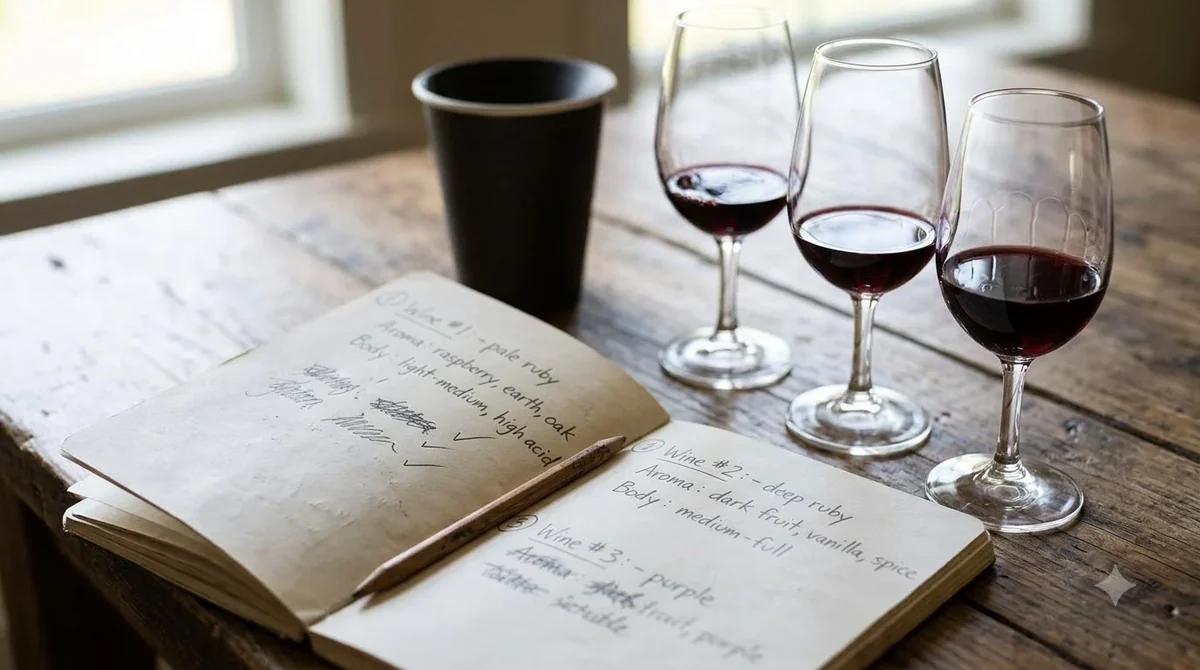
On the nose, look for fresh citrus and apple-like fruit, with a light floral impression behind them. Wine Enthusiast’s review of Zonin NV Glera Prosecco describes green apple, lemon drops, and white flowers, then emphasizes the balance between fruit and freshness. Those notes fit the style of a classic Glera-based sparkling wine: aromatic enough to be inviting, but not so perfumed that the fruit becomes overpowering. The exact balance can shift slightly from bottling to bottling, so think of apple, lemon, and white flowers as a useful tasting map rather than a promise that every glass will show identical aromas.
The first sip is generally brisk and uncomplicated. Fresh citrus gives the wine its clean outline, while pear or green-apple impressions can make the middle of the palate seem rounder than the word dry might suggest. The finish often turns toward almond, a familiar Glera-associated note that adds a faintly savory edge to the fruit. It is not the same as the strong toasted-nut character found in some bottle-fermented sparkling wines; here, almond is a delicate accent rather than the main event.
Texture matters as much as flavor. Persistent perlage, or streams of bubbles, keeps the wine animated, while the mousse gives the first pour a soft foamy impression. The result is refreshing rather than creamy or weighty. Drinkers who prefer strong toast, brioche, or pastry aromas may find Zonin relatively straightforward; those who enjoy citrus, orchard fruit, and a light almond finish will appreciate its directness. For comparison, see our La Marca Prosecco tasting notes, Chloe Prosecco tasting notes, and Mionetto Prosecco tasting notes.
Floral Aromas and the Shape of the Finish
Beyond citrus and apple, Zonin’s Prosecco family is associated with wisteria and delicate white-flower aromas, followed by a soft almond note. These details give the wine more character than a simple description such as “crisp bubbles” can convey, while keeping the overall profile fresh and accessible.
The producer’s UK page for its DOC Brut describes wisteria flowers and Rennet apples on the nose, citrus fruit on the palate, and almond overtones. The US product description for Zonin Prosecco uses a slightly broader description, emphasizing fresh citrus, almonds, and an aromatic finish. Taken together, these producer notes point to a floral-fruit combination rather than a tropical or heavily ripe style. Rennet apple is an old apple variety with a tart, gently aromatic character; in a tasting note, it suggests crisp orchard fruit rather than candy-like apple sweetness.
Try separating the wine into three stages: smell before swirling, take a small sip, then pause after swallowing. Notice whether citrus or flowers appear first, how the brisk opening gives way to softer fruit, and whether almond or citrus peel remains on the finish. A deliberate pause helps reveal the transition.
Temperature and glass shape also affect the aromas. An extremely cold pour can mute the floral side, while a little warmth in the glass can make apple, citrus, and flower notes easier to distinguish. A tulip-shaped glass gives aromas more room than a narrow flute.
Glera and the Charmat Method Behind the Bubbles
Glera is the principal grape behind Prosecco DOC, and the Charmat method helps preserve its fresh, floral, fruit-forward character. Zonin’s DOC Brut description identifies Glera and Charmat fermentation, while the Prosecco DOC regulations set the grape and production framework for wines carrying the denomination.

Glera is known for relatively delicate aromas that can include apple, pear, citrus, and white flowers. The Consorzio Tutela Prosecco DOC explains that the denomination is based on Glera, while allowing a limited contribution from other permitted grapes in specified proportions. Under the DOC rules, those other varieties may account for up to 15 percent in standard Prosecco. That rule describes the denomination as a whole; it should not be mistaken for a laboratory breakdown of a particular Zonin bottle. For shoppers, the useful point is that Prosecco DOC has a defined grape framework, not simply a generic Italian sparkling-wine name.
Charmat production makes the second fermentation happen in pressurized stainless-steel tanks, rather than inside each individual bottle. The base wine is first fermented into a still wine; it is then moved to a sealed tank with yeast and fermentable sugar, where a second fermentation creates carbon dioxide. Because the bubbles remain trapped in the tank, they dissolve into the wine before bottling under pressure. This method is well suited to preserving primary fruit and floral notes, which is why the glass tends to emphasize fresh apple, citrus, and flowers rather than layers of baked bread.
That production choice does not mean the wine is unfinished; it means the winemaking aims at a different style. Champagne and Cava develop their bubbles in the bottle and can show more pronounced lees-derived flavors, such as toast and brioche. Charmat-made Prosecco generally foregrounds grape character, freshness, and immediate drinkability, which suits Zonin’s light texture and aromatic clarity.
Dryness, Acidity, Alcohol, and Bubble Texture
Zonin’s US product page describes the wine as dry, pleasantly fruity, and fresh on the finish, with 11 percent alcohol by volume in a 750-milliliter bottle. Its fruit aromas can make the wine seem round or softly ripe, but fruitiness alone does not mean the wine is sweet.
Dryness refers to the amount of residual sugar left after fermentation, while acidity describes the mouthwatering freshness that helps a wine feel bright. These are separate features: a wine can be dry and still taste fruity, just as a wine with noticeable acidity can have some sweetness. Prosecco labels use several sweetness terms, and their order can surprise shoppers. From driest to sweetest, the common sparkling-wine sequence is Brut Nature, Extra Brut, Brut, Extra Dry, Dry, Demi-Sec, and Doux. Extra Dry is therefore sweeter than Brut, despite the name. The US Zonin product description says “dry” but does not give a residual-sugar figure, so the safest reading is the producer’s stated dry, fruit-forward profile rather than an invented laboratory measurement.
Acidity is a major reason this style feels refreshing with food. The Prosecco DOC production regulations set a minimum total acidity of 4.5 grams per liter for sparkling Prosecco, but that is a denomination threshold, not a measured result for this specific bottle. In the glass, acidity works with carbonation to clear the palate after salty or lightly rich foods. It can also make citrus and green-apple impressions seem more pronounced, especially when the wine is served cold.
The bubbles add lift without making the wine heavy. At 11 percent ABV, a 750-milliliter bottle yields about five standard 5-ounce pours, a practical format for a small gathering. Prosecco DOC allows several sweetness levels, from Brut Nature through Demi-Sec, and producers may make multiple versions; Zonin’s DOC Brut and its US-listed Zonin Prosecco should not automatically be treated as identical labels. The US listing describes its wine as dry and pleasantly fruity without giving a residual-sugar figure.
| Detail | Zonin Prosecco reference | What it means in the glass |
|---|---|---|
| Appellation | Prosecco DOC | A defined Italian origin and production standard |
| Alcohol | 11% ABV | Moderate strength for a sparkling wine |
| Bottle size | 750 ml | About five 5-ounce pours |
| Color | Pale straw yellow with subtle green hues | A bright, youthful appearance |
| Producer tasting notes | Dry, fruity, citrus, almond | Fresh fruit with a gently nutty finish |
| Suggested serving | 6–8°C (43–46°F) | Cold enough to feel crisp while retaining aroma |
How to Serve Zonin Prosecco at Its Best
Serve Zonin Prosecco well chilled, around 6–8°C (43–46°F), and pour it into a tulip-shaped glass when aroma matters. That temperature sits inside the usual 40–50°F range for sparkling wine and keeps the bubbles lively without flattening the fruit into a purely cold sensation.
Chill the bottle in the refrigerator ahead of time, or use an ice bucket with ice and water to cool it more quickly. Avoid leaving it in a freezer for an extended period. Once opened, keep the bottle cold and use a sparkling-wine stopper to retain the carbon dioxide that gives the wine its persistent perlage.
Glass choice changes what you notice. A flute preserves a narrow stream of bubbles and can work for a quick toast, but the Prosecco DOC consortium recommends a fairly large tulip-shaped glass because it gives aromas more room to emerge. A white-wine glass with a modest bowl is also a useful home option. Fill it only partway, leaving space above the wine so you can smell the citrus, apple, and floral notes as the bubbles rise.
Tip: Pour a small first taste at refrigerator temperature, then let the wine sit for 2–3 minutes. The slight rise in temperature can make apple, citrus, and floral aromas easier to recognize while the wine stays refreshing.
Open the bottle shortly before serving. Reseal leftovers with a sparkling stopper and refrigerate promptly; sparkling wine generally keeps its best mousse for about 1–3 days after opening. A standard 5-ounce pour works well at the table, while smaller tastes help guests compare several wines.
Food Pairings: Aperitifs, Seafood, Pizza, and Dessert
Zonin Prosecco is most at home with dishes that are fresh, salty, lightly rich, or gently savory. The bubbles and acidity refresh the palate, while the citrus and almond notes complement foods that do not overwhelm the wine with heavy sauces or intense spice.
For an aperitif, try salted almonds, olives, bruschetta, or mild cheeses. The almond note echoes toasted nuts, while acidity and bubbles balance salt and oil. Caprese salad is another natural match: tomato, mozzarella, and basil offer freshness, creaminess, and herbal notes without overwhelming the wine.
Seafood is a strong direction. Zonin’s US product description suggests crab cakes and pan-seared salmon with lemon and basil; both preparations bring savory flavor while citrus keeps the pairing lively. Pizza and pasta also work when toppings are not too intense. Try Margherita or vegetable pizza, or chicken pesto with angel hair pasta, where basil connects with the wine’s floral side and the bubbles refresh after the pesto’s oil.
For dessert, choose fresh fruit, a not-too-sweet almond cookie, or a simple fruit tart rather than dense chocolate cake. A wine should be at least as sweet as the dessert, so very sugary pastries can make dry Prosecco seem sharper by comparison. With spicy dishes, keep the heat mild: alcohol can intensify chili sensations, making spring rolls or gently seasoned shrimp better choices than dishes with very hot sauces.
Frequently Asked Questions
These quick answers cover a few practical points that often come up when choosing a bottle of Zonin Prosecco, from the meaning of DOC to cocktail use and the difference between white and rosé versions.
What does Prosecco DOC mean on the Zonin label?
DOC stands for Denominazione di Origine Controllata, an Italian designation that links a wine to a defined production area and rulebook. For Prosecco DOC, the rules cover the permitted growing provinces, grape varieties, production methods, and minimum analytical standards. The designation is not a sweetness rating or a score of how good an individual bottle tastes.
Can Zonin Prosecco be used in a Bellini?
Yes. A Bellini combines Prosecco with white peach purée, so Zonin’s fresh fruit and citrus profile can provide a bright sparkling base. Add the purée gradually and stir gently rather than shaking, which would release too much carbonation. Serve immediately in a chilled glass.
Is Zonin Prosecco the same as Zonin Prosecco Rosé?
No. Prosecco DOC Rosé has its own grape requirements: the consortium rules specify 85–90 percent Glera and 10–15 percent Pinot Nero, vinified as a red wine. That addition gives the rosé version its pink color and a different fruit profile. A standard white Prosecco is straw-colored and does not use that rosé blend.
Should Zonin Prosecco be decanted?
No. Decanting is generally unnecessary for a fresh sparkling wine intended to be served with its bubbles intact. Pour it directly from the bottle into clean glasses, taking care not to splash or agitate it. Decanting can release carbon dioxide and make the wine seem less lively.
Does Prosecco contain bubbles because carbon dioxide is added?
In the Charmat process, the second fermentation produces carbon dioxide inside a sealed tank, and the gas dissolves into the wine under pressure. The wine is then bottled while pressure is maintained. That is different from simply adding a carbonated-water-style fizz after fermentation.
Zonin Prosecco is a good choice for drinkers who enjoy dry, fruit-forward sparkling wine with citrus, apple, floral hints, and a gentle almond finish. Serve it cold, keep the food fresh and not too heavily sauced, and let the bubbles do their work as an aperitif or a partner for a casual meal. For more producer profiles and bottle styles, browse our Wine Brands section.
More in Wine Brands
 Louis Latour Wine Price: Compare Bottles by Style and TierUpdated Nov 20, 2026
 Yellow Tail Moscato Price: What to Expect Before You BuyUpdated Nov 20, 2026
 Sutter Home Sweet Red Review: Find the Right Food PairingsUpdated Nov 20, 2026
 Franzia Chillable Red Review: Find the Right Serving StyleUpdated Nov 20, 2026
 Veuve Clicquot Rose Review: Flavor, Food Pairings and Buying AdviceUpdated Nov 20, 2026
 Rombauer Wine Price: Compare Bottles Before You BuyUpdated Nov 20, 2026