

We may earn a commission when you buy through links on this page, at no extra cost to you. Learn more.
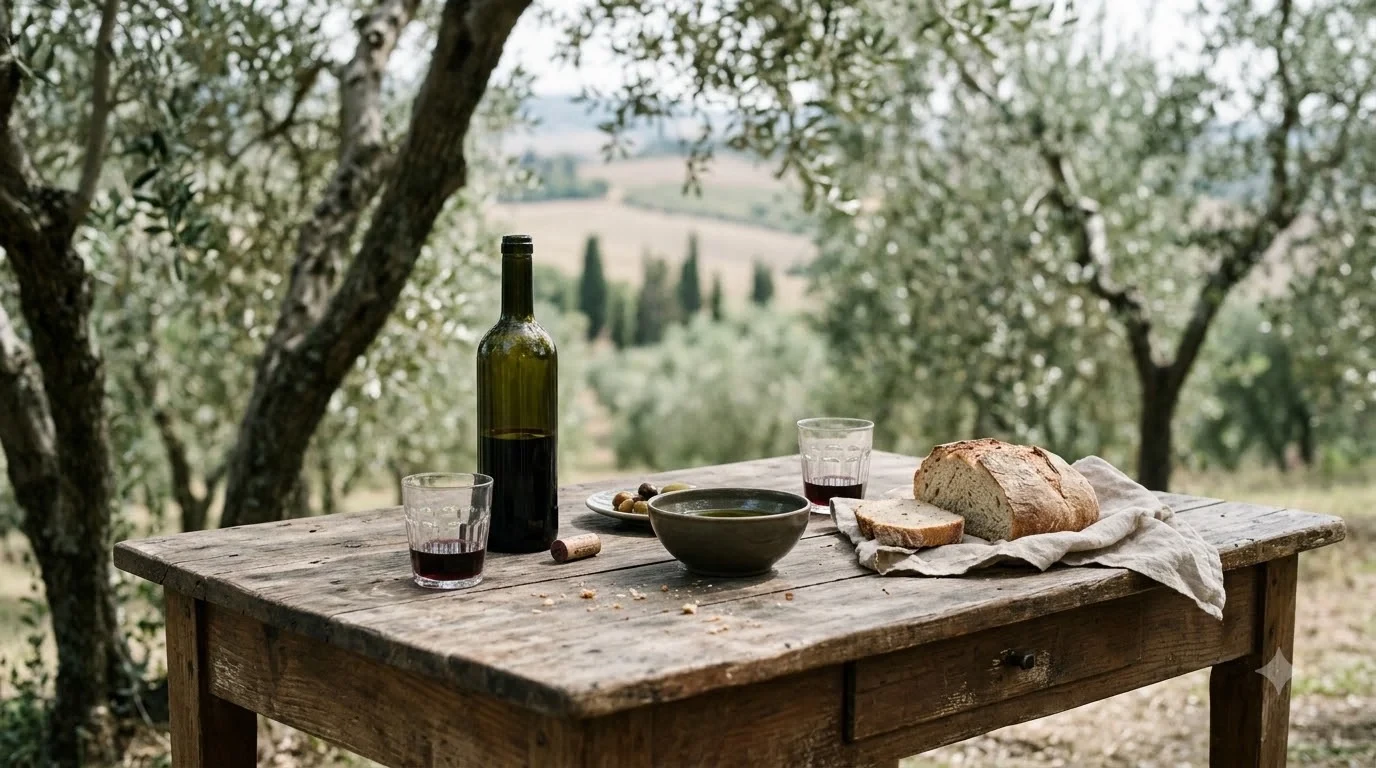
Dry cabernet franc is a medium-bodied red wine with bright acidity, moderate tannins, and flavors of raspberry, cherry, red currant, and fresh herbs. Most examples finish without noticeable sweetness, making them versatile partners for roasted meats, vegetables, tomato-based dishes, and cheese. The Loire Valley in France is the classic place to start, although excellent examples also come from Bordeaux, California, New York, and other wine-growing regions.
Cabernet Franc deserves attention as a red wine in its own right, rather than simply as a blending partner for Cabernet Sauvignon or Merlot. Its combination of fresh fruit, herbal aromas, and approachable tannins gives it a distinctive personality that works across a wide range of meals. Understanding its regional styles, sweetness, acidity, and production methods makes choosing a bottle considerably easier.
What Makes Cabernet Franc a Dry Red Wine?
Dry Cabernet Franc is a red wine made with little or no perceptible residual sugar after fermentation. Its natural fruit flavors can seem juicy or ripe, but that fruit-forward character does not mean the wine is sweet.
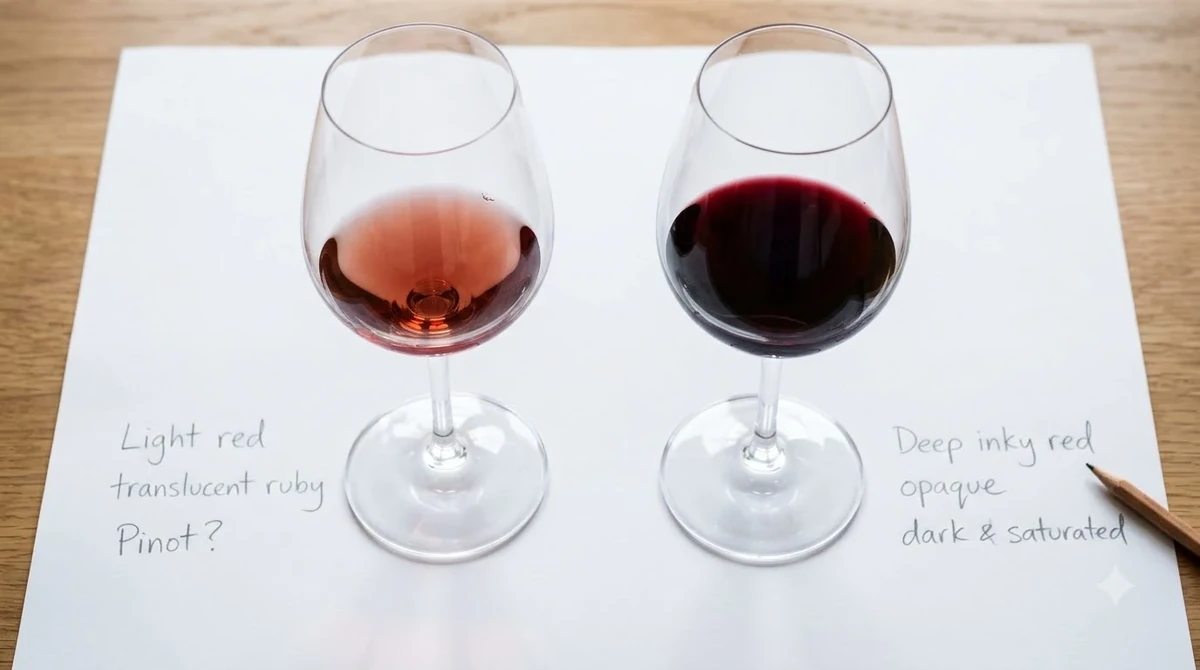
During alcoholic fermentation, yeast converts grape sugars into alcohol. Winemakers generally allow fermentation to proceed until most fermentable sugar has been consumed when producing a dry red Cabernet Franc. The result is a wine whose flavor comes primarily from the grape variety, growing conditions, fermentation choices, and any maturation in oak barrels.
Cabernet Franc is particularly well suited to dry winemaking because it combines appealing fruit aromas with refreshing acidity. Depending on where the grapes grow, the finished wine can be light and lively or more concentrated and structured. A cool-climate example may emphasize raspberry, red currant, and fresh herbs, while a warmer-climate bottle can show blackberry, dark plum, and more pronounced tannins.
It is also important to distinguish sweetness from fruit intensity. A Cabernet Franc that smells of ripe strawberries or tastes of blackberry can still be completely dry. Perceived sweetness may come from ripe fruit aromas, alcohol warmth, or oak-derived flavors rather than actual residual sugar.
Cabernet Franc is not exclusively made as a dry red. The grape also appears in rosé, sparkling wines, and dessert wines. France’s Cabernet d’Anjou, for example, is associated with lightly sweet rosé. Therefore, shoppers looking specifically for a dry red should pay attention to the wine style and regional designation rather than assuming every bottle bearing the grape name has the same sweetness level.
For shoppers comparing different dry red styles, dry Malbec offers another useful point of reference. Malbec generally delivers darker fruit and a fuller impression, while Cabernet Franc tends to emphasize freshness, herbal character, and finer tannins.
Flavor, Aroma, Acidity, and Tannin
Dry Cabernet Franc typically combines red-fruit flavors, fresh acidity, medium body, and moderate tannins. Its recognizable herbal character distinguishes it from many other familiar red wines.
In the glass, a typical Loire Valley Cabernet Franc may show raspberry, strawberry, red cherry, and red currant. Violet and other floral aromas can add another layer, while green pepper, dried herbs, and subtle earthy notes contribute complexity. Some wines also develop a graphite-like or pencil-shaving character.
Warmer growing regions often produce a different expression. Cabernet Franc from warmer areas can show blackberry, blackcurrant, dark plum, and a richer texture. Oak maturation may introduce additional notes of cedar, vanilla, spice, or toasted wood, depending on the barrels and winemaking approach.
Acidity is one of the grape’s most useful characteristics at the dinner table. Its refreshing quality helps balance fatty foods and cuts through the richness of roasted meat. It also provides contrast to savory sauces and dishes featuring herbs or cooked tomatoes.
Tannins are generally moderate rather than aggressively drying. Cabernet Franc usually has less tannic weight than Cabernet Sauvignon, although the exact difference depends on grape ripeness, extraction, vineyard conditions, and aging. This makes many examples accessible to drinkers who enjoy structured red wine but prefer something less forceful.
The following table summarizes the usual characteristics of dry Cabernet Franc. These are practical buying and serving ranges rather than fixed specifications for every bottle.
| Characteristic | Typical profile | What it means for shoppers |
|---|---|---|
| Sweetness | Dry | Little perceptible residual sugar |
| Body | Medium | Balanced weight without excessive heaviness |
| Acidity | Medium-high to high | Fresh, lively finish |
| Tannins | Medium | Noticeable but generally approachable structure |
| Alcohol | Approximately 12–14% ABV | Varies with region and grape ripeness |
| Primary fruit | Raspberry, cherry, red currant | Fresh red-fruit character |
| Herbal character | Green pepper, herbs, earth | A savory aromatic dimension |
| Serving temperature | 55–60°F for lighter reds | Helps preserve freshness and aromatic detail |
These characteristics explain why Cabernet Franc occupies a useful position between lighter reds and more powerful Cabernet Sauvignon. It can offer enough structure for meat dishes without overwhelming foods that benefit from freshness and moderate tannins.
For another familiar comparison, low-sugar Cabernet Sauvignon provides a different experience. Both wines can be dry, but Cabernet Sauvignon generally delivers more substantial tannins and darker fruit, whereas Cabernet Franc often feels brighter and more herbal.
Where to Find the Best-Known Cabernet Franc Styles
The Loire Valley is the traditional reference point for varietal Cabernet Franc, particularly around Chinon, Bourgueil, and Saumur-Champigny. Bordeaux offers another important expression, usually through blends in which Cabernet Franc works alongside Merlot.
In the Loire Valley, Cabernet Franc has a long history dating back to the 11th century. The region’s climate and varied soils help produce wines that often emphasize freshness, red fruit, floral aromas, and moderate tannins. The grape is particularly important in Anjou-Saumur and Touraine.
Chinon
Chinon is one of the best-known appellations for dry Cabernet Franc. Its wines can range from light, fragrant reds with raspberry and cherry flavors to more structured examples with darker fruit, earthy notes, and greater aging potential. The local combination of vineyard sites and soil types contributes to this diversity.
For a shopper discovering the grape for the first time, Chinon is a useful starting point. Many bottles offer an expressive combination of red fruit, fresh acidity, and herbal character without the weight associated with some Cabernet Sauvignon wines.
Bourgueil and Saint-Nicolas-de-Bourgueil
Bourgueil is another classic Loire appellation where Cabernet Franc takes center stage. Its wines can range from supple, fruit-driven reds to more substantial examples that develop earthy complexity with time.
Nearby Saint-Nicolas-de-Bourgueil also produces Cabernet Franc-focused wines. These bottles can be especially appealing to drinkers who enjoy aromatic reds with moderate tannins and a clear sense of freshness.
Saumur-Champigny
Saumur-Champigny is particularly associated with Cabernet Franc. According to its official appellation organization, the grape accounts for more than 95% of the grapes used in its red and rosé wines. Its vineyard landscape is characterized by tuffeau limestone, a distinctive local rock that contributes to the region’s growing conditions.
The appellation’s official website reports 1,412 hectares of Cabernet Franc within its boundaries according to the 2023 harvest figures. Young wines commonly show raspberry, red currant, cherry, and violet, while more developed bottles can gain additional spice and complexity.
Bordeaux and International Regions
In Bordeaux, Cabernet Franc often appears as a blending grape rather than the sole variety. It is especially important in the Right Bank districts of Saint-Émilion and Pomerol, where it can contribute aromatic lift, freshness, and structure alongside Merlot.
Outside France, Cabernet Franc is grown in California, Washington, New York, Canada, Italy, Argentina, South Africa, and Australia. The Finger Lakes region of New York and Virginia are useful American regions to investigate, particularly for drinkers interested in cooler-climate expressions.
For a broader understanding of the grape’s international styles, Wine Enthusiast’s Cabernet Franc overview discusses its regional presence, aromatic characteristics, and use in different wine styles.
How to Choose a Bottle of Dry Cabernet Franc
Start by deciding whether you want a lighter, fresher red or a richer, more structured example. The region, producer, vintage conditions, and winemaking approach can help you identify the style most likely to suit your preferences.
For a lighter and more aromatic wine, look for Chinon, Saint-Nicolas-de-Bourgueil, or approachable Saumur-Champigny. These regions are useful starting points for drinkers seeking fresh red fruit, herbal aromas, and relatively moderate tannins.
If you prefer more concentration, consider Cabernet Franc from warmer growing areas or a Bordeaux blend featuring a meaningful proportion of the grape. These wines can offer deeper dark-fruit flavors, a fuller palate, and more pronounced oak influence.
Producer information is also valuable. Two wines from the same appellation can taste quite different because of vineyard location, harvest timing, fermentation temperature, maceration length, and maturation choices. A producer who emphasizes freshness and restrained oak will generally create a different experience from one who favors extraction and barrel aging.
Understand the Role of Vintage
Vintage conditions influence ripeness and the final balance of the wine. Cooler growing seasons can emphasize fresh red fruit, herbal notes, and higher perceived acidity. Warmer seasons may produce riper fruit, fuller textures, and a more generous impression of alcohol.
Neither style is automatically better. A lighter Cabernet Franc may be especially enjoyable with roast chicken or vegetables, while a richer example can suit grilled lamb or beef. The best choice depends on the meal and the flavor profile you prefer.
Look at the Alcohol Level
Alcohol percentage can provide a useful clue about the wine’s general style, although it is not a reliable measure of sweetness or quality. A bottle around 12% ABV may have a lighter impression, while one around 14% ABV can feel riper and fuller, depending on acidity, tannins, and winemaking.
It is also helpful to understand the difference between a varietal Cabernet Franc and a Bordeaux-style blend. A varietal wine places Cabernet Franc at the center of the experience. A blend may include Merlot, Cabernet Sauvignon, or other permitted varieties, producing a broader flavor profile.
Tip: If you are buying Cabernet Franc for the first time, begin with a Loire Valley Chinon or Saumur-Champigny labeled as a red wine. These appellations provide a useful introduction to the grape’s characteristic freshness, red fruit, and herbal aromas. Once you understand that style, explore Bordeaux blends and American examples to compare their richer expressions.
Shoppers comparing bottles from different regions can also benefit from general Wine Buying Guides covering grape varieties, regional labels, wine styles, and food compatibility. Learning the basic terminology makes it easier to distinguish varietal wines from blends and dry reds from sweeter alternatives.
Best Food Pairings for Dry Cabernet Franc
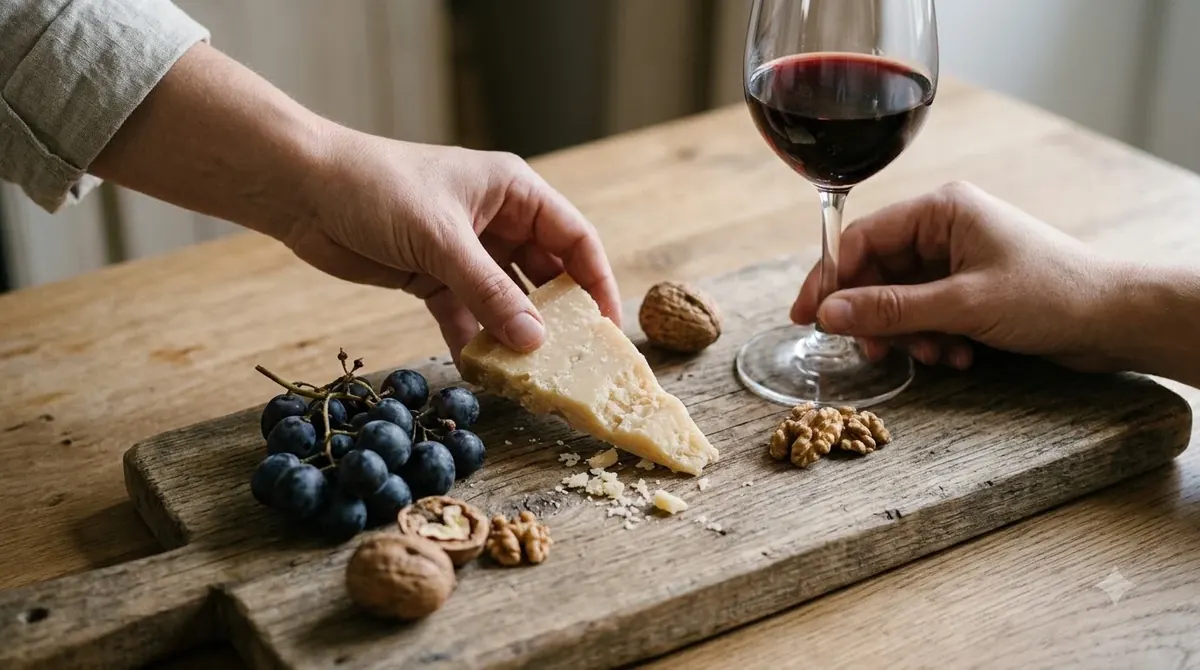
Dry Cabernet Franc pairs particularly well with roasted pork, lamb, grilled vegetables, mushrooms, and moderately aged cheeses. Its acidity provides freshness, while its herbal aromas complement savory ingredients without requiring an especially heavy dish.
Roast pork is one of the most dependable matches. The grape’s red-fruit character works naturally with roasted meat, and its moderate tannins provide structure without overwhelming the dish. Pork tenderloin with rosemary, roasted pork shoulder, and herb-crusted pork chops are all suitable options.
Lamb and Beef
Lamb is another strong pairing, particularly when prepared with rosemary, thyme, garlic, or other aromatic herbs. A more structured Cabernet Franc from Bordeaux or a concentrated Loire appellation can complement grilled lamb chops and roasted leg of lamb.
Beef can work well, too. Grilled steak, burgers, and slow-cooked beef dishes suit fuller examples with darker fruit and more noticeable tannins. Fat and protein soften the perception of tannin, making the combination feel more balanced.
Vegetables and Vegetarian Dishes
Cabernet Franc is especially useful with vegetables because its herbal aromas complement savory ingredients. Grilled eggplant, roasted peppers, mushrooms, lentils, and ratatouille are all worth considering.
Tomato-based dishes can also work because the wine’s acidity provides a natural counterpoint to tomato sauce. A simple pasta with tomato sauce is a particularly useful pairing for a fresh Saumur-Champigny. Decanter also highlights this combination when discussing recommendations from sommelier Giuseppe D’Aniello.
Cheese and Charcuterie
Fresh goat cheese is a classic companion to Loire Cabernet Franc. The cheese’s tanginess and creamy texture complement the wine’s fruit and freshness. Moderately aged cheeses can also work, especially when they have enough savory character to match the wine’s herbal notes.
Charcuterie boards featuring cured pork, pâté, and mild sausages are another practical option. The salt and fat in these foods can soften the impression of tannin, while the wine’s acidity refreshes the palate between bites.
Foods to Approach Carefully
Very spicy dishes can make Cabernet Franc seem hotter because alcohol can amplify the sensation of chili heat. Strongly sweet sauces can also make a dry red taste more acidic or bitter. If serving barbecue with a sweet glaze, choose a fruit-forward example and keep the sauce’s sweetness moderate.
Oily fish is generally a difficult match for tannic red wines. If seafood is on the menu, consider a lighter, low-tannin alternative rather than pairing a structured Cabernet Franc with rich oily fish.
Serving Temperature, Glassware, and Storage
Serve lighter dry Cabernet Franc at approximately 55–60°F, while fuller-bodied examples can be served closer to 60–65°F. Proper temperature helps preserve the wine’s aromatic detail and prevents alcohol from dominating the experience.
Serving red wine too warm can make it seem heavier and more alcoholic than intended. Conversely, excessive chilling can suppress aromas and make tannins feel more pronounced. A brief period in the refrigerator can help bring a bottle down to a suitable temperature if the room is warm.
Choose the Right Glass
A standard red wine glass with a reasonably wide bowl is a good choice. The larger surface area allows aromas to develop, making it easier to identify raspberry, cherry, violet, pepper, and herbal notes.
A standard serving is approximately 5 ounces. A 750-milliliter bottle therefore provides about five typical glasses, which is a convenient quantity to consider when planning a dinner with several guests.
Decanting Cabernet Franc
Many lighter Loire Valley examples can be poured directly from the bottle. They often emphasize fresh fruit and do not require extensive aeration to become expressive.
Fuller-bodied or younger wines may benefit from additional air exposure. A young, structured red can be decanted for approximately 30–60 minutes before serving. This can help soften the initial impression of tannin and allow more complex aromas to emerge.
Storing Unopened Bottles
Store unopened Cabernet Franc in a cool, dark location with a stable temperature. Around 55°F is a useful target for long-term wine storage. Bottles with natural cork closures are generally stored on their sides to help keep the cork from drying out.
Avoid direct sunlight, repeated temperature fluctuations, and locations near heat-producing appliances. A simple wine refrigerator or suitable cellar is preferable to an ordinary kitchen cupboard for bottles intended for extended storage.
Many lighter, fruit-forward Cabernet Franc wines are best enjoyed relatively young, while more concentrated examples can benefit from several years of aging. Wine Enthusiast lists a general cellar potential of five to ten years for the variety, although actual aging potential depends on the producer, vintage, structure, and storage conditions.
Keeping an Open Bottle Fresh
After opening, reseal the bottle and store it in the refrigerator. Even red wine benefits from refrigeration once exposed to air because cooler temperatures slow oxidation.
As a general guideline, opened still wines retain their best qualities for approximately three to five days when properly refrigerated. Bring the remaining Cabernet Franc toward its recommended serving temperature before pouring another glass.
Frequently Asked Questions
Is dry Cabernet Franc sweeter than Cabernet Sauvignon?
Both varieties can produce dry red wines, and neither is inherently sweeter than the other. Cabernet Franc is often perceived as brighter because its fresh red-fruit aromas and acidity are prominent, while Cabernet Sauvignon frequently shows darker fruit and firmer tannins. Actual residual sugar depends on the individual wine rather than the grape’s name.
Is Cabernet Franc genetically related to Merlot?
Yes. Cabernet Franc is one of the parent varieties of Merlot, as well as Cabernet Sauvignon. These relationships help explain why the three grapes frequently appear together in Bordeaux blends, although each contributes different aromatic and structural qualities.
Does Cabernet Franc have a strong green pepper flavor?
Green pepper is a recognizable aroma, but its intensity varies considerably. Some bottles emphasize ripe berries and violets, while others show more pronounced bell pepper, herbs, or vegetal notes. Growing conditions and grape maturity influence how noticeable these characteristics become.
Can Cabernet Franc be made into white wine?
Yes. Although the grape is best known for red wine, producers can make white wine from Cabernet Franc by pressing the grapes and separating the juice from the skins quickly. This style is sometimes described as Blanc de Cabernet Franc and can also appear in sparkling wine production.
How can shoppers identify Cabernet Franc under another name?
Regional synonyms include Breton and Bouchet, although their usage depends on the location. In the Loire Valley, Breton is a familiar traditional name for the grape. Checking the producer’s variety information and the wine’s regional designation can help identify bottles that use local terminology.
Dry Cabernet Franc is an excellent choice for drinkers who appreciate fresh red fruit, herbal complexity, and moderate tannins. Start with a Loire Valley Chinon or Saumur-Champigny, then explore Bordeaux and American examples to discover how different regions shape the grape’s personality. With its flexibility at the table and distinctive aromatic character, Cabernet Franc is a rewarding addition to any collection of dry red wines.
More in Wine Buying Guides
 Cheap Red Blend: How to Find a Flavorful Bottle for LessUpdated Nov 20, 2026
 Pinot Grigio Gift: How to Choose a Bottle They’ll EnjoyUpdated Nov 20, 2026
 Best White Wine at Total Wine for Every MealUpdated Nov 20, 2026
 Wine Fridge Replacement Shelves: Find the Right FitUpdated Nov 20, 2026
 Best Sparkling Wine Under 20: Find Bubbles Worth BuyingUpdated Nov 20, 2026
 Best Wine For Birthday Celebrations With Perfect Party PairingsUpdated Nov 20, 2026