


We may earn a commission when you buy through links on this page, at no extra cost to you. Learn more.
Wolf blass red wine offers Australian wine drinkers a choice of approachable Shiraz, Cabernet Sauvignon, Merlot, and sophisticated regional blends, with different label colors helping identify the range and style. The collection includes easy-drinking bottles for everyday meals and more structured wines for special occasions. Understanding the differences between Yellow, Red, Grey, and Black Label makes choosing a bottle much easier.
Wolf Blass is one of Australia’s recognizable wine names, with a history rooted in South Australia’s Barossa Valley and a particular interest in making reds with generous fruit and approachable textures. Its wines reflect the country’s enthusiasm for Shiraz and Cabernet Sauvignon, both individually and in blends. This guide explains the brand’s history, its principal red wine ranges, typical flavor profiles, serving temperatures, and food pairings so you can select a bottle that suits your preferences.
The History Behind Wolf Blass Red Wines
Wolf Blass developed its reputation through a combination of Australian grape varieties, regional fruit selection, and a distinctive approach to blending. The winery’s early reds helped establish a style that emphasized expressive fruit and drinkability rather than excessive tannic weight.

Wolfgang Blass was born in Germany in 1934 and moved to Australia’s Barossa Valley in 1961. After studying winemaking and developing his understanding of Australian vineyards, he established Wolf Blass Wines in 1966. His ambition was to create wines that Australian drinkers could enjoy without needing extensive wine knowledge or years of cellar aging. The producer’s official history of Wolf Blass documents the milestones that shaped the winery’s identity.
The first Yellow Label came from the 1966 vintage, while the first wine to carry the Wolf Blass name was the 1967 Grey Label Cabernet Sauvignon Shiraz. These early releases helped establish the brand’s interest in blending varieties to achieve balance. The eagle emblem also became an important part of the identity. It was inspired by Bilyara, the Aboriginal word for Eaglehawk, and the eagle’s association with Germany, Blass’s birthplace.
Black Label followed in 1973 and became an important milestone. Its original blend combined 80% Cabernet Sauvignon from Langhorne Creek with 20% Shiraz from Eden Valley, then matured in American and French oak for more than 16 months. The wine won the Jimmy Watson Trophy at the 1974 Royal Melbourne Wine Show. It won again in 1975 and 1976, establishing an unusually successful early record.
Winemaking leadership also shaped the brand. John Glaetzer joined in 1970 and became Senior Winemaker in 1974. Chris Hatcher joined as Senior Winemaker in 1987, contributing to the development of the winery’s modern identity. Later developments included the introduction of additional premium labels and the continued refinement of the winery’s blending approach.
Black Label’s changing composition is particularly interesting. In its account of the range’s history, Decanter’s examination of Wolf Blass Black Label explains how different vintages use changing proportions of grape varieties while retaining the intended house style. This illustrates why the same label can offer different experiences across vintages.
Today, the label family gives drinkers several ways to explore Australian red wine. For readers comparing Australian producers, our overview of Wine Brands provides additional context about how different wineries approach grape selection, regional identity, and winemaking style.
Understanding the Main Wolf Blass Red Wine Labels
The color-coded labels provide a useful starting point when choosing a Wolf Blass bottle. Yellow and Red Label generally suit relaxed drinking, while Grey and Black Label offer more emphasis on regional expression, blending, and complexity.
It is important to recognize that label colors identify different product ranges rather than a universal quality scale that applies identically to every vintage. The grape variety, growing region, vintage conditions, and winemaking decisions all influence the finished wine. A Shiraz from one range can taste quite different from a Cabernet Sauvignon carrying another color.
Yellow Label
Yellow Label is associated with approachable, fruit-focused wines. Its red offerings include varieties such as Cabernet Sauvignon and Merlot, with Shiraz also represented in the broader range. These wines are suitable for casual dinners, uncomplicated meals, and drinkers who prefer familiar fruit flavors.
Yellow Label Cabernet Sauvignon is a useful starting point for someone who enjoys dark fruit and a recognizable Cabernet structure. Yellow Label Merlot is generally a softer alternative, with medium tannin and a rounder impression. Both work well with everyday cooking rather than requiring elaborate dishes.
Red Label
Red Label emphasizes accessible blends and uncomplicated drinking. The producer describes its Shiraz Cabernet as a smooth, medium-bodied red with bright fruit, soft berry character, and structure from Cabernet Sauvignon.
Red Label Shiraz Cabernet combines the plush berry character of Shiraz with Cabernet’s more structured finish. The producer describes the range as ready to drink on release, making it a practical option for a meal that evening. Its fruit-forward character also makes it a useful introduction to Australian blended reds.
Grey Label
Grey Label has a closer association with regional character and varietal expression. Its Cabernet Shiraz connection to Langhorne Creek is particularly important. The producer identifies softness, drinkability, chocolate, and eucalyptus as characteristic features of these regional reds.
Grey Label can appeal to drinkers looking for more distinctive Australian character without moving directly into the most prestigious end of the collection. Depending on the bottling, the range includes Shiraz and Cabernet-based wines with different regional identities.
Black Label
Black Label is the best-known premium red range in the Wolf Blass collection. Its foundation is the Australian Cabernet Sauvignon and Shiraz combination, with additional varieties sometimes incorporated to shape the final blend.
The blend is not necessarily identical from one vintage to another. Fruit selection, regional conditions, and oak treatment influence its character. Black Label is therefore a particularly interesting choice for people who enjoy comparing different vintages rather than expecting every bottle to taste exactly the same.
Other premium releases, including Gold and Platinum Label, offer additional opportunities to explore regional Shiraz and selected vineyard fruit. These wines provide further options for drinkers who appreciate concentrated fruit, distinctive regional characteristics, and more detailed winemaking.
| Label | Typical positioning | What to expect | Best occasion |
|---|---|---|---|
| Yellow Label | Approachable | Fresh fruit and accessible structure | Everyday meals |
| Red Label | Easy-drinking blends | Juicy berry fruit and smooth tannins | Casual dinners |
| Grey Label | Regional expression | More distinctive fruit and regional character | Special dinners |
| Black Label | Premium blend | Complex fruit, oak, and structured finish | Celebrations and thoughtful meals |
| Gold Label | Selected regional wines | Varietal and regional expression | Exploring Australian reds |
| Platinum Label | Premium vineyard selection | Concentrated Shiraz character | Special occasions |
For an uncomplicated first purchase, Yellow or Red Label is a sensible place to begin. Drinkers already familiar with Australian reds can explore Grey or Black Label to experience more regional detail and blending complexity.
Shiraz, Cabernet Sauvignon, and Merlot Flavor Profiles
Grape variety is one of the most useful clues to the taste and structure of a red wine. Wolf Blass works with several classic varieties, but Shiraz and Cabernet Sauvignon are particularly important to its identity.
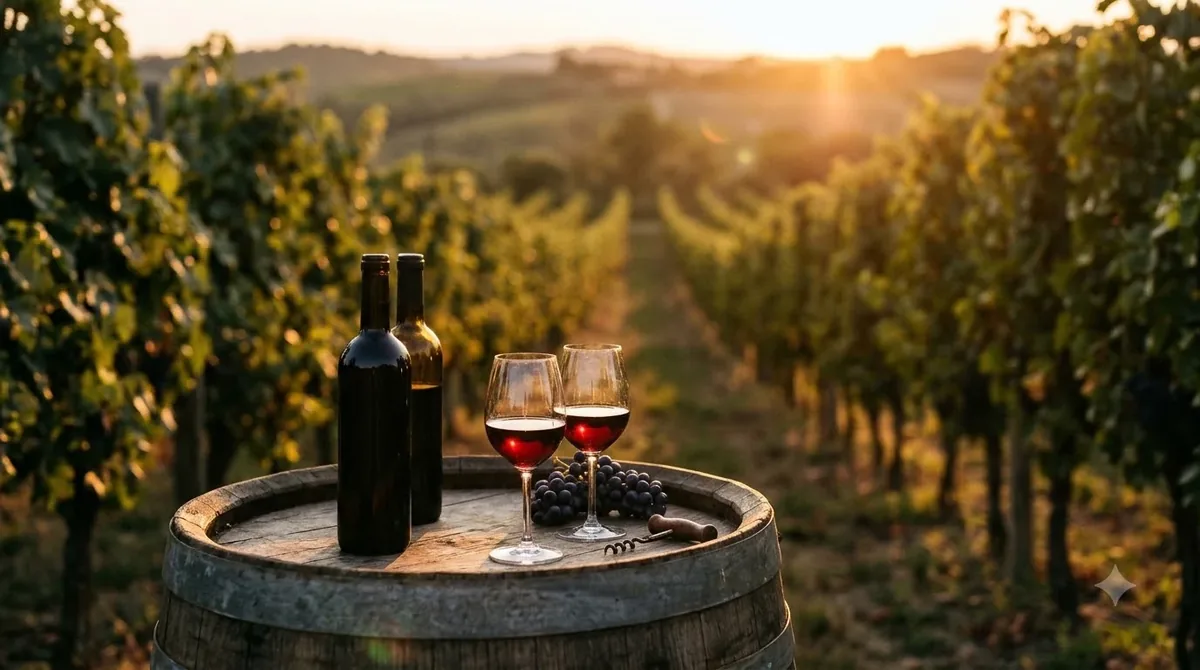
Shiraz: Generous Fruit and Spice
Shiraz is one of Australia’s signature red varieties. It commonly produces wines with ripe blackberry, plum, dark cherry, and pepper characteristics. Depending on the region and winemaking approach, additional notes can include chocolate, licorice, smoked meat, and vanilla from oak maturation.
Wolf Blass Shiraz ranges can offer different expressions of these characteristics. A fruit-forward example is generally easy to enjoy with grilled meat, while a richer regional bottling can provide greater concentration and more pronounced oak influence. Shiraz also tends to have medium-plus to high tannin, although the exact sensation depends on extraction, ripeness, and maturation.
Cabernet Sauvignon: Structure and Dark Fruit
Cabernet Sauvignon is recognized for its firm structure, relatively high tannin, and flavors of blackcurrant, cassis, blackberry, and sometimes mint. Oak maturation can introduce cedar, tobacco, and baking spice.
In a Cabernet Shiraz blend, Cabernet contributes structure and definition, while Shiraz often supplies generous fruit and a softer impression of the middle palate. The result can be more balanced than a wine made exclusively from either variety, although the proportions matter.
Merlot: Softer and More Rounded
Merlot generally has medium tannin and a softer texture than Cabernet Sauvignon. Its fruit profile often includes ripe plum, red cherry, blackberry, and chocolate. It is a good option for drinkers who want a red wine with less noticeable tannic grip.
Merlot also works well in blends because it can add roundness and approachable fruit. A Cabernet Merlot combination may therefore appeal to someone who enjoys the flavor of Cabernet but prefers a less firm finish.
What Blending Changes
Blending is central to the Wolf Blass approach. A winemaker can combine grapes from different vineyards, regions, and varieties to create a particular balance of aroma, texture, acidity, and tannin.
For example, the original Black Label combined Cabernet Sauvignon from Langhorne Creek with Shiraz from Eden Valley. That combination brought together two distinct regional expressions. Later Black Label vintages demonstrate how the proportions can change. Decanter describes the 1998 vintage as 89% Cabernet Sauvignon, while its account of the 2002 vintage identifies a blend containing 53% Shiraz, 40% Cabernet Sauvignon, and 5% Malbec.
For a different perspective on Australian white varieties and styles, see our guide to Wolf Blass white wine. Comparing the red and white ranges helps explain how grape selection influences body, acidity, and food compatibility.
South Australian Regions and Their Influence on Taste
South Australia is central to the identity of Wolf Blass reds, with Langhorne Creek, Barossa Valley, and Eden Valley contributing distinctive fruit characteristics. Regional differences help explain why two wines made with the same grape variety can taste quite different.
Langhorne Creek
Langhorne Creek lies on the Fleurieu Peninsula, near the Bremer and Angas Rivers. Its vineyards are associated with an ancient natural floodplain and a long history of viticulture. The region’s landscape and river system have influenced traditional vineyard management, including flood irrigation.
Wolf Blass has a particularly strong connection with this area. Its early wines used Langhorne Creek fruit, and the original Grey Label Cabernet Shiraz established a lasting relationship between the producer and the region. The winery describes the area’s red wines in terms of softness, concentrated fruit, chocolate, and eucalyptus-mint character.
These qualities make Langhorne Creek especially relevant to understanding the Wolf Blass house style. Rather than relying entirely on firm tannins, the wines aim for fruit expression and a rounded palate. That approach can make Cabernet-based reds more accessible to people who usually find traditional Cabernet too austere.
Barossa Valley
The Barossa Valley is widely associated with full-bodied Australian Shiraz. Its wines often show concentrated dark fruit, spice, chocolate, and substantial palate weight. The region also has a long history of growing red wine grapes and producing wines with significant aging potential.
Wolf Blass’s relationship with the Barossa began early. The Bilyara property, acquired in 1968, lies near Nuriootpa in the northern Barossa. The winery’s presence in the region helped establish its Australian identity, while its use of fruit from other South Australian regions allowed its winemakers to develop blends with broader character.
Eden Valley
Eden Valley is another important South Australian wine region and has featured in Wolf Blass’s historic blending practices. Its role in the original Black Label blend is particularly significant: the wine combined Langhorne Creek Cabernet Sauvignon with Eden Valley Shiraz.
Regional fruit selection gives the winemaker different components to work with. A Cabernet-based wine can provide structure, while Shiraz from another growing area can contribute aromatic intensity and fruit character. This is one reason Australian regional blends are not necessarily designed to express a single vineyard or appellation.
These regional distinctions also help explain why a bottle’s label should be considered alongside its grape variety. A Barossa Shiraz and a Langhorne Creek Cabernet Shiraz can differ substantially in body, tannin, aroma, and finish even though they share the same producer.
How to Choose the Right Bottle for Your Preferences
The best Wolf Blass red depends on how much body, tannin, fruit intensity, and complexity you enjoy. Choosing by flavor preference is often more useful than selecting a bottle simply because its label has a particular color.
For Beginners
Start with Yellow Label or Red Label. These ranges are suitable for people who enjoy recognizable fruit flavors without demanding a detailed understanding of regional differences or vintage variation.
Red Label Shiraz Cabernet is especially useful if you want to understand the Australian approach to blending. Shiraz supplies juicy berry flavors, while Cabernet contributes structure. Its medium-bodied character also makes it versatile with familiar foods.
For Shiraz Enthusiasts
Look toward Grey Label, Gold Label, or Platinum Label Shiraz bottlings. These selections offer opportunities to explore the differences between regional fruit and more concentrated expressions.
Someone who enjoys blackberry, dark plum, pepper, and chocolate may appreciate a fuller-bodied Shiraz. However, the premium range is not automatically the best match for every palate. A lighter, more fruit-focused red can be more enjoyable if you prefer less tannin and a fresher finish.
For Cabernet Sauvignon Drinkers
Yellow Label Cabernet Sauvignon provides a straightforward way to explore the variety. Its characteristic dark fruit and tannic structure make it suitable for grilled beef, roast lamb, and other substantial dishes.
For greater blending complexity, consider Cabernet Shiraz or Black Label. These wines can combine Cabernet’s firm structure with Shiraz’s fruit richness, producing a more layered profile than a straightforward varietal Cabernet.
For Drinkers Who Prefer Softer Reds
Merlot is a practical choice because it generally has softer tannins than Cabernet Sauvignon. It can also be easier to match with a wider range of everyday foods, including roasted vegetables, tomato-based pasta, and pork.
Another option is a fruit-forward Shiraz Cabernet blend. Look for a medium-bodied bottling rather than assuming that every Australian Shiraz is intensely concentrated or heavily structured.
Tip: If you are uncertain which bottle to choose, start with the grape variety rather than the label color. Choose Merlot for softer tannins, Cabernet Sauvignon for more structure, and Shiraz for generous dark fruit and spice. Then use the label range to narrow down the style and occasion.
Vintage is another consideration. Weather conditions affect grape ripeness, concentration, and acidity, so two releases carrying the same label can have different characteristics. Comparing different Black Label vintages is particularly interesting because the blend proportions and regional fruit selection can change.
Food Pairings for Wolf Blass Red Wine
Wolf Blass reds pair particularly well with beef, lamb, pork, grilled vegetables, and dishes featuring herbs or savory sauces. The most successful match depends on the wine’s tannin, acidity, body, and fruit intensity.
Shiraz with Grilled and Roasted Foods
Shiraz is a natural partner for grilled beef, barbecue ribs, roast lamb, and sausages. Its generous fruit and spice can complement browned meat, pepper-based seasonings, and smoky flavors.
A full-bodied Barossa Shiraz works particularly well with slow-roasted beef or lamb shoulder. Rich sauces and roasted vegetables provide additional savory flavors that complement the wine’s dark fruit character. For a lighter Shiraz, try grilled pork or a mushroom-based pasta dish.
Cabernet Sauvignon with Beef and Lamb
Cabernet Sauvignon’s high tannin makes it particularly suitable for fatty, protein-rich foods. Grilled steak, braised short ribs, roast beef, and lamb chops are reliable choices.
The fat and protein in these dishes soften the perception of tannin, making the wine seem more balanced. Cabernet can also pair nicely with aged hard cheeses such as cheddar, where salt and fat help moderate its firmness.
Cabernet Shiraz with Mixed Dishes
A Cabernet Shiraz blend can be especially versatile because it combines structure with fruit. Try it with a beef burger, grilled lamb kebabs, tomato-based meat pasta, or a chorizo and roasted vegetable pizza.
The producer specifically recommends beef, pork, lamb, pasta, and vegetables for its Red Label Shiraz Cabernet. This makes the wine a practical choice for a dinner where several people are sharing different dishes rather than eating one elaborate main course.
Merlot with Chicken, Pork, and Vegetables
Merlot’s softer tannins make it suitable for roast chicken, grilled pork, mushroom risotto, and roasted vegetables. It also works well with tomato-based pasta when the wine has sufficient acidity to balance the sauce.
For a simple meal, combine Merlot with herb-roasted chicken and potatoes. The wine’s plum and cherry flavors complement the browned skin and savory herbs without overwhelming the food.
Foods That Need More Care
Very spicy dishes can make high-alcohol and tannic reds seem hotter and more aggressive. Chili-heavy curries and dishes with strong hot-pepper sauces are often better with wines that have lower alcohol and less tannin.
Oily fish, such as salmon or mackerel, can also be difficult with highly tannic Cabernet Sauvignon or Shiraz. A fresh, acidic white wine is often a more suitable match. If a meal contains several components, match the wine to the dominant flavor and richest element rather than trying to accommodate every ingredient individually.
Serving Temperature, Decanting, and Storage
Serving temperature affects how a red wine smells, feels, and tastes. Wolf Blass reds generally benefit from being served slightly cooler than a warm room, while appropriate storage helps preserve their fruit and structure after purchase.
Recommended Serving Temperatures
Light-bodied reds are generally best served at 55–60 degrees Fahrenheit, while full-bodied reds are better at 60–65 degrees Fahrenheit. A medium-bodied Red Label Shiraz Cabernet can work well toward the cooler part of the red wine range.
Room temperature is not a reliable serving guide because modern indoor temperatures are often warmer than traditional European cellar conditions. If the bottle feels warm, a short period in the refrigerator can help bring it closer to the recommended range.
When to Decant
Young, full-bodied reds can benefit from 30–60 minutes of decanting before serving. Exposure to air can soften the initial impression of tannin and help aromas become more expressive.
For a younger Black Label or a concentrated Shiraz, decanting can be useful if the wine seems closed immediately after opening. More approachable Yellow Label and Red Label bottles generally do not require extensive aeration. Pouring a glass and allowing it to stand for several minutes is often sufficient.
Glassware and Pouring
A standard red wine glass with a reasonably large bowl gives aromas room to develop. Cabernet Sauvignon and Shiraz are particularly suited to glasses with enough space for swirling, which helps release their aromatic compounds.
A standard serving is 5 ounces. A 750 mL bottle contains approximately five standard glasses, making it easy to plan quantities for a dinner. Pouring smaller amounts also leaves room for swirling and reduces the chance of warming the wine too quickly in the glass.
Storing Opened Bottles
Once opened, most still Wolf Blass reds should be refrigerated and consumed within approximately three to five days. Replace the closure promptly and keep the bottle away from direct light and temperature changes.
Refrigeration slows oxidation, even for red wines. Before serving the remaining wine, allow it to warm slightly toward the recommended drinking temperature. A properly sealed bottle stored in a cool, dark location will generally retain its freshness better than one left open on a kitchen counter.
Storing Unopened Bottles
For longer storage, keep bottles away from sunlight, heat sources, and temperature fluctuations. A stable environment near 55 degrees Fahrenheit is a useful target. Traditional cork-closed bottles are generally stored on their sides to keep the cork from drying out.
Not every Wolf Blass red needs long-term aging. The producer describes Red Label blends as ready to drink on release, while selected premium wines may develop additional complexity with appropriate cellaring. The intended drinking window depends on the specific wine and vintage, not simply the producer’s name.
Frequently Asked Questions
Is Wolf Blass red wine Australian?
Yes. Wolf Blass is an Australian wine brand founded by German-born winemaker Wolfgang Blass in South Australia. Its early winemaking activities were based in the Barossa Valley, and its wines have strong associations with several South Australian growing regions.
What percentage of alcohol does Wolf Blass red wine contain?
Alcohol content varies by variety, label, and vintage. For example, Wine Enthusiast lists the 2000 Black Label at 14.5% ABV. Other Wolf Blass reds can have different alcohol levels, so individual bottlings should be considered separately.
Is Wolf Blass red wine suitable for a wine gift?
Yes. Black Label, Grey Label, and selected Platinum Label releases are interesting choices for someone who appreciates Australian red wine. A vintage-specific Black Label can be especially appealing to a collector interested in the history of the brand’s Cabernet Shiraz blends.
Does Wolf Blass make single-varietal red wines?
Yes. The collection includes single-varietal Cabernet Sauvignon, Shiraz, Merlot, and other red wine releases, alongside blended wines. The precise selection varies by market and release, so the producer’s range provides the best overview of available varieties.
What does the eagle on Wolf Blass bottles represent?
The eagle connects the winery’s identity to both its Australian home and its founder’s German background. The name Bilyara, associated with the property acquired by Wolfgang Blass, means Eaglehawk in an Aboriginal language. The eagle also has national symbolism in Germany.
Wolf Blass red wines offer a useful introduction to Australian Shiraz, Cabernet Sauvignon, and traditional regional blending. Yellow and Red Label are practical starting points, while Grey and Black Label provide opportunities to explore more distinctive South Australian character. Choose according to your preferred grape variety, meal, and level of structure, and you will have a much clearer idea of which bottle belongs on your table.
More in Wine Brands
 Underwood Wine Price: Compare Bottles, Cans, and Pack SizesUpdated Nov 21, 2026
 Zenato Wine Price: Compare Styles and Choose the Right BottleUpdated Nov 21, 2026
 Zuccardi Wine Price: Compare Bottles and Find the Right RangeUpdated Nov 21, 2026
 Yellow Tail Moscato Review: Taste, Sweetness and Serving TipsUpdated Nov 21, 2026
 Wolf Blass Yellow Label Review: Choose Your Best StyleUpdated Nov 21, 2026
 Wolffer Estate Rose Review: Choose the Right Bottle for Your TableUpdated Nov 21, 2026