

We may earn a commission when you buy through links on this page, at no extra cost to you. Learn more.
Trimbach riesling tasting notes typically describe a dry, crisp white wine with lemon, lime, green apple, white peach, mineral character, and refreshing acidity. Made in Alsace, France, Trimbach Riesling emphasizes precision and freshness rather than obvious sweetness or heavy oak flavors. Depending on the bottling, expect anything from straightforward citrus and orchard fruit in the Classic Riesling to greater concentration, savory complexity, and aging potential in the Réserve and Frédéric Emile wines. Its lively acidity also makes it a versatile partner for seafood, poultry, Asian cuisine, and other flavorful dishes.
Riesling has a reputation for sweetness, but Trimbach offers a particularly useful introduction to the dry Alsatian interpretation of the grape. The house style combines bright fruit, firm acidity, and mineral detail, creating a white wine that can work as an aperitif or accompany an entire meal. Understanding the differences between its bottlings makes it easier to recognize the flavors, choose suitable food pairings, and decide whether a bottle is best enjoyed young or given additional time in the cellar.
The Signature Flavor Profile of Trimbach Riesling
Trimbach Riesling is best understood as a dry, citrus-driven white wine with fresh orchard fruit, lively acidity, and a distinct mineral character. Its flavors are generally clean and restrained, allowing the Riesling grape and Alsace growing conditions to remain at the center of the experience.
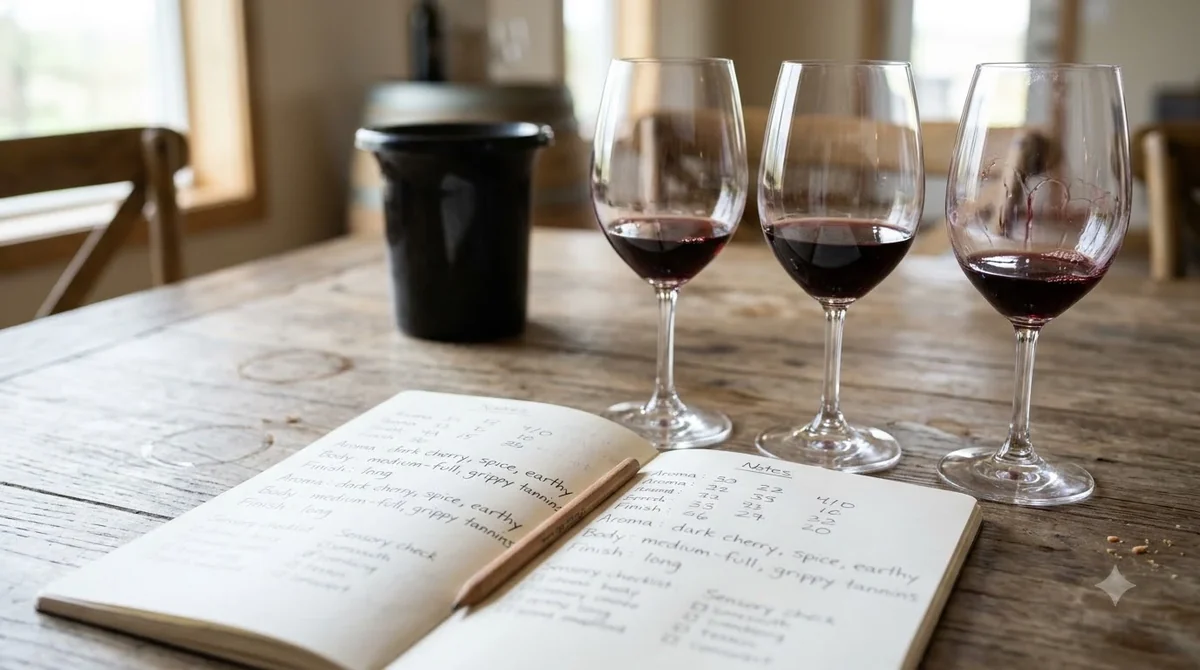
Lemon, lime, green apple, and white peach are useful starting points when assessing a typical bottle. The exact combination changes with the vintage and bottling. Some examples emphasize crisp green apple and citrus zest, while others show riper pear, apricot, pineapple, or floral aromas. The fruit usually comes across as fresh rather than jammy, and the overall impression is closer to a freshly cut apple or a squeeze of lemon than a rich tropical fruit cocktail.
Minerality is another important part of the profile. Wine drinkers may describe this impression as wet stone, slate, graphite, chalk, or a subtle salty sensation. These are tasting descriptions rather than literal ingredients in the wine. They help explain why Trimbach Riesling can feel savory and focused even when its fruit flavors are relatively generous.
Independent reviews illustrate the range of expressions. Wine Enthusiast’s review of the 2023 Classic Riesling identifies apple, lime, and graphite, with lively acidity and a clean, focused finish. Its 2022 Réserve review describes Meyer lemon, tarragon, and fresh apple, showing how the same grape can develop additional aromatic detail in a more structured bottling. Read the Wine Enthusiast review of Trimbach 2023 Riesling for another vintage-specific description.
Herbal notes can include tarragon, lemon verbena, or subtle green herbs. These details generally complement the citrus and orchard fruit instead of dominating them. Older bottles may develop more complex aromas, including petrol, beeswax, dried citrus peel, and earthy nuances. A faint petrol character is a recognized Riesling aroma and does not automatically indicate a fault.
The finish is usually refreshing, with acidity extending the citrus flavors and leaving a clean sensation. More concentrated examples can show a longer, more layered finish, with mineral and savory notes continuing after the fruit fades.
Dryness, Acidity, and Body
Trimbach’s signature Riesling style is dry, with lively natural acidity and a light-to-medium-bodied structure. This combination gives the wines freshness without making them feel thin or lacking in flavor.
Trimbach explicitly describes its Classic Riesling as dry, precise, and straightforward. That description is important because Riesling can range from bone-dry to intensely sweet depending on the producer, region, and bottling. The grape variety alone does not determine sweetness. Trimbach’s Classic and Réserve expressions are intended to emphasize dry character, although the exact perception of fruitiness can vary between vintages.
Acidity is one of the defining structural characteristics. On the palate, it creates a mouthwatering sensation and gives lemon, lime, and apple flavors a crisp outline. Rather than tasting like a sour drink, a balanced example combines that freshness with ripe fruit and enough mid-palate weight to remain satisfying.
The body is generally light to medium, depending on the wine. Classic Riesling is approachable and relatively direct. Réserve Riesling has additional structure and concentration, while Frédéric Emile can deliver greater power, depth, and complexity. These differences are useful when selecting a bottle for a particular meal or occasion.
Alcohol also contributes to the overall impression. Wine Enthusiast lists the 2023 Classic Riesling at 13% ABV. That level provides some weight without overwhelming the fresh fruit and acidity. Alcohol levels can vary by vintage and bottling, so individual examples should not be assumed to have identical proportions.
For comparison, Trimbach’s style is different from sweeter Riesling expressions that emphasize residual sugar and ripe peach or honey flavors. Someone who enjoys crisp Sauvignon Blanc or mineral-driven white wines may find the Classic Riesling especially approachable. Chardonnay drinkers who prefer fresh, unoaked styles may also appreciate its clean fruit and refreshing finish.
Tip: If you are unsure whether a Riesling will be sweet, distinguish between fruit intensity and actual sweetness. Ripe peach, pineapple, and floral aromas can appear in a completely dry wine. Trimbach’s characteristic dry style is a good example of that difference.
Classic, Réserve, and Frédéric Emile: Understanding the Bottlings
Trimbach produces several levels of Riesling, and the most useful distinction is between everyday Classic Riesling, more structured Réserve bottlings, and the prestigious Frédéric Emile. These wines share the grape variety and house preference for dryness, but they differ in concentration, vineyard selection, complexity, and aging potential.
The Classic Riesling is the natural starting point. Trimbach describes it as a dry, precise wine made from grapes selected from different Alsace terroirs. Its emphasis is on clean fruit, natural liveliness, and a straightforward expression of the variety. Expect citrus, green apple, subtle flowers, and a mineral finish. The producer gives this bottling an approximate aging potential of three to five years, making it a sensible choice for drinking relatively young.
Réserve Riesling represents a step up in selection and structure. According to Trimbach, its grapes come from the Ribeauvillé and Hunawihr region, with a rigorous selection of fully ripe fruit. The resulting wine is described as elegant, dry, structured, balanced, and precise. Compared with the Classic bottling, expect additional concentration and the possibility of more pronounced citrus, savory, and mineral flavors.
The producer gives Réserve Riesling an aging potential of approximately 10 to 15 years. That longer window makes it an interesting option for people who enjoy observing how Riesling changes with bottle age. Its youthful citrus character can gradually develop alongside more mature aromas, depending on storage conditions and the vintage.
Frédéric Emile belongs to Trimbach’s Riesling and Grands Crus Collection. The wine comes from the Geisberg and Osterberg Grand Cru terroirs above Ribeauvillé. Trimbach identifies an average vine age of approximately 45 years and describes the resulting wine as dry and powerful, with mineral character and finely defined acidity.
These three bottlings offer a useful framework for understanding the producer’s approach:
| Bottling | Style | Fruit and structure | Producer’s aging guidance |
|---|---|---|---|
| Classic Riesling | Dry and precise | Citrus, apple, freshness | 3–5 years |
| Réserve Riesling | Dry, structured, balanced | Riper fruit and greater concentration | 10–15 years |
| Frédéric Emile | Dry and powerful | Mineral depth and finely defined acidity | Vintage and cellar conditions matter |
The figures in the table are the producer’s stated aging guidance for Classic and Réserve Riesling, not guaranteed drinking deadlines. Frédéric Emile should not automatically be assigned the same window as Réserve because the producer describes it as a distinct Grand Cru wine.
For readers comparing other producers, Dr. Loosen Riesling tasting notes offer a useful contrast with the German approach to Riesling. The comparison highlights how different growing regions and winemaking choices influence sweetness, fruit expression, and acidity.
How Vintage and Bottle Age Change the Flavors
Trimbach Riesling changes with vintage and bottle age, even when the producer maintains a consistent dry house style. Younger bottles usually emphasize citrus, fresh apple, and lively acidity, while mature examples can develop more complex savory and tertiary aromas.
Young Classic Riesling is often the easiest expression to understand. Lemon, lime, green apple, and floral notes are prominent, while the mineral character adds definition. The wine generally feels energetic and direct, making it especially suitable for casual meals and seafood.
As the wine matures, its primary fruit can become less overtly fresh. Citrus may develop into dried lemon peel or marmalade, and apple and pear flavors can become more rounded. Petrol, wax, earthy notes, and subtle spice may emerge. These changes are part of Riesling’s potential development, although they do not occur at exactly the same speed in every bottle.
Wine Enthusiast’s reviews demonstrate the differences between individual bottlings and vintages. Its 2021 Réserve Riesling review describes yuzu, pineapple, lime, and earthy details, with a salty finish. Its 2022 Réserve review emphasizes Meyer lemon, tarragon, fresh apple, and a focused close. These descriptions show how a dry Riesling can combine several fruit and savory dimensions without becoming sweet.
Frédéric Emile and other more concentrated wines can offer additional complexity with age. The balance between ripe fruit, acidity, and mineral structure is important because acidity helps preserve freshness as the fruit develops. However, bottle age alone does not guarantee improvement. Storage conditions, vintage characteristics, and the individual wine all influence the result.
Decanter’s examination of 81 Alsace Grand Cru Rieslings from the 2012 and 2022 vintages illustrates the importance of vintage differences. Its panel found that the warmer 2022 wines and cooler 2012 wines expressed different climatic conditions. The tasting also emphasized that wines with sufficient ripeness and a balance of fruit and minerality were better positioned to develop successfully.
For ordinary Classic Riesling, drinking within the producer’s suggested three-to-five-year window is a sensible starting point. Réserve offers a longer potential window of 10 to 15 years. If you prefer fresh citrus and crisp apple, younger bottles are generally the better choice. If you enjoy petrol, dried citrus, and more savory complexity, mature Riesling may be more appealing.
Food Pairings for Trimbach Riesling
Trimbach Riesling pairs especially well with seafood, fish, poultry, pork, and Asian dishes because its acidity refreshes the palate while its dry fruit profile complements flavorful ingredients. The wine’s versatility makes it suitable for everything from simple grilled fish to more aromatic and spicy meals.
Seafood is a particularly natural match. Try Classic Riesling with grilled shrimp, steamed mussels, scallops, oysters, or broiled flounder. Lemon and lime flavors in the wine reinforce the freshness of the seafood, while acidity cuts through butter-based sauces and richer preparations. Trimbach specifically recommends noble fish, raw fish, shellfish, and seafood for its Classic Riesling.
Sushi and sashimi are also strong options. The wine’s clean finish works with delicate fish, while its acidity helps balance rice vinegar, ginger, and soy sauce. Salmon rolls, tuna nigiri, and lightly seasoned white fish can all work well. Avoid heavy additions that overwhelm the wine’s delicate fruit and mineral character.
Poultry provides another reliable pairing. Roast chicken, grilled chicken breast, and herb-roasted turkey complement the apple, citrus, and herbal flavors. Chicken with a light cream sauce can also work because the wine’s acidity offsets the richness of the sauce. VinePair specifically recommends Trimbach Riesling with roast chicken and broiled flounder.
Pork is an especially good match for the dry, fruit-driven style. Try roast pork loin, grilled pork chops, or pork with apple-based sauces. The wine’s orchard fruit complements the meat without introducing excessive sweetness. A dish with moderate seasoning and a touch of acidity will generally create a more balanced pairing than an intensely sweet glaze.
Asian cuisine is another natural category. Trimbach recommends refined Oriental dishes, and independent tasting commentary has highlighted spicy Thai and Chinese food. Ginger, lemongrass, citrus, herbs, and moderate chili can all work with Riesling’s freshness. However, avoid dishes with overwhelming heat because alcohol can amplify chili intensity. A moderately spiced curry or stir-fry is usually a better starting point than an extremely hot preparation.
For a vintage-specific perspective on these combinations, VinePair’s review of Trimbach Riesling 2019 discusses its white peach, apricot, lime, wet-stone character, and food-friendly acidity, alongside suggested pairings including sushi and spicy Thai dishes.
Vegetarian meals can work just as well. Consider spring vegetables, asparagus, green salads, mushroom dishes, and vegetable stir-fries. The wine’s acidity complements vinaigrettes and fresh herbs, while its mineral character provides a savory counterpoint to vegetables. Avoid very acidic dressings that make the wine seem less balanced.
For cheese, consider fresh goat cheese, mild Alpine cheeses, and moderately salty varieties. The combination of acidity and salt can be particularly appealing. Strong, pungent cheeses may overwhelm the more delicate flavors of Classic Riesling, although a more structured Réserve or Frédéric Emile may have enough concentration for richer dishes.
Here are several practical pairings by bottling:
- Classic Riesling: oysters, shrimp, sushi, grilled chicken, green salads, and light vegetable dishes.
- Réserve Riesling: sauerkraut, smoked fish, roast pork, grilled salmon, and richer seafood dishes.
- Frédéric Emile: premium white fish, shellfish, caviar, fine poultry, and more elaborate seafood preparations.
The best pairing also depends on the sauce and seasoning. A citrus-based seafood dish will generally complement Trimbach better than a heavily sweet sauce, while a salty preparation can soften the wine’s perception of acidity and make the fruit seem more expressive.
Serving Temperature, Glassware, and Storage
Serve Trimbach Riesling at approximately 45–50°F to preserve its citrus aromas, freshness, and mineral definition. Appropriate glassware and careful storage also help the wine show its balance without allowing excessive warmth or chilling to obscure its character.
A refrigerator is useful for bringing the wine to serving temperature, but a bottle that is too cold can seem muted. If the wine has been refrigerated for several hours, allow it to warm slightly in the glass before evaluating its aromas. At the opposite extreme, serving it too warm can make the alcohol more noticeable and reduce the impression of freshness.
A standard white wine glass with a moderately sized bowl is suitable. The bowl should provide enough room for the wine to release its aromas, while the opening should make it easy to assess citrus, orchard fruit, and subtle floral or mineral notes. There is no need for specialized glassware to enjoy Classic or Réserve Riesling.
Use a standard 5-ounce pour when serving the wine alongside a meal. A 750 ml bottle contains approximately five such servings. This amount leaves enough room in the glass to swirl the wine gently and observe its aroma without spilling.
Most young Trimbach Rieslings do not require lengthy decanting. Opening the bottle and allowing the wine a few minutes in the glass is generally sufficient. Older or more concentrated examples may benefit from a little additional air, but extended aeration is not automatically necessary for a fresh, delicate white wine.
For storage, keep unopened bottles in a cool, dark environment with a relatively stable temperature near 55°F. Avoid direct sunlight, strong temperature fluctuations, and locations near heating equipment. Store cork-closed bottles on their sides so the cork remains in contact with the wine. A wine refrigerator is useful when a suitable cellar is unavailable.
After opening, reseal the bottle and refrigerate it. Most still wines retain good quality for approximately three to five days when stored properly, although aromatic freshness gradually declines. Bring the remaining wine back toward its recommended serving temperature before pouring another glass.
How Trimbach Compares With Other Riesling Producers
Trimbach stands out for its emphasis on dry, precise Alsatian Riesling, making it useful to compare with producers whose wines show different levels of sweetness, fruit intensity, and regional character. These differences are particularly noticeable when comparing French Alsace with Germany and American Riesling regions.
Alsace Riesling often combines ripe fruit with a dry, structured palate. Trimbach’s Classic bottling demonstrates this approach through citrus, apple, mineral detail, and firm acidity. The producer’s preference for a straightforward dry style makes the wine suitable for savory food rather than limiting it to aperitif service or sweet dishes.
German Riesling offers a wider range of familiar sweetness styles. Some wines are bone-dry, while others retain noticeable residual sugar. That sweetness can soften the perception of acidity and make certain German bottlings particularly effective with spicy food. Comparing Dr. Loosen Riesling tasting notes with Trimbach can help illustrate the different ways producers approach the grape.
American Riesling also offers a useful comparison. Washington State producers often make wines with bright citrus, orchard fruit, and varying levels of sweetness. Chateau Ste Michelle Riesling tasting notes provide another perspective on the relationship between fruit character, acidity, and sweetness in American wine.
California Riesling offers additional stylistic variety. Clean Slate Riesling tasting notes can help readers compare another familiar Riesling expression with Trimbach’s more distinctly dry Alsatian profile. The comparison is particularly useful for people who associate Riesling primarily with peach, floral aromas, or noticeable sweetness.
These comparisons are not rankings. Climate, vineyard selection, grape ripeness, fermentation decisions, and residual sugar all influence the finished wine. Two bottles labeled Riesling can taste very different even when they share the same grape variety.
For a broader look at producers and styles, the Wine Brands section offers additional background for comparing individual wineries. Looking beyond grape variety and considering the producer’s regional identity often makes wine selection more predictable.
Frequently Asked Questions
Does Trimbach Riesling contain petrol aromas?
Some mature Rieslings develop a kerosene-like aroma associated with the compound TDN. The intensity varies with grape maturity, vintage, and bottle development. It is a recognized Riesling characteristic rather than an automatic indication of spoilage. Younger Trimbach bottlings may show little or none of this aroma.
Is Trimbach Riesling suitable for a wine tasting flight?
Yes. A flight containing Classic Riesling, Réserve Riesling, and Frédéric Emile provides a useful comparison of different selections from the same producer. Pour approximately 2 ounces of each wine so participants can compare the aromas, palate weight, acidity, and finish without committing to full servings.
Can Trimbach Riesling be served as an aperitif?
Yes. Its dry profile and refreshing acidity make it suitable before a meal, particularly alongside salted almonds, mild goat cheese, or light seafood appetizers. The clean fruit character also works well without food, especially when the wine is served at an appropriate temperature.
What color should Trimbach Riesling be in the glass?
Young examples generally show a pale straw or light yellow color, sometimes with greenish reflections. With bottle age, the color can deepen toward richer gold. A deeper golden appearance alone does not establish that a wine is oxidized or faulty; its aroma and palate should also be considered.
Does Trimbach produce Riesling from Grand Cru vineyards?
Yes. The producer’s portfolio includes Frédéric Emile, which draws on the Geisberg and Osterberg Grand Cru terroirs above Ribeauvillé. Trimbach also offers other wines within its Riesling and Grands Crus Collection, including its prestigious Clos Ste Hune. These wines represent a different level of vineyard selection and concentration from the Classic bottling.
Trimbach Riesling is an excellent introduction to the dry, mineral-driven style of Alsace, combining citrus, apple, lively acidity, and a clean finish. Classic Riesling is a versatile choice for everyday seafood and poultry dishes, while Réserve and Frédéric Emile offer greater structure and complexity for more ambitious meals and cellar exploration. Understanding these distinctions makes it easier to choose the right bottle and appreciate the range of flavors that Alsatian Riesling can deliver.
More in Wine Brands
 Underwood Wine Price: Compare Bottles, Cans, and Pack SizesUpdated Nov 21, 2026
 Zenato Wine Price: Compare Styles and Choose the Right BottleUpdated Nov 21, 2026
 Zuccardi Wine Price: Compare Bottles and Find the Right RangeUpdated Nov 21, 2026
 Yellow Tail Moscato Review: Taste, Sweetness and Serving TipsUpdated Nov 21, 2026
 Wolf Blass Yellow Label Review: Choose Your Best StyleUpdated Nov 21, 2026
 Wolffer Estate Rose Review: Choose the Right Bottle for Your TableUpdated Nov 21, 2026