

We may earn a commission when you buy through links on this page, at no extra cost to you. Learn more.
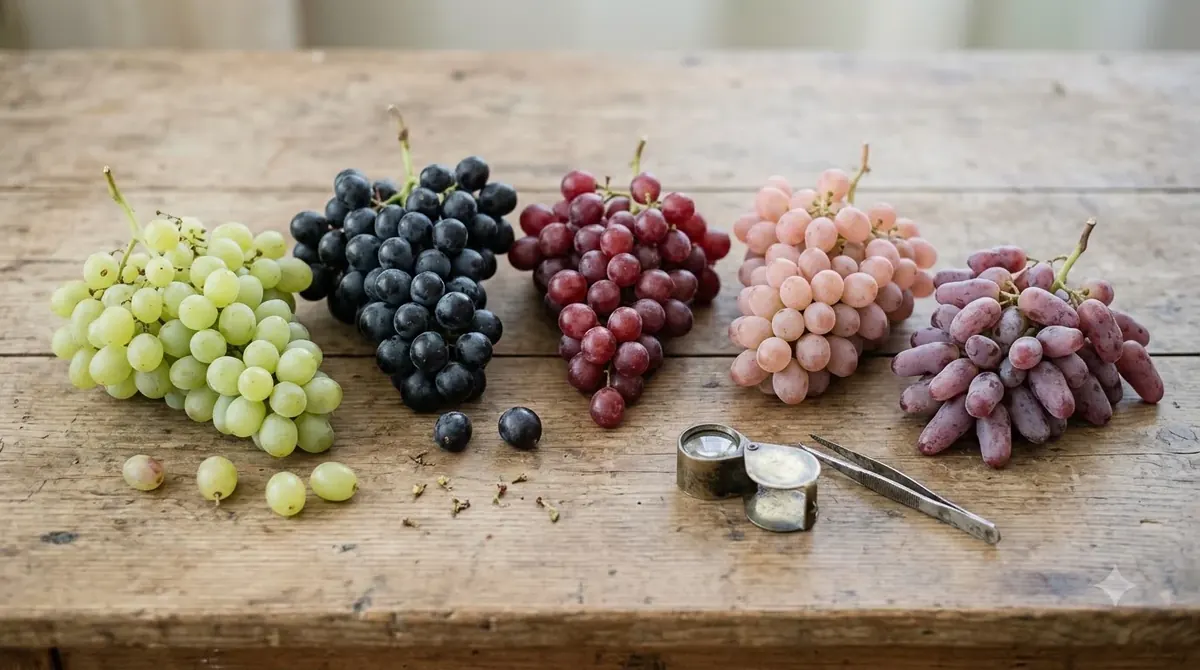
The muscat grape is a family of more than 200 Vitis vinifera varieties that share a grapey, floral aroma from a group of natural compounds called monoterpenes. Its members range from white and yellow to pink and near-black, and they are used for dry and sweet wines, sparkling wines, fortified wines, raisins, and table grapes. Knowing the main members helps you understand why one muscat wine can taste perfumed and dry while another is rich and sweet.
Most people hear the word “muscat” on a label and assume the wine is sweet. That is only part of the story. This guide explains the family as a whole, the varieties that matter most for winemakers and grape buyers, and the aroma that ties them together. It also places the family within the wider wine types that shoppers see on shelves.
What Makes the Muscat Family Different
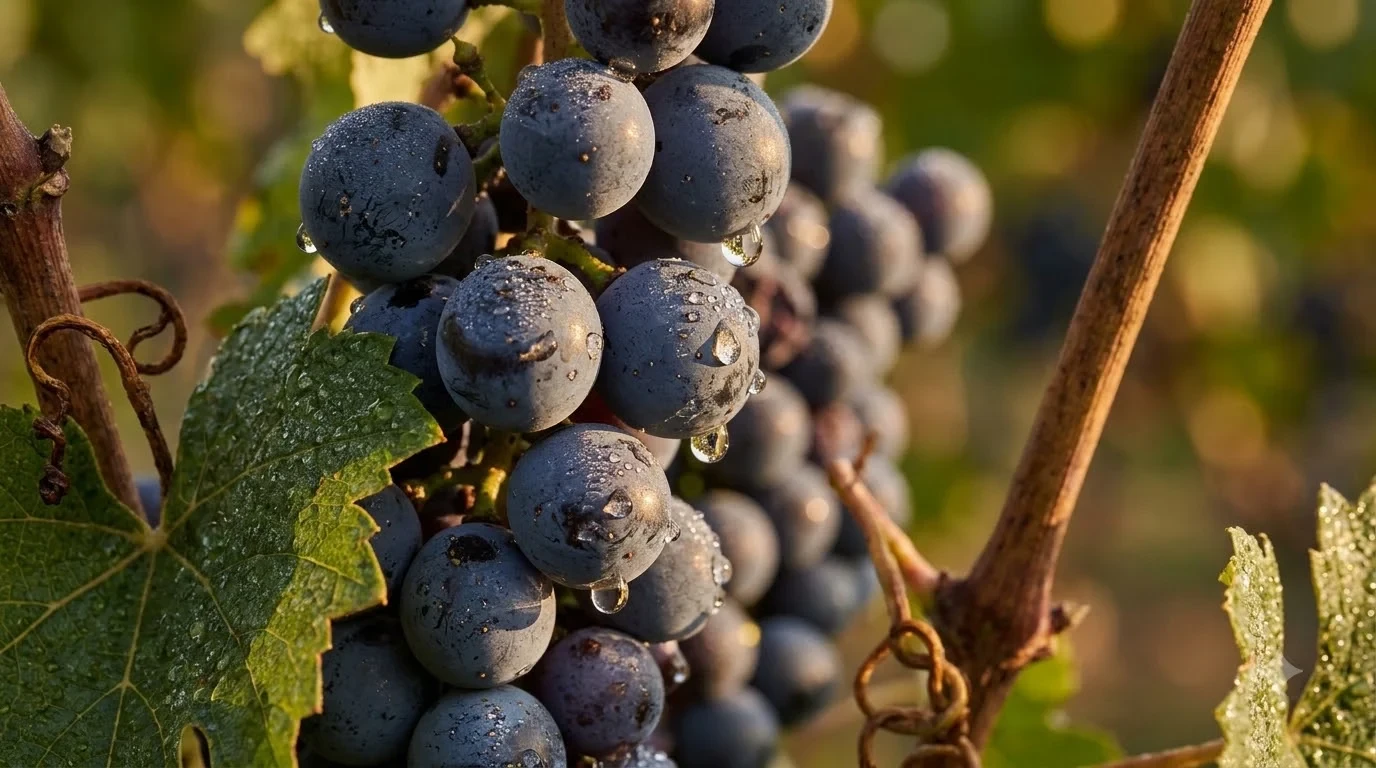
The muscat family is one of the largest groups of grapes in the Vitis vinifera species. Its members are linked by a floral, grapey character that is easy to spot in the glass. According to the WinePros muscat guide, the aroma usually shows orange blossom, honeysuckle, and citrus notes, while the palate can show honey, peach, apricot, and mango.
The aroma comes from more than 40 monoterpenes that are present in the grapes, including citronellol, geraniol, linalool, and nerol. These compounds give the family its perfume. Because the same compounds are present across the family, many members share a recognizable scent, even when the wines look and taste very different.
The Main Muscat Varieties and How They Are Used
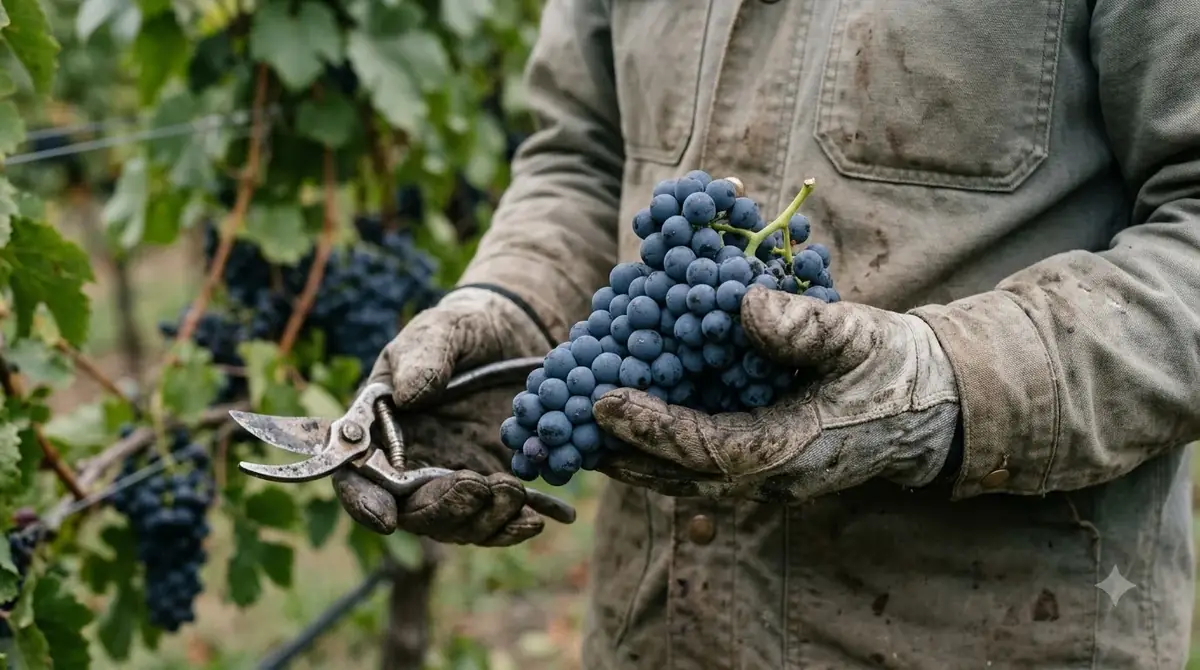
Several members of the family do most of the work. Muscat Blanc à Petits Grains is the best known, and it is the main grape in Asti and Moscato d’Asti from Piedmont. It is also used in French vins doux naturels and in some Greek sweet Muscats. Because of its importance, many labels use the name Moscato or Muscat in a way that refers to this same grape.
Muscat of Alexandria is a workhorse that serves several purposes. It appears in dessert and fortified wines, in table grapes, and in raisins. It is the main Muscat in Spain, where it is called Moscatel, and it is used for pisco in Chile and Peru. In South Africa it is known as Hanepoot, and California has more plantings of it than any other Muscat, mostly for jug wines.
| Variety | Color | Typical use |
|---|---|---|
| Muscat Blanc à Petits Grains | White | Sweet sparkling wines such as Moscato d’Asti, dessert wines |
| Muscat of Alexandria | White | Fortified and sweet wines, table grapes, raisins |
| Muscat Ottonel | Pale, early-ripening | Dry and off-dry wines in Alsace, late-harvest wines in Austria |
| Muscat of Hamburg | Black | Mainly table grapes, easy-going wines |
| Moscato Rosa | Pink | Dry and sweet wines from northern Italy |
Muscat Ottonel is a different kind of member. It is pale, ripens early, and suits cooler climates, which is why it is common in Central and Eastern Europe. In Alsace it is the main muscat and produces dry and off-dry wines, and in Austria it is the most planted muscat, often used for late-harvest styles. It is a good example of how one family can produce both crisp dry wines and rich dessert wines.
Muscat Wines: Dry, Sweet, Sparkling and Fortified
Muscat can be made in almost any style. Winemakers use the grape for bone-dry whites, medium and sweet wines, sparkling wines, and fortified dessert wines. The style depends on how much sugar is left in the wine and whether alcohol has been added. The WinePros guide notes that typical muscat wines fall between about 8 and 11 percent alcohol by volume, while fortified muscats can reach 15 to 18.5 percent or more.
Service also differs by style. Sparkling and light dry muscats are usually served well chilled and make a bright choice for a warm afternoon. Fortified muscats are often poured in small glasses after a meal, where a little goes a long way. Sweet muscats can stand in for dessert, especially with fruit tarts or soft cheeses, while a dry Muscat Ottonel works with lighter seafood or salads.
Fortified muscats are often rich and dark, with flavors of dried fruit and spice. In Spain, Muscatel-based wines are a familiar example, and on the Italian island of Pantelleria the passito Zibibbo is made from Muscat of Alexandria. Dry muscats, by contrast, are usually more delicate and show the floral side of the family.
Muscat Grapes Beyond the Wine Glass
The family is not only about wine. Muscat of Alexandria and Muscat of Hamburg are sold as table grapes, and they are also dried into raisins. Their sweetness and perfume make them appealing for fresh eating, and the same aroma that suits a dessert wine can make the fruit a pleasant snack.
Muscat of Hamburg, sometimes called Black Muscat, is mainly a table grape worldwide. In California, nearly all of its 102 hectares (250 acres) recorded in 2009 went to wine, mostly dessert styles, according to the Muscat family entry on Wikipedia. The grape is an example of how a single family can serve different markets with the same basic aroma, depending on the climate and the buyer.
Where Muscat Grapes Are Grown
Muscat grows across Europe, North America, South Africa, and parts of South America. Warm, sunny climates suit the sweeter and fortified styles, while cooler regions suit the lighter, more perfumed dry wines. Muscat Ottonel, for example, is well suited to cooler areas, and the Alsace and Austrian examples show how the grape changes with the site.
The Mediterranean has its own long tradition with the family. Greece is known for several sweet Muscats, including wines made in the Samos and Patras areas, and many Greek producers also use the grape for drier, aromatic whites. Those wines show how the same aroma can be shaped by a sunny coastal climate and by the winemaker’s choice of sweetness.
Growers also need to be careful with the family’s vigor and disease risk. Many members produce modest yields and ripen unevenly, so the vineyard work, from pruning to canopy management, shapes the final wine as much as the variety does.
Reading a Muscat Label
Labels can be confusing, because the grape name, the style, and the region all appear in different places. Start with the grape. A label that says Moscato or Moscato d’Asti usually points to Muscat Blanc à Petits Grains, while a label that says Muscat of Alexandria or Moscatel points to a different member of the family. If the label names a region such as Alsace, the wine may be a dry Muscat Ottonel, which tastes very different from a sweet sparkling style.
Next, look at the alcohol and the sugar level. A wine with a low alcohol figure and a light sparkle is likely to be sweet and easy to drink, while a fortified bottle with a higher alcohol level is usually a dessert or aperitif style. Tasting notes on the back label can help, but they vary in quality, so it is worth checking a few producers you trust.
Frequently Asked Questions
Are all muscat wines sweet?
No. Muscat is made into dry, medium, sweet, sparkling, and fortified wines. Some dry muscats, such as examples from Alsace, are known for their perfumed but crisp style.
What is the difference between muscat and moscato?
Moscato is the Italian name for Muscat Blanc à Petits Grains, the best-known member of the family. Muscat is the broader English term, and it covers more than 200 related varieties.
What aromas does muscat grape have?
Typical aromas include orange blossom, honeysuckle, and citrus. Muscat also carries a grapey character from monoterpenes that are common across the family.
Which muscat grape is used for table grapes?
Muscat of Alexandria and Muscat of Hamburg are commonly grown as table grapes. Muscat of Hamburg is especially associated with fresh eating, although it is also used for some wine.
The muscat grape rewards curiosity. Start with a dry Muscat Ottonel and a sweet Muscat Blanc à Petits Grains wine, and note how the same perfume shows up in very different styles. For a wider view of grape families and their typical styles, read the Wine by Type guide, and compare the chardonnay grape or the pinot noir grape for a sense of how the muscat character differs from other popular varieties.
More in Wine Types & Grapes
 Zinfandel Sugar Content: Dry Red vs. White Zinfandel GramsUpdated Nov 21, 2026
 Best Zinfandel Substitute Options for Sipping and CookingUpdated Nov 21, 2026
 Zweigelt Food Pairing: Best Dishes, Cheeses, and Serving TipsUpdated Nov 21, 2026
 Zinfandel Tannins Explained: How Structure Shapes Every BottleUpdated Nov 21, 2026
 Zinfandel Sweetness Level: Dry Red vs. Sweet White Zin ExplainedUpdated Nov 21, 2026
 Xinomavro Food Pairing: Best Dishes, Styles, and Serving TipsUpdated Nov 21, 2026