


We may earn a commission when you buy through links on this page, at no extra cost to you. Learn more.
A sekt cocktail is a sparkling wine drink built around German or Austrian Sekt, bringing crisp, high-acid effervescence to classic aperitifs, fruit-forward spritzes, and shaken citrus builds. Because quality Sekt must hold at least 3.5 bar of carbon dioxide pressure and a minimum of 10% alcohol by volume, it stands up to liqueurs, spirits, and fruit juices without tasting flat or syrupy. Most bartenders reach for a Brut bottling with 0 to 12 grams per liter of residual sugar so the finished drink stays bright and balanced.
While Champagne and Prosecco usually steal the spotlight on American bar menus, Central European sparkling wine brings a distinct aromatic snap that transforms familiar recipes. Whether you are pouring a traditional-method Riesling sparkler or a fresh, tank-fermented cuvée, understanding how Sekt behaves in a glass makes mixing with it effortless.
What Makes Sekt Ideal for Cocktails
Sekt is the protected term for quality sparkling wine from Germany and Austria, prized in mixed drinks for its lively natural acidity and brisk carbonation. Those structural traits keep citrus, botanicals, and liqueurs sharp rather than cloying.
Cool-climate growing regions across Germany and Austria allow grapes like Riesling, Pinot Blanc, Pinot Gris, Chardonnay, and Pinot Noir to ripen slowly, preserving vibrant malic acidity alongside stone-fruit and orchard aromas. Under German and Austrian wine law, quality Sekt undergoes a second fermentation in a closed vessel—either in tank or in the bottle—and ages for at least nine months from the start of that second fermentation. According to Wine Folly’s guide to German and Austrian Sekt, single-varietal estate bottlings known as Winzersekt or Austrian Sekt Reserve use traditional bottle fermentation and extended lees aging to build brioche depth and a fine, persistent bead.
That combination of brisk acidity and sturdy bubbles solves the most common flaw in sparkling wine cocktails: dilution. When chilled Sekt meets ice, fruit purée, or a measure of spirit, its minimum 3.5 bar of pressure keeps the mousse lively from the first sip to the bottom of the glass. Exploring how Sekt compares across Wine by Type also highlights why Riesling-based bottlings add an unmistakable lime-blossom and green-apple lift that neutral sparkling wines simply cannot match.
Essential Ingredients for a Classic Sekt Cocktail
A balanced sekt cocktail pairs well-chilled Brut Sekt with a modest measure of liqueur, spirit, or fresh citrus juice so the wine remains the star. Using precise proportions prevents excess sweetness from masking the delicate aromatics of the base wine.
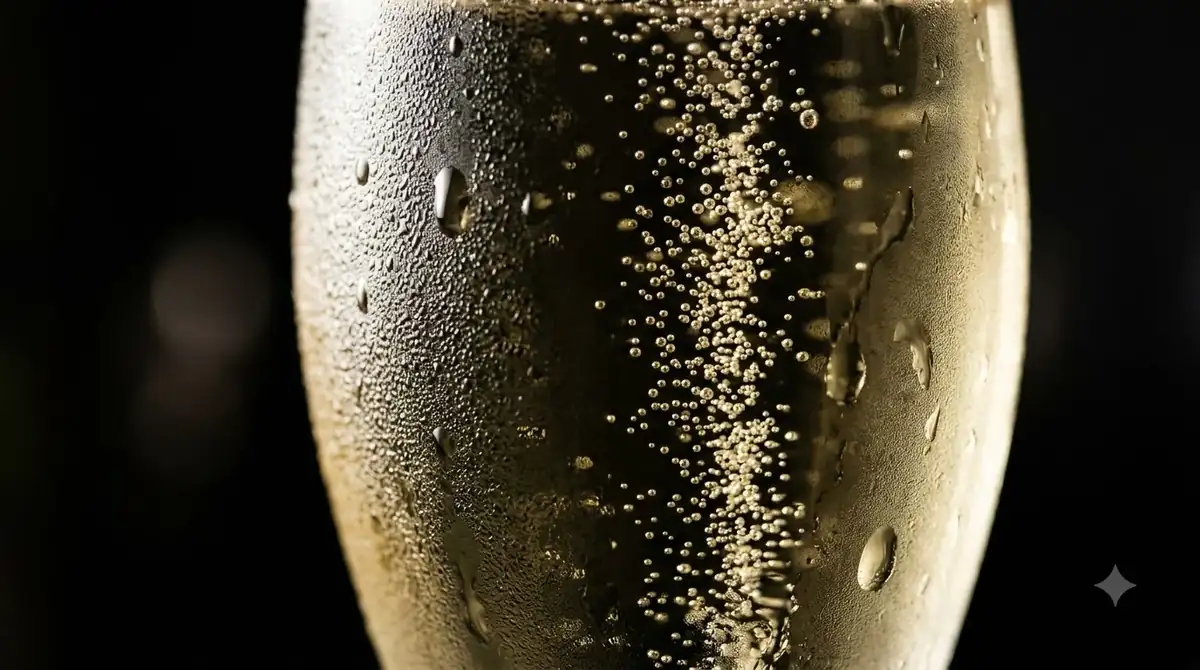
When building a signature drink such as the Hollywood—an official recipe shared by Wines of Germany—freshly squeezed grapefruit juice and orange liqueur provide bitter-sweet citrus structure that mirrors the natural zest of Riesling or Pinot Blanc Sekt. Always chill every liquid ingredient beforehand so you do not shock the wine or force rapid foaming when topping off the glass.
| Ingredient | Amount | Role in the Cocktail |
|---|---|---|
| Chilled Brut Sekt (Riesling or Pinot Blanc) | 10 cl (about 3.5 oz) | Provides crisp acidity, stone-fruit aromatics, and lively effervescence |
| Orange liqueur (such as Cointreau or triple sec) | 3 cl (1 oz) | Adds concentrated citrus sweetness and mid-palate body |
| Fresh grapefruit juice | 3 cl (1 oz) | Brings tart, pithy bitterness to balance the liqueur |
| Ice cubes | 3 cubes (for shaking) | Chills and lightly dilutes the base before straining |
| Fresh orange slice | Half wheel | Delivers aromatic citrus oils as a simple garnish |
Pay close attention to the sweetness designation on your Sekt label before measuring out modifiers. In German wine law, “Dry” (Trocken) actually contains 17 to 32 grams per liter of residual sugar, which tastes noticeably off-dry compared to a still table wine. Sticking to Brut (0 to 12 grams per liter) or Extra Brut (0 to 6 grams per liter) ensures that adding an ounce of orange liqueur or fruit juice results in a crisp, refreshing finish rather than a dessert-like drink.
How to Mix a Sekt Cocktail Step by Step
Preparing a shaken-and-topped sekt cocktail takes less than two minutes, provided you chill the non-sparkling base first and pour the Sekt gently at the end. Treating the sparkling wine with a light touch preserves its fine carbonation.
- Chill your glassware: Place a tulip glass or Champagne flute in the refrigerator for 15 minutes, or fill it with ice water while you gather your ingredients, then dump the water before straining.
- Combine the base ingredients: Pour 3 cl (1 oz) of orange liqueur and 3 cl (1 oz) of freshly squeezed grapefruit juice into a cocktail shaker along with 3 solid ice cubes.
- Shake briefly to chill: Seal the shaker and shake briskly for 8 to 10 seconds until the outside feels cold to the touch, avoiding over-shaking so the citrus base stays bright rather than watery.
- Strain into the chilled glass: Fine-strain the citrus mixture into your prepared tulip glass, leaving the ice behind in the shaker.
- Top with chilled Sekt: Tilt the glass slightly and slowly pour 10 cl (about 3.5 oz) of well-chilled Brut Sekt down the inside wall of the glass to preserve the bubbles.
- Garnish and serve immediately: Give the drink a single gentle lift with a bar spoon if needed, perch half a fresh orange slice on the rim, and serve right away.
If you are making a built-in-the-glass variation like a Kir Imperial, skip the shaker entirely. Simply measure 2 cl (about 0.75 oz) of raspberry liqueur directly into a chilled wine glass, pour the cold Sekt over top, and let the rising bubbles integrate the two layers naturally.
Tip: Never put Sekt inside a cocktail shaker—the trapped carbon dioxide will build pressure rapidly and blow the lid off, leaving you with flat wine and a sticky counter.
Popular Sekt Cocktail Variations
Beyond citrus-driven aperitifs, Sekt adapts easily to berry liqueurs, tropical fruit juices, and classic fortifiers depending on the occasion. Swapping the modifier lets you match the drink to brunch, pre-dinner hosting, or warm afternoon gatherings.

Each traditional German and European variation relies on a slightly different style of Sekt to keep flavors aligned. Fruity, juice-heavy builds work well with clean tank-fermented cuvées, whereas spirit-forward drinks benefit from the extra structure of bottle-fermented Winzersekt.
- German Glory: Stir 4 cl orange juice, 2 cl grenadine, and 1 cl fresh lemon juice in a glass over 3 ice cubes, then top with Brut Pinot Blanc Sekt and garnish with half an orange slice for a layered, brunch-ready aperitif.
- Kir Imperial: Pour 2 cl raspberry liqueur into a chilled wine glass and top with Pinot Blanc or Chasselas Sekt for an effortless two-ingredient toast with bright berry aromatics.
- Midnight Magic: Shake 6 cl noble-sweet Riesling, 2 cl Riesling brandy, 2 cl pineapple juice, and 1 tablespoon lemon juice with ice, strain into a tall glass, and top with Brut Riesling Sekt for a deeper, aromatic evening serve.
- Sekt Cobbler: Fill a glass one-third full with crushed ice, stir together 2 cl triple sec, 2 cl maraschino liqueur, and fresh lemon juice, add diced peaches, grapes, and cherries, and top with chilled Sekt.
When experimenting with richer fortified wines or autumn spice profiles, you can also borrow techniques from a riesling cocktail or even float a splash of aged fortified wine over dry Sekt, much like the approach used in a tawny port cocktail. Keeping the Sekt portion cold and dry anchors any sweet or complex addition.
Serving Temperature and Glassware Tips
Serve Sekt cocktails well chilled at 43 to 48°F (6 to 9°C) in a tulip-shaped glass or tall flute to showcase both the bubbles and the wine’s aromatics. Serving the base wine too warm makes the alcohol feel heavy and accelerates foam loss, while freezing-cold temperatures mute delicate floral and orchard notes.
Glassware shape plays a major role in how a sparkling drink smells and tastes over twenty minutes of sipping. While narrow flutes keep a tight stream of bubbles rising visually, a tulip glass—which widens slightly at the bowl before tapering toward the rim—gives aromatic grapes like Riesling and Pinot Gris room to open up without letting carbonation escape too quickly. Avoid wide, shallow coupes for carbonated builds, as their broad surface area dissipates effervescence within minutes.
For multi-drink hosting, keep unopened Sekt bottles resting in an ice-and-water bucket rather than relying solely on a refrigerator door. An ice bath brings a room-temperature bottle down to ideal serving range in roughly 20 minutes and keeps it cold between rounds, ensuring every glass you top off has the same crisp snap.
What to Serve With a Sekt Cocktail
Salty, crisp, and lightly fried appetizers make natural companions for a sekt cocktail because the wine’s high acidity and scrubbing bubbles cut cleanly through richness. Classic German and Austrian small plates highlight that contrast without overpowering the glass.
Try pairing citrus-forward Sekt drinks with warm soft pretzels and coarse mustard, crispy potato pancakes with smoked salmon, or a board of aged Alpine cheeses like Gruyère and Comté alongside cured ham. The brisk carbonation refreshes the palate between bites of buttery pastry or salty charcuterie, while subtle orchard-fruit notes in the wine echo the sweetness of caramelized onions or roasted nuts.
For lighter warm-weather spreads, herb-marinated olives, salted Marcona almonds, and shrimp crostini keep things simple and let the bright acidity of the drink shine. If you are serving a slightly sweeter berry variation such as a Kir Imperial after dinner, pair it with dark chocolate bark or fresh stone-fruit tarts rather than heavy frosted cakes so the drink never tastes flat beside the dessert.
Frequently Asked Questions
What is the best type of Sekt to use in a cocktail?
A Brut Sekt made from Riesling or Pinot Blanc is the most versatile choice for cocktails. Brut bottlings contain 0 to 12 grams per liter of residual sugar, giving you bright acidity and crisp stone-fruit character without making mixed drinks overly sweet.
Can you substitute Prosecco or Cava for Sekt in cocktail recipes?
You can substitute Cava or dry Prosecco in a pinch, though each shifts the flavor profile of the drink. Cava offers similar traditional-method toastiness and dryness, while Prosecco is softer, lower in acidity, and more overtly fruity, which can make sweet liqueurs taste heavier.
Why does “Dry” Sekt taste sweeter than expected?
Under European sparkling wine labeling laws, “Dry” (Trocken) actually indicates 17 to 32 grams per liter of residual sugar, which is noticeably off-dry. If you want a genuinely dry sparkling wine for mixing, look for bottles labeled Brut Nature, Extra Brut, or Brut.
How long does an opened bottle of Sekt stay fizzy for cocktails?
Sealed tightly with a hinged sparkling wine stopper and kept refrigerated, an opened bottle of Sekt retains lively carbonation for 2 to 3 days. Always recork the bottle immediately after pouring each cocktail rather than leaving it open on the counter.
Once you keep a chilled bottle of Brut Riesling or Pinot Blanc Sekt on hand, mixing crisp, aromatic sparkling drinks becomes second nature. Start with a simple citrus build like the Hollywood or a two-ingredient Kir Imperial, then adjust the modifiers to match whatever is on your table.
More in Wine Types & Grapes
 Zinfandel Sugar Content: Dry Red vs. White Zinfandel GramsUpdated Nov 21, 2026
 Best Zinfandel Substitute Options for Sipping and CookingUpdated Nov 21, 2026
 Zweigelt Food Pairing: Best Dishes, Cheeses, and Serving TipsUpdated Nov 21, 2026
 Zinfandel Tannins Explained: How Structure Shapes Every BottleUpdated Nov 21, 2026
 Zinfandel Sweetness Level: Dry Red vs. Sweet White Zin ExplainedUpdated Nov 21, 2026
 Xinomavro Food Pairing: Best Dishes, Styles, and Serving TipsUpdated Nov 21, 2026