


We may earn a commission when you buy through links on this page, at no extra cost to you. Learn more.
Mark West Pinot Noir food pairing works best with salmon, roast chicken, pork, mushroom dishes and lightly spiced grilled food, because the wine is medium-bodied with soft tannins and bright acidity. Those traits let it handle richer proteins without the drying grip that bigger reds leave behind. Serve it slightly cool, around 55 to 60 degrees Fahrenheit, and its fruit and acidity will show their best. Match the intensity of the dish to the wine, and the bottle will feel like a natural partner rather than a compromise.
Pinot Noir has a reputation as the red that gets along with almost everything at the table, and this California bottling fits that role. Most food questions about it come down to how a fruit-forward wine interacts with fat, salt, acid, smoke and heat. Once you know what drives the wine’s structure, the answers are fairly predictable. This guide covers what the bottle tastes like, why Pinot pairs so easily, specific dishes that work, where pairings can stumble, and the serving details that make the biggest difference at dinner.
What the Bottle Tastes Like and Why It Matters
Mark West is a medium-bodied red built on strawberry, plum and black cherry, and that fruit profile is the starting point for every pairing decision.
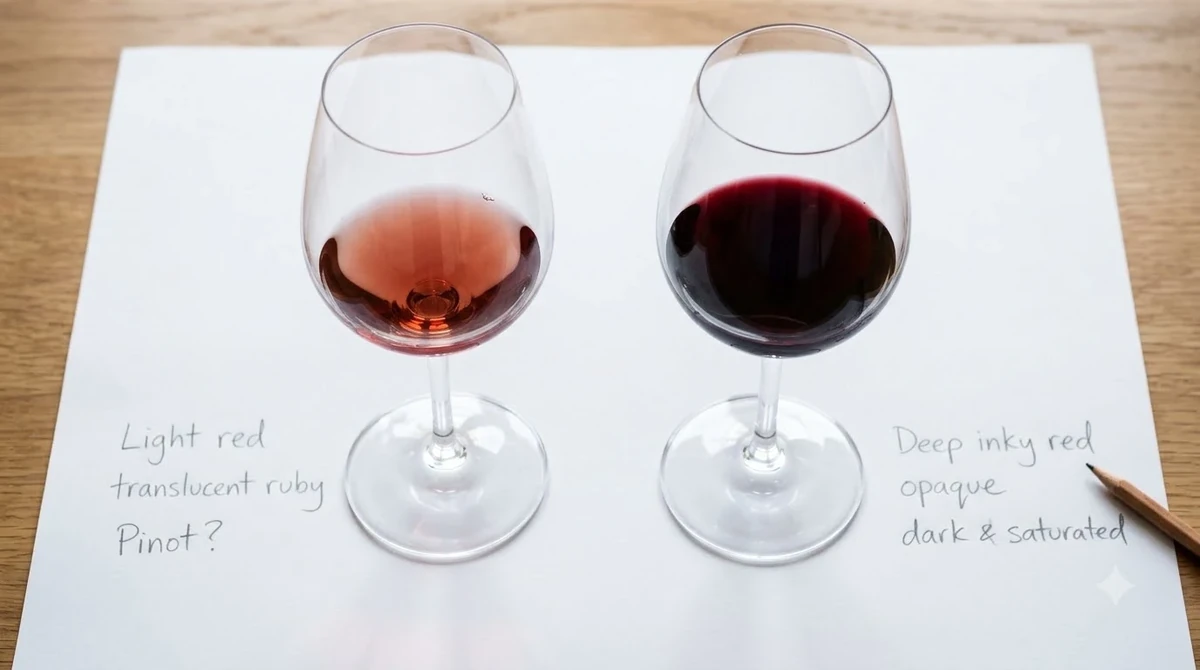
According to the product description from Publix, the wine is medium-bodied with notes of strawberry, plum and black cherry. The same description mentions a gentle, smooth finish with hints of dried cherries and brown spice, which signals a warm edge as well as a fruity one. That warmth suits roasted and grilled food, where browned edges echo the same flavors in the glass.
The retailer also says the brand takes its name from a region in Sonoma, California, and that detail is a useful clue to the style. Winetraveler notes that riper California Pinot from places like the Russian River Valley and the Sonoma Coast tends to have softer tannins and more generous fruit than cool-climate Pinot from Burgundy or Oregon. A bottle built that way has room to stand up to bolder flavors on the plate, which is one reason it can take pork and smoky grilling comfortably.
If you want a deeper look at the flavor profile before you plan the menu, our mark west pinot noir tasting notes guide walks through the aromas and finish in more detail.
Why Pinot Noir Pairs Easier Than Most Reds
Low tannin and medium-high acidity are the two traits that make this grape so flexible at the table.
Wine Folly describes Pinot Noir as usually light to medium-bodied, with lower tannins and high acidity, and it typically lands around 12 to 14 percent alcohol by volume. Those numbers matter because tannins are the drying compounds that come from grape skins and seeds. Tannins bind with proteins in meat, which softens the mouthfeel of the food, but they also clash with the oils in fish and can leave a metallic taste. A wine with more tannin, such as a young Cabernet Sauvignon, usually needs fat or salt on the plate to soften its grip. Pinot doesn’t need that help, so it moves between poultry, pork and fish without much fuss.
Acidity is the other half of the equation. Acid cuts through fat, refreshes the palate between bites and gives food a lift, which is why the wine works so well with rich preparations. The working rule is that acidic food needs a wine with equal or higher acidity, and Pinot’s brightness keeps it in step with tomato sauces, vinaigrettes and citrus. For the exact strength of the bottle you’re pouring, check our mark west pinot noir alcohol content page before you plan the drinks for a dinner.
Heat is the last structural point. Alcohol and tannin tend to make chili heat feel sharper, so a moderate-strength, low-tannin wine is a gentler base for spicy food than a big, tannic red. That doesn’t make Pinot a perfect match for every spice level, but it rarely fights a dish that has some kick.
Salmon, Tuna and Other Fish
Grilled and smoked salmon are the strongest fish matches for this wine, while seared tuna is a more selective option.
Salmon is the classic partner for Pinot Noir, and the reason is structural. The wine’s acidity handles the fish’s richness, and low tannin avoids the metallic bite that firmer reds produce with oily flesh. Total Wine’s pairing guide draws a useful distinction here: meaty grilled salmon suits fruitier styles, while smoked salmon suits the earthier Pinots of Oregon or Burgundy. A Mark West bottle sits in the fruit-forward California camp, so a grilled fillet is the more natural match.
Practical preparations work well. A lemon-and-herb grilled fillet, a cedar-plank salmon with its smoky char, or a simple pan-seared fillet with a caper butter all give the wine something to lean on. The toasty notes of cedar echo the wine’s warm spice, while the lemon brings acidity that matches the glass. Keep sauces light, because heavy cream sauces can dull the fruit and make the wine taste thinner by comparison.
Seared tuna is a more selective choice. Winetraveler suggests a chilled, light-bodied Pinot for rare-seared tuna, because minimal tannin avoids the metallic clash that bigger reds create. A fruit-forward Mark West bottle can work if it’s served cool and the tuna is only lightly seared. Very oily or strongly smoked fish such as mackerel and sardines tend to fight the fruit, so they are better left for a different wine.
Chicken, Turkey and Pork
Roast chicken, grilled chicken, turkey and pork are where this bottle performs most reliably, because these meats are mild enough to let the fruit show.
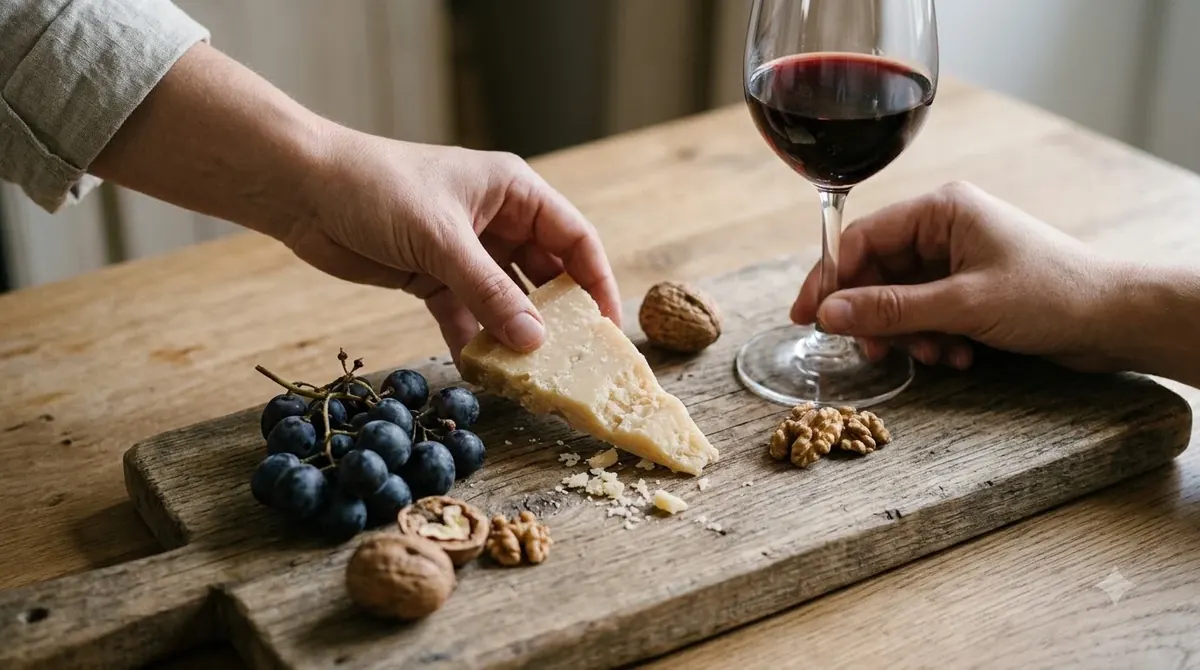
Publix suggests pairing the wine with grilled chicken and pulled pork sliders, which is a sensible set of matches for a fruit-forward Pinot. The sweetness of a barbecue sauce meets the wine’s red fruit, while the acidity keeps the richness of the pork from feeling heavy. Roasted chicken with herbs and a little pan juice is another easy choice, since the bird’s moderate fat gives the wine something to refresh without overwhelming the meat.
Turkey is one of the most dependable matches on the holiday calendar. Total Wine notes that light and dark turkey meat are equally good with Pinot, and the wine’s tangy berry notes act a lot like a spoonful of cranberry sauce. For a cross-cultural twist, a French Burgundy pairs with classic roast turkey, while a bolder California Pinot stands up to smoked or deep-fried turkey. The same logic carries to chicken, duck and goose.
Pork ribs and roast pork are strong matches too. The acidity balances rich barbecue pork, and a New World Pinot with juicy, slightly smoky ribs suits a casual backyard table. Keep the sauce moderately sweet, because very sugary glazes can make the wine taste sharper and thinner.
Tip: Trim the visible fat on pork and cook chicken skin until crisp before serving. Acidity works best on lean meat with a light coating of fat, so a heavily greasy plate can overwhelm the wine’s freshness.
Mushrooms, Pizza and Vegetarian Plates
Earthy vegetarian dishes and pepperoni pizza are reliable choices, especially when the sauce and toppings carry some acidity.
Mushrooms are among the wine’s best partners. Wine Folly notes that any earthy, fatty mushroom dish highlights the wine’s fruitiness, and it singles out Old World-style Pinot as an especially good fit. Mushroom risotto finished with butter and grated parmesan, sautéed cremini over toast, and grilled portobello caps all share the forest-floor character of the wine. The fruit lifts the mushrooms, and the mushrooms ground the wine.
Pepperoni pizza is a surprisingly strong match. Total Wine points out that the tangy-sweet tomato sauce and salty pepperoni bring out the plum and berry notes in the wine, while Pinot’s acidity helps tame the grease from the cheese and meat. A mushroom or roasted-vegetable pizza works the same way, because the wine’s earthiness picks up the char on the crust.
Roasted beets with goat cheese make a bright vegetarian plate. Beets have a deep, earthy sweetness, and the goat cheese accents the wine’s fruit notes. Winetraveler explains that umami-rich dishes can sharpen the bitterness of tannins, so a moderately tannic, vibrant Pinot is an ideal partner for them. That reasoning is why a Mark West bottle works with savory vegetable dishes in general.
Spicy Food, Cheese and Charcuterie
Mild heat, soft cheeses and cured meats are easy wins, while very hot dishes and pungent blue cheeses are the main exceptions.
Publix suggests pairing the wine with jalapeño poppers and spicy guacamole, and that advice holds up for moderate heat. Chili heat is amplified by alcohol and tannin, and this bottle has moderate alcohol and low tannin, so it keeps the spice from feeling harsh. Serve the wine cool, because the chill keeps the fruit bright and refreshes the palate between bites. Very hot curries and fiery habanero sauces will still overwhelm the fruit, so save the wine for mild-to-medium spice.
Cheese is one of the easiest pairings on a board. Winetraveler points to soft cheeses like Brie and Camembert, where acidity and light tannin cut the creamy rind and the red fruit contrasts the salty, buttery paste. The same source warns against very pungent blue cheeses, which overwhelm the wine. Total Wine suggests a lighter-style Pinot for baked Brie and Camembert, and a bolder Pinot for goat Gouda or Manchego. Adding dried strawberries or tart cherries to the board pulls the fruit forward.
Cured meats are equally friendly. Prosciutto, salami and soppressata bring salt and fat, and the wine’s acidity balances both while its light body keeps the plate from feeling flat. Total Wine says Pinot is tasty with all kinds of charcuterie and cured meats, which is why a bottle like this works well as a simple board wine for a casual gathering.
Serving Temperature, Decanting and Storage
Serve the wine around 55 to 60 degrees Fahrenheit, chill it briefly if it has been sitting out, and refrigerate any leftovers.
Temperature affects the pairing more than most people expect. Wine Folly recommends 55 to 60°F (12 to 15°C), and Winetraveler warns that an over-warm Pinot tastes flabby and alcoholic. A quick stop in the refrigerator for about 20 to 30 minutes brings a room-temperature bottle back into range, and a bottle that feels cool to the touch is a good target. Once the wine warms past that range in the glass, the fruit turns heavy and the acidity fades, which weakens every pairing on the table.
Decanting is optional here. Wine Folly notes that many young Pinot Noir wines benefit from about 30 minutes of decanting to open their aromas, but a light bottle poured straight from the cellar still tastes good. If you decant, do it about 30 minutes before the first course, and pour a smaller first glass so the wine doesn’t warm up while the food is being plated.
Storage matters if you have leftovers. Keep unopened bottles on their side in a cool, dark place near 55°F, and refrigerate an opened bottle, where still wines typically hold for three to five days. A 750 ml bottle yields about five glasses at five ounces each, so a table of four with two glasses apiece needs roughly two bottles.
| Detail | Typical range | Why it matters |
|---|---|---|
| Serving temperature | 55–60°F (12–15°C) | Keeps the fruit lifted and the alcohol in balance |
| Chill before pouring | 20–30 minutes in the refrigerator | Brings a warm bottle back into range |
| Alcohol by volume | 12–14% | Moderate strength suits a wide range of dishes |
| Decanting young bottles | About 30 minutes | Opens the aromas; optional for light styles |
| Opened and refrigerated | 3–5 days | Still wine keeps well for a few days |
| Glasses per 750 ml bottle | About 5 at 5 oz each | Helps plan how many bottles to open |
Tip: If the bottle has been sitting in a warm kitchen while you cook, put it in the refrigerator for about 20 minutes before dinner rather than trying to cool it in the glass with ice.
Frequently Asked Questions
Does Mark West Pinot Noir go with steak?
It suits leaner cuts such as filet better than a heavily marbled ribeye. Fat softens tannin, so a steak with lots of marbling is a better match for a firmer red such as Cabernet Sauvignon, whose tannins feel smooth against rich beef.
Is Mark West Pinot Noir sweet or dry?
It is a dry wine with little to no residual sugar. Its red-fruit flavors can read as sweet on the palate, but the finish is dry, with bright acidity and soft, light tannins. That combination is why it works with savory food as well as with fruit.
Can I serve Mark West Pinot Noir at Thanksgiving?
Yes, and it is one of the more forgiving choices for a crowded holiday plate. A fruit-forward, versatile Pinot with high acidity and low tannin handles sweet, savory and tart flavors at the same time, which covers cranberry sauce, stuffing and roasted vegetables without a clash. It is an easy pour for guests with different tastes.
Can I pair Mark West Pinot Noir with dessert?
Be selective. The general rule is that the wine should be at least as sweet as the dessert, and Pinot is dry, so it works best with fruit-based desserts that have modest sweetness, such as a warm berry crisp or a cherry galette. Rich chocolate desserts tend to overpower the wine and make it taste thin.
Is it worth aging Mark West Pinot Noir?
Wine Folly notes that most Pinot Noir bottles evolve gracefully over five to ten years, and top-tier versions can keep developing for up to twenty years. Most everyday bottles are built to be enjoyed young, while the fruit is fresh and the tannins are soft, so cellaring rarely adds much for a wine like this.
Mark West is a practical choice for a table with several dishes at once, because its moderate tannin and bright acidity cover poultry, pork, mushrooms and cheese without much planning. Serve it cool, match the dish’s intensity to the wine, and save the richest desserts for another bottle. If you want to compare a different California bottling, our la crema pinot noir food pairing guide takes a similar approach.
More in Wine Brands
 Underwood Wine Price: Compare Bottles, Cans, and Pack SizesUpdated Nov 21, 2026
 Zenato Wine Price: Compare Styles and Choose the Right BottleUpdated Nov 21, 2026
 Zuccardi Wine Price: Compare Bottles and Find the Right RangeUpdated Nov 21, 2026
 Yellow Tail Moscato Review: Taste, Sweetness and Serving TipsUpdated Nov 21, 2026
 Wolf Blass Yellow Label Review: Choose Your Best StyleUpdated Nov 21, 2026
 Wolffer Estate Rose Review: Choose the Right Bottle for Your TableUpdated Nov 21, 2026