

We may earn a commission when you buy through links on this page, at no extra cost to you. Learn more.
Moet white wine usually means Moët & Chandon’s white Brut Impérial Champagne, a dry sparkling wine rather than a still white wine. It combines Pinot Noir, Meunier, and Chardonnay, with notes of apple, citrus, pear, and light brioche. Its Brut style is dry, its bubbles come from a second fermentation in the bottle, and it works as both an aperitif and a food-friendly table wine.
The name can be confusing because “white wine” describes the color, while Champagne identifies the protected French region and the sparkling-wine style. The bottle most people have in mind is Moët Impérial Brut, the house’s familiar non-vintage white cuvée. This guide focuses on that wine: what goes into it, how it tastes, how sweet it is, and how to serve it with confidence. For a broader overview of wine producers, see our Wine Brands guide; a separate page covers Moët red wine rather than this white Champagne.
What the Name Means
Moet white wine is generally a search-friendly way of referring to a white Champagne from Moët & Chandon, most often Moët Impérial Brut. It is not a still Chardonnay or Pinot Grigio: it is a sparkling wine from France’s Champagne region, with fine bubbles, a dry finish, and a blend built around three traditional grapes.
The distinction matters because Champagne is a place name as well as a wine style. Under the Champagne appellation, the grapes must come from the defined growing area in northeastern France and the wine must follow the region’s production rules. A bottle labeled Champagne is therefore different from a generic sparkling wine, even when both are white, dry, and served in the same glass. Moët & Chandon’s official description presents Brut Impérial as its signature Champagne, with fruit, maturity, and a consistent house profile.
For most readers, the practical answer is simple: if a menu or search result says “Moët white wine,” ask whether it means the standard Brut Impérial. That is the relevant reference point for the classic white bottle. Moët also makes other Champagne styles, including rosé and sweeter expressions, so the brand name alone does not identify one exact sweetness level or color. A white Brut, a rosé Champagne, and a demi-sec bottle are not interchangeable.
Moët Impérial is usually non-vintage, which means the blend is not tied to one harvest year. The goal is to maintain a recognizable house style from bottle to bottle rather than showcase the conditions of a single vintage. That approach helps explain why the wine is commonly chosen for receptions, celebrations, and casual occasions where a familiar, balanced Champagne is useful.
The Grapes and Blend Behind the Wine
Brut Impérial is a three-grape Champagne, with Pinot Noir and Meunier supplying much of its structure and Chardonnay contributing freshness and finesse. Moët & Chandon gives broad blending ranges rather than one fixed recipe, because the proportions shift with the available wines and the desired house style.
The producer lists Pinot Noir at 30–40% of the blend, Meunier at 30–40%, and Chardonnay at 20–30%. These are ranges, not three numbers meant to be added together as a single permanent formula. Pinot Noir brings body and frame; Meunier contributes roundness and suppleness; Chardonnay brings lift and a finer, more delicate line. The combination allows the finished Champagne to feel generous without losing the freshness expected from a Brut wine.
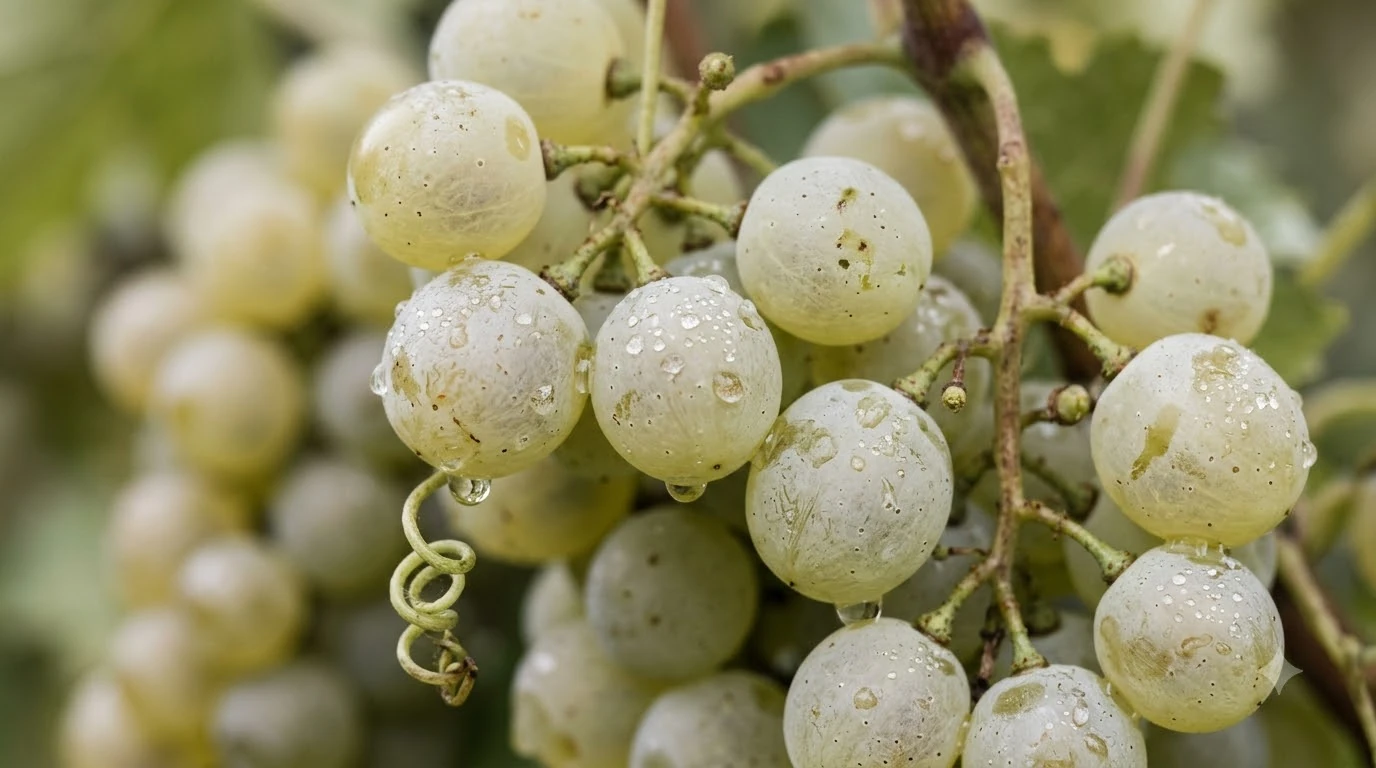
Those grape names also answer a common question about the wine’s color. Pinot Noir and Meunier are black-skinned grapes, but their juice is pale when it is pressed without prolonged contact with the skins. Champagne can therefore be white even when part of its blend comes from red grapes. Chardonnay is a white grape, but Brut Impérial is not a Blanc de Blancs: that term is used for Champagne made exclusively from white grapes.
The blend is also more complex than a simple mix of three grape varieties. Moët describes drawing on wines from different crus and harvests to shape the cuvée. In practical terms, a blend can combine fruit with different textures and levels of maturity, then balance them into one consistent wine. That is why the percentage ranges should be read as a description of the house’s blending approach, not as a recipe that every bottle must reproduce exactly.
Flavor, Aroma, Sweetness, and Alcohol
Expect a bright, dry Champagne with fresh fruit at the center and a modest toasty note in the background. Moët’s tasting profile names green apple, citrus, pear, peach, white flowers, mineral nuances, brioche, cereal, and fresh nuts; a Wine Enthusiast review likewise describes toast, ripe flavor, and zesty white fruit.
In the glass, the color is usually a golden straw shade with subtle green highlights. The first impression tends to be citrus and green apple rather than heavy tropical fruit. As the wine opens, pear and white peach can become more noticeable, while fine bubbles carry the fruit across the palate. A light bread-crust or brioche character adds a sense of maturity without turning the wine into a rich, heavily oaked style.
Brut Impérial has a dosage of 7 grams per liter, according to Moët & Chandon. That places it within the Brut category, which the Comité Champagne defines as less than 12 grams of sugar per liter. “Dry” does not mean sugar-free: Brut Champagne may contain a small amount of sugar while still tasting crisp because acidity, bubbles, and citrus flavors keep the finish lively. The sweetness scale runs from Brut Nature and Extra Brut through Brut, Extra Dry, Dry, Demi-Sec, and Doux, with the last styles noticeably sweeter than Brut.
A published Wine Enthusiast listing gives a 12% alcohol level and a 750-milliliter bottle size for its reviewed NV Brut Impérial. The Comité Champagne describes roughly 12% ABV as typical for Champagne, with some variation between bottles and styles. Alcohol and sweetness are separate measurements: a drier Champagne is not automatically lower in alcohol, and a sweeter dosage does not necessarily make the wine stronger.
| Detail | Typical Brut Impérial figure or description | What it means |
|---|---|---|
| Pinot Noir | 30–40% | Body and structure |
| Meunier | 30–40% | Supple fruit and roundness |
| Chardonnay | 20–30% | Finesse and freshness |
| Dosage | 7 g/L | Within the Brut sweetness category |
| Alcohol | About 12% ABV | Typical Champagne strength; bottle specifications can vary |
| Bottle size | 750 ml | About five standard 5-ounce pours |
For a drinker who prefers bone-dry wine, the 7 g/L dosage is useful context: Brut Impérial is dry, but it is not a zero-dosage Champagne. For someone who likes a little softness with fresh fruit, that balance can make it an approachable bottle. If you prefer a still white wine instead of bubbles, a Pinot Grigio is a different category; our Black Box Pinot Grigio alcohol content explainer is a more relevant comparison for that style.
How Champagne Production Shapes the Bubbles
Brut Impérial gets its bubbles through the traditional Champagne method, in which the wine undergoes a second fermentation inside the bottle. That step creates carbon dioxide that stays dissolved in the wine, producing the fine mousse and persistent stream of bubbles associated with Champagne.
The process begins with still base wines made from the harvested grapes. The winemaker selects and blends those wines to create the cuvée; for a non-vintage Champagne, wines from more than one harvest can be brought together. A mixture of yeast and sugar, called the liqueur de tirage, is then added before the wine is bottled and sealed for the second fermentation. The yeast converts the added sugar into alcohol and carbon dioxide, and the gas remains in the bottle.
After fermentation, the wine spends time aging with the yeast sediment, which contributes texture and notes that can suggest bread, toast, or pastry. The sediment is later collected in the neck of the bottle and removed during disgorgement. A dosage, or liqueur d’expédition, is added after disgorgement to top up the bottle and adjust the final balance. This dosage is distinct from the tirage: tirage starts the second fermentation, while dosage helps determine the finished sweetness.
Champagne rules require non-vintage wines to age in the cellar for at least 15 months from bottling; vintage Champagne must age for at least three years. Those are minimums for the appellation, not a promise that every bottle has spent only that amount of time aging. The Comité Champagne explains the bottle-fermentation method and the minimum aging periods in its official Champagne production and wine FAQ. Moët’s own Brut Impérial profile provides its grape ranges, dosage, and tasting notes.
Serving Temperature, Glassware, and Storage
Serve Moët Impérial well chilled but not icy cold: about 40–50°F is the standard range for sparkling wine. That temperature keeps the wine refreshing while leaving enough room for apple, citrus, pear, and brioche aromas to show. A bottle served straight from a very cold freezer can seem muted, with less detail in both aroma and flavor.
A tulip-shaped Champagne glass is a practical choice because it gives the bubbles room to rise while concentrating the aromas near the rim. A traditional flute can preserve a visual stream of bubbles, but its narrow opening makes it harder to smell the wine. A wide coupe is festive, yet the large surface area lets bubbles and aromas escape more quickly. Whichever glass you use, pour gently down the side and leave room at the top rather than filling it to the rim.
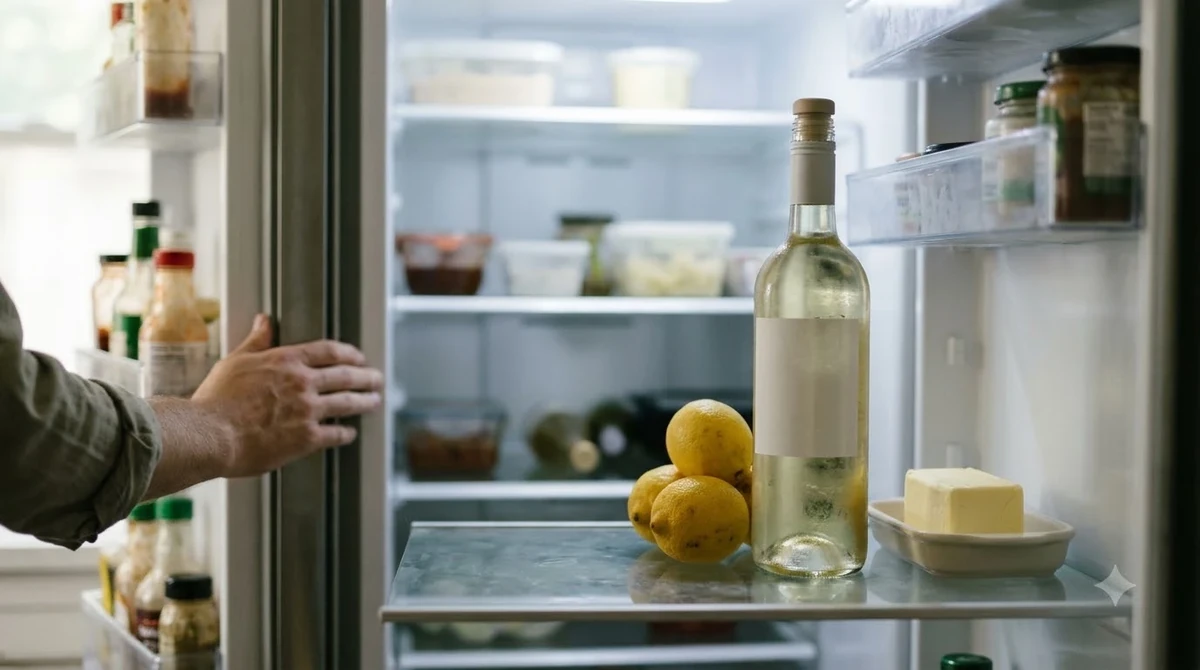
A standard 750 ml bottle gives about five 5-ounce pours. For a small group, that is enough for a welcome glass; for a longer dinner, plan on a second bottle rather than stretching each pour too thin. Keep the bottle in a refrigerator until serving, or use an ice bucket with ice and water to chill it evenly. Avoid leaving it in a freezer for an extended period, where forgotten bottles can freeze and create a mess or pressure hazard.
For longer storage, keep Champagne in a cool, dark place near 55°F, away from direct sunlight, vibration, and large temperature swings. Bottles with natural corks are commonly stored on their sides so the cork does not dry out. Once opened, use a Champagne stopper that seals tightly and refrigerate the bottle; the Comité Champagne says an opened bottle can keep for one or two days with a suitable airtight stopper. The bubbles will gradually fade, so it is best enjoyed soon after opening.
Tip: Chill the bottle before opening, hold the cork firmly, and turn the bottle rather than pulling the cork. A controlled release protects the wine and helps preserve more of its carbonation.
Food Pairings That Work With Brut Champagne
Moët Impérial’s combination of brisk acidity, fine bubbles, and dry finish makes it a flexible partner for salty, creamy, and lightly rich foods. Start with seafood, crisp appetizers, or simple fried dishes; the wine’s citrus character refreshes the palate, while its bubbles help clear a coating of fat.
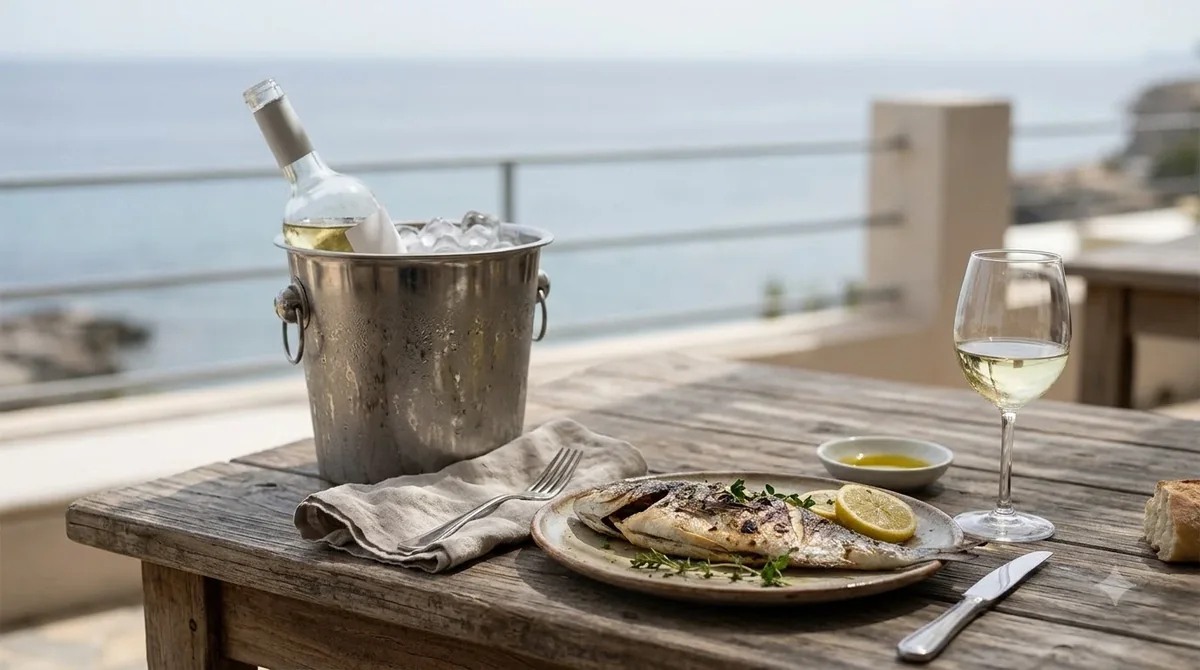
Oysters, shrimp, crab, scallops, and simply prepared white fish are natural matches. The fresh fruit and acidity complement shellfish without overwhelming delicate flavors, and a squeeze of lemon echoes the wine’s citrus notes. Smoked salmon can work well too, especially with toast or a mild cream cheese spread. Avoid strongly tannic red wine with oily fish; a dry Champagne is a more comfortable direction for those flavors.
Fried chicken, tempura vegetables, potato chips, salty nuts, and gougères are good choices for a casual gathering. Salt and fat soften the impression of tannin in wine, although Brut Impérial itself is not a tannic red; the more important pairing effect here is the way lively acidity and carbonation refresh the mouth after each bite. Creamy cheeses such as Brie or triple-cream cheese are also worth trying, while aged hard cheeses can work if their saltiness does not overpower the wine.
Keep spicy dishes moderate. Alcohol can make chili heat feel hotter, so a heavily peppered curry or a dish loaded with fresh chile may make the Champagne seem sharper and more alcoholic. Very sweet desserts are another difficult match: a wine should be at least as sweet as the dessert, or the wine can taste sour and thin beside it. Choose fruit with modest sweetness, a lightly salted pastry, or serve a sweeter Champagne with a genuinely sweet dessert instead.
For an easy menu, pour Brut Impérial with oysters or shrimp to start, fried chicken or roast poultry for the main course, and a mild creamy cheese before dessert. That progression gives the wine several roles without asking it to overpower a delicate ingredient or compete with an intensely sweet finish.
Frequently Asked Questions
These quick answers cover details that often come up after identifying Moët Impérial as a white Brut Champagne. They add a few production facts and label details beyond the blend, sweetness, and serving guidance above.
Does Moët Impérial use many different base wines?
Yes. Moët & Chandon says Brut Impérial is assembled from more than 100 different wines. The producer also says reserve wines make up 20–30% of that blend, helping support maturity, complexity, and consistency between releases.
Can white Champagne be made from black grapes?
Yes. Champagne can be made white from black-skinned grapes when whole bunches are pressed gently and the juice is separated from the skins before much pigment transfers. That is one reason Pinot Noir and Meunier can be used in a white Champagne without making it rosé.
How many grapes go into a bottle of Champagne?
The Comité Champagne estimates that about 1.2 kilograms of grapes are needed to make one bottle. The figure is a regional production estimate, not a statement that every 750 ml bottle contains exactly the same amount of fruit.
How many grape varieties are permitted in Champagne?
The Champagne appellation authorizes seven grape varieties. Pinot Noir, Meunier, and Chardonnay are the principal varieties used in the region, while the other permitted grapes are far less common in modern blends.
How many crus are there in the Champagne region?
The Comité Champagne identifies 319 crus across five French départements. A cru corresponds to a winegrowing municipality, so the term refers to a place in the region rather than a separate grape variety or a sweetness category.
For most occasions, Moët Impérial Brut is best understood as a dry, fruit-forward white Champagne with a blend of Pinot Noir, Meunier, and Chardonnay. Serve it cold, pair it with seafood or savory food, and choose a sweeter style when dessert is the main event.
More in Wine Brands
 Underwood Wine Price: Compare Bottles, Cans, and Pack SizesUpdated Nov 21, 2026
 Zenato Wine Price: Compare Styles and Choose the Right BottleUpdated Nov 21, 2026
 Zuccardi Wine Price: Compare Bottles and Find the Right RangeUpdated Nov 21, 2026
 Yellow Tail Moscato Review: Taste, Sweetness and Serving TipsUpdated Nov 21, 2026
 Wolf Blass Yellow Label Review: Choose Your Best StyleUpdated Nov 21, 2026
 Wolffer Estate Rose Review: Choose the Right Bottle for Your TableUpdated Nov 21, 2026