

We may earn a commission when you buy through links on this page, at no extra cost to you. Learn more.
South Carolina wine ranges from fruity, off-dry Muscadine to crisp European-style whites and reds, and the best bottles come from producers who match the grape to the humid, hot climate. The state has a small number of wineries and no designated American Viticulture Areas, so the label and the producer tell you most of what you need to know. Serving the wines cool and pairing them with warm-weather food brings out their fruit and freshness.
Many drinkers have never tasted a South Carolina wine, and that is part of the appeal. The state’s bottles are not easy to find on a typical shelf, so buying one takes a little planning. This guide covers the main styles you are likely to see, how to serve each one, what to pair with them, and how to choose a bottle that suits your taste.
The styles you will find
South Carolina wines fall into a few broad families. Sweeter, fruit-driven wines often come from Muscadine, a grape native to the Southeast. Crisp whites from European and hybrid varieties form another group, and reds from Cabernet Sauvignon and Merlot make up a smaller share. Because the climate is demanding, producers often focus on the varieties that handle heat and humidity best.
Wine Folly’s Muscadine guide describes the grape as an off-dry style with ripe banana, yellow apple, lime peel, and cranberry notes. It is a medium-bodied wine with medium acidity and relatively low alcohol, usually around 10 to 11.5 percent ABV. That makes it an easy choice for a warm afternoon, and it suits drinkers who prefer a softer, fruit-forward glass.
Muscadine: the grape most tied to the South
Muscadine is a North American grape species, and it is the one most closely associated with the American South. The grape is hard to make into a well-balanced wine, which is why the number of producers is limited. When it is done well, the wine shows a bright fruit character and a gentle sweetness that appeals to people who do not usually drink dry wines.
Wine Folly suggests serving Muscadine at 55 to 60 degrees Fahrenheit, in a universal glass, and giving it about 30 minutes of decanting if the bottle is older or more concentrated. The same source notes that sweeter versions are often recommended, and that rich desserts, such as a fruit trifle or custard dessert, pair well with the wine.
| Style | Typical character | Serve at |
|---|---|---|
| Muscadine | Off-dry, ripe fruit, lower alcohol | About 55 to 60 F |
| Viognier | Dry, aromatic, full body | About 45 to 55 F |
| Chardonnay | Fresh fruit, can be oaked or unoaked | Chilled but not icy |
| Cabernet Sauvignon | Structured red, darker fruit | Slightly cool, after brief airing |
Whites: aromatic and crisp
The white wines of South Carolina are where many producers show their skill. Viognier is a useful reference point. Wine Folly’s Viognier guide describes it as a full-bodied white with tangerine, mango, honeysuckle, and peach aromas, a texture some tasters call oily, and typically dry sweetness. Oak-aged versions may add vanilla and smoke, so a bottle’s label or tasting note can help you choose between a fresh style and a richer one.
Chardonnay and Sauvignon Blanc also turn up across the state. These whites are often fresh and fruit-forward, and they suit a simple seafood dinner or a plate of grilled vegetables. When you are unsure which style to pick, choose a white that mentions acidity on the label, since acidity keeps the wine lively in hot weather.
Reds: fewer bottles, careful winemaking
Red wines from the state are less common than whites, and the producers who make them tend to pick sheltered sites and manage the canopy closely to limit sun exposure on the fruit. Cabernet Sauvignon and Merlot are the main European reds, according to the Wikipedia summary of South Carolina wine, which also lists a wider group of hybrid and native grapes used in the state.
When you buy a red, look for a bottle that describes its fruit and structure rather than only its alcohol level. Reds from hot climates can taste ripe and generous, so a little time in the glass helps them open up. Serve them slightly cool, and pair them with grilled meats or hearty vegetable dishes that can stand up to the wine’s body.
How to serve and pair South Carolina wine
Serving temperature matters more than most people think. Sweet Muscadine tastes best slightly chilled, while a fuller white like Viognier shows its texture at a little warmer. Red wines are often served too warm in summer, so a short time in a cool room or a few minutes in the refrigerator can make them taste fresher.
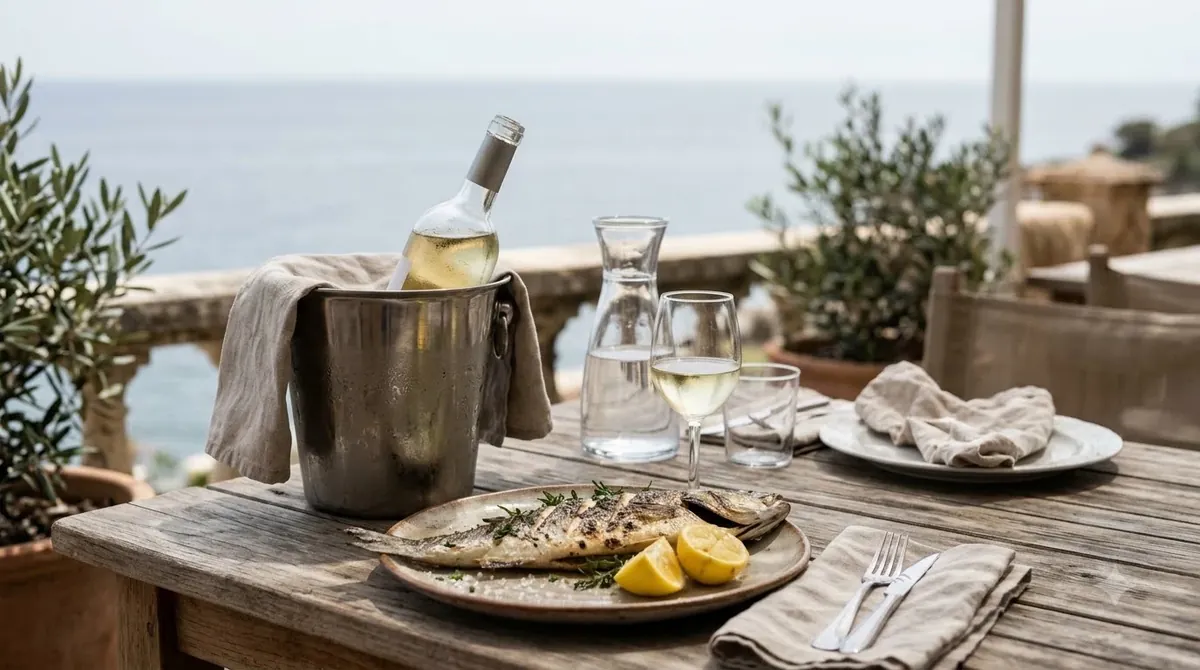
Food pairing follows the style. Fresh seafood, fried chicken, barbecue, and summer salads suit the crisp whites. Rich desserts are the obvious match for Muscadine. The sweetness of a dessert-style wine works well with custard, fruit tarts, and simple cakes. A dry red fits a grilled steak or a hearty stew, which is the kind of food that balances the wine’s structure.
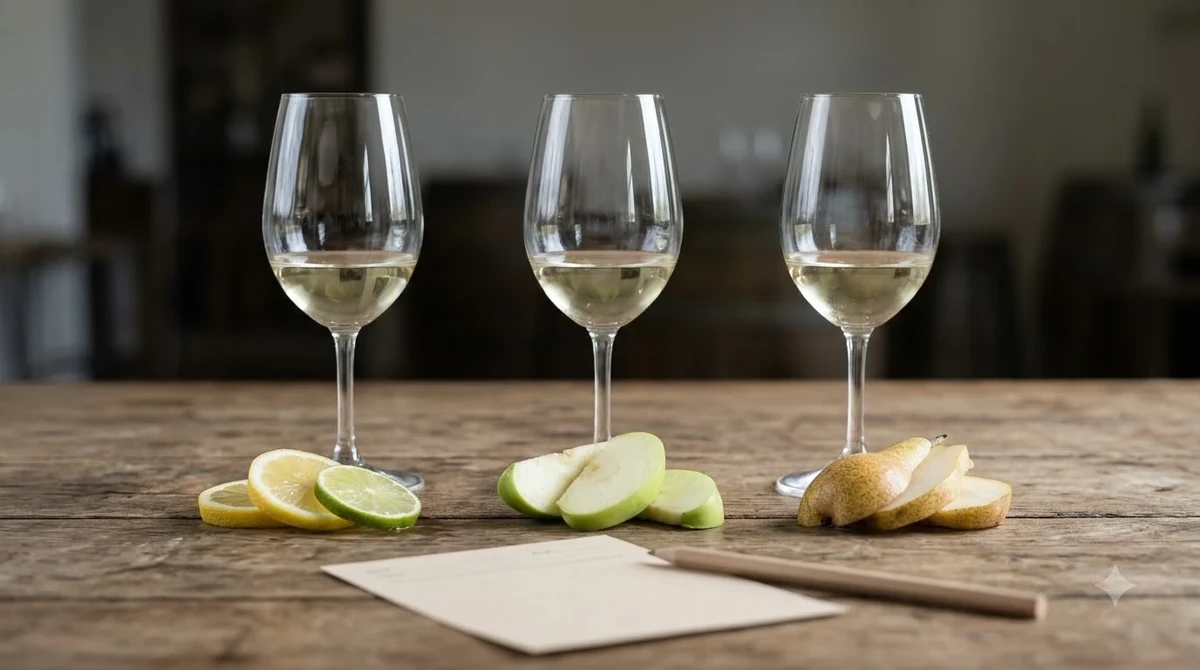
Tip: Before a dinner party, pour a small tasting of two styles side by side, such as a Muscadine and a dry white. The contrast shows how much the grape and the climate shape the glass.
How to choose a bottle
Start with the grape. If you like sweeter wines, a Muscadine or a dessert-style blend is the natural choice. If you prefer dry wines, look for a Viognier, Chardonnay, or Sauvignon Blanc. For reds, Cabernet Sauvignon and Merlot are the most recognizable names, but a bottle’s tasting notes will tell you more about its style than the grape name alone.
Next, look at the producer. Because the state has a small number of wineries, a good local producer can be a reliable guide. Ask staff which bottle they would pour for a friend who likes a certain style. Their answer often points you to a bottle you would not have found on your own.
Frequently Asked Questions
What is South Carolina wine best known for?
Muscadine is strongly associated with the state and the wider South, and it is often sweeter and fruit-driven. Producers also make European-style whites and reds, though the climate makes those styles more demanding to grow.
Is Muscadine wine sweet?
Muscadine is usually described as off-dry, which means it has noticeable sweetness but is not a heavy dessert wine. Styles vary by producer, so reading the label or asking the staff helps you find the sweetness level you want.
How should I serve a South Carolina white wine?
Serve whites chilled but not icy. Viognier tastes best around 45 to 55 degrees Fahrenheit, while sweeter Muscadine is often served a little warmer, around 55 to 60 degrees, to show its fruit.
Are South Carolina wines available outside the state?
Availability depends on the producer and the state’s distribution rules. Many smaller wineries sell most of their bottles at the estate, so visiting or buying online directly from the winery may be the most reliable route.
For more on how the state’s vineyards handle the climate, read the companion guide to south carolina vineyards. If you want to compare how other regions organize their wine styles, the overview of Wine Regions and the guide to hermann wine trail show how local grapes and tourism fit together. Start with one bottle, taste it cool with a simple meal, and you will know quickly whether the state’s wines suit your table. Keep notes on what you liked, and bring that list to the next shop or tasting room you visit.
More in Wine Regions
 Willcox Wine Trail: Discover Arizona’s High-Elevation Wine CountryUpdated Nov 20, 2026
 Yakima Valley Wine Region: Find the Best Styles to TryUpdated Nov 20, 2026
 Vosne Romanee Wine Tasting: Identify Aromas and Choose Better PairingsUpdated Nov 20, 2026
 Yakima Valley Wine Festival: Find the Best Seasonal Wine EventsUpdated Nov 20, 2026
 Wales Vineyards: Discover Cool-Climate Wines and Where to VisitUpdated Nov 20, 2026
 Yountville Wine Festival: Discover Napa Wines and Local FoodUpdated Nov 20, 2026