

We may earn a commission when you buy through links on this page, at no extra cost to you. Learn more.
A sangiovese cocktail is a mixed drink that uses Italy’s signature red grape—famous for Chianti and Brunello di Montalcino—as a bright, fruit-forward, and tannic ingredient alongside spirits, citrus, or sparkling mixers. Because Sangiovese naturally carries medium-high acidity, lively tart cherry notes, and savory herbal undertones, it bridges the gap between crisp cocktail mixers and structured base spirits. Bartenders most commonly float 0.5 to 1 ounce of dry Sangiovese over a whiskey sour to build a Tuscan-style New York Sour, or lengthen it with soda and citrus for a refreshing wine spritz.
While sweeter red blends can quickly turn a mixed drink heavy or syrupy, dry Sangiovese keeps the palate lifted and focused. Whether you are finishing off an open bottle from dinner or looking to branch out beyond white wine spritzers, understanding how this classic Tuscan grape behaves in a shaker or rocks glass opens up a versatile world of food-friendly drinks. If you are still getting familiar with how different varietals behave in the glass, our overview of Wine by Type offers helpful context before you start mixing.
What Makes Sangiovese Work in a Cocktail
Sangiovese succeeds behind the bar because its natural chemical balance mirrors the core building blocks of classic mixology: acid, bitterness, and subtle fruit. Unlike low-acid reds that fall flat once diluted with ice, Sangiovese brings snappy acidity and a savory edge that keeps drinks crisp from the first sip to the last.
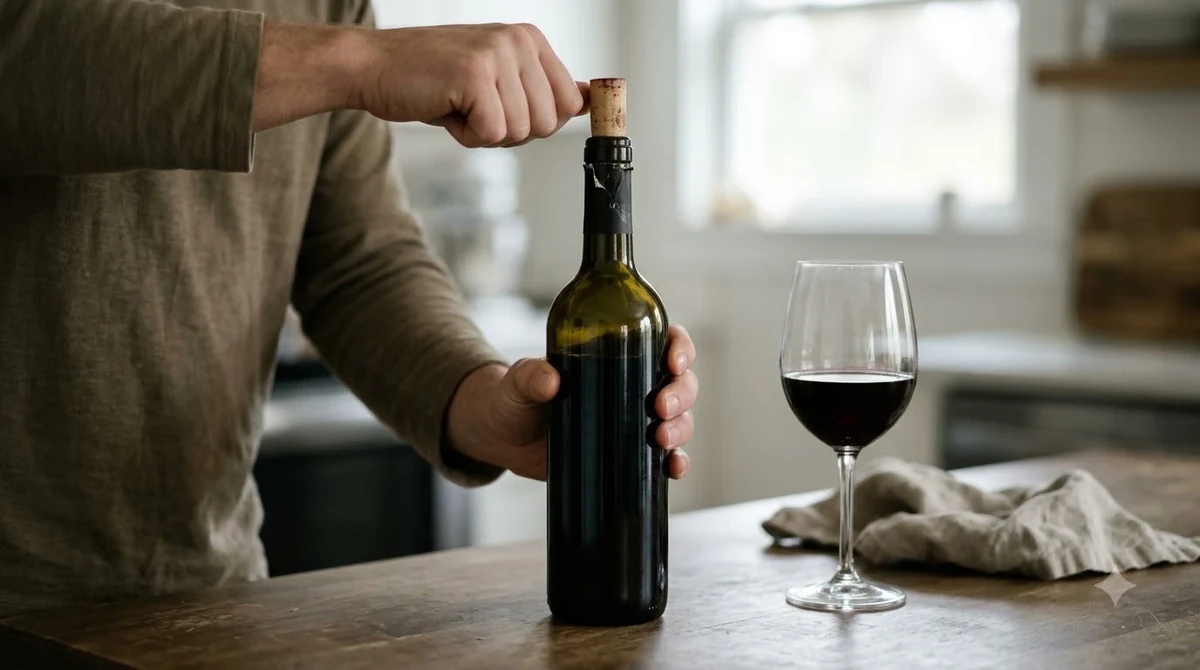
According to Wine Folly, Sangiovese is Italy’s most planted grape variety and typically displays medium-full body, medium-high tannins, and medium-high acidity, with an ABV ranging from 13.5 to 15 percent. Its core flavor profile centers on tart cherry, roasted tomato, sweet balsamic, oregano, and espresso. In cocktail terms, those savory and herbal qualities act almost like a built-in amaro or sweet vermouth, adding complexity without requiring a cabinet full of obscure liqueurs.
The wine’s ruby-to-garnet translucency also brings strong visual appeal to layered drinks. Because dry red wine has a lower specific gravity than chilled, sugar-sweetened citrus mixtures, a careful pour of Sangiovese floats cleanly on top of shaken cocktails. As the drinker tilts the glass, the wine slowly bleeds downward, shifting the flavor profile from bright lemon and whiskey to dry red fruit and subtle spice.
Reviewers at VinePair note that Sangiovese is typically lighter in color than Cabernet Sauvignon or Syrah while remaining layered, savory, and structured. That lighter pigment prevents cocktails from looking murky while still delivering the tannic grip needed to stand up against aged spirits like bourbon, rye whiskey, or brandy.
Classic Tuscan Sour Ingredient Ratios
The signature way to showcase Sangiovese in a cocktail is the Tuscan Sour, an Italian-inspired riff on the classic New York Sour that pairs rye whiskey and herbal amaro with a dry Chianti float. Measuring your proportions carefully ensures the wine’s tannins complement the citrus rather than overwhelming the base spirit.
| Ingredient | Amount (US) | Amount (Metric) | Role in the Cocktail |
|---|---|---|---|
| Rye whiskey (or bourbon) | 2 oz | 60 ml | Provides spicy, warm backbone and structure |
| Freshly squeezed lemon juice | 0.75 oz | 22 ml | Adds sharp brightness to match the wine’s acidity |
| Simple syrup (1:1 ratio) | 0.75 oz | 22 ml | Balances citrus sharpness and softens wine tannins |
| Amaro Montenegro (optional) | 0.5 oz | 15 ml | Bridges whiskey spice with Sangiovese’s herbal notes |
| Egg white (or aquafaba) | 0.5 oz | 15 ml | Creates a velvety foam cushion for the wine float |
| Dry Sangiovese (such as Chianti) | 0.5 to 1 oz | 15 to 30 ml | Floats on top for tart cherry aroma and dry finish |
Using a 1:1 simple syrup—made by dissolving equal parts granulated sugar and water—keeps the drink balanced without masking the delicate dried-herb and red-plum notes of the wine. If you omit the amaro for a simpler build, keep the lemon juice and simple syrup equal at 0.75 ounces each so the citrus doesn’t turn the dry red wine astringent.
Egg white is optional, though bartenders frequently include it because the dense foam acts as a physical shelf that holds the crimson Sangiovese layer at the top of the glass. If you prefer to skip egg white, pouring the wine slowly over the back of a bar spoon onto fresh ice cubes will still achieve a clean two-tone presentation.
How to Build a Sangiovese Cocktail Step by Step
Building a layered sangiovese cocktail takes less than three minutes, provided you chill your base ingredients thoroughly before floating the wine. Follow this sequence to achieve a balanced texture and a clean visual separation between the golden sour base and the ruby wine crown.
- Prepare your glassware: Fill a double old-fashioned or rocks glass with fresh, solid ice cubes so the glass chills while you mix the base.
- Combine the base ingredients: Add 2 ounces of rye whiskey, 0.75 ounces of fresh lemon juice, 0.75 ounces of simple syrup, 0.5 ounces of amaro (if using), and 0.5 ounces of egg white to a cocktail shaker without ice.
- Dry shake for texture: Seal the shaker tightly and shake vigorously without ice for 15 to 20 seconds to emulsify the egg white into a dense, creamy foam.
- Chill with ice: Open the shaker, fill it two-thirds full with ice cubes, and shake hard for another 10 to 12 seconds until the outside of the tin feels frosty.
- Strain into the glass: Fine-strain the chilled mixture over the fresh ice in your rocks glass, leaving roughly half an inch of headspace at the rim.
- Float the Sangiovese: Hold a bar spoon upside down just above the surface of the drink and slowly pour 0.5 to 1 ounce of dry Sangiovese over the back of the spoon so it settles gently across the top.
Avoid stirring the drink once the wine float is in place. The beauty of this preparation is how the cocktail evolves naturally as you sip through the tart cherry wine layer into the richer whiskey and citrus base underneath.
Tip: Chill your opened bottle of Sangiovese in the refrigerator for 20 minutes before pouring the float—cold wine sits on top of shaken cocktails much more cleanly than room-temperature wine.
Popular Variations Beyond the Sour
While the whiskey-based sour is the most famous home for Sangiovese, the grape’s lively acidity adapts well to lighter highballs, sparkling spritzes, and fortified wine riffs. Depending on the season and your preferred alcohol strength, you can adjust the format to highlight either the fruit or the herbal side of the wine.
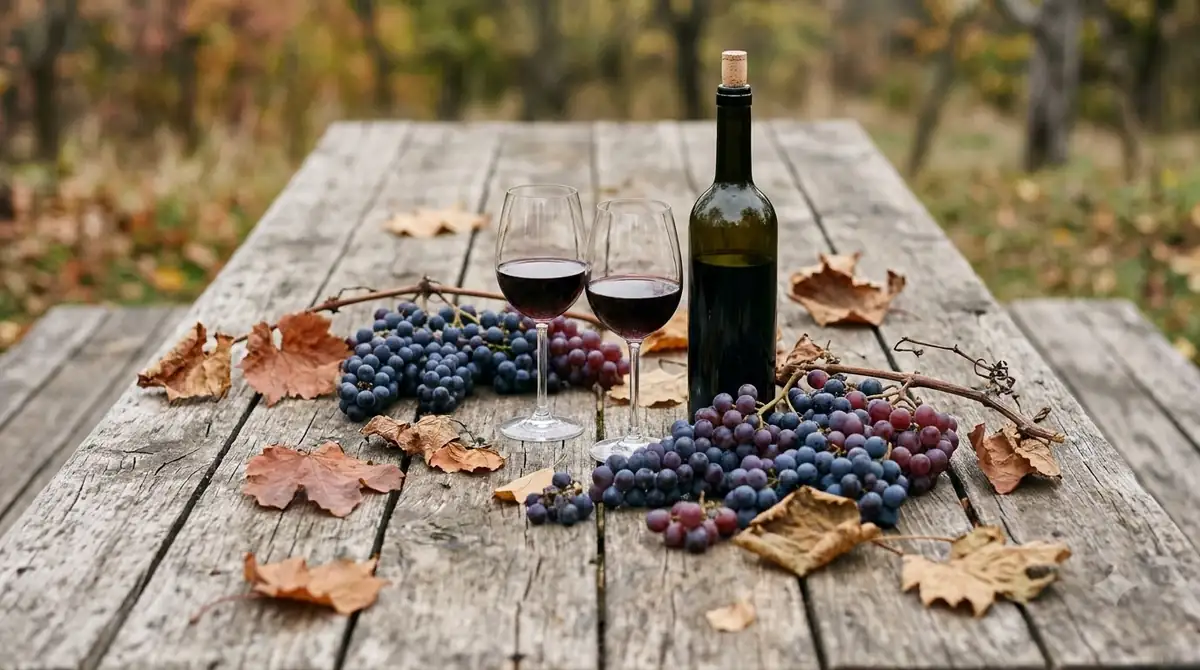
For warm afternoons, a Tuscan Red Spritz—known across parts of Italy as a Carosello—offers a lower-ABV alternative to heavy sangrias. Combine 3 ounces of chilled young Sangiovese with 1 ounce of bitter orange liqueur or sweet vermouth over ice in a large wine glass, then top with 2 to 3 ounces of chilled club soda and a fresh orange wheel. The carbonation lifts the grape’s natural strawberry and red-plum aromatics while keeping the finish crisp.
If you enjoy spirit-forward stirred drinks, try swapping half the sweet vermouth in a Manhattan or Boulevardier for a rich, oak-aged Sangiovese reduction or splash of Brunello di Montalcino. Because aged Sangiovese develops notes of leather, dried roses, and tobacco, it pairs naturally with bourbon and aromatic bitters. You can also explore adjacent wine-mixing styles by comparing how lighter aromatic whites work in a riesling cocktail or how fortified wines anchor a ruby port cocktail.
Another crowd-pleasing option is a Sangiovese Porch Pounder or winter sangria built with sliced blood oranges, cinnamon sticks, a splash of brandy, and a full bottle of unoaked Sangiovese. Unlike heavier red wines that taste muddy when chilled with fruit, Sangiovese retains its bright cherry snap even after several hours in the refrigerator.
Choosing the Right Bottle and Serving Temperature
Not every bottle of Sangiovese belongs in a cocktail shaker, and picking the right regional style will save money while improving flavor balance. In general, younger, unoaked or lightly oaked expressions outperform heavily barrel-aged reserve wines in mixed drinks.
Look for approachable Tuscan bottlings such as Chianti, Chianti Classico (younger annata releases), Morellino di Scansano, or Rosso di Montepulciano. These wines emphasize vibrant tart cherry, fresh herbs, and brisk acidity without heavy new-oak vanilla or drying wood tannins. Save expensive, long-aged Brunello di Montalcino for sipping neat at the dinner table, as intense oak tannins can turn bitter when mixed with lemon juice and ice.
When serving Sangiovese on its own, standard cellar temperature sits between 60 and 68 degrees Fahrenheit. For cocktails, however, chilling the wine slightly cooler—around 50 to 55 degrees Fahrenheit—prevents the float from melting your ice too quickly and keeps the fruit profile sharp. If you have leftover wine after mixing drinks, recork the bottle and store it in the refrigerator; Sangiovese’s high natural acidity keeps it fresh for cocktail use for three to four days. Those who enjoy richer, nutty fortified variations after dinner might also appreciate a tawny port cocktail alongside dessert.
Frequently Asked Questions
Can you use leftover Sangiovese for cocktails?
Yes, an opened bottle of Sangiovese that has been recorked and refrigerated for up to three or four days works well in cocktails. Slight aeration actually softens the grape’s firm tannins while preserving the tart cherry and herbal notes needed for sours and spritzes. Avoid wine that has oxidized to the point of smelling like sharp vinegar or flat stewed fruit.
What spirit pairs best with Sangiovese in a cocktail?
Rye whiskey and bourbon are the strongest partners because their baking spice, caramel, and grain notes complement Sangiovese’s tart cherry and savory herb profile. Gin also works surprisingly well in lighter spritzes and sours, where juniper and botanicals echo the wine’s natural oregano and thyme undertones.
Should you use oaked or unoaked Sangiovese for mixed drinks?
Unoaked or lightly oaked Sangiovese—such as standard Chianti or Rosso di Montalcino—is the better choice for cocktails. Heavy new oak aging adds intense wood tannins and vanilla flavors that can clash with fresh citrus juice and taste overly astringent when served over ice.
Why does my Sangiovese sink instead of floating on a sour?
Red wine usually sinks if the base cocktail was not shaken with enough simple syrup or if the wine was poured too quickly directly from the bottle. Ensure your sour base contains at least 0.75 ounces of 1:1 simple syrup to increase its density, and pour chilled Sangiovese slowly over the back of a bar spoon held right at the liquid’s surface.
Mastering a sangiovese cocktail is one of the easiest ways to bridge classic Italian wine culture with modern home bartending. By pairing young, high-acid Tuscan reds with fresh citrus, ice, and complementary spirits, you can turn an everyday dinner bottle into a layered, visually striking drink in minutes.
More in Wine Types & Grapes
 Zinfandel Sugar Content: Dry Red vs. White Zinfandel GramsUpdated Nov 21, 2026
 Best Zinfandel Substitute Options for Sipping and CookingUpdated Nov 21, 2026
 Zweigelt Food Pairing: Best Dishes, Cheeses, and Serving TipsUpdated Nov 21, 2026
 Zinfandel Tannins Explained: How Structure Shapes Every BottleUpdated Nov 21, 2026
 Zinfandel Sweetness Level: Dry Red vs. Sweet White Zin ExplainedUpdated Nov 21, 2026
 Xinomavro Food Pairing: Best Dishes, Styles, and Serving TipsUpdated Nov 21, 2026