


We may earn a commission when you buy through links on this page, at no extra cost to you. Learn more.
Mark West white wine is California Chardonnay, a smooth, medium-bodied white wine with green apple, ripe pear, peach, and toasted oak flavors. It offers a fruit-forward profile with a rounded texture and enough freshness to complement seafood, chicken, salads, and creamy pasta. Serve it chilled at 50–55°F to enjoy its fruit character without muting its aromas.
Mark West is a familiar California wine brand best known for Pinot Noir, but its Chardonnay provides a different option for people who prefer white wine. Its combination of orchard fruit, citrus, and gentle oak makes it approachable for casual dinners, weekend gatherings, and simple meals at home. Understanding its grape variety, flavor profile, alcohol content, and food pairings makes it easier to decide whether this bottle suits your preferences.
What Is Mark West White Wine?
Mark West white wine is Chardonnay from California, rather than a separate white wine blend with an unfamiliar grape composition. Its recognizable character comes from ripe orchard fruit, a smooth texture, and a measured influence of oak. It is a useful choice for drinkers who enjoy familiar Chardonnay flavors without necessarily seeking a highly complex or heavily structured bottle.
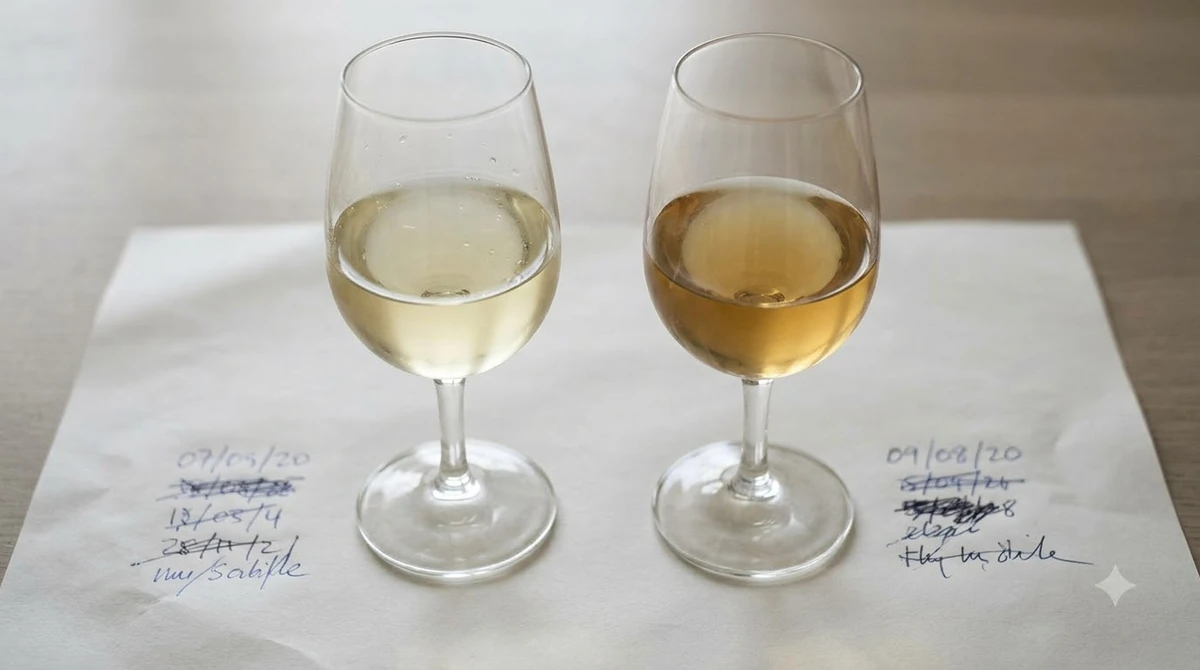
Mark West’s official wine portfolio lists Chardonnay alongside Pinot Noir, Pinot Noir Black, and Cabernet Sauvignon. The producer describes its Chardonnay as smooth and rich, emphasizing green apple, ripe pear, and a hint of toasted oak. These characteristics provide a straightforward introduction to the brand’s white wine style. The official Mark West wine portfolio provides the producer’s own description of its Chardonnay and other offerings.
California Chardonnay can take several forms, ranging from crisp, citrus-driven wines to richer examples with creamy textures and pronounced oak. Mark West sits closer to the fruit-forward, rounded side of this spectrum. Its combination of apple, pear, and oak gives it a familiar profile that works across several everyday dining situations.
The brand is associated with California, and its official website identifies Mark West Wine Company in Modesto. The Chardonnay should therefore be understood as a California white wine rather than a French Chardonnay or an imported European bottling. Its general style reflects the broad appeal of California Chardonnay, where ripe fruit and accessible texture are common features.
For people who already recognize the brand through its red wines, the Chardonnay offers a useful comparison. Pinot Noir emphasizes red fruit and softer tannins, while Chardonnay focuses on orchard fruit, citrus, and a different kind of texture. Readers interested in the red wine can also explore Mark West Pinot Noir tasting notes to understand how the two styles differ.
Mark West white wine is particularly relevant to drinkers who want a familiar grape variety rather than an unusual regional specialty. Chardonnay is widely recognized, and its flavor profile can work with foods that are difficult to pair with strongly tannic red wines. It also provides enough body to accompany dishes with butter, cream, or roasted ingredients.
Mark West Chardonnay Flavor and Aroma Profile
Mark West Chardonnay combines green apple, pear, peach, citrus, and toasted oak, creating a fruit-forward profile with a rounded finish. The balance between fresh fruit and oak gives the wine more texture than a very light, neutral white wine while keeping its flavors recognizable.

The nose is a useful starting point when evaluating this Chardonnay. Green apple and ripe pear are the core aromas identified by the producer and retailer descriptions. Depending on the bottling, additional impressions can include pineapple, citrus, cinnamon, and toasted oak. These aromas make the wine recognizable before the first sip.
Wine Enthusiast’s review of the 2024 Mark West Chardonnay describes green apple, pineapple, cinnamon, and toasted oak on the nose. Its tasting notes also identify ripe pear, peach, orange zest, and clove. The review awarded that particular vintage 90 points, providing an independent assessment of its quality rather than relying only on the brand’s own description. The Wine Enthusiast review of the 2024 Mark West Chardonnay offers additional detail about that specific bottling.
Earlier bottlings show that the wine’s flavor details can vary between vintages. Wine Enthusiast’s review of the 2022 Chardonnay identified yellow apple, orange peel, passion fruit, vanilla cream, and a spiced dry finish. That variation is normal in wine: growing conditions, grape ripeness, fermentation decisions, and aging can influence the aromas and flavors that appear in each release.
Understanding the texture
Chardonnay is generally associated with more body than very light white varieties such as Pinot Grigio. Mark West’s descriptions emphasize a smooth and rich character, suggesting a wine that feels rounded rather than particularly sharp or watery. The fruit flavors contribute to that impression, while oak can add a more substantial finishing sensation.
Oak influence is another important part of the profile. Toasted oak may contribute impressions of baking spice, vanilla, or gentle wood-derived warmth. These characteristics can make Chardonnay seem fuller, especially alongside ripe pear and peach flavors. They should not be confused with actual sweetness, however. A wine can smell fruity and taste rounded while still finishing dry.
For a practical description, expect a California Chardonnay with orchard fruit, some citrus, and a noticeable but approachable oak character. It is not best understood as a highly austere, mineral-driven white wine. Instead, its appeal comes from familiar fruit flavors and a smooth style that works comfortably with food or as a casual glass on its own.
Sweetness, Acidity, and Alcohol Content
Mark West Chardonnay is best approached as a dry-style California white wine with ripe fruit flavors and a rounded mouthfeel. Its apple, pear, and peach notes can create an impression of sweetness, but fruit-forward aromas do not automatically mean that a wine contains substantial residual sugar.
The distinction between fruitiness and sweetness matters when choosing Chardonnay. A dry wine can smell like ripe pineapple or peach while still tasting dry on the palate. Oak and vanilla-like aromas can also make a wine seem richer without necessarily making it sweet. Mark West’s descriptions emphasize fruit, texture, and oak rather than positioning the Chardonnay as a dessert wine.
Acidity provides another important part of the experience. Chardonnay generally has medium acidity, which means it can offer freshness without the sharper sensation associated with high-acid varieties such as Sauvignon Blanc or Riesling. In Mark West Chardonnay, the fruit and rounded texture help create an approachable balance for drinkers who do not want an extremely crisp white wine.
How strong is Mark West Chardonnay?
Wine Enthusiast identifies 13.5% ABV for its reviewed 2024 Mark West Chardonnay. Kroger also lists 13.5% ABV for the California Chardonnay, making that a useful reference point when considering the wine’s alcohol strength.
Alcohol by volume measures the percentage of a beverage’s volume that consists of pure alcohol. At 13.5% ABV, Mark West Chardonnay falls within a familiar range for California Chardonnay. Its relatively full fruit character and rounded texture can make the wine feel substantial compared with lighter white wines.
The bottle format is another practical detail. The standard 750 ml bottle contains approximately five conventional 5-ounce servings. That makes it a convenient format for a small dinner or a shared bottle with several guests. Pouring measured servings also makes it easier to compare the wine with other varieties and understand its structure.
| Characteristic | Typical Mark West Chardonnay detail |
|---|---|
| Wine type | White wine |
| Grape variety | Chardonnay |
| Origin | California, United States |
| Alcohol content | 13.5% ABV in reviewed and listed bottlings |
| Standard bottle | 750 ml |
| Conventional serving | 5 oz |
| Approximate servings per bottle | 5 |
| Serving temperature | 50–55°F |
| Acidity | Medium |
| General style | Fruit-forward, smooth, and oaked |
These figures provide a practical overview rather than a guarantee that every historical or future bottling will have identical specifications. Alcohol content and other production details can vary between releases. For people comparing Mark West with the brand’s red wines, the Mark West Pinot Noir alcohol content discussion provides another useful reference point.
How Mark West Chardonnay Is Made
Fermentation and oak aging help shape Mark West Chardonnay’s fruit-forward character and smooth texture. Available product descriptions identify cool fermentation and French oak aging as elements of its production, although the exact treatment should not be assumed to be identical across every vintage.
Target’s product description states that the Chardonnay undergoes two to three weeks of cool fermentation. Cool fermentation is a winemaking technique that helps preserve fresh fruit aromas and prevent excessive heat from diminishing delicate aromatic characteristics. This is especially relevant for a white wine whose appeal depends on recognizable apple, pear, citrus, and tropical fruit notes.
After fermentation, oak can influence both aroma and texture. Target identifies French oak aging in its description of Mark West Chardonnay. Oak contact can introduce additional flavors and sensations, including toasted wood, vanilla-like impressions, and gentle spice. These characteristics help explain why the wine’s profile includes more than just fresh apple and pear.
What oak contributes
Oak aging does not necessarily mean that a wine tastes strongly of wood. Its influence depends on the type of barrel, the barrel’s previous use, the duration of contact, and the winemaker’s decisions. A measured oak character can complement ripe fruit without overwhelming it.
For Mark West Chardonnay, toasted oak is a recurring description in both the producer’s portfolio and retailer information. That consistency makes oak a useful part of the wine’s general identity. Drinkers who enjoy vanilla-like notes, gentle spice, and a rounded mouthfeel may appreciate this aspect of the style.
It is also important to distinguish oak influence from malolactic fermentation. Malolactic fermentation converts sharper malic acid into softer lactic acid and can contribute to a creamier impression in Chardonnay. However, the available Mark West descriptions do not establish an exact malolactic fermentation percentage for every release, so it would be inaccurate to assign a specific production figure to the brand’s entire Chardonnay range.
Likewise, the precise oak-aging duration should not be generalized from one product description to every vintage. The most reliable broad conclusion is that the wine combines fresh fruit characteristics with a recognizable oak influence. That combination gives it a familiar California Chardonnay profile that is easy to understand even for someone relatively new to wine.
Best Food Pairings for Mark West White Wine
Mark West Chardonnay pairs particularly well with seafood, chicken, creamy pasta, and dishes containing moderate amounts of butter or toasted ingredients. Its medium acidity and rounded texture make it versatile enough for both simple weekday meals and more substantial dinner dishes.
Seafood is a natural starting point. Grilled salmon, shrimp, and cioppino can complement the wine’s apple, pear, and citrus notes. Kroger specifically recommends cioppino served over pasta, while Wine Enthusiast suggests Petrale sole with lemon butter caper sauce for its reviewed 2024 bottling. Both recommendations illustrate how Chardonnay can work with seafood preparations that include flavorful sauces.
Chicken is another reliable match. Roasted chicken with herbs, grilled chicken breast, and chicken served with a light cream sauce can complement the wine’s rounded texture. The fruit character provides contrast to savory seasoning, while oak-derived notes can work alongside roasted flavors.
Pairing by cooking method
Grilled foods are particularly useful because light browning introduces savory flavors that can complement toasted oak. Grilled shrimp with lemon, roast chicken with thyme, and grilled vegetables with olive oil are straightforward choices. Avoid sauces that are excessively sweet or heavily spiced, since they can make a dry Chardonnay seem less balanced.
Creamy pasta dishes are also suitable. Fettuccine with chicken, mushroom pasta, and pasta with a moderate Parmesan sauce can work well with the wine’s body. The acidity helps prevent a rich dish from feeling too heavy, while the wine’s texture makes the pairing feel cohesive.
Salads can work if their ingredients are selected carefully. A Cobb salad with chicken, egg, avocado, and a moderate vinaigrette provides several complementary flavors. However, very acidic dressings can make a medium-acidity wine seem flat. Keep the dressing balanced and avoid using excessive vinegar or lemon juice.
For cheese, consider Brie, mild Gouda, and young Monterey Jack. These cheeses have enough richness to complement Chardonnay without overwhelming its fruit. Very pungent cheeses can dominate the wine’s more delicate aromas, so milder varieties are usually a better starting point.
Sweet dishes require a different approach. A dessert should generally be no sweeter than the wine, otherwise the wine may taste thin or overly acidic. Mark West Chardonnay is better suited to lightly sweet fruit-based dishes than intensely sugary desserts. A modest serving of apple tart, for example, may be more compatible than a heavily frosted cake.
Tip: Start with grilled salmon, roast chicken, or shrimp with lemon butter when planning a meal around Mark West Chardonnay. These dishes complement its fruit and oak characteristics without requiring complicated seasoning.
Foods to approach carefully
Very spicy dishes are less suitable because alcohol can intensify the sensation of chili heat. A heavily peppered curry or a dish loaded with hot peppers may overwhelm the wine’s fruit character. If serving spicy food, choose a milder preparation with cream, coconut, or other ingredients that soften the heat.
Highly acidic foods can also create a mismatch. Tomato-heavy sauces, strongly vinegared salads, and intensely citrus-based dishes may make a medium-acidity Chardonnay seem less lively. Adding a richer ingredient, such as olive oil or a mild cheese, can help create a more balanced plate.
For people who prefer red wine with dinner, the Mark West Pinot Noir food pairing article offers alternatives for dishes better suited to a lighter red wine. Chardonnay is generally the more natural option for seafood with butter sauces, while Pinot Noir may be more suitable for some mushroom, poultry, and roasted vegetable preparations.
Serving Temperature, Glassware, and Storage
Serve Mark West Chardonnay at 50–55°F to preserve its fruit aromas while keeping its texture refreshing. A moderately chilled bottle is generally more expressive than one served extremely cold, because excessive chilling can mute the aromas of apple, pear, peach, and toasted oak.
Temperature makes a noticeable difference in how white wine smells and tastes. When Chardonnay is too cold, its aromas become less pronounced and its flavors can seem restrained. As it warms slightly in the glass, the fruit and oak become easier to recognize. This gradual change is one reason a wine should not be served directly from an especially cold freezer.
Choosing the right glass
A medium-sized white wine glass is a practical choice. Its bowl provides enough room for aromas to collect while remaining narrower than the bowl of many red wine glasses. This shape helps concentrate the Chardonnay’s orchard fruit and toasted oak notes without requiring specialized glassware.
Fill the glass to approximately 5 ounces rather than filling it to the rim. Leaving space allows the wine to release aromas as the glass is gently swirled. It also makes it easier to assess changes in the wine as its temperature rises slightly during the meal.
There is no need to decant an ordinary bottle of Mark West Chardonnay. Unlike a young, full-bodied red wine that may benefit from 30–60 minutes of aeration, this approachable white wine is generally ready to serve after chilling and opening. A brief rest in the glass is sufficient for most casual drinking situations.
Storing an unopened bottle
Keep unopened Chardonnay away from direct sunlight, heat sources, and major temperature fluctuations. A cool storage environment near 55°F is a useful target for longer-term wine storage. Bottles with traditional cork closures are generally stored horizontally to keep the cork from drying out.
For a bottle intended for near-term drinking, a cool, dark cupboard can be sufficient if the room temperature remains reasonably stable. Avoid storing wine beside an oven, radiator, or sunny window. Repeated exposure to heat can damage the wine’s aromas and freshness.
Keeping an opened bottle fresh
After opening, close the bottle with its original closure or a suitable wine stopper and refrigerate it. A typical opened still white wine remains enjoyable for approximately three to five days, depending on storage conditions and how much air has entered the bottle.
Cold storage slows oxidation, although it cannot completely prevent flavor changes. A bottle with only one glass remaining may lose freshness faster than a nearly full bottle because there is more air inside. Keeping the bottle upright and tightly closed helps manage this process.
Before serving a refrigerated leftover portion, allow it to warm briefly toward the recommended 50–55°F range. This helps restore the wine’s aromas and makes the fruit character more noticeable. If the wine has developed an unpleasant smell or a distinctly stale flavor, it may no longer be enjoyable to drink.
Who Should Choose Mark West Chardonnay?
Mark West Chardonnay is a sensible option for people who enjoy California white wine with ripe fruit, a smooth texture, and some oak influence. Its recognizable flavor profile makes it approachable for casual wine drinkers, while its versatility gives it a place at the dinner table.
People who enjoy green apple, pear, peach, and gentle toasted notes will likely understand the wine’s appeal. It is also a reasonable choice for someone moving from very light white wines toward a fuller Chardonnay. Its fruit-forward character offers a familiar introduction to the variety without requiring extensive knowledge of wine regions or production methods.
However, the style may not suit everyone. Drinkers who prefer extremely crisp, high-acid whites may find Chardonnay’s medium acidity and rounded texture less refreshing. Someone who specifically wants a lean, mineral-driven wine might prefer an unoaked Chardonnay, Sauvignon Blanc, or a different white variety.
Comparing it with other white wines
Sauvignon Blanc generally offers higher acidity and more pronounced citrus, green fruit, and herbal characteristics. Riesling can range from completely dry to sweet, but it often has a more noticeable acidic backbone. Pinot Grigio is frequently lighter in body, with a cleaner and simpler fruit profile.
Chardonnay occupies a different position. It can offer more body, a softer impression of acidity, and greater potential for oak-derived flavors. Mark West’s green apple, ripe pear, peach, and toasted oak profile makes it particularly relevant to people who prefer a rounded white wine rather than a very sharp or delicate one.
It can also be a useful choice for entertaining. Its familiar grape variety and food-friendly character make it easier to serve to guests with different levels of wine experience. A bottle can accompany a seafood starter, grilled chicken main course, or a selection of mild cheeses without demanding a highly specialized menu.
For people exploring the producer’s complete selection, its Wine Brands category provides a starting point for learning about other labels and styles. Comparing Chardonnay with the brand’s Pinot Noir and Cabernet Sauvignon can also help clarify which wine best suits a particular meal.
Overall, Mark West Chardonnay is most attractive to drinkers seeking a familiar California white wine with fruit-forward flavors and moderate oak influence. It is not designed to be an especially austere or highly acidic style. Its strongest qualities are its approachable character, recognizable flavors, and compatibility with a wide range of everyday foods.
Frequently Asked Questions
Does Mark West make white wine besides Chardonnay?
The brand’s official portfolio identifies Chardonnay as its white wine offering. Other white grape varieties have appeared in historical retail listings, including Pinot Gris or Pinot Grigio, Gewürztraminer, and Sauvignon Blanc. Those listings do not establish that every variety remains part of the current portfolio.
Is Mark West Chardonnay vegan?
The available product descriptions do not establish whether every Mark West Chardonnay bottling is vegan-certified. Wine clarification can involve fining materials derived from animal or non-animal sources. People who require vegan-certified wine should seek confirmation from the producer for the specific bottling.
Does Mark West Chardonnay contain sulfites?
Target identifies sulfites in the allergen information for its Mark West Chardonnay listing. Sulfur dioxide and related sulfites are commonly used in winemaking to help protect wine from oxidation and unwanted microbial activity. The presence of sulfites is a standard consideration when reading wine ingredient and allergen information.
Does Mark West Chardonnay use a cork or screw cap?
Closure formats can differ between bottlings and retail listings. Wine.com identifies a screw-cap feature for its 2021 Mark West Chardonnay listing. That historical listing should not be treated as proof that every release uses the same closure.
Has Mark West Chardonnay received independent wine ratings?
Yes. Wine Enthusiast awarded the 2022 Mark West Chardonnay 91 points and the 2024 bottling 90 points. These scores apply to the specific reviewed vintages rather than serving as a permanent rating for every bottle produced under the brand.
Mark West white wine offers a recognizable California Chardonnay style built around green apple, pear, peach, and toasted oak. Its smooth texture and food-friendly character make it a practical choice for seafood, chicken, and creamy pasta, especially when served at 50–55°F. For drinkers who appreciate approachable Chardonnay with familiar fruit flavors, it is a useful bottle to consider.
More in Wine Brands
 Underwood Wine Price: Compare Bottles, Cans, and Pack SizesUpdated Nov 21, 2026
 Zenato Wine Price: Compare Styles and Choose the Right BottleUpdated Nov 21, 2026
 Zuccardi Wine Price: Compare Bottles and Find the Right RangeUpdated Nov 21, 2026
 Yellow Tail Moscato Review: Taste, Sweetness and Serving TipsUpdated Nov 21, 2026
 Wolf Blass Yellow Label Review: Choose Your Best StyleUpdated Nov 21, 2026
 Wolffer Estate Rose Review: Choose the Right Bottle for Your TableUpdated Nov 21, 2026