

We may earn a commission when you buy through links on this page, at no extra cost to you. Learn more.
Michael David wine comes from Michael David Winery in Lodi, California, a family-run producer known for bold reds, especially Zinfandel, and for a playful range of labels. The winery’s homepage describes more than 150 years of family farming in the making, and its lineup includes Earthquake, Petite Petit, Seven Deadly, and Freakshow. Lodi is a region where old vines are still producing, which helps explain why the house style leans toward ripe, fruit-forward wines.
If you have seen the Michael David name on a shelf and wondered what sets the winery apart, this guide covers where the wines come from, the main styles in the range, how to serve and pair them, and what to check on the label. The information comes from the winery’s own website, the Lodi Winegrape Commission, and a reference guide to Zinfandel, so you can judge each bottle for yourself.
Who Makes Michael David Wine
Michael David Winery is based in Lodi, California, in the Central Valley region east of the San Francisco Bay Area. The winery’s homepage frames the business as a family operation, describing it as more than a winery and as a culture rather than only a label. It invites visitors to plan a tasting, which suits people who want to see the vineyards and the tasting room in person.
Lodi has a long history of grape growing, and the local commission notes that many vines planted by the region’s first generation of growers are still producing today. The Lodi Winegrape Commission features the Michael David winery alongside other local producers, which places the brand within a region known for growing a wide range of varieties rather than a single signature grape.
The Range and the Styles to Know
The winery’s homepage highlights several names that show the range. Earthquake, Seven Deadly, and Petite Petit appear alongside Freakshow, Inkblot, and Rapture, and the Misfits and Mavens label is positioned as wine for everyone. The homepage also mentions a Michael David Wines line described as a Lodi legacy, without spelling out the wines in that line.
The names vary a lot in tone and presentation, so read each bottle’s own description before you buy. A playful label and a more serious bottle can come from the same producer, and the homepage does not spell out every wine’s style, so the label and the winery’s tasting notes are the most reliable guide.
Zinfandel and Why It Matters Here
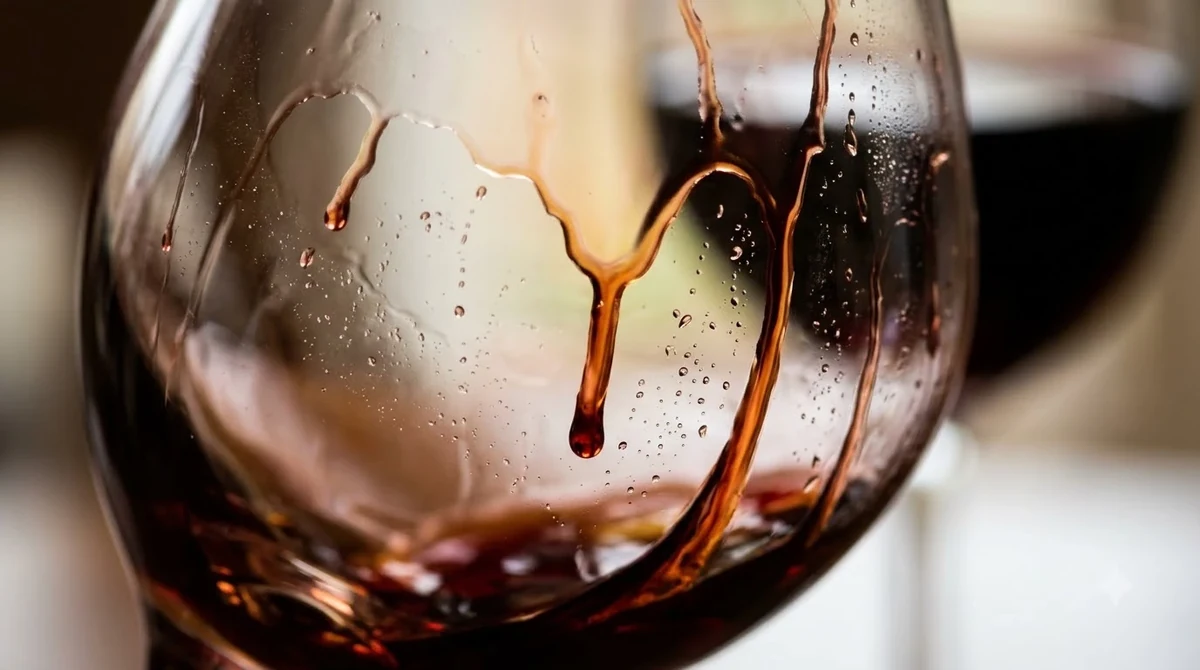
Zinfandel is one of the grapes most closely linked with bold, fruit-forward California reds. Wine Folly describes the style as a bold, fruit-forward red with jammy fruit and smoky, spicy notes. Its listed flavors include blackberry, strawberry, peach preserves, cinnamon, and sweet tobacco. The body is medium to full, with medium-high tannin and medium-low acidity, and the alcohol is often elevated, which gives the wine its warm, rich feel.
That profile fits the Michael David style well. A Zinfandel-led bottle works best when you want a red that tastes generous and ripe, rather than a lean, sharp wine. The same warmth can make the wine feel heavier when it is served too warm, which is why temperature matters.
| Style to look for | What it usually tastes like | Good with |
|---|---|---|
| Zinfandel-led red | Blackberry, jam, spice, full body | Barbecue, ribs, burgers |
| Lighter, playful red blend | Softer fruit, easier texture | Pizza, roast chicken, pasta |
| Deeper reserve-style red | Dark fruit, firmer tannin, more oak | Roast lamb, grilled beef |
| White or rosé from the range | Fresh, fruity, lighter | Salads, seafood, picnic food |
Tip: Warm-climate reds from Lodi can feel heavy if they sit on a warm table. Serve them a little cooler and give the glass a few minutes to open.
How to Serve Michael David Reds
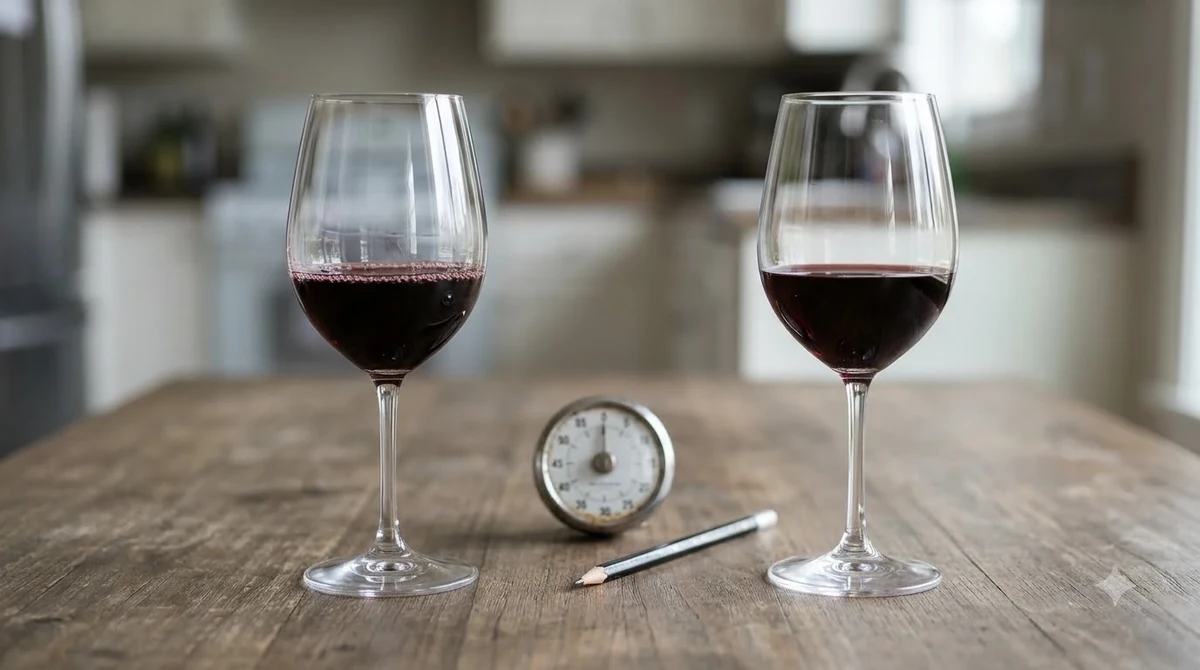
For a Zinfandel-led red, Wine Folly suggests serving at about 15 to 20 degrees Celsius, or 60 to 68 degrees Fahrenheit. That is cooler than many people serve big reds, and it keeps the fruit fresh and the alcohol in check. Decanting for around 30 minutes can help a younger bottle open up, while a standard wine glass with room to swirl works well for most nights.
Many Zinfandels are made to be enjoyed within a few years, though the reference notes that high-quality examples can have firm, structured tannins and may age for longer. If you are unsure, drink a bottle or two within a few years of the vintage and see how the wine changes before buying more for the cellar.
Food Pairings for Bold, Fruit-Forward Reds
Zinfandel pairs with food that has some bold flavor of its own. Barbecue ribs, grilled chicken, pulled pork, and burgers are classic matches, and the wine’s spice notes line up with smoky, sweet sauces. Roast lamb and game also suit fuller styles. Wine Folly also points to rich cheeses such as sharp cheddar and smoked gouda, along with grilled vegetables and mushrooms.
For a simple dinner, serve a Lodi red with pizza, sausage, or a hearty bean dish. The wine’s acidity is moderate, so pick food with some richness and salt rather than very light, delicate dishes. Keep portions moderate and drink responsibly.
How to Read the Label and Pick a Bottle
Start with the label name and the vintage. Because the winery uses several names across its range, the label tells you the style more quickly than the brand alone. Look for the grape, the region, and any mention of oak, since oak adds vanilla and spice and can make a red feel richer. A Lodi appellation on the bottle points to the region covered by the Lodi Winegrape Commission.
Next, check the producer’s own description for the style you want. A playful label may be a casual red, while a reserve-style bottle is more suited to a dinner with guests or a special meal. If you are buying for a group, pick one fruit-forward red and one lighter option so everyone has something they enjoy. The Michael David Winery homepage lists the current lineup and invites visitors to plan a tasting, which is a practical place to check the names before you shop.
Common Mistakes When Buying Michael David Wine
The first mistake is judging the whole brand by one bottle. A bright, easy label and a deeper red from the same winery can taste very different, so try more than one before deciding what you like. The second mistake is serving the reds too warm, which can make the alcohol feel strong and hide the fruit. A short chill and a few minutes in the glass usually fixes it.
The third mistake is pairing a bold red with very delicate food. A Zinfandel-led wine can overwhelm a light salad or a mild white fish, while a lighter red from the range may suit those dishes better. Matching the weight of the wine to the weight of the food is the simplest rule to follow.
Frequently Asked Questions
Where is Michael David Winery located?
The winery is based in Lodi, California. The Lodi Winegrape Commission also lists the Michael David winery among its featured local producers, which places it in one of California’s long-established grape-growing areas.
What is Michael David wine best known for?
The range includes many bold, fruit-forward reds, and Zinfandel is one of the grapes most associated with the region’s style. Labels such as Earthquake, Petite Petit, and Seven Deadly are among the names the winery highlights.
How should I serve a Michael David red?
Serve it slightly cool, around 15 to 20 degrees Celsius, rather than at warm room temperature. Decanting a younger bottle for about 30 minutes can help the fruit open up.
What food goes well with Michael David Zinfandel style reds?
Barbecue ribs, grilled chicken, burgers, and pulled pork are natural choices. Roast lamb and rich cheeses such as sharp cheddar also suit the fuller, fruit-forward style.
Michael David wine rewards a simple approach: pick the label that matches the occasion, serve reds slightly cool, and pair them with food that has enough flavor to stand up to the fruit. If you want to compare how other brand guides approach style and labeling, the wine brands guide and the Avaline Rosé guide show how different producers approach their ranges.
More in Wine Brands
 Underwood Wine Price: Compare Bottles, Cans, and Pack SizesUpdated Nov 21, 2026
 Zenato Wine Price: Compare Styles and Choose the Right BottleUpdated Nov 21, 2026
 Zuccardi Wine Price: Compare Bottles and Find the Right RangeUpdated Nov 21, 2026
 Yellow Tail Moscato Review: Taste, Sweetness and Serving TipsUpdated Nov 21, 2026
 Wolf Blass Yellow Label Review: Choose Your Best StyleUpdated Nov 21, 2026
 Wolffer Estate Rose Review: Choose the Right Bottle for Your TableUpdated Nov 21, 2026