

We may earn a commission when you buy through links on this page, at no extra cost to you. Learn more.
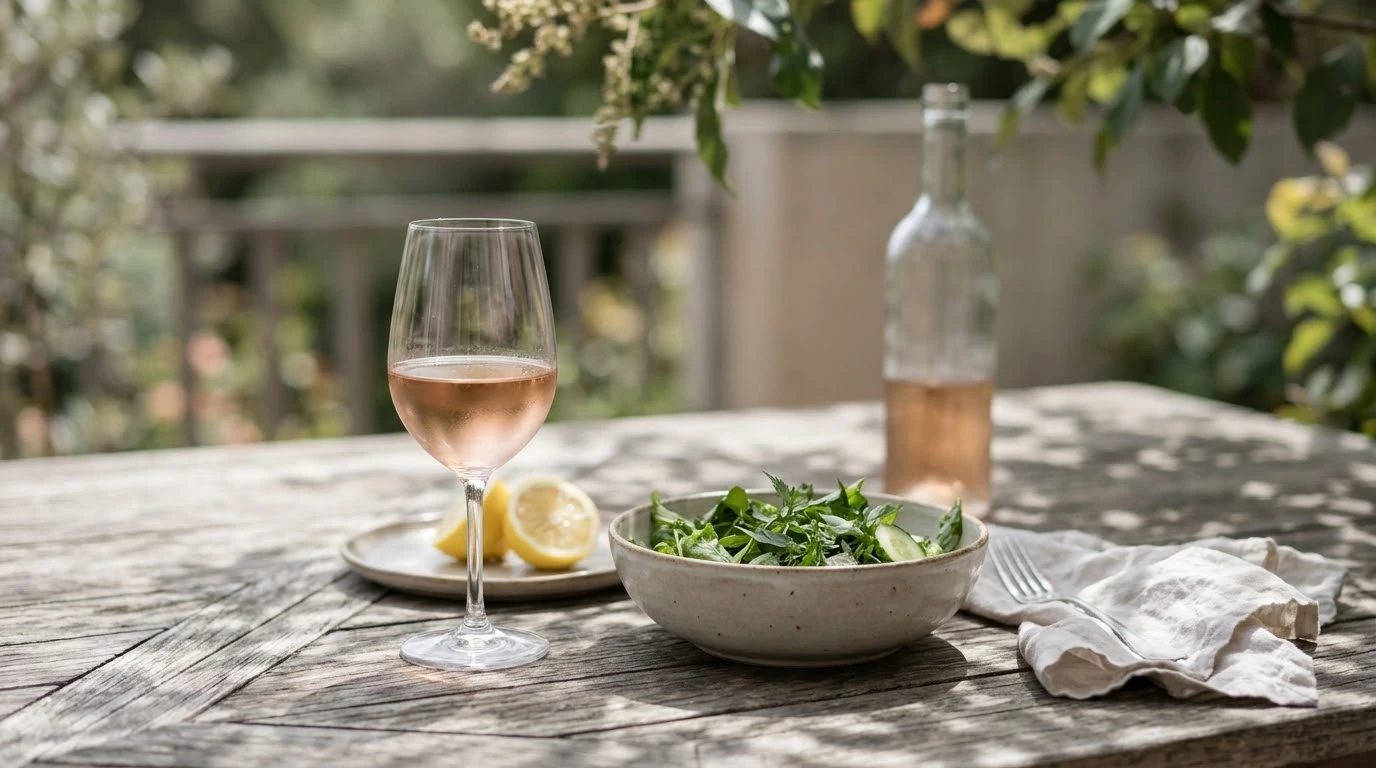
Kim Crawford rose alcohol content ranges from 7% ABV for Illuminate Rosé to approximately 12.5% ABV for standard Kim Crawford Rosé. These are two different wines, so the alcohol percentage depends on which bottle you choose. Illuminate is a lighter-alcohol option made using spinning-cone technology, while standard Rosé has a higher alcohol concentration and a traditional Merlot-based profile.
Kim Crawford is a familiar New Zealand wine brand, and its rosé range offers different options for people who enjoy refreshing pink wines. Understanding the difference between standard Rosé and Illuminate makes it easier to compare their alcohol levels, serving sizes, flavor profiles, and food pairings. This guide explains the numbers behind each bottle and provides practical advice for serving and enjoying either style.
Kim Crawford Rosé Alcohol Content: Standard vs. Illuminate
The most important distinction is that standard Kim Crawford Rosé generally contains around 12.5% ABV, while Kim Crawford Illuminate Rosé contains 7% ABV. The difference is substantial, and the two wines should not be treated as interchangeable when comparing alcohol concentration.
The standard Kim Crawford Rosé listed by the Société des alcools du Québec (SAQ) contains 12.5% alcohol by volume. Its product information identifies the wine as a 100% Merlot rosé from Hawke’s Bay, New Zealand. This places it within the familiar alcohol range for many conventional still wines.
Illuminate Rosé is specifically produced as a lower-alcohol alternative. New Zealand Lighter Wines lists it at 7% ABV, achieved through a specialized production process that reduces the alcohol in part of the base wine before blending. Its lighter alcohol concentration does not mean it is alcohol-free or that it should be treated like a nonalcoholic beverage.
| Wine characteristic | Standard Rosé | Illuminate Rosé |
|---|---|---|
| Alcohol content | 12.5% ABV | 7% ABV |
| Wine category | Still rosé | Lower-alcohol rosé |
| Listed grape composition | 100% Merlot | Product-specific blend |
| Origin listed by product source | Hawke’s Bay, New Zealand | Hawke’s Bay, New Zealand |
| Typical flavor descriptions | Red fruit and refreshing character | Watermelon, berries, and floral notes |
| Finish | Refreshing | Dry and crisp |
| Bottle reference | 750 ml | 750 ml |
The figures in this comparison come from separate product listings and should be understood as representative specifications rather than a guarantee that every vintage or market uses an identical formulation. Retailers can carry different versions of the same brand, which explains why two bottles bearing the Kim Crawford name may have noticeably different ABV figures. The SAQ standard Kim Crawford Rosé product listing provides the 12.5% ABV, grape variety, and regional details used in this comparison.
For a broader comparison of the producer’s range, see our guide to Kim Crawford wine alcohol content. It helps put the rosé options into context alongside the brand’s other wine styles.
Why the Two Rosé Wines Have Different Alcohol Levels
The difference between 7% and 12.5% ABV comes primarily from the winemaking approach. Standard rosé undergoes conventional fermentation, while Illuminate uses a specialized alcohol-reduction process to create a lighter-strength wine while retaining much of its recognizable fruit character.
Alcohol in wine develops when yeast converts grape sugar into ethanol and carbon dioxide during fermentation. The amount of sugar available, fermentation conditions, and winemaking decisions all influence the finished alcohol concentration. Grapes with more fermentable sugar can produce wine with higher potential alcohol when fermentation proceeds normally.
For conventional Kim Crawford Rosé, the SAQ identifies Merlot as the sole grape variety in its listed product. Merlot is commonly used in rosé production because it can contribute red-fruit characteristics and a rounded fruit profile. The grape composition and the finished wine’s alcohol concentration are separate characteristics, although grape ripeness and winemaking decisions can influence the final result.
Illuminate takes another approach after the base wine has been produced. According to New Zealand Lighter Wines, the wine undergoes a process involving spinning-cone technology, which selectively removes alcohol from a portion of the wine.
How spinning-cone technology works
Spinning-cone technology uses low-pressure distillation to separate volatile components. In wine production, the process can be used to remove alcohol while helping preserve aromatic compounds responsible for recognizable fruit and floral characteristics.
The published description of Kim Crawford Illuminate Rosé provides specific details about its production. Approximately 60% of the final volume is treated until its alcohol level falls below 1%. The producer then blends this reduced-alcohol portion with 40% of the original base wine to reach a final alcohol concentration of 7%.
This approach helps explain why Illuminate can retain watermelon, berry, and floral notes despite having substantially less alcohol than standard rosé. It is not simply grape juice diluted with water, nor is it a conventional wine that happens to be bottled at a lower strength through fermentation alone.
The production description also explains that the grapes are harvested, destemmed, and gently crushed directly to the press with minimal skin contact. The clarified juice is then cool-fermented using selected yeast strains to retain primary varietal characteristics.
For additional background on the producer’s wine range, our Wine Brands section provides more information about familiar labels and their different styles.
Tip: Look at the exact wine name before comparing alcohol percentages. A bottle labeled Illuminate Rosé is not the same product as standard Kim Crawford Rosé, even though both carry the same brand name.
How Much Alcohol Is in a Glass or Bottle?
The alcohol concentration becomes easier to understand when converted into actual serving quantities. A 5 oz glass of standard Kim Crawford Rosé contains more pure alcohol than the same-sized glass of Illuminate because its ABV is higher.
Alcohol by volume represents the percentage of a beverage’s total volume that consists of pure alcohol. For example, 12.5% ABV means that 12.5% of the wine’s volume is alcohol. At 7% ABV, the corresponding proportion is 7%.
Using a standard 5 oz serving, the approximate pure alcohol quantities are:
- Standard Rosé at 12.5% ABV: 0.625 fluid ounces of pure alcohol.
- Illuminate Rosé at 7% ABV: 0.35 fluid ounces of pure alcohol.
The difference is approximately 0.275 fluid ounces of pure alcohol per 5 oz serving. This illustrates why the lower-alcohol version contains considerably less alcohol in an equal-sized glass.
A 750 ml bottle contains approximately 25.4 US fluid ounces. At a standard 5 oz pour, that works out to approximately five glasses per bottle, although actual pours can vary.
| Serving quantity | 12.5% ABV Rosé | 7% ABV Illuminate |
|---|---|---|
| 5 oz glass | 0.625 fl oz alcohol | 0.35 fl oz alcohol |
| 10 oz total | 1.25 fl oz alcohol | 0.70 fl oz alcohol |
| 15 oz total | 1.875 fl oz alcohol | 1.05 fl oz alcohol |
| 750 ml bottle | Approximately 3.175 fl oz alcohol | Approximately 1.78 fl oz alcohol |
These are mathematical estimates based on the stated ABV and beverage volume. They do not account for small differences in bottle fill, serving measurements, or product formulation.
It is also useful to understand that a smaller pour of standard Rosé can contain a similar amount of alcohol to a larger pour of Illuminate. Comparing only the number of glasses can therefore be misleading. The ABV and the actual volume poured both matter.
Flavor, Sweetness, and Drinking Style
Kim Crawford’s two rosé options have different alcohol concentrations, but alcohol percentage alone does not determine sweetness, body, or flavor. Illuminate is described as dry, crisp, and fruit-forward, while standard Rosé offers a more conventional wine profile with Merlot-based fruit characteristics.
New Zealand Lighter Wines describes Illuminate as pale pink, with watermelon aromas accompanied by berry fruit and floral notes. Its palate is characterized by crisp acidity, fresh berry flavors, and a dry finish. These qualities make it suitable as an aperitif or alongside lighter dishes.
The standard Kim Crawford Rosé listed by SAQ is made entirely from Merlot. The same listing records 6.4 grams per liter of sugar, providing a useful indication of its measured residual sugar level. That figure does not make the wine a sweet dessert rosé; it remains important to distinguish measurable sugar from the overall impression of sweetness on the palate.
Fruit aromas can also influence how sweet a wine seems. Watermelon, strawberry, and red-berry aromas may give a rosé an impression of ripe fruit even when its finish is dry. Acidity helps balance those flavors and contributes to a refreshing sensation.
Does lower alcohol mean less flavor?
Not necessarily. A wine’s flavor comes from multiple components, including grape variety, acidity, aromatic compounds, fermentation, and production techniques. Alcohol contributes to body and mouthfeel, but it is only one part of the overall experience.
Illuminate’s spinning-cone process is designed to reduce alcohol while retaining important aromatic characteristics. Its watermelon and berry descriptions demonstrate the intended style. However, it is reasonable to expect a different weight and mouthfeel from a 7% wine compared with a 12.5% wine.
Someone who prefers a conventional rosé with a more substantial alcohol presence may prefer the standard bottling. Someone looking for a lighter-alcohol style may find Illuminate more suitable. Neither percentage automatically indicates better quality or a sweeter taste.
For another useful brand comparison, readers can explore Kim Crawford Sauvignon Blanc alcohol content. Sauvignon Blanc has a different grape profile and acidity structure, so its drinking experience is not directly interchangeable with rosé.
Best Serving Temperature and Food Pairings
Kim Crawford Rosé is best served chilled, with approximately 45–50°F providing a practical target for a light, refreshing style. A moderate chill preserves freshness without suppressing the wine’s watermelon, berry, and floral aromas.
Wine Enthusiast gives a general rosé serving range of 48–53°F, explaining that rosés benefit from being served slightly warmer than light white wines. Its guidance also emphasizes that lighter-colored and lighter-styled rosés can be served toward the cooler end of the range.
For Illuminate, starting around 45–48°F is a useful approach, especially when serving it outdoors or alongside a summer meal. Standard Kim Crawford Rosé can be served around 48–50°F to allow its fruit character to come through. These are practical serving suggestions rather than strict rules.
Food pairing depends on the wine’s acidity, sweetness, fruit character, and body. Both Kim Crawford Rosé styles can work with lighter dishes, although the food should not overwhelm the wine.
Food pairings for Kim Crawford Rosé
- Strawberry and goat cheese salad: Fresh strawberries echo the fruit character, while goat cheese contributes a creamy, tangy contrast.
- Grilled pork and peaches: The fruit’s natural sweetness complements the wine’s berry character, while the pork provides savory depth.
- Grilled chicken: Mild seasoning and lightly charred flavors work well with the refreshing acidity of rosé.
- Fresh seafood: Shrimp, grilled white fish, and simple seafood salads can complement a crisp, fruit-forward rosé.
- Vegetable salads: Leafy greens, cucumber, tomatoes, and vinaigrette are useful partners for lighter rosé styles.
- Soft cheeses: Goat cheese, mozzarella, and mild feta provide contrasting textures without overwhelming the wine.
SAQ specifically suggests spinach, strawberry, pecan, and goat cheese salad with maple vinaigrette. It also recommends grilled pork and peaches. These examples show how rosé can complement both fresh ingredients and lightly cooked dishes.
Be careful with very spicy dishes. Alcohol and tannin can amplify the sensation of chili heat, so heavily spiced food may make a wine feel more aggressive. Mildly seasoned grilled food and fresh salads are generally easier matches.
Another consideration is sweetness. If serving a dessert with rosé, the wine should be at least as sweet as the dessert to avoid tasting overly tart or thin by comparison. A dry rosé is usually more suitable for savory dishes than very sweet desserts.
For a comparison with another popular pink wine, see our article about Whispering Angel Rosé alcohol content. Comparing the alcohol percentages and styles can help clarify what distinguishes different rosé bottles.
How to Store, Pour, and Preserve an Open Bottle
Proper storage and serving habits help maintain the wine’s intended flavor. Both standard Kim Crawford Rosé and Illuminate should be stored away from excessive heat, direct sunlight, and unnecessary temperature changes.
Before opening, store the bottles in a cool, dark place. A consistent storage temperature near 55°F is a useful target for wine, and bottles with cork closures are generally stored horizontally to keep the cork from drying out. For bottles with screw caps, horizontal storage is not necessary, although a stable environment remains important.
Once you are ready to serve the wine, chill the bottle in a refrigerator. Wine Enthusiast suggests that rosé can be refrigerated for up to approximately 1.5 hours before serving, depending on its starting temperature and the desired result.
Getting the serving size right
A standard 5 oz pour is a convenient reference for comparing the two wines. Using the same glass size makes it easier to understand the alcohol difference between 7% and 12.5% ABV.
A 750 ml bottle provides approximately five 5 oz servings. If serving a group, use a measuring pour or a marked wine glass to keep portions consistent rather than estimating by eye.
Wine glasses with stems are useful because they allow you to hold the glass without warming the wine as quickly with your hands. A medium-sized white wine glass is suitable for both styles. There is no need for specialized glassware to enjoy either bottle.
Preserving leftover rosé
After opening, reseal the bottle and place it in the refrigerator. Exposure to oxygen gradually changes wine aromas and flavors, so limiting contact with air helps preserve freshness.
As a general guideline, opened still rosé is best consumed within three to five days when properly refrigerated and sealed. The fruit aromas may become less expressive as time passes, even if the wine remains drinkable.
Illuminate should be treated like other opened still wines rather than like a fortified or sparkling wine. Its lower alcohol percentage does not mean it will remain fresh indefinitely after opening.
Tip: If you plan to serve rosé over several hours, return the bottle to the refrigerator between pours. This helps maintain its fresh character, particularly in a warm room or during an outdoor meal.
Frequently Asked Questions
Is Kim Crawford Rosé made in France or New Zealand?
The standard Kim Crawford Rosé listing from SAQ identifies Hawke’s Bay on New Zealand’s North Island as its origin. The brand is associated with New Zealand winemaking rather than French Provence rosé production. Its regional identity is an important distinction when comparing it with French rosé labels.
Does Kim Crawford Illuminate Rosé contain residual sugar?
Yes, the wine is not necessarily sugar-free. A product listing for Illuminate Rosé 2022 from SAQ records 9.7 grams of sugar per liter. This is a product-specific figure, so it should not automatically be applied to every vintage or market release.
What grape varieties are used in Kim Crawford Illuminate Rosé?
The SAQ listing for Illuminate Rosé 2022 identifies a blend of 55% Merlot and 45% Sauvignon Blanc. This differs from the standard Kim Crawford Rosé listing, which identifies 100% Merlot. The grape composition can help explain differences in aromatic character and structure.
Does Kim Crawford Illuminate Rosé have a screw cap?
Some retail listings identify Illuminate Rosé bottles as having screw-cap closures. Closure specifications can vary across product releases and markets. A screw cap is a practical option for resealing the bottle after opening, although refrigeration is still important.
Can Kim Crawford Rosé be used to make frosé?
Yes, still rosé can be used as the wine base for frosé, a frozen rosé cocktail. Standard Kim Crawford Rosé and Illuminate have different alcohol concentrations, so the finished drink will have a different alcohol profile depending on which one is used. Freezing and blending do not remove the alcohol from the finished beverage.
Kim Crawford Rosé offers two distinct alcohol levels, with standard Rosé generally listed at 12.5% ABV and Illuminate at 7% ABV. Understanding the difference helps you choose the style that matches your preferred wine strength, flavor profile, serving temperature, and food pairings. Always compare the exact product rather than relying on the brand name alone.
More in Wine Brands
 Underwood Wine Price: Compare Bottles, Cans, and Pack SizesUpdated Nov 21, 2026
 Zenato Wine Price: Compare Styles and Choose the Right BottleUpdated Nov 21, 2026
 Zuccardi Wine Price: Compare Bottles and Find the Right RangeUpdated Nov 21, 2026
 Yellow Tail Moscato Review: Taste, Sweetness and Serving TipsUpdated Nov 21, 2026
 Wolf Blass Yellow Label Review: Choose Your Best StyleUpdated Nov 21, 2026
 Wolffer Estate Rose Review: Choose the Right Bottle for Your TableUpdated Nov 21, 2026