

We may earn a commission when you buy through links on this page, at no extra cost to you. Learn more.
Yellow Tail white wine comes from a family-owned Australian winery, and its whites are built for easy drinking, with a crisp style for lighter bottles and a buttery style for richer ones. The brand describes its whites as crisp and refreshing and contrasts a crisp Sauvignon Blanc with a buttery Chardonnay. This guide explains what to expect from the range, how to serve each style, and which foods suit them best.
If you are looking at a Yellow Tail white on a shop shelf, the main question is usually which style to choose and how to serve it. The answer depends on whether you want a clean, fresh glass or a fuller, creamier one. This article walks through the brand’s background, the two main white styles, serving temperatures and glasses, and simple food pairings you can try.
Who makes Yellow Tail white wine
Yellow Tail is a family-owned winery based in Yenda, Australia. The brand’s own website says the Casella family has been making wine for six generations and traces the story to 1957, when Filippo and Maria Casella moved from Sicily to Australia. That family-run background helps explain the brand’s focus on approachable wines rather than complex, cellar-driven bottlings. Because the range is built around everyday drinking, most buyers choose it for a relaxed dinner or a casual gathering rather than for a long aging plan.
The brand describes its aim as making wines that are “easy to choose, easy to understand, and most importantly, easy to enjoy.” That message shows up in the white range, where the labels and product descriptions focus on clear styles that a casual drinker can recognize quickly.
The two main white styles: crisp and buttery
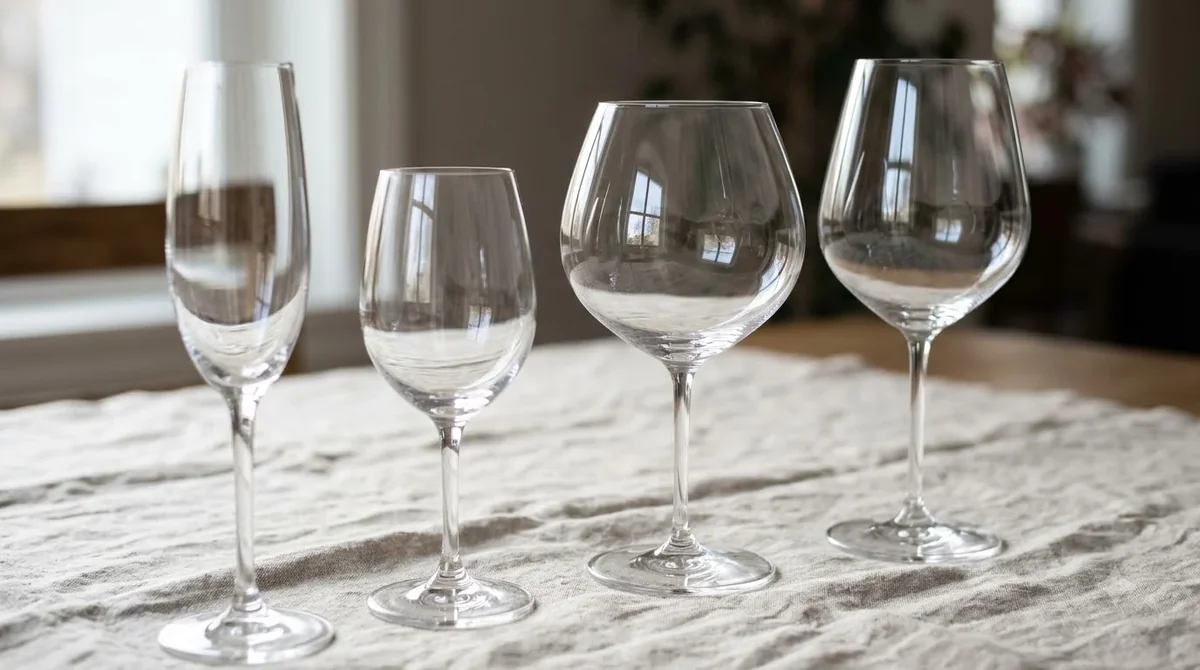
Yellow Tail’s whites are presented as crisp and refreshing, and the brand’s own site puts the choice in simple terms: a crisp Sauvignon Blanc or a buttery Chardonnay. That split is useful because the two styles taste very different and suit different occasions. Knowing which one you want before you pick a bottle will save you from a surprise at the table.
A crisp white usually feels light and bright, with high acidity and clean fruit. A buttery Chardonnay feels fuller and creamier, with more texture on the palate. Wine Folly’s Chardonnay guide explains that lean, unoaked styles have high acidity and more body than Sauvignon Blanc, while oaked styles have moderate acidity and a richer, rounder feel.
| Style | What to expect | Best for |
|---|---|---|
| Crisp white | Light, bright, high acidity | Warm weather and simple meals |
| Buttery Chardonnay | Fuller, creamy, vanilla and butter notes | Richer dinners and comfort food |
What a crisp white tastes like
Crisp whites are the most direct option in the range. According to Wine Folly’s Chardonnay guide, unoaked Chardonnay and lean styles offer aromas of green apple, pear, and citrus, often with chalky or mineral notes. The palate is clean and sharp, which makes the wine feel refreshing even when it is served on its own.
Because the acidity is high, these wines pair well with dishes that have some acidity or salt of their own. They also work as an aperitif, since the fresh finish cleans the palate and prepares it for food. If you are new to white wine, this style is usually the easiest place to start.
What a buttery Chardonnay tastes like
A buttery Chardonnay takes a different route. Wine Folly notes that oaked styles bring aromas of peach, mango, and lemon, along with vanilla and butter from oak and malolactic fermentation. The palate is fuller and creamier, with butter, vanilla, and baking spices over stone fruit.
That richness is why buttery Chardonnay tends to suit heartier dishes. It has enough body to stand up to creamy sauces, roasted vegetables, and rich seafood, and it can feel out of balance with very light or very acidic food. Choose a buttery style when the meal has some weight.
How to serve Yellow Tail white wine
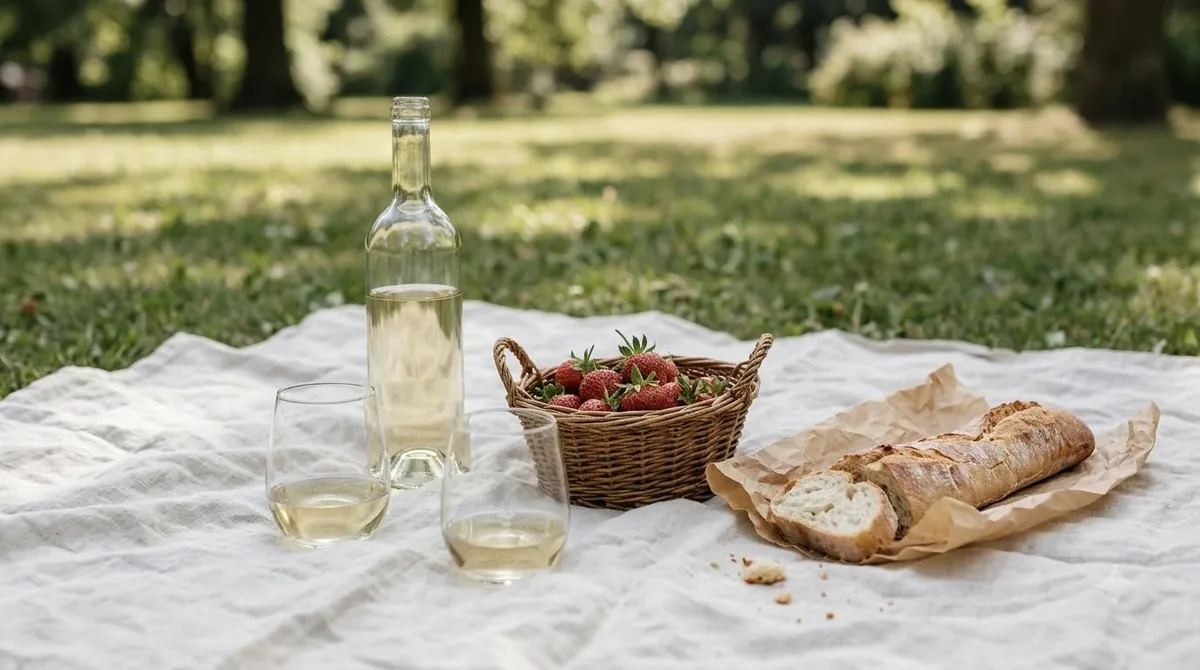
Serving temperature changes the experience. Wine Folly recommends serving lean white styles around 45°F (7°C), which keeps the acidity crisp. Oaked and buttery styles show better at about 55°F (12°C), where the texture and fruit have more room to open. If the wine is too cold, the creamy notes disappear, and if it is too warm, the crisp styles can taste flat.
Glass choice also matters. A universal white wine glass works well for the lean styles, while an aroma collector glass suits the richer, oaked wines because it concentrates the aromas. Pour modest amounts so the wine stays cool in the glass, and keep the rest of the bottle chilled between pours.
Tip: Taking a white out of the fridge for ten minutes before serving is often enough to bring a buttery Chardonnay into the right range.
Food pairings for each style
For the crisp, lean styles, Wine Folly suggests shellfish, especially oysters, along with sushi, sautéed fish, and vegetable risotto. The same guide notes that minerality and delicate flavors pair best with light, refined dishes. Salads with citrus dressing and fresh herbs are also natural partners for a crisp white.
For buttery Chardonnay, richer dishes work best. Crab cakes, linguini with clams, halibut, and pork tenderloin with apples all suit the wine’s body and texture. Vegetarian options such as corn, pumpkin, squash, and mushrooms also pair well with an oaked style.
When in doubt, match the wine to the sauce rather than the main ingredient. A lemon-butter sauce suits either style, while a creamy sauce tends to favor the buttery Chardonnay and a herb-and-citrus sauce favors the crisp white.
How to choose the right bottle
Start with the meal you are planning. If the dinner is light and bright, a crisp white will suit it. If the dinner is richer, reach for the buttery Chardonnay. You can also decide based on the weather: crisp whites feel right in warm months, while a fuller white suits cooler evenings.
Read the label for the grape and the style description. The brand’s own wording, which contrasts crispness with buttery character, is a helpful guide. If you want a broader comparison of producers and styles, our guide to wine brands explains how different producers approach their whites, and you can compare contrasting options such as Avaline Rosé or A to Z Wineworks to see how other styles behave with food.
Frequently Asked Questions
What is the difference between crisp and buttery Yellow Tail whites?
The brand’s own site contrasts a crisp Sauvignon Blanc with a buttery Chardonnay. Crisp whites are lighter and brighter, while buttery Chardonnay is fuller and creamier with vanilla and butter notes.
How cold should I serve Yellow Tail white wine?
Wine Folly recommends about 45°F (7°C) for lean, crisp styles and about 55°F (12°C) for oaked, buttery styles. Pour modest amounts so the wine stays at the right temperature.
What foods go well with a buttery Chardonnay?
Richer dishes work best, such as crab cakes, linguini with clams, halibut, pork tenderloin with apples, and creamy vegetable dishes with squash or mushrooms.
Is Yellow Tail a good choice for a first white wine?
It can be. The brand focuses on clear, approachable styles, and the crisp white is an easy starting point. Compare the two styles side by side to find the one you prefer.
Yellow Tail white wine is simple to understand once you know the two styles. Choose a crisp white for light, fresh meals, and a buttery Chardonnay for richer dinners. Serve each at the right temperature, match it to the food, and you will get the most from the bottle.
More in Wine Brands
 Underwood Wine Price: Compare Bottles, Cans, and Pack SizesUpdated Nov 21, 2026
 Zenato Wine Price: Compare Styles and Choose the Right BottleUpdated Nov 21, 2026
 Zuccardi Wine Price: Compare Bottles and Find the Right RangeUpdated Nov 21, 2026
 Yellow Tail Moscato Review: Taste, Sweetness and Serving TipsUpdated Nov 21, 2026
 Wolf Blass Yellow Label Review: Choose Your Best StyleUpdated Nov 21, 2026
 Wolffer Estate Rose Review: Choose the Right Bottle for Your TableUpdated Nov 21, 2026