

We may earn a commission when you buy through links on this page, at no extra cost to you. Learn more.
How many calories in champagne? The exact number depends on the bottle, the style, and the size of the pour, but the calories come from two sources: alcohol and any sugar left in the wine. Drier styles such as Brut Zero, Extra Brut, and Brut have very little residual sugar, so most of their calories come from alcohol. Sweeter styles such as Demi-sec add sugar on top of that, which raises the calorie count. A standard glass will usually land in the same general range as other dry sparkling wines.
Champagne is often treated as a special-occasion drink, which makes people curious about what they are drinking. If you are counting calories, watching sugar, or simply comparing it with other drinks, the question is reasonable. This guide explains where the calories come from, how the style on the label changes the sugar, and how to think about a glass without relying on a single number that may not match your bottle.
Where the Calories in Champagne Come From
Wine has two main sources of calories: alcohol and sugar. Alcohol is the larger source in most dry wines, and champagne is no exception. The wine is made from grapes, fermented until most of the grape sugar becomes alcohol, and then bottled. The sugar that remains after fermentation is what makes a wine sweet, and it is the part of the calorie count that changes most from bottle to bottle.
Champagne adds one more step. After the secondary fermentation in the bottle and the removal of the yeast, a dosage liquid is often added before the cork goes in. The Wikipedia entry on Champagne explains that the dosage is typically a blend of cane sugar and wine, and that it sets the final sweetness. That means the sugar content of a bottle is a choice made late in production, and it is printed on the style name rather than on a nutrition panel.
How the Sugar Level Changes the Count
The style name on the label is the best guide to sugar. Wikipedia lists the sugar ranges in grams per litre: Brut Zero has no added sugar and usually less than 3 grams per litre, Extra Brut is under 6, and Brut is under 12. Extra Dry runs from 12 to 17, Sec from 17 to 32, and Demi-sec from 32 to 50. Brut is the most common style today, according to the same source.

Because sugar and alcohol both add calories, the drier end of that list usually has fewer calories per glass. A Brut Zero or Extra Brut bottle has very little sugar, so its calories mostly come from its alcohol. A Demi-sec bottle has much more sugar, so it will generally carry more calories even at the same alcohol level. The difference is real, but it is not always large enough to decide a choice on its own, especially if you are only having one glass.
| Style on the label | Sugar range (g/L) | Calorie tendency |
|---|---|---|
| Brut Zero | Under 3 | Lowest, mostly from alcohol |
| Extra Brut | Under 6 | Very low |
| Brut | Under 12 | Low, the most common style |
| Extra Dry | 12 to 17 | Moderate |
| Sec | 17 to 32 | Higher |
| Demi-sec | 32 to 50 | Highest of the common styles |
Tip: The style name tells you more about sugar than the brand does. If you want fewer calories, look for Brut Zero, Extra Brut, or Brut on the label.
Why a Glass Size Matters More Than You Think
Most calorie questions depend on how much you pour. Champagne is usually served in a flute or a coupe, and the glass can hold anywhere from a small pour to a generous one. A smaller pour will always reduce the total, regardless of the style. If you are serving a group, measuring a standard pour helps you keep track of how much each person is drinking.
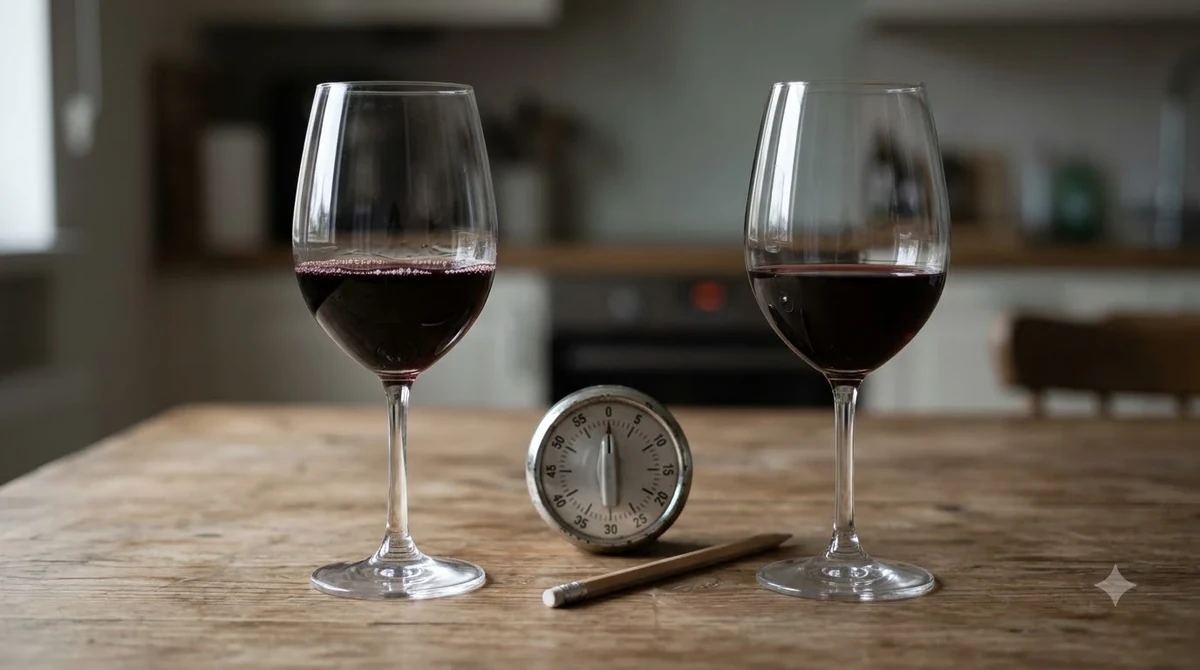
The same logic applies to other drinks. If you compare champagne with a glass of still white or red wine, the pour size often matters as much as the wine itself. For a parallel look at white wine, our guide on how many calories are in white wine covers the same two sources of calories and how they change with style.
How Champagne Compares With Other Wines
Dry sparkling wines tend to be lower in sugar than many still dessert wines, which is one reason they often appear on lighter diet lists. Still wines vary widely, and the alcohol level plays a bigger role in many of them. A lighter, lower-alcohol still wine can have fewer calories than a fuller champagne, while a sweet dessert wine can have more than either.
The best comparison is always the specific bottle. Champagne is made in one region of France, and the Champagne Bureau’s official site states that Champagne only comes from Champagne, France. The producers in that region work within legal rules, but the sugar and alcohol in each bottle still depend on the house and the year, so a single calorie figure cannot fully describe every bottle.
Does Champagne Have Carbs or Sugar?
Dry champagne contains very little sugar, so it is not usually counted as a high-carb drink. A Brut or Brut Zero bottle has only a small amount of residual sugar left after production, while a Demi-sec has much more. If you are watching carbohydrates, the style on the label matters more than the sparkle. Our guide on how many carbs are in red wine covers the carb side of still wines, which follows a similar logic: the drier the wine, the less sugar it usually carries.
For most readers, the practical takeaway is simple. Choose a drier style if you want less sugar, keep the pour reasonable, and remember that the calorie count from alcohol is often the bigger factor. A little planning goes further than trying to find one exact number for every bottle.
How to Enjoy Champagne Without Overthinking the Count
Champagne is a drink for toasts, meals, and long afternoons, and the calorie question is only one part of the decision. Choose a style that matches the food, serve it cool, and pour a glass you will finish slowly. The Champagne Bureau describes the wine as the result of generations of know-how, with grape varieties chosen to suit the region’s terroir, so the flavor is often the best reason to pick a bottle.
If you drink champagne regularly, it helps to set a simple limit for the evening rather than counting each glass. Pair it with food, drink water between glasses, and stop when you have had enough. Our wine Q&A guides cover serving, storage, and other basics that make the drinking experience better.
Frequently Asked Questions
Is champagne lower in calories than other wines?
Often it is comparable to other dry wines, and drier styles can be lower in sugar. The exact count depends on the bottle, the alcohol level, and the pour size, so compare the specific wines you are choosing between.
Which champagne style has the fewest calories?
Brut Zero and Extra Brut have the least added sugar, so their calories come mostly from alcohol. Brut is the most common style and also has low sugar. Demi-sec has the most sugar of the common styles.
Does sweet champagne have more calories?
Usually yes, because the extra sugar in styles such as Sec and Demi-sec adds to the calorie count. The difference depends on how much sugar is in the bottle, so check the style on the label.
Does the pour size change the calorie count?
Yes. A smaller glass has fewer calories, no matter which style you choose. If you are tracking your intake, measure a standard pour rather than estimating it.
Champagne calories depend on the style, the sugar level, and the size of the glass. The label is your best guide, and the drier styles generally carry less sugar. Once you know that, you can enjoy the bottle without needing a single exact number for every pour.
More in Wine Basics
 Which Rose Is Best for Your Taste, Budget, and Food PairingsUpdated Nov 21, 2026
 Is Cheap Wine Bad? How to Find Bottles Worth DrinkingUpdated Nov 21, 2026
 What To Write On A Wine Gift Tag: Thoughtful Messages For Every OccasionUpdated Nov 21, 2026
 Which Wine Is Best For Weight Loss? Compare Lower-Calorie ChoicesUpdated Nov 21, 2026
 What Is The Best Wine For Mimosas? Choose Bubbly That Balances Orange JuiceUpdated Nov 20, 2026
 Which Prosecco Is Best for Your Taste and OccasionUpdated Nov 20, 2026