

We may earn a commission when you buy through links on this page, at no extra cost to you. Learn more.
Estancia white wine is a California wine selection featuring Chardonnay, Pinot Grigio, and Sauvignon Blanc, with different flavor profiles and food-pairing strengths. Chardonnay is the fuller-bodied choice, offering tropical fruit and creamy characteristics, while Pinot Grigio provides a lighter, brighter style with pear and green apple notes. Sauvignon Blanc offers another option for drinkers who prefer refreshing white wines. Choosing between them comes down to body, acidity, food, and personal preference.
Estancia offers approachable white wines suited to casual dinners, seafood meals, weekend gatherings, and everyday drinking. Its California portfolio includes familiar international grape varieties, making it relatively easy to find a bottle that matches a particular meal or occasion. Understanding the differences between the varieties helps set realistic expectations before opening a bottle, especially if the choice is between a crisp Pinot Grigio and a richer Chardonnay.
What Is Estancia White Wine?
Estancia white wine refers to the producer’s California white wine selection, which includes several familiar grape varieties rather than one single style. The range gives drinkers options from light-bodied, fruit-forward wines to fuller-bodied bottles with more pronounced texture.
Estancia describes its wines as versatile and balanced, with an emphasis on quality and consistency. Its official portfolio identifies Pinot Grigio, Sauvignon Blanc, and Chardonnay among its white wine offerings. Retail listings also identify Chardonnay, Pinot Grigio, and Sauvignon Blanc as three varieties in the selection.
The grapes have different characteristics, so the wines should not be treated as interchangeable. Chardonnay generally offers more body and can develop creamy, buttery, or oak-influenced characteristics. Pinot Grigio is usually lighter and more refreshing, with pear, apple, and citrus flavors. Sauvignon Blanc is typically recognized for higher acidity and fresh citrus or herbal notes.
California is the geographical starting point for understanding this range. The producer identifies its Chardonnay with Monterey County, while its Pinot Grigio product information identifies California as its origin. Total Wine also categorizes its listed Estancia white selections under California and Monterey.
These regional references help explain the general identity of the wines, but the grape variety remains the most useful starting point for choosing a bottle. Someone looking for a richer white wine to accompany creamy pasta will probably prefer Chardonnay. Someone planning a light seafood lunch may find Pinot Grigio more suitable.
Estancia white wines also work for different levels of wine experience. Their familiar grape names make it easier for newer drinkers to understand what they are choosing, while the contrasting textures and flavor profiles give more experienced wine drinkers room to select according to food and occasion.
Estancia Chardonnay: Fuller Body and Tropical Fruit
Estancia Chardonnay is the fuller-bodied option in the white wine selection, with pineapple, guava, and a rounded texture providing its defining characteristics. It is a natural choice for people who prefer a richer white wine rather than a particularly light and delicate style.
The producer describes its Monterey County Chardonnay as expressive and full-bodied, with a shimmering light-straw gold appearance. Pineapple and guava are specifically identified in its tasting description. These tropical fruit characteristics give the wine a different profile from the pear and green apple notes associated with the brand’s Pinot Grigio. The producer’s Estancia Chardonnay product description provides additional details about its flavor profile and recommended food pairings.
Retail tasting information adds another dimension to the Chardonnay’s character. Total Wine describes it as dry and creamy, with crisp apple, honeydew, and pineapple flavors alongside toasty oak. These characteristics suggest a white wine with more weight and texture than a simple, delicate aperitif wine.
Oak and creamy characteristics are particularly relevant when selecting Chardonnay. Oak influence can introduce impressions of vanilla, toast, and baking spices, while malolactic fermentation in some Chardonnay styles can contribute a softer, buttery texture. However, the exact balance depends on the individual wine and its production choices.
For food, Estancia recommends smoked salmon, cream sauce pastas, poultry, pork, and mushrooms. These suggestions make practical sense because Chardonnay’s fuller body can complement richer dishes without being overwhelmed by their texture.
What to expect in the glass
- Appearance: Shimmering light-straw gold.
- Body: Full-bodied relative to lighter white wine styles.
- Fruit: Pineapple and guava, with additional apple and honeydew characteristics in retail descriptions.
- Texture: Creamy characteristics and possible toasted oak impressions.
- Food: Smoked salmon, cream-based pasta, poultry, pork, and mushrooms.
Chardonnay is also a useful choice for meals containing butter, cream, and roasted ingredients. A chicken dish with a creamy mushroom sauce, for example, can benefit from the wine’s fuller texture. Roasted pork with mild seasoning is another practical match.
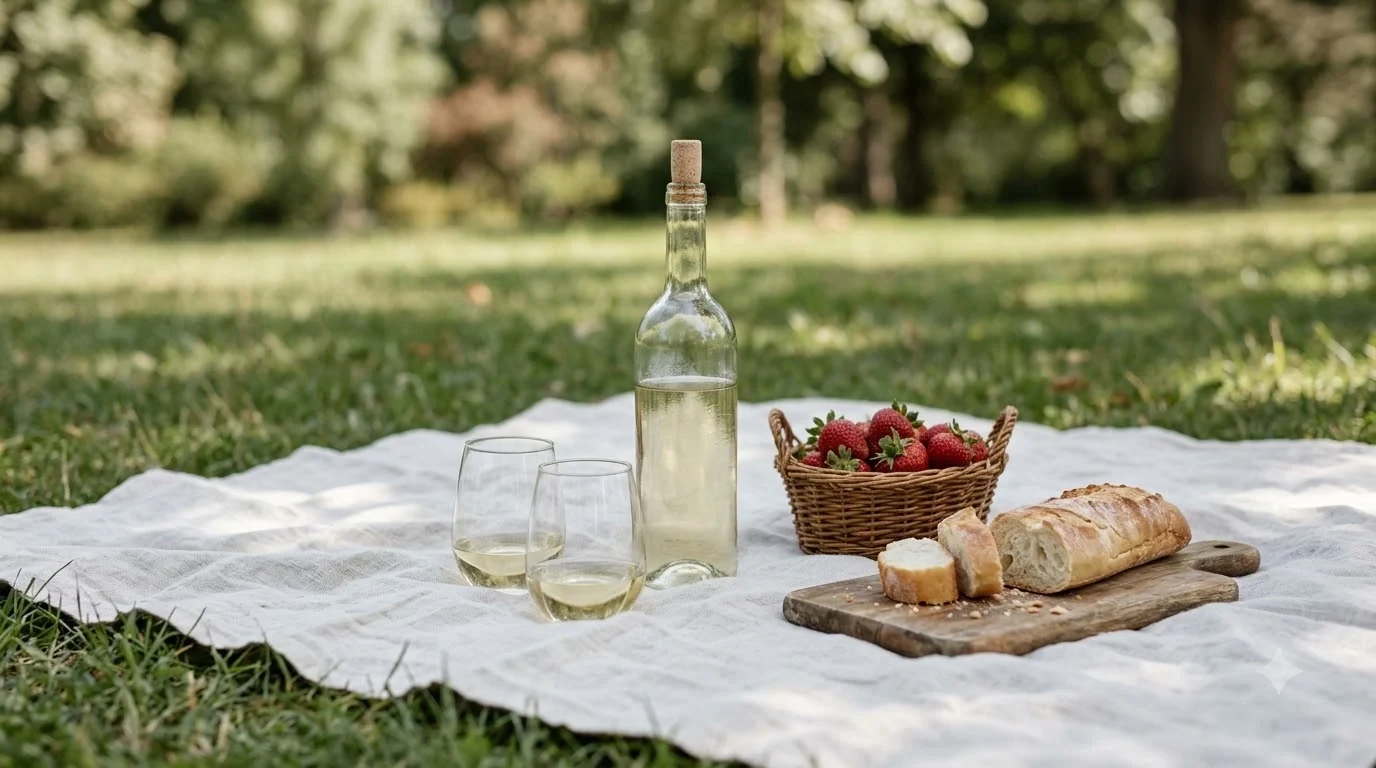
Its fruit-forward character also makes Chardonnay suitable for drinking without food. Serve it chilled rather than ice-cold so that its fruit and texture remain noticeable. A glass that is too cold can make a fuller-bodied wine seem less expressive.
For readers comparing the brand’s different styles, Chardonnay is the bottle to consider when body and richness matter more than maximum freshness. It offers a different experience from Estancia red wine, which is better suited to drinkers looking for the structure and flavors of red grape varieties.
Estancia Pinot Grigio: A Lighter and Brighter Style
Estancia Pinot Grigio is the lighter-bodied choice, with pear, honeysuckle, and green apple defining the producer’s description. It suits drinkers who prefer fresh fruit, an easy-drinking texture, and a white wine that works particularly well with seafood and lighter meals.
The producer describes its Pinot Grigio as pale straw with a slightly golden tint. Its tasting notes identify a bright, light-bodied profile featuring pear and honeysuckle, supported by hints of green apple. These characteristics make it a straightforward choice for people who enjoy refreshing white wines rather than rich, creamy ones. The official Estancia Pinot Grigio description also identifies seafood, smoked salmon, tuna, poultry, and pork as suitable food matches.
Independent wine criticism provides additional detail about the style. Wine Enthusiast awarded Estancia 2023 Pinot Grigio/Gris 91 points. Its review describes aromas of papaya, stone fruit, citrus, and acacia honey, followed by flavors of white peach, white nectarine, orange zest, and guava.
The review also highlights mouth-watering acidity and a juicy finish. These details help explain why Pinot Grigio can work so well with seafood and fried dishes. Acidity refreshes the palate, while the wine’s lighter body avoids overwhelming relatively delicate ingredients.
The 2023 wine reviewed by Wine Enthusiast was listed at 13.1% alcohol by volume in a 750 ml bottle. That figure applies to the specific reviewed vintage, not automatically to every Estancia Pinot Grigio release.
Food flexibility is one of this variety’s main strengths. Estancia recommends smoked salmon, tuna, citrus sauces, seafood, poultry, and pork. Wine Enthusiast also recommends fish and chips for the reviewed 2023 bottling.
When Pinot Grigio makes the better choice
Choose Pinot Grigio when the meal calls for freshness rather than richness. Grilled white fish with lemon, shrimp with herbs, tuna salad, and lightly seasoned chicken are all sensible options. Its acidity can also work with dishes containing citrus, provided the wine has enough freshness to match the food.
Pinot Grigio can be served as an aperitif before dinner. Its relatively light body makes it suitable for informal gatherings, outdoor meals, and occasions when guests may prefer something refreshing before a heavier main course.
It also works with fried seafood. Fish and chips provide a useful example: the crisp coating contributes fat and salt, while the wine’s acidity refreshes the palate between bites. The combination is more balanced than pairing the same dish with a heavily tannic red wine.
For readers comparing white wines across brands, understanding Black Box Pinot Grigio alcohol content can provide another reference point for evaluating alcohol strength and serving expectations.
Estancia Sauvignon Blanc and Other White Wine Options
Estancia Sauvignon Blanc provides a third variety for people who prefer freshness and pronounced acidity. It belongs alongside Chardonnay and Pinot Grigio in the producer’s California portfolio, although the exact tasting experience can differ between individual releases.
Sauvignon Blanc is generally known for lively acidity and flavors that can include lime, grapefruit, green apple, passion fruit, and fresh herbs. Some examples lean toward tropical fruit, while others emphasize citrus and grassy characteristics. This makes the grape particularly useful for matching foods with fresh herbs, vegetables, and citrus-based sauces.
Total Wine identifies Estancia Sauvignon Blanc as one of the three white wine varieties in its Estancia selection. The producer also includes Sauvignon Blanc in its official portfolio. These listings establish its place in the range, but detailed tasting characteristics should not be assumed from the grape name alone.
In general, Sauvignon Blanc makes a good partner for goat cheese, green salads, grilled shrimp, asparagus, and fresh seafood. Its acidity can complement vinaigrettes and citrus dressings, provided the wine is at least as acidic as the food.
It can also work with dishes containing fresh herbs such as cilantro, parsley, basil, and mint. The freshness of the wine can provide a useful contrast to green vegetable flavors and lightly seasoned fish.
Comparing the three varieties
The following comparison provides a practical way to select an Estancia white wine according to its general grape characteristics and the producer’s available descriptions.
| Variety | Body | Typical character | Good food matches |
|---|---|---|---|
| Chardonnay | Medium to full | Pineapple, guava, apple, creamy texture | Smoked salmon, creamy pasta, poultry |
| Pinot Grigio | Light | Pear, honeysuckle, green apple, citrus | Tuna, seafood, fish and chips |
| Sauvignon Blanc | Light to medium | Citrus, green fruit, fresh herbal notes | Goat cheese, salads, grilled shrimp |
These body and flavor descriptions are general grape-style expectations rather than guaranteed specifications for every bottle. The producer’s Chardonnay and Pinot Grigio descriptions provide more specific information about those particular products, while Sauvignon Blanc’s characteristics are best understood through the variety’s broader style.
For someone buying a bottle without knowing the preferences of every guest, Pinot Grigio is a useful starting point for a lighter meal. Chardonnay is a stronger candidate for creamy or roasted dishes. Sauvignon Blanc is especially useful when fresh herbs, citrus, and vegetables dominate the menu.
Food Pairings for Estancia White Wines
The best food pairing depends on the wine’s acidity, body, fruit character, and texture. Estancia’s Chardonnay, Pinot Grigio, and Sauvignon Blanc cover different needs, so matching the grape variety to the main ingredient usually produces better results than selecting a wine based only on color.
Chardonnay works particularly well with foods that have a richer texture. Smoked salmon, cream sauce pastas, poultry, pork, and mushrooms are among the producer’s recommended pairings. A creamy chicken pasta with mushrooms is a particularly straightforward combination because the wine’s fuller body can stand alongside the sauce.
Pinot Grigio is more appropriate for delicate and refreshing dishes. Smoked salmon, tuna, seafood, citrus sauces, poultry, and pork appear in the producer’s recommendations. Fish and chips is another useful pairing, supported by Wine Enthusiast’s review of the 2023 bottling.
Sauvignon Blanc can be selected for meals with fresh vegetables, goat cheese, grilled shrimp, and herb-based sauces. Its naturally high acidity helps it remain refreshing alongside ingredients that might make a softer wine seem flat.
Match acidity with acidity
Acidic food needs a wine with equal or higher acidity. This is particularly important with dishes containing lemon juice, vinegar, tomatoes, or citrus-based dressings. A wine with insufficient acidity can taste dull next to a sharply acidic dish.
For example, a seafood salad dressed with lemon is generally better suited to a fresh Pinot Grigio or Sauvignon Blanc than to a particularly rich, low-acid white wine. The freshness of the wine helps maintain balance across the meal.
Consider salt, fat, and seasoning
Salt and fat influence how wine tastes. Salt can make fruit flavors seem more pronounced, while rich or oily ingredients can benefit from a wine with sufficient acidity. This explains why Pinot Grigio can work with fried fish and why Chardonnay can complement creamy pasta.
Very spicy food requires additional consideration. Alcohol can amplify chili heat, so heavily seasoned dishes may make a higher-alcohol wine seem hotter. A moderately spiced meal is generally easier to match than a dish dominated by intense chili.
Oily fish should also be considered separately from lean seafood. Tannic red wines can clash with oily fish, which is one reason white wines are often easier choices for salmon, tuna, and similar dishes. A fresh Pinot Grigio or fuller Chardonnay can provide a more suitable pairing depending on preparation.
Quick pairing suggestions
- Grilled shrimp with lemon: Pinot Grigio or Sauvignon Blanc.
- Smoked salmon: Chardonnay or Pinot Grigio.
- Creamy mushroom pasta: Chardonnay.
- Fish and chips: Pinot Grigio.
- Roasted chicken: Chardonnay or Pinot Grigio.
- Goat cheese salad: Sauvignon Blanc.
- Grilled pork: Chardonnay or Pinot Grigio, depending on the sauce.
The preparation method matters as much as the main ingredient. Grilled fish with lemon is a different pairing challenge from fish served with a heavy cream sauce. The former generally benefits from freshness, while the latter can accommodate the greater body of Chardonnay.
Tip: Choose the wine according to the richest or most strongly flavored component of the dish. Lemon dressing often favors Pinot Grigio or Sauvignon Blanc, while butter, cream, and mushroom sauces usually make Chardonnay a more natural match.
Serving Temperature, Glassware, and Storage
Serving temperature makes a noticeable difference to white wine’s aroma, acidity, and texture. Estancia Pinot Grigio and Sauvignon Blanc generally benefit from a colder serving temperature than fuller-bodied Chardonnay, which needs slightly more warmth to show its character.
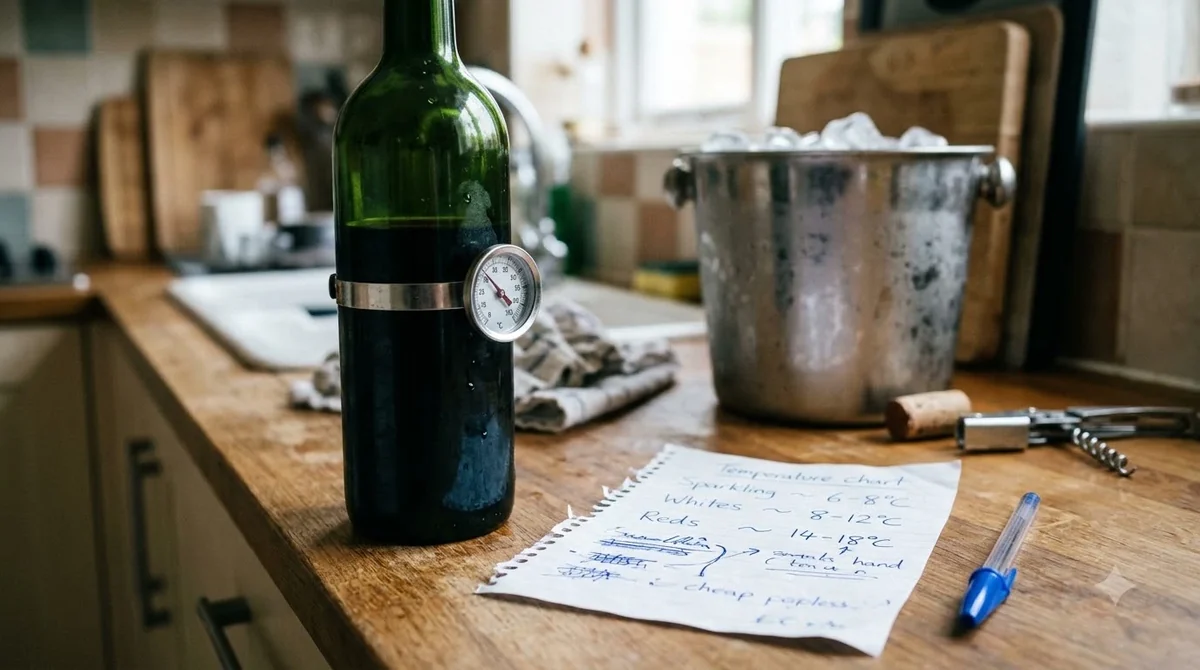
For light-bodied whites, a temperature of 45–50 degrees Fahrenheit is a useful target. Full-bodied whites such as Chardonnay are generally better served at 50–55 degrees Fahrenheit. These ranges provide a practical starting point for different white wine styles.
Serving a wine too cold can suppress its aromas and make the fruit less expressive. Serving it too warm can make the alcohol seem more prominent and reduce the refreshing impression that many people expect from white wine.
Recommended serving temperatures
| Wine style | Serving temperature | Approximate Celsius |
|---|---|---|
| Light white wine | 45–50°F | 7–10°C |
| Full-bodied Chardonnay | 50–55°F | 10–13°C |
| Rosé wine | 45–50°F | 7–10°C |
| Sweet white wine | 43–50°F | 6–10°C |
| Sparkling wine | 40–50°F | 4–10°C |
For a simple approach, chill Pinot Grigio and Sauvignon Blanc before serving, then allow Chardonnay to warm slightly after refrigeration. A wine thermometer can help achieve more consistent results, although a short period outside the refrigerator is often enough to adjust the temperature.
Choosing glassware
A standard white wine glass with a moderately narrow bowl works well for Pinot Grigio and Sauvignon Blanc. It allows the wine’s fresh aromas to reach the nose while keeping the serving manageable.
Chardonnay can benefit from a slightly broader bowl. The extra space helps its richer fruit and texture become more noticeable. Specialized glassware is not essential, however; a clean, appropriately sized wine glass is sufficient for ordinary dining.
Pour size and bottle servings
A standard wine pour is approximately 5 ounces. A typical 750 ml bottle contains about five standard glasses, making it useful to plan one bottle for every five servings when guests are drinking moderate pours.
For a dinner with four adults, one bottle may provide enough wine for a single glass each, with a little remaining. For a longer gathering, additional bottles may be needed depending on the number of guests and the amount served.
Storing opened bottles
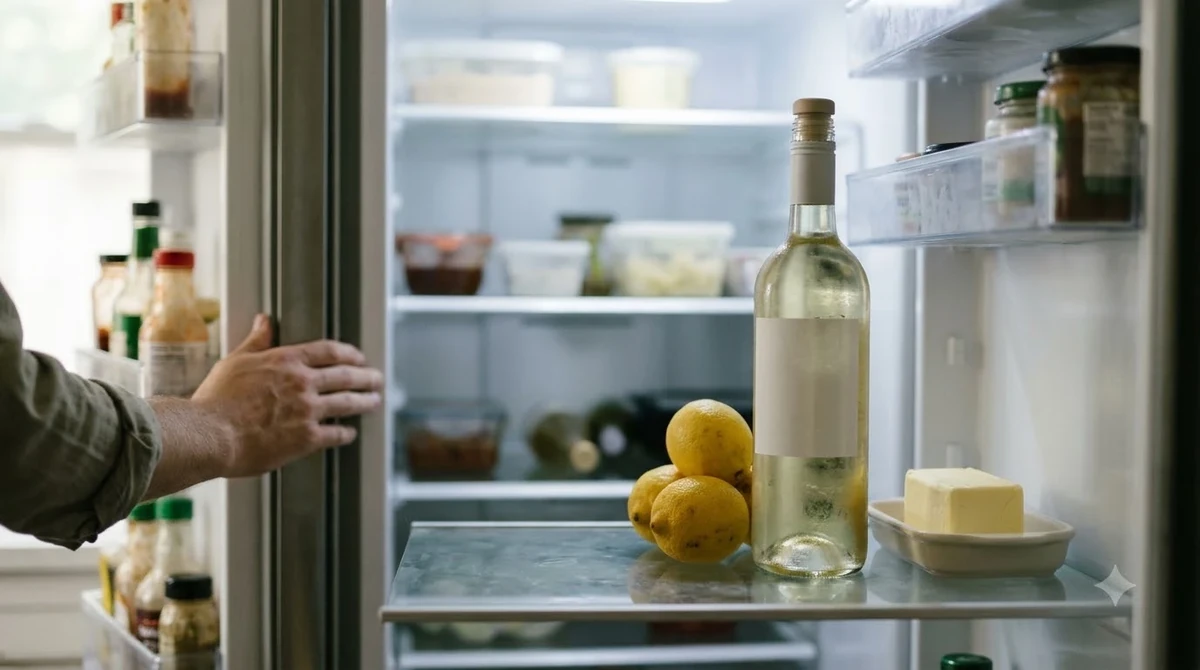
Once opened, Estancia white wine should be resealed and kept in the refrigerator. Still white wines generally remain suitable for approximately 3–5 days after opening when stored properly, although their freshness and aroma can gradually decline.
Use the original closure if it fits securely or a suitable reusable wine stopper. Minimize the amount of air in contact with the wine and return the bottle to refrigeration promptly after pouring.
Unopened bottles should be stored away from direct sunlight, heat, and significant temperature fluctuations. A cool storage area near 55 degrees Fahrenheit is a useful general target for wine. Bottles with traditional cork closures are generally stored on their sides to keep the cork from drying out.
How to Choose the Right Estancia Bottle
Selecting an Estancia white wine becomes easier when the decision starts with the occasion, the food, and the preferred texture. Rather than treating all white wines as equally refreshing or equally rich, consider what role the wine needs to play at the table.
For a light lunch, Pinot Grigio is a practical first choice. Its pear, honeysuckle, and green apple profile makes it suitable for seafood, tuna, smoked salmon, and lightly seasoned poultry. Its relatively light body also makes it appropriate for serving before dinner.
For a richer dinner, Chardonnay is the more suitable starting point. Its fuller body and tropical fruit characteristics can complement creamy pasta, smoked salmon, roasted poultry, and pork. It is also a useful choice for people who prefer a softer, more substantial white wine.
Sauvignon Blanc is worth considering for meals with fresh herbs, vegetables, citrus, and goat cheese. Its typical high acidity can provide a refreshing contrast to these ingredients, especially when the meal has a lighter preparation style.
Consider the occasion
For informal gatherings, Pinot Grigio offers a relatively straightforward option because its light body and fruit-forward character suit a range of snacks and appetizers. It can be served before a meal or alongside seafood dishes without requiring complicated preparation.
For a sit-down dinner featuring roasted chicken, mushrooms, or cream-based sauces, Chardonnay offers more texture. Its fuller character can make the wine feel integrated with the food rather than simply refreshing the palate.
For summer meals, salads, and grilled seafood, Sauvignon Blanc is often a useful style to consider. Its freshness can complement ingredients such as lemon, parsley, basil, and green vegetables.
Think about the drinker’s preferences
Someone who usually enjoys light, crisp wines may prefer Pinot Grigio. A person who likes richer whites with creamy or toasted characteristics may be more comfortable with Chardonnay. Drinkers who enjoy high-acid wines with citrus and herbal notes may gravitate toward Sauvignon Blanc.
It can also help to compare Estancia’s white wines with other familiar producers. For readers exploring wine brands beyond California, Baron Philippe de Rothschild wine offers another useful point of comparison when learning about different producers and wine styles.
There is no single best bottle for every occasion. The most suitable choice is the one that fits the meal and the preferences of the people drinking it. Comparing body, acidity, and food compatibility will generally produce a more satisfying result than relying on the grape name alone.
Frequently Asked Questions
Is Estancia white wine suitable for beginners?
Yes. Its familiar grape varieties make it relatively easy for beginners to understand the differences between white wine styles. Pinot Grigio is a convenient starting point for people who enjoy lighter wines, while Chardonnay introduces a fuller texture. Comparing the varieties side by side can also help new drinkers identify their preferences.
Is Estancia Chardonnay made from 100% Chardonnay grapes?
The producer identifies the wine as Chardonnay, but the current product description does not specify its exact varietal composition. A grape-variety name alone should not be treated as confirmation of a precise percentage. Production and labeling requirements can also vary by wine-producing jurisdiction.
Does Estancia white wine have a screw cap?
Some Estancia white wine listings and historical bottle selections have been identified with screw-cap closures. Closure type can vary by bottling and vintage. A screw cap is a practical closure and does not automatically indicate lower wine quality or a wine intended for immediate consumption.
Can Estancia white wine be used for cooking?
Yes. A dry white wine can be used in sauces for seafood, chicken, and pasta. Pinot Grigio is a useful option for lighter preparations, while Chardonnay can suit richer cream-based sauces. Avoid using a wine with an undesirable flavor simply because it is being cooked.
How many calories are in a glass of Estancia white wine?
The exact calorie content depends on the specific wine’s alcohol level and residual sugar. A standard 5-ounce serving of dry white wine commonly contains approximately 110–130 calories, although individual bottles can differ. The producer’s general product descriptions do not provide a complete nutritional breakdown for every variety.
Estancia’s white wine selection offers three distinct styles for different meals and preferences. Choose Pinot Grigio for a lighter, fruit-forward experience, Chardonnay for greater body and creamy characteristics, or Sauvignon Blanc for a fresh, high-acid style. With the right serving temperature and food pairing, each variety can make a practical addition to an everyday wine collection.
More in Wine Brands
 Louis Latour Wine Price: Compare Bottles by Style and TierUpdated Nov 20, 2026
 Yellow Tail Moscato Price: What to Expect Before You BuyUpdated Nov 20, 2026
 Sutter Home Sweet Red Review: Find the Right Food PairingsUpdated Nov 20, 2026
 Franzia Chillable Red Review: Find the Right Serving StyleUpdated Nov 20, 2026
 Veuve Clicquot Rose Review: Flavor, Food Pairings and Buying AdviceUpdated Nov 20, 2026
 Rombauer Wine Price: Compare Bottles Before You BuyUpdated Nov 20, 2026