

We may earn a commission when you buy through links on this page, at no extra cost to you. Learn more.
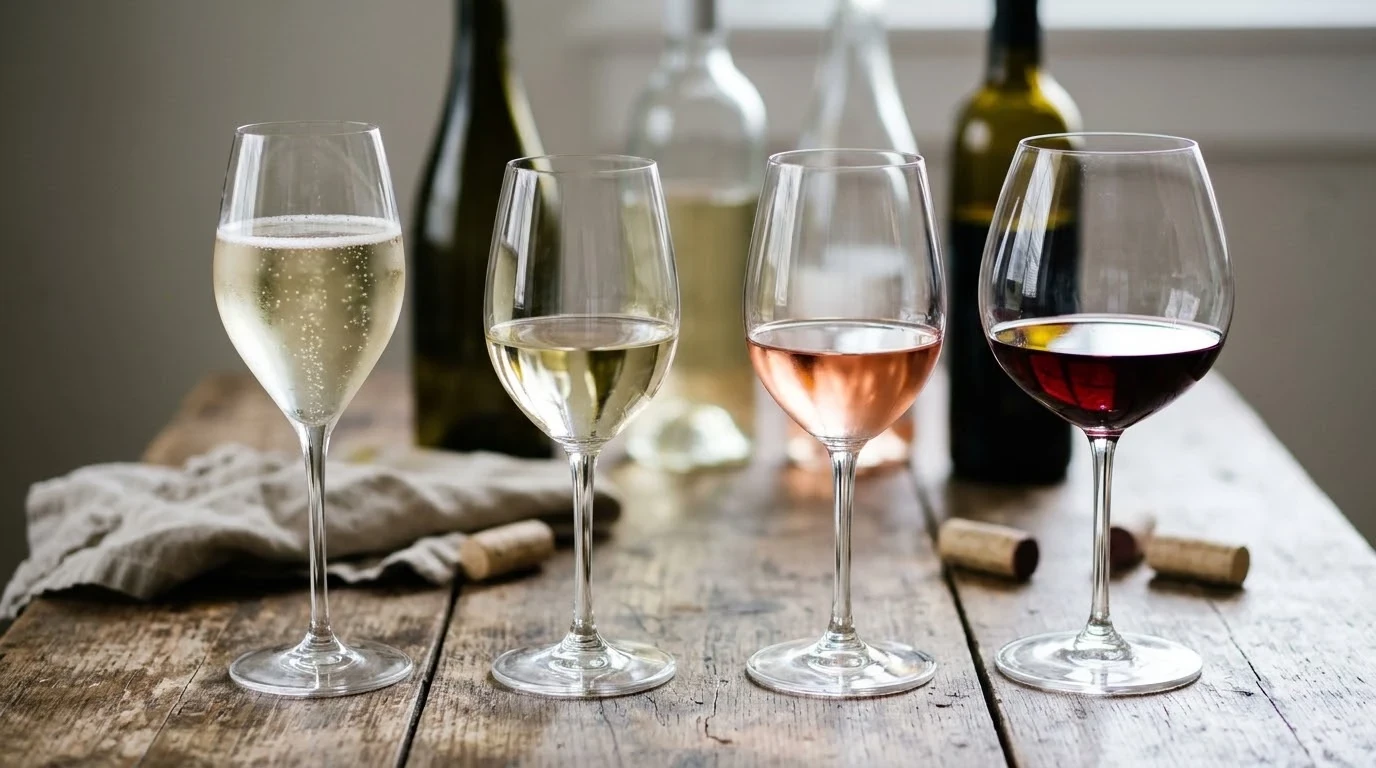
Dreaming Tree wine alcohol content typically ranges from approximately 13% to 14% ABV across its commonly documented wines, depending on the varietal and vintage. Its Rosé has been listed at 13% ABV, while its Crush Red Blend has been documented at 13.5% ABV and its 2021 Pinot Noir at 14% ABV. Most bottles therefore fall within a relatively narrow alcohol range, but individual wines and production lots can differ.
Dreaming Tree offers California wines in several familiar styles, including Cabernet Sauvignon, Pinot Noir, Chardonnay, Sauvignon Blanc, Rosé, and Crush Red Blend. Understanding their alcohol percentages helps explain how each bottle compares, how much alcohol a serving contains, and which style suits a particular occasion. Here is a closer look at the available figures, the differences between red and white wines, and the practical details behind ABV.
Typical Dreaming Tree Wine Alcohol Content by Bottle
Dreaming Tree wines generally sit around 13% to 14% ABV, placing them within the moderate-to-full alcohol range commonly encountered in California table wines. Published figures for individual bottles include 13% for the 2022 Rosé, 13.5% for Crush Red Blend, and 14% for the 2021 Pinot Noir.
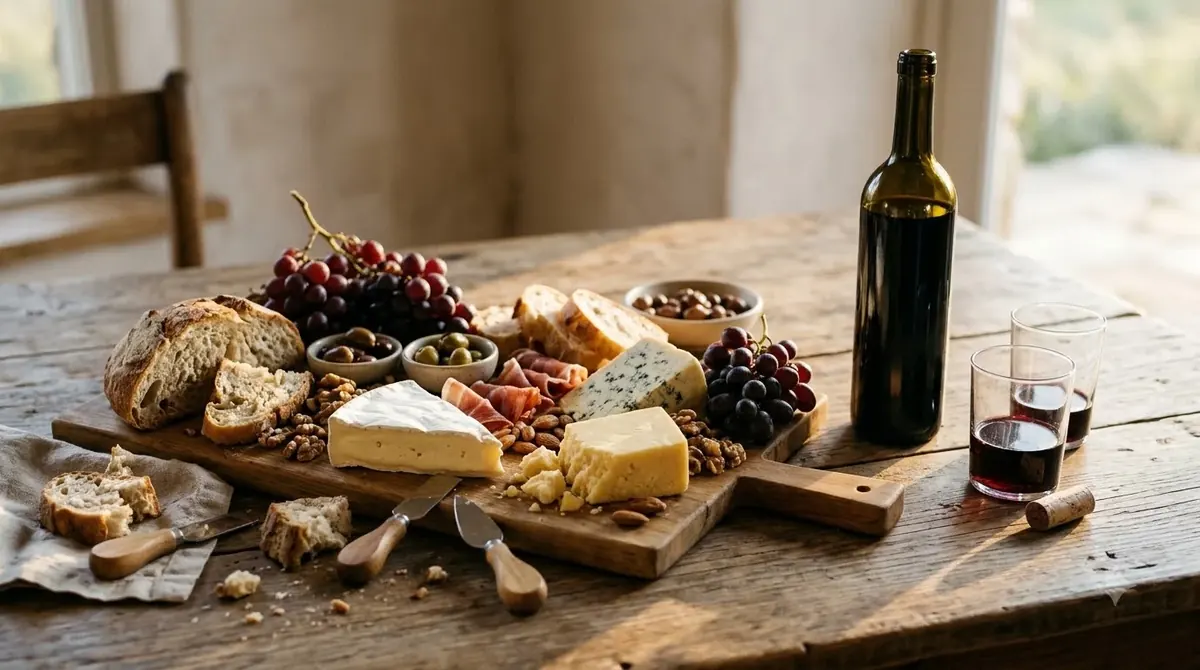
The important distinction is that Dreaming Tree is a wine collection rather than one individual wine. Each varietal has its own grape composition, growing conditions, fermentation characteristics, and production decisions. Consequently, the alcohol percentage of one bottle should not automatically be applied to another.
The following figures provide a practical reference using documented product information. They are tied to specific wine listings and vintages where available, rather than representing guaranteed percentages for every bottle sold under the brand.
| Dreaming Tree wine | Documented ABV | Reference |
|---|---|---|
| Rosé, 2022 | 13% | Wine Enthusiast |
| Crush Red Blend | 13.5% | SAQ |
| Pinot Noir, 2021 | 14% | Wine Enthusiast |
| Cabernet Sauvignon | Varies by listing and vintage | Individual bottle information |
| Chardonnay | Varies by listing and vintage | Individual bottle information |
| Sauvignon Blanc | Varies by listing and vintage | Individual bottle information |
These documented examples establish a useful reference range, but they do not establish an exact minimum or maximum for the entire collection. The distinction matters because wine retailers and tasting publications may list different vintages, while the producer’s main wine overview emphasizes flavor descriptions rather than publishing one universal alcohol percentage.
For additional context, the Wine Enthusiast review of Dreaming Tree Pinot Noir records 14% ABV for the 2021 vintage. This provides a useful example of a specific bottle rather than a general estimate for every Pinot Noir release.
Alcohol Differences Between Red, White, and Rosé Wines
The main difference between Dreaming Tree’s wine styles is not necessarily a dramatic change in alcohol strength. The documented Rosé, Crush Red Blend, and Pinot Noir figures differ by just one percentage point, although their grape varieties, body, acidity, and flavor profiles create distinct drinking experiences.
Red wines frequently have fuller textures and more noticeable tannins than lighter white wines. However, body and tannin are not reliable ways to calculate alcohol. A delicate Pinot Noir can contain more alcohol than a fuller-feeling rosé, as the documented 14% and 13% examples demonstrate.
Dreaming Tree’s official lineup includes six main styles, each offering a different flavor direction. The producer describes Cabernet Sauvignon through blackberry and plum, Pinot Noir through strawberry and cherry, and Crush Red Blend through raspberry and dark cherry.
Its white wines have a different emphasis. Sauvignon Blanc features citrus, pineapple, and grapefruit, while Chardonnay offers apple, lemon, and toasted oak. Rosé brings strawberry, watermelon, and nectarine characteristics.
These flavor descriptions help identify the style of wine, but they should not be confused with alcohol measurements. Citrus aromas do not necessarily indicate lower ABV, just as ripe dark-fruit flavors do not automatically indicate a stronger red wine.
Why varietal alone does not determine alcohol
Grape variety influences the way a wine develops, but alcohol production depends heavily on the amount of fermentable sugar in the grapes and how fermentation proceeds. Warmer growing conditions can contribute to higher grape sugar levels, although vineyard location, harvest timing, and winemaking decisions also matter.
For example, Pinot Noir from one growing season may have a different alcohol percentage from Pinot Noir produced in another. Even two bottles carrying the same varietal name can have slightly different figures when they come from different vintages or production lots.
This explains why the 14% figure associated with Dreaming Tree’s 2021 Pinot Noir should not be treated as a permanent specification for every future Pinot Noir release.
How Much Alcohol Is in Dreaming Tree Crush Red Blend?
Dreaming Tree Crush Red Blend is documented at 13.5% ABV by the Société des alcools du Québec (SAQ). Its listed 750 ml bottle contains a blend of 67% Merlot and 33% Zinfandel, creating a medium-bodied red wine with a fruit-forward profile.
The SAQ describes this particular Crush as dry, with aromas of plum, red berry jam, vanilla, and woody notes. It also records a sugar content of 6.4 grams per liter, making it useful to distinguish sweetness from alcohol strength.
The Merlot component contributes a softer texture, while Zinfandel adds ripe fruit character and richness. The combination makes the wine suitable for dishes with savory flavors and substantial textures.
According to the SAQ product description, recommended food pairings include ribs, burgers, and pulled pork poutine. These dishes provide enough savory character to complement the fruit and medium-bodied structure of the wine.
Crush Red Blend alcohol compared with other reds
At 13.5% ABV, Crush Red Blend sits between the documented Dreaming Tree Rosé at 13% and the 2021 Pinot Noir at 14%. This makes it a useful middle reference when comparing the brand’s documented releases.
However, the 0.5-percentage-point difference between Crush and Rosé does not necessarily create an obvious difference in perceived strength. Serving temperature, acidity, sweetness, tannin, and food can all affect how the wines feel on the palate.
The SAQ lists Crush as a dry wine and recommends serving it between 15°C and 17°C, equivalent to approximately 59°F to 63°F. This temperature range helps the fruit, structure, and oak-related notes remain balanced.
For anyone comparing the red blend with other everyday California reds, it is helpful to look at both ABV and grape composition. A medium-bodied Merlot-based blend and a Cabernet Sauvignon can have similar alcohol percentages while producing noticeably different sensations because their tannin structures are different.
Dreaming Tree Pinot Noir and Rosé Alcohol Percentages
Dreaming Tree Pinot Noir has a documented 14% ABV in Wine Enthusiast’s review of the 2021 California vintage, while its 2022 Rosé is listed at 13% ABV. These figures make the two wines useful examples of the difference between a red wine and a rosé from the same producer.
The 2021 Pinot Noir received 89 points and a Best Buy designation from Wine Enthusiast. The publication describes concentrated black and blue fruit, candied orange, florals, incense, dried herbs, and vanilla spice.
Its 14% alcohol level is toward the upper end of the documented Dreaming Tree examples discussed here. Nevertheless, the wine’s perceived intensity also comes from its fruit concentration, texture, and oak-related character rather than alcohol alone.
Pinot Noir generally has lower-to-medium tannin compared with Cabernet Sauvignon. Its relatively high acidity and softer tannin profile help it pair with dishes such as roast chicken, mushroom preparations, and grilled salmon.
Rosé offers a slightly lighter alcohol example
Wine Enthusiast lists the Dreaming Tree 2022 Rosé at 13% ABV and awards it 89 points with a Best Buy designation. The review describes orange, Pink Lady apple, white grapefruit, grilled watermelon, bay leaf, earth, and mineral notes.
Its medium-weight profile makes it more substantial than some very light rosés while retaining the freshness associated with the style. The publication suggests pairing it with flank steak, seafood, banh mi, and sushi.
At 13% ABV, the documented Rosé contains slightly less alcohol than the 14% Pinot Noir. The difference is real, but both remain conventional alcoholic wines rather than low-alcohol alternatives.
Rosé can also be served cooler than most red wines. A temperature of 45°F to 50°F is a practical target for a refreshing glass, while Pinot Noir generally benefits from a slightly warmer serving temperature of 55°F to 60°F.
How to Calculate Alcohol in a Glass or Bottle
ABV stands for alcohol by volume. It represents the percentage of a wine’s liquid volume that consists of pure alcohol, allowing consumers to compare different wines using the same measurement.
A 750 ml bottle is the standard wine bottle size in the United States. At a typical 5 oz serving, one bottle provides approximately five glasses, although actual pours vary depending on the glass and serving habits.
To estimate the pure alcohol in a serving, multiply the wine volume by its ABV expressed as a decimal. For example, a 5 oz pour of 13.5% ABV wine contains approximately 0.675 oz of pure alcohol.
The following examples compare the documented Dreaming Tree percentages using the same 5 oz serving size.
| Wine | ABV | Pure alcohol per 5 oz | Approximate pure alcohol per 750 ml bottle |
|---|---|---|---|
| Dreaming Tree Rosé | 13% | 0.65 oz | 3.30 oz |
| Dreaming Tree Crush | 13.5% | 0.675 oz | 3.42 oz |
| Dreaming Tree Pinot Noir | 14% | 0.70 oz | 3.55 oz |
These calculations use the standard US fluid ounce measurement and the listed ABV values. They are estimates for comparing wine quantities, not a statement about how quickly alcohol affects an individual.
Understanding a standard drink
In the United States, a standard alcoholic drink contains approximately 0.6 fluid ounces of pure alcohol. A 5 oz glass of wine at 12% ABV contains about 0.6 oz of pure alcohol.
At 13% ABV, a 5 oz glass contains approximately 0.65 oz. At 13.5%, it contains approximately 0.675 oz, while a 14% glass contains approximately 0.70 oz.
This means a standard 5 oz pour of any of these documented Dreaming Tree wines contains slightly more alcohol than the reference amount in a US standard drink.
Glass size can make a meaningful difference to these calculations. A large wineglass does not automatically represent one serving, and a generous restaurant pour may contain considerably more wine than the standard 5 oz measurement.
Tip: Compare wines using the same serving volume. A 5 oz glass of 13% wine contains less pure alcohol than a 5 oz glass of 14% wine, but a larger pour can change the comparison substantially.
How Dreaming Tree Compares With Other Popular Wine Brands
Dreaming Tree’s documented 13% to 14% examples are broadly comparable with many familiar California and international wines. However, comparing brands requires matching the varietal and vintage rather than assuming that every bottle from a particular producer has the same alcohol percentage.
For example, a Sauvignon Blanc and a Pinot Grigio may both have crisp acidity, but their alcohol levels can differ according to growing conditions and winemaking decisions. The same principle applies to comparing California Pinot Noir with Italian Pinot Grigio.
Readers interested in white wine comparisons can also explore Black Box Pinot Grigio alcohol content and Cavit Pinot Grigio alcohol content. These comparisons help show how alcohol levels vary across producers even when the wines share a similar broad category.
Comparing Sauvignon Blanc with Dreaming Tree
Sauvignon Blanc is another useful comparison because its crisp acidity and citrus-driven flavor profile can create a lighter impression than its actual alcohol percentage suggests.
Dreaming Tree’s official description highlights citrus, pineapple, and grapefruit. Kim Crawford Sauvignon Blanc offers another familiar reference point for readers comparing California and New Zealand white wines.
For a closer varietal comparison, the Kim Crawford Sauvignon Blanc alcohol content article provides additional context about how alcohol percentages can differ between Sauvignon Blanc producers.
There is no universal alcohol percentage for all Sauvignon Blanc or Pinot Grigio wines. Climate, ripeness, fermentation, and vintage all contribute to the final result.
Does a higher ABV always mean a fuller wine?
Not necessarily. Alcohol contributes warmth and weight to a wine, but body also depends on acidity, residual sugar, tannin, glycerol, and other structural elements.
A 13% Chardonnay may feel fuller than a 14% Pinot Noir because of differences in texture, oak treatment, and overall composition. Similarly, a dry red blend at 13.5% may feel richer than a crisp white wine at a slightly higher percentage.
Dreaming Tree’s range illustrates this distinction. Its Rosé, Crush Red Blend, and Pinot Noir have relatively close ABV figures, yet they offer different textures, aromas, and food-pairing possibilities.
For more information about producers and their different styles, the Wine Brands section provides additional background on familiar wine labels and varietals.
Serving and Storing Dreaming Tree Wines
Serving temperature can change how alcohol, fruit, acidity, and tannin are perceived. Dreaming Tree’s different styles benefit from different temperatures, so the same serving approach should not be applied to every bottle.
For the documented Crush Red Blend, the SAQ recommends 15°C to 17°C, or approximately 59°F to 63°F. This is slightly cooler than the conventional room-temperature range often associated with full-bodied red wine.
Pinot Noir generally works well at 55°F to 60°F, while Cabernet Sauvignon and fuller red blends are commonly served around 60°F to 65°F. These temperatures help maintain balance without making the wine feel excessively warm.
White wines require cooler serving conditions. Sauvignon Blanc and Rosé are generally best at 45°F to 50°F, while Chardonnay is better suited to approximately 50°F to 55°F.
Practical storage recommendations
For unopened bottles, a cool, dark storage location near 55°F is a useful target. Bottles sealed with natural cork are generally stored horizontally to keep the cork from drying out, while temperature stability is more important than occasional changes in room conditions.
After opening, refrigerate still wines and aim to finish them within approximately three to five days for the best quality. A wine stopper can help reduce exposure to oxygen, although it does not completely prevent oxidation.
Red wine does not need to remain at refrigerator temperature permanently. A bottle of Pinot Noir can be removed from the refrigerator before serving so that it gradually approaches the recommended 55°F to 60°F range.
For white wine and Rosé, refrigeration helps preserve freshness. Taking the bottle out shortly before serving allows the aromas to develop as the wine warms slightly in the glass.
Decanting is generally unnecessary for most young, approachable Dreaming Tree wines. If serving a young, full-bodied Cabernet Sauvignon or red blend, allowing 30 to 60 minutes of aeration can help soften the initial impression and release more aromas.
The producer describes its collection as fruit-forward and approachable, with wines intended for enjoyment rather than extended cellar storage. That makes proper serving temperature, careful resealing, and sensible storage more useful considerations than planning long-term bottle aging.
Frequently Asked Questions
Is Dreaming Tree wine considered a strong wine?
Dreaming Tree’s documented examples fall between 13% and 14% ABV, which is within the ordinary range for many table wines. Its alcohol concentration is higher than that of many lower-alcohol wines, such as certain Moscato styles. Strength should be compared using both the ABV and the amount poured.
Does Dreaming Tree wine contain gluten?
Traditional wine made from fermented grapes is generally considered naturally gluten-free because grapes do not contain gluten. However, individual production practices, processing aids, and possible cross-contact can affect specific products. Anyone requiring strict gluten avoidance should verify the product information with the producer.
Can Dreaming Tree wine be used for cooking?
Yes. Dry Dreaming Tree wines can be used in recipes that call for red or white wine. Crush Red Blend can complement tomato-based sauces and braised meats, while Chardonnay or Sauvignon Blanc can work in seafood sauces and dishes with lemon or herbs. Alcohol does not always disappear completely during cooking.
Does Dreaming Tree wine contain sulfites?
Wine commonly contains sulfites, which can occur naturally during fermentation and may also be added during winemaking to help protect freshness. The presence and amount of sulfites are separate from the alcohol percentage. Product labeling provides the relevant allergen information for individual bottles.
What does ABV mean on a Dreaming Tree wine label?
ABV means alcohol by volume and represents the proportion of the wine made up of pure alcohol. For example, 13.5% ABV means that alcohol accounts for 13.5% of the liquid volume. This measurement is different from residual sugar, acidity, and the wine’s perceived body.
Dreaming Tree wine alcohol content generally falls around 13% to 14% ABV in the documented examples, with the exact percentage depending on the varietal and vintage. The Rosé, Crush Red Blend, and Pinot Noir provide useful reference points for comparing the collection. Understanding ABV alongside serving size, flavor, and wine style makes it easier to choose the right bottle and serve it appropriately.
More in Wine Brands
 Underwood Wine Price: Compare Bottles, Cans, and Pack SizesUpdated Nov 21, 2026
 Zenato Wine Price: Compare Styles and Choose the Right BottleUpdated Nov 21, 2026
 Zuccardi Wine Price: Compare Bottles and Find the Right RangeUpdated Nov 21, 2026
 Yellow Tail Moscato Review: Taste, Sweetness and Serving TipsUpdated Nov 21, 2026
 Wolf Blass Yellow Label Review: Choose Your Best StyleUpdated Nov 21, 2026
 Wolffer Estate Rose Review: Choose the Right Bottle for Your TableUpdated Nov 21, 2026