

We may earn a commission when you buy through links on this page, at no extra cost to you. Learn more.
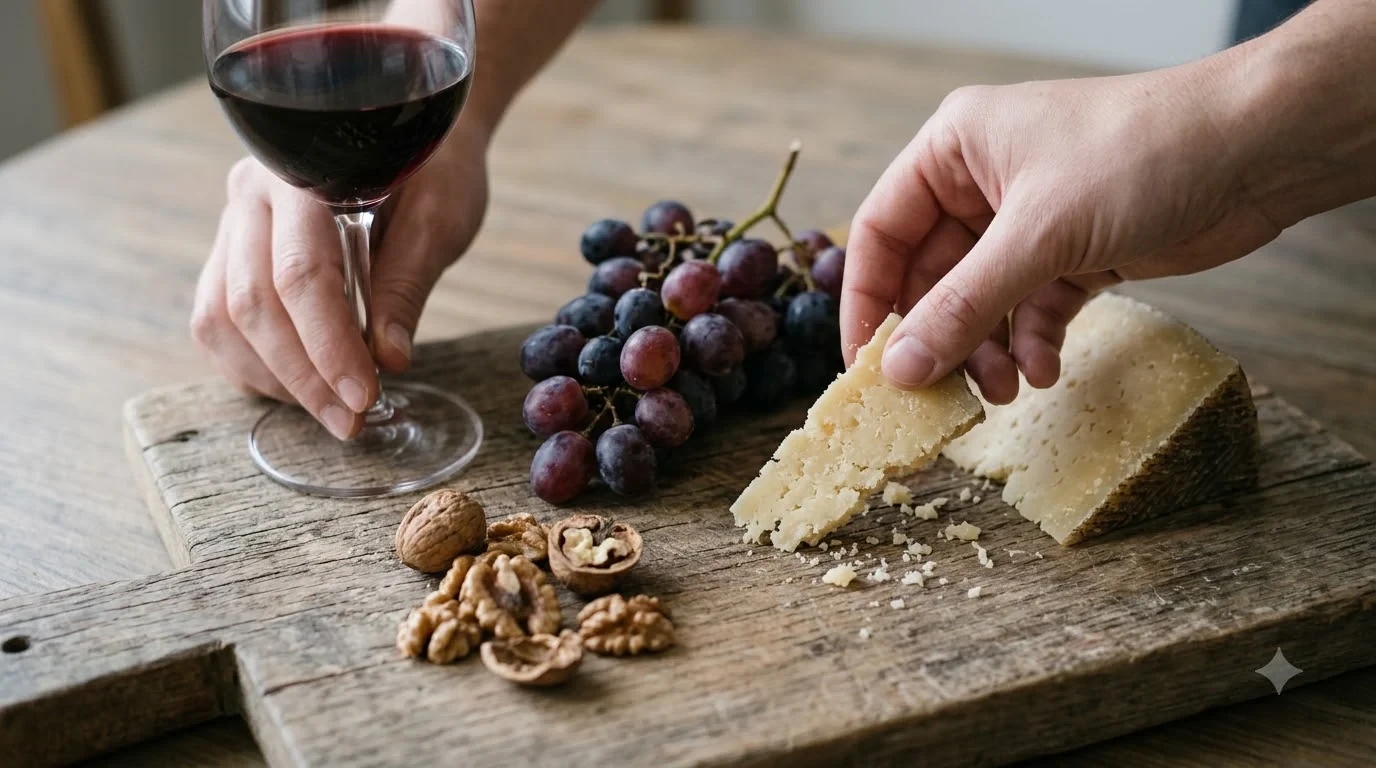
Refosco food pairing works best with rich, savory, and fatty dishes—such as roasted lamb, slow-cooked beef, wild game, cured sausages, and aged cheeses—that benefit from the wine’s brisk acidity and firm tannins. Native to northeastern Italy and neighboring Slovenia, this dark-skinned red grape produces deeply colored, structured wines layered with dried cherry, wild blackberry, black pepper, and herbal notes. Its lively acid cuts straight through heavy fats and creamy sauces, while its earthy, slightly bitter almond-skin finish echoes char, smoke, and winter herbs.
Because Refosco remains an under-the-radar grape outside Friuli-Venezia Giulia and Istria, many home cooks treat it like an everyday table red and miss what makes it shine at dinner. Understanding how its natural tartness and herbal grip interact with proteins, spices, and cooking methods turns an unfamiliar bottle into one of the most versatile cold-weather reds in your kitchen.
What Is Refosco?
Refosco is not a single grape, but a family of ancient, dark-skinned red varieties grown primarily in northeastern Italy and across the border in Slovenia and Croatia. Among these related clones, Refosco dal Peduncolo Rosso—translated as “Refosco of the red stalks”—is the most widely planted and respected bottling you will encounter.
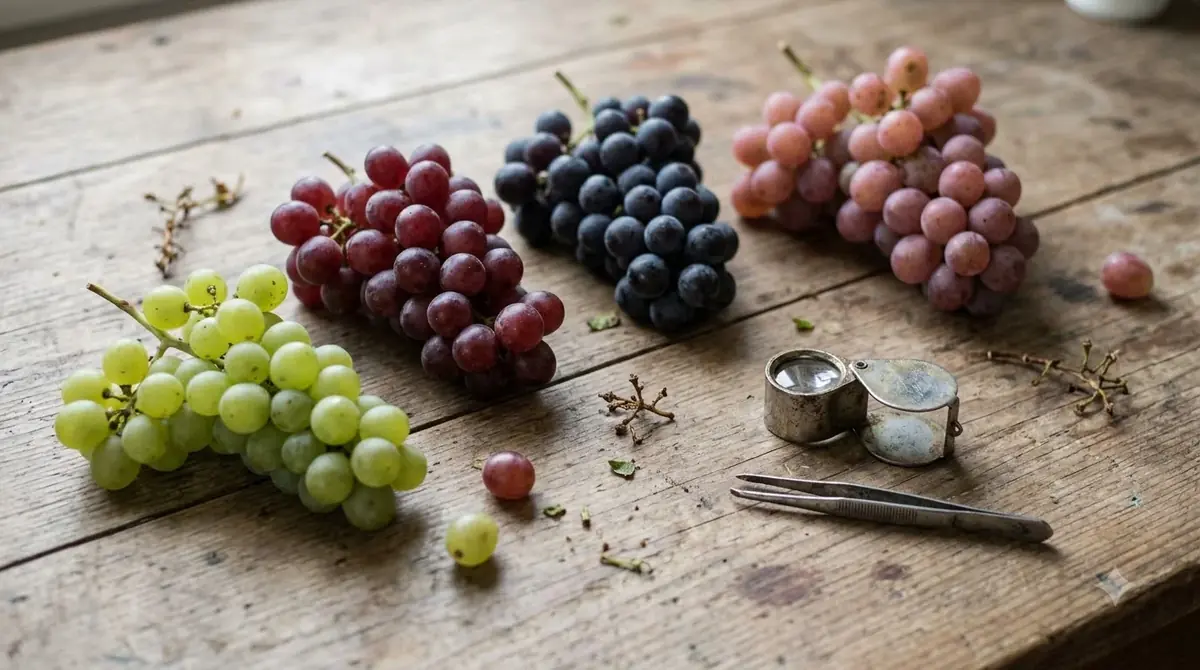
Named for the distinctive reddish stems that attach the ripe grape clusters to the vine, Refosco dal Peduncolo Rosso has documented genetic ties to the Valpolicella grape family of the neighboring Veneto region. Unlike soft, fruit-forward international reds, Refosco is a late-ripening variety prized for retaining high natural acidity alongside deep anthocyanin color. When harvested at full maturity, it yields a structured, medium-to-full-bodied red with gripping tannins and a distinctly savory personality.
Across the border in Slovenia’s coastal Kras and Istria regions, local winemakers bottle closely related members of this family under the names Refošk and Teran. In Italy’s Carso zone near Trieste, the local variant is also known as Terrano. While soil types and winemaking choices create subtle differences between Italian and Slovenian expressions, every member of the Refosco clan shares the same core table identity: dark berry fruit, mouthwatering tartness, and an unmistakable herbal, peppery edge.
Flavor Profile and Styles
On the palate, Refosco balances concentrated dark fruit with mouthwatering acidity, moderate-to-firm tannins, and a savory, slightly bitter finish reminiscent of roasted almond skins. Its core aromatic profile blends dried cherry, wild blackberry, and dark plum with crushed black pepper, dried Mediterranean herbs, violet, and a hint of smoke.
Winemakers generally produce Refosco in two main structural styles, and knowing which style is in your glass helps determine the ideal menu. Younger, unoaked or stainless-steel-aged bottlings emphasize bright red and black berry crunch, electric acidity, and lively pepper spice. These fresher versions feel energetic and brisk, acting almost like a palate cleanser between bites of rich, salty charcuterie or pork.
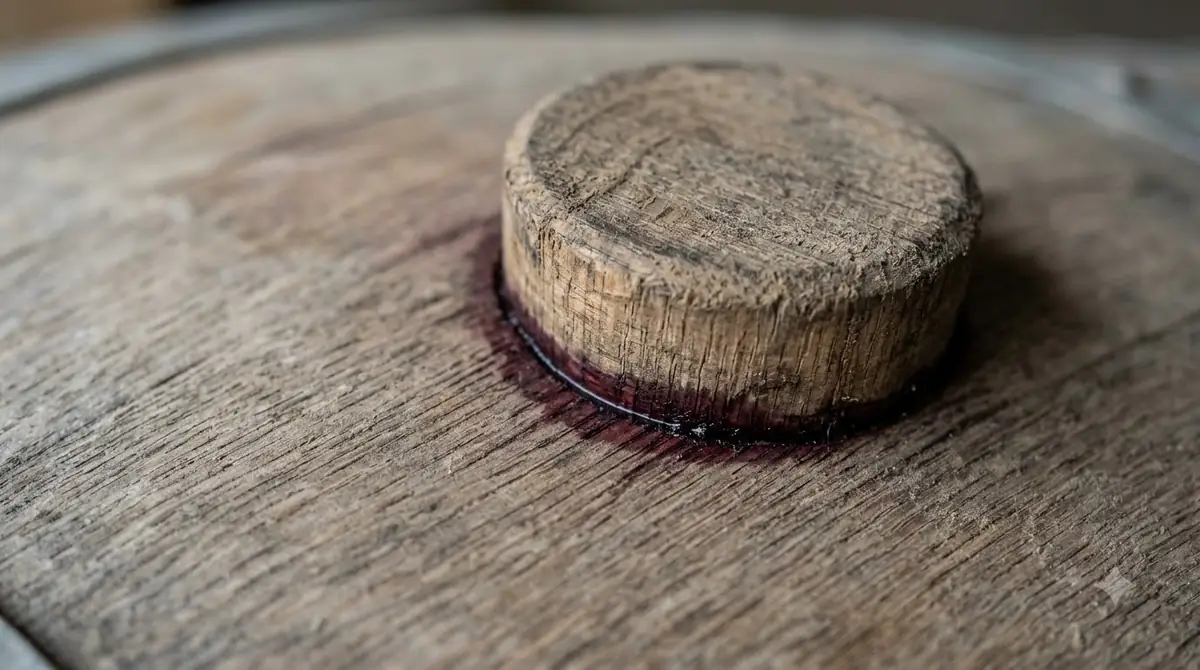
Oak-aged reserva or single-vineyard selections—particularly from top hills in Friuli—spend extended time in barrique or larger wooden casks. According to Wine Folly’s Refosco grape guide, barrel aging and bottle maturity soften the grape’s youthful astringency while layering in secondary notes of espresso, anise, leather, and woodsmoke. These fuller-bodied, plush expressions carry the weight needed for braised short ribs, venison, and deeply reduced pan sauces.
Where It Grows
The spiritual home of Refosco is Friuli-Venezia Giulia in northeastern Italy, where steep hillside vineyards meet cool Alpine breezes and warm Adriatic air. Within Friuli, the Colli Orientali del Friuli DOC is widely considered the benchmark appellation for complex, age-worthy Refosco dal Peduncolo Rosso, thanks to its marl and sandstone soils known locally as ponca.
Further south on the flatter alluvial plains of Friuli Grave and across the border into Veneto’s Lison-Pramaggiore zone, Refosco ripens into slightly rounder, softer-textured wines meant for earlier enjoyment. Along the rocky limestone plateau of Carso overlooking the Gulf of Trieste, local producers cultivate Terrano, producing fiercely mineral, high-acid reds shaped by iron-rich red earth and the fierce Bora wind.
Just east in Slovenia, particularly around the coastal port of Koper and the rolling hills of Slovenian Istria and Kras, Refošk serves as the signature red wine of the region. If you enjoy exploring regional European reds that punch well above their recognition level, comparing Slovenian Refošk with Central European staples covered in our blaufrankisch food pairing guide reveals how cool-climate acidity transforms hearty regional cooking.
How to Serve Refosco
Serve Refosco slightly cooler than room temperature—between 60 and 68 degrees Fahrenheit—in a medium-to-large universal or Bordeaux-style wine glass after roughly 30 minutes of aeration. Chilling the bottle briefly before dinner keeps its high natural acidity crisp and prevents the alcohol from feeling warm on the finish.
Younger, tank-fermented bottles show their best at the cooler end of that range, around 60 to 62 degrees Fahrenheit. At this temperature, the wild strawberry, blackberry, and violet aromas stay vibrant, and the wine pairs effortlessly with casual weeknight fare. If a bottle has been sitting in a warm kitchen, twenty minutes in the refrigerator will bring it right into its sweet spot.
Older, oak-aged bottlings from Colli Orientali del Friuli benefit from a warmer serving temperature closer to 65 to 68 degrees Fahrenheit and at least 30 to 45 minutes in a decanter. Oxygen unlocks the savory espresso, dried herb, and black pepper layers while smoothing out any firm tannins before the first course hits the table.
Best Refosco Food Pairings
The golden rule for Refosco food pairing is to match the wine’s brisk acidity and herbal tannin grip with rich fats, slow-cooked meats, smoky char, or earthy spices. Because Refosco rarely feels flabby or overly sweet, it excels at cutting through heavy dishes that would overwhelm softer reds.
In its Friulian homeland, locals pour Refosco alongside traditional cold-weather comfort dishes that rely on cured pork, braised meats, and tangy fermented vegetables. Reviewers at Decanter’s Trieste dining guide highlight classic tavern pairings such as cooked ham with sharp horseradish, boiled pork panini, goulash, and jota—a hearty Friulian and Istrian soup made with sauerkraut, beans, and smoked pork. The wine’s natural tartness mirrors the tang of sauerkraut and vinegar while scrubbing the palate clean of rich pork fat.
At home, roasted and grilled meats are your most reliable starting point. Herb-crusted rack of lamb, grilled pork chops with fennel seed, duck breast with tart cherry reduction, and venison loin all play directly into Refosco’s dried herb, anise, and dark berry notes. For casual dinners, wood-fired pizza topped with Italian sausage, roasted peppers, and caramelized onions creates an effortless congruent match with the wine’s peppery, smoky profile.
| Food Category | Best Dish Examples | Why the Pairing Works |
|---|---|---|
| Roasted & Grilled Meats | Herb-crusted rack of lamb, grilled pork chops, ribeye steak | Firm tannins bind to meat proteins while brisk acidity refreshes the palate between rich bites. |
| Wild Game & Poultry | Venison loin, roasted duck breast, braised pheasant | Dried cherry, smoke, and anise notes mirror gamey depth and dark fruit pan sauces. |
| Cured Meats & Sausages | Prosciutto di San Daniele, soppressata, grilled fennel sausage | High natural acidity cuts through cured fat and balances savory saltiness. |
| Hearty Pasta & Grains | Pappardelle with wild boar ragù, mushroom risotto, goulash | Earthy, peppery aromatics echo slow-simmered sauces, mushrooms, and paprika. |
| Aged & Pungent Cheeses | Aged Montasio, Parmigiano-Reggiano, Gorgonzola Dolce | Nutty, salty cheese crystals soften Refosco’s almond-skin bitterness and firm grip. |
Vegetarian cooks also have plenty of room to experiment by leaning into umami, smoke, and bitterness. Charred radicchio trevigiano—a staple vegetable across northeastern Italy—shares a pleasing bitter edge with Refosco’s almond-skin finish, especially when roasted with olive oil and shaved aged Montasio cheese. Wild mushroom ragù over creamy polenta, grilled eggplant, and lentil stews seasoned with rosemary and smoked paprika deliver the savory weight needed to balance the wine. If you are planning a multi-course dinner party and want a bright white starter before moving to Refosco, explore our grenache blanc food pairing recommendations for herbaceous appetizers.
Tip: Avoid pairing young, high-tannin Refosco with fiery chili heat or overly sweet barbecue glazes, as capsaicin amplifies alcohol warmth and sugar makes the wine taste sharp and astringent.
How to Choose a Bottle
When shopping for Refosco, look first at the grape name and appellation on the label to match the wine’s weight to your menu. Bottles labeled “Refosco dal Peduncolo Rosso” from Colli Orientali del Friuli DOC generally offer the deepest concentration, finest tannin structure, and longest aging potential.
If you want a brighter, lighter-framed bottle for weeknight pasta, pizza, or charcuterie boards, look for Refosco from Friuli Grave DOC or Veneto’s Lison-Pramaggiore DOC. Similarly, Slovenian bottlings labeled “Refošk” from Slovenska Istra deliver vibrant coastal freshness and crisp berry fruit that shine alongside grilled sausages and antipasti.
Check the vintage date as well before buying. Because Refosco is a late-ripening variety with naturally firm tannins, giving structured hillside bottlings three to seven years in the bottle allows the grip to mellow into velvety complexity. For similar rustic, food-driven Mediterranean reds that thrive alongside grilled meats and herbs, you can also browse our carignan food pairing guide or explore broader regional styles in our Wine by Type hub.
Frequently Asked Questions
Is Refosco a dry or sweet wine?
Refosco is almost always fermented completely dry, showcasing brisk natural acidity, firm tannins, and savory dark fruit rather than residual sugar. While rare sweet passito versions exist in Friuli, standard table bottlings of Refosco dal Peduncolo Rosso and Slovenian Refošk are crisp, dry dinner wines.
What does Refosco taste similar to?
Refosco sits in a savory middle ground between northern Italian Barbera and southern Rhône Syrah. It shares Barbera’s vibrant, mouthwatering acidity and sour cherry core while offering the dark berry depth, black pepper spice, and smoked-herb aromatics of a cool-climate Syrah.
Can you pair Refosco with fish or seafood?
Delicate white fish will be overwhelmed by Refosco’s firm tannins, but meaty, oil-rich fish prepared with bold sauces can work surprisingly well. Traditional Friulian and Slovenian tables sometimes pair lighter styles of Refosco with braised eel stew or tomato-and-herb-braised tuna, where the wine’s high acidity cuts through the richness.
Does Refosco need to be decanted before dinner?
Young, unoaked bottles of Refosco only need about 20 to 30 minutes in the glass to open up and show their bright berry and violet aromatics. However, barrel-aged reserve bottlings from Colli Orientali del Friuli benefit from 30 to 60 minutes in a decanter to soften their youthful tannins and release deeper notes of espresso, anise, and dried herbs.
Whether you pick up a structured Colli Orientali del Friuli bottling for Sunday roast lamb or a lively Slovenian Refošk for Friday night sausage pizza, this northern Adriatic red rewards bold, savory cooking. Keep the bottle slightly chilled, give it a brief splash of air, and let its natural acidity bring balance to your richest dishes.
More in Wine Types & Grapes
 Zinfandel Sugar Content: Dry Red vs. White Zinfandel GramsUpdated Nov 21, 2026
 Best Zinfandel Substitute Options for Sipping and CookingUpdated Nov 21, 2026
 Zweigelt Food Pairing: Best Dishes, Cheeses, and Serving TipsUpdated Nov 21, 2026
 Zinfandel Tannins Explained: How Structure Shapes Every BottleUpdated Nov 21, 2026
 Zinfandel Sweetness Level: Dry Red vs. Sweet White Zin ExplainedUpdated Nov 21, 2026
 Xinomavro Food Pairing: Best Dishes, Styles, and Serving TipsUpdated Nov 21, 2026