

We may earn a commission when you buy through links on this page, at no extra cost to you. Learn more.
Decoy wine alcohol content generally falls around 13.5% to 14.5% ABV for many standard and Limited bottlings, while Decoy Featherweight Cabernet Sauvignon offers a lower-alcohol alternative at 9% ABV. The exact percentage depends on the wine variety, product tier, and vintage. Cabernet Sauvignon and Red Blend are commonly around 14% ABV, while lighter-bodied styles may have different alcohol levels. The individual bottle’s alcohol statement provides the most reliable figure for a particular release.
Decoy is a California wine brand with a lineup that includes Cabernet Sauvignon, Merlot, Pinot Noir, Zinfandel, Chardonnay, Sauvignon Blanc, Rosé, Red Blend, and sparkling wine. Its different collections offer distinct styles and alcohol levels, so one percentage cannot accurately describe every Decoy bottle. Understanding the differences between standard Decoy, Decoy Limited, and Featherweight makes it easier to compare bottles and select a wine for dinner or a particular preference.
Typical Alcohol Content Across Decoy Wine Bottles
Many standard Decoy wines sit close to 14% ABV, with individual bottlings and vintages varying around that figure. The most useful starting point is to distinguish standard wines from Limited and Featherweight releases rather than assuming every bottle carries the same alcohol percentage.
Decoy’s standard California Cabernet Sauvignon provides a useful reference point. Its 2021 technical sheet lists 13.9% ABV, while Wine Enthusiast lists the 2023 California Cabernet Sauvignon at 14.1%. These figures illustrate why vintage-specific information matters even when the producer and varietal name remain the same.
Other Decoy releases can fall outside this central range. Wine Enthusiast lists the 2023 Limited Cabernet Sauvignon from Paso Robles at 14.5% ABV, while its 2023 Featherweight Cabernet Sauvignon is listed at 9%. The difference between those wines is substantial, even though both use Cabernet Sauvignon as their principal grape variety.
The following table provides documented examples rather than suggesting that every vintage of each wine has an identical alcohol percentage.
| Decoy wine | Vintage | Reported ABV |
|---|---|---|
| California Cabernet Sauvignon | 2021 | 13.9% |
| California Cabernet Sauvignon | 2023 | 14.1% |
| California Red Blend | 2023 | 14.1% |
| Limited Paso Robles Cabernet Sauvignon | 2023 | 14.5% |
| Featherweight California Cabernet Sauvignon | 2023 | 9% |
These examples show that a standard Decoy Cabernet Sauvignon and a Red Blend can have similar alcohol levels, while a Limited bottling may be somewhat higher. Featherweight represents a distinct lower-alcohol option. The figures describe specific documented releases, not a permanent specification for every bottle sold under those names.
For a broader understanding of how different producers list alcohol percentages, comparisons with Black Box Pinot Grigio alcohol content and Cavit Pinot Grigio alcohol content can help put Decoy’s California wines into perspective.
Alcohol Levels by Decoy Wine Variety
Decoy’s grape varieties produce different styles, but grape variety alone does not establish a precise ABV. Cabernet Sauvignon, Merlot, Pinot Noir, Chardonnay, and Sauvignon Blanc can all produce wines with different alcohol percentages depending on grape ripeness, fermentation, and the winemaker’s intended style.
Cabernet Sauvignon: Decoy Cabernet Sauvignon is generally a fuller-bodied red with a substantial alcohol level. Its 2021 California technical sheet records 13.9% ABV, while the 2023 California bottling is listed at 14.1% by Wine Enthusiast. The 2021 wine contained 90% Cabernet Sauvignon and 10% Merlot and spent 18 months in French oak barrels.
Merlot: Decoy Merlot offers a softer red-wine style than Cabernet Sauvignon in terms of tannin structure. That does not mean it must have less alcohol. Merlot can be similar in ABV to Cabernet Sauvignon, so the specific bottling’s label is more useful than the grape name when comparing alcohol levels.
Pinot Noir: Pinot Noir is generally lighter in tannin than Cabernet Sauvignon and often has fresh acidity. Decoy Pinot Noir belongs to a different structural category from its Cabernet Sauvignon, but a lighter body should not automatically be interpreted as lower alcohol. Fruit ripeness and winemaking decisions still influence the final ABV.
Chardonnay: Decoy Chardonnay is a fuller white-wine option compared with many crisp, lighter white wines. Its alcohol percentage can be close to that of some red wines. A creamy texture, citrus character, or vanilla aroma does not necessarily indicate a lower alcohol level.
Sauvignon Blanc: Sauvignon Blanc is usually associated with bright acidity, citrus, and herbal aromas. Its refreshing character can make it seem lighter than a full-bodied red, although the actual alcohol percentage must be considered separately from acidity and body.
Zinfandel, Red Blend, and Rosé: These styles add further variety to the Decoy lineup. Red Blend can offer the fuller structure of several red grape varieties, while Rosé generally emphasizes freshness and fruit. Zinfandel can produce ripe, fruit-forward wines with substantial alcohol, depending on the vintage and growing conditions.
The distinction between these styles is useful when selecting a wine for a meal. Someone who prefers softer tannins might choose Merlot or Pinot Noir over Cabernet Sauvignon. Someone looking for a crisp white wine might prefer Sauvignon Blanc. Those decisions concern structure and flavor as much as alcohol percentage.
Decoy Standard, Limited, and Featherweight Bottlings
Decoy’s product tiers matter because they demonstrate how wines from the same brand can target different styles. The standard range, Limited releases, and Featherweight Cabernet Sauvignon should not be treated as interchangeable products with one shared alcohol percentage.
The standard Decoy range includes familiar varieties such as Cabernet Sauvignon, Merlot, Pinot Noir, Chardonnay, and Sauvignon Blanc. The 2021 California Cabernet Sauvignon technical sheet provides a specific example at 13.9% ABV. The 2023 California Cabernet Sauvignon listed by Wine Enthusiast is 14.1% ABV, showing a modest difference between those two documented releases.
Decoy Limited is a separate tier. Its 2023 Paso Robles Cabernet Sauvignon is listed at 14.5% ABV by Wine Enthusiast. That number is higher than the 14.1% listed for the 2023 California Cabernet Sauvignon. It is important not to generalize the Paso Robles figure to every Limited wine, since different grapes, regions, and vintages can produce different results.
Featherweight provides the clearest contrast. Wine Enthusiast lists the 2023 Featherweight Cabernet Sauvignon at 9% ABV, substantially below the two Cabernet examples in the standard and Limited categories. It offers a choice for people specifically looking for a Cabernet Sauvignon with a lower stated alcohol percentage.
There is an important distinction between lower alcohol and lighter flavor. A wine with reduced alcohol can still have dark fruit, oak-derived notes, and recognizable Cabernet Sauvignon character. Similarly, a wine with a high alcohol percentage can have balanced acidity and structured tannins rather than tasting overtly alcoholic.
Why the product tier matters
The product tier is a useful first clue, but it is not a substitute for reading the specific wine’s information. A standard California Cabernet Sauvignon at 13.9% ABV and a Limited Paso Robles Cabernet Sauvignon at 14.5% ABV are both Cabernet-based Decoy wines, yet their reported alcohol levels differ by 0.6 percentage points.
People comparing these bottles should also consider body, acidity, tannin, and food compatibility. A fuller wine may feel richer, while a wine with higher acidity can seem more refreshing. Those sensations are related to the wine’s composition, not simply its alcohol percentage.
What ABV Means on a Decoy Wine Label
ABV means alcohol by volume. It expresses how much of a liquid’s total volume is pure alcohol, stated as a percentage. A wine labeled 14% ABV therefore contains approximately 14% alcohol by volume, not 14% alcohol by weight.
According to the Alcohol and Tobacco Tax and Trade Bureau, alcohol content statements on American wine labels are expressed as percentages by volume. The agency also explains that the statement can appear on any label of the container, which is why the information is frequently found on the back label rather than beside the brand name on the front.
The label is especially useful when comparing Decoy wines that look similar. Two Cabernet Sauvignon bottles might have nearly identical packaging but different alcohol percentages because they represent different vintages or product tiers. Reading the numerical statement provides a clearer comparison than relying on the appearance of the bottle or the grape name.
The TTB also establishes tolerances for stated alcohol percentages. For wine containing 14% ABV or less, the permitted tolerance is plus or minus 1.5 percentage points. For wine above 14%, the permitted tolerance is plus or minus 1 percentage point. These are regulatory allowances, not a claim that every bottle differs from its declared number by the maximum amount.
For example, a wine labeled 12% ABV may legally fall between 10.5% and 13.5% under the TTB’s stated tolerance, subject to applicable wine classification requirements. A wine labeled 14.5% ABV has a different tolerance because it falls above the 14% threshold.
For further detail, the TTB’s official wine alcohol-content labeling explanation describes the requirements and permitted tolerances in more detail.
Why the percentage can change between vintages
Grapes accumulate sugar as they ripen. During fermentation, yeast converts fermentable grape sugar into alcohol. As a result, differences in growing-season conditions and harvest decisions can influence the finished wine’s alcohol percentage.
Temperature, sunlight, rainfall, vineyard location, and harvest timing can all influence grape ripeness. A warmer growing season may encourage faster ripening in some circumstances, while cooler conditions can slow development. Winemaking choices also influence the final composition of the wine.
That is why Decoy’s documented 2021 California Cabernet Sauvignon at 13.9% and its 2023 California Cabernet Sauvignon at 14.1% should be understood as separate releases. The difference is small, but it illustrates why a brand-wide ABV figure cannot describe every bottle accurately.
How Much Alcohol Is in a Glass or Bottle of Decoy?
A standard 5-ounce pour of Decoy wine contains less alcohol than the full bottle, but the exact amount depends on the wine’s ABV. A 750 ml bottle holds approximately five 5-ounce servings, making serving size an important part of any alcohol calculation.
For a practical comparison, consider a 5-ounce serving of wine at different alcohol percentages. The following figures show the approximate volume of pure alcohol in each pour.
| Wine ABV | Pure alcohol in a 5 oz pour | Approximate servings per 750 ml bottle |
|---|---|---|
| 9% | 0.45 fl oz | 5 |
| 13.5% | 0.675 fl oz | 5 |
| 13.9% | 0.695 fl oz | 5 |
| 14.1% | 0.705 fl oz | 5 |
| 14.5% | 0.725 fl oz | 5 |
These calculations use a 5-ounce serving and multiply the wine volume by its stated alcohol percentage. For example, 5 ounces multiplied by 0.141 gives approximately 0.705 fluid ounces of pure alcohol in a pour of wine at 14.1% ABV.
The difference between a 9% and a 14.1% wine is noticeable when comparing equal-sized servings. The 14.1% wine contains approximately 57% more pure alcohol in the same 5-ounce pour. That is why Featherweight and standard Decoy Cabernet Sauvignon should not be treated as equivalent choices simply because they share a grape variety.
A complete 750 ml bottle at 14.1% ABV contains approximately 105.75 ml of pure alcohol by volume. A 750 ml bottle at 9% ABV contains approximately 67.5 ml. These are mathematical estimates based on the stated percentages, not measurements of a particular bottle.
Tip: Use the stated ABV and the actual pour size together when comparing wines. A 5-ounce glass of 14.1% Cabernet Sauvignon contains more alcohol than a 5-ounce glass of 9% Featherweight Cabernet Sauvignon, even though both are Cabernet-based wines.
Glass size can make comparisons misleading. A large wineglass might hold 10 or 12 ounces, but that does not mean the serving is equivalent to one conventional 5-ounce pour. Pouring a measured serving makes it easier to compare bottles consistently.
Serving Temperature, Food Pairings, and Storage
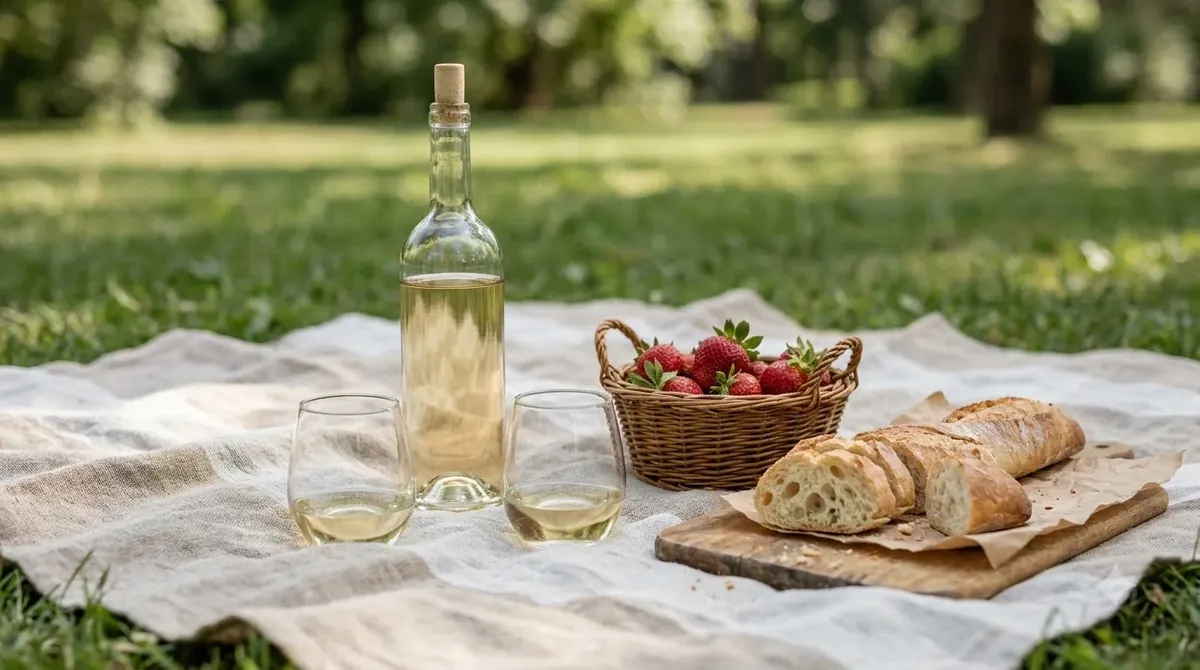
Decoy wine is best served according to its style rather than its ABV alone. Cabernet Sauvignon and other full-bodied reds benefit from slightly cooler serving temperatures than many people expect, while Chardonnay and Sauvignon Blanc generally need more refrigeration to retain their freshness.
For Decoy Cabernet Sauvignon, a serving temperature of 60–65°F works well. This range allows the wine’s black fruit, oak, and tannin structure to remain expressive without making the alcohol seem unnecessarily prominent. Merlot and Pinot Noir are generally better served cooler, around 55–60°F, to emphasize their fruit and balance.
Decoy Chardonnay is generally suited to the 50–55°F range if it has a fuller style. Sauvignon Blanc is better served around 45–50°F, which helps preserve its fresh acidity and citrus character. Rosé also benefits from a cool serving temperature around 45–50°F.
Food pairing should account for the wine’s structure as well as its alcohol content. Cabernet Sauvignon’s relatively high tannin makes it a natural match for beef, lamb, and other substantial dishes. The protein and fat in these foods can soften the perception of tannin and help the wine feel more balanced.
Merlot is a useful option for roast chicken, pork, mushroom dishes, and moderately rich pasta sauces. Pinot Noir can pair well with roasted poultry, salmon, and mushroom-based dishes because its acidity and lower-to-medium tannin provide a more delicate structure than Cabernet Sauvignon.
Chardonnay works with roasted chicken, creamy pasta, and seafood dishes. Sauvignon Blanc is a natural companion for goat cheese, green vegetables, shellfish, and dishes with citrus or herb-based sauces. Its acidity helps balance foods that have a similar fresh character.
When pairing wine with spicy food, remember that alcohol can intensify the sensation of chili heat. A full-bodied red with substantial alcohol and tannin may make a hot dish seem even hotter. A fresher white wine or a wine with a little sweetness can be a more comfortable match.
Storage after opening
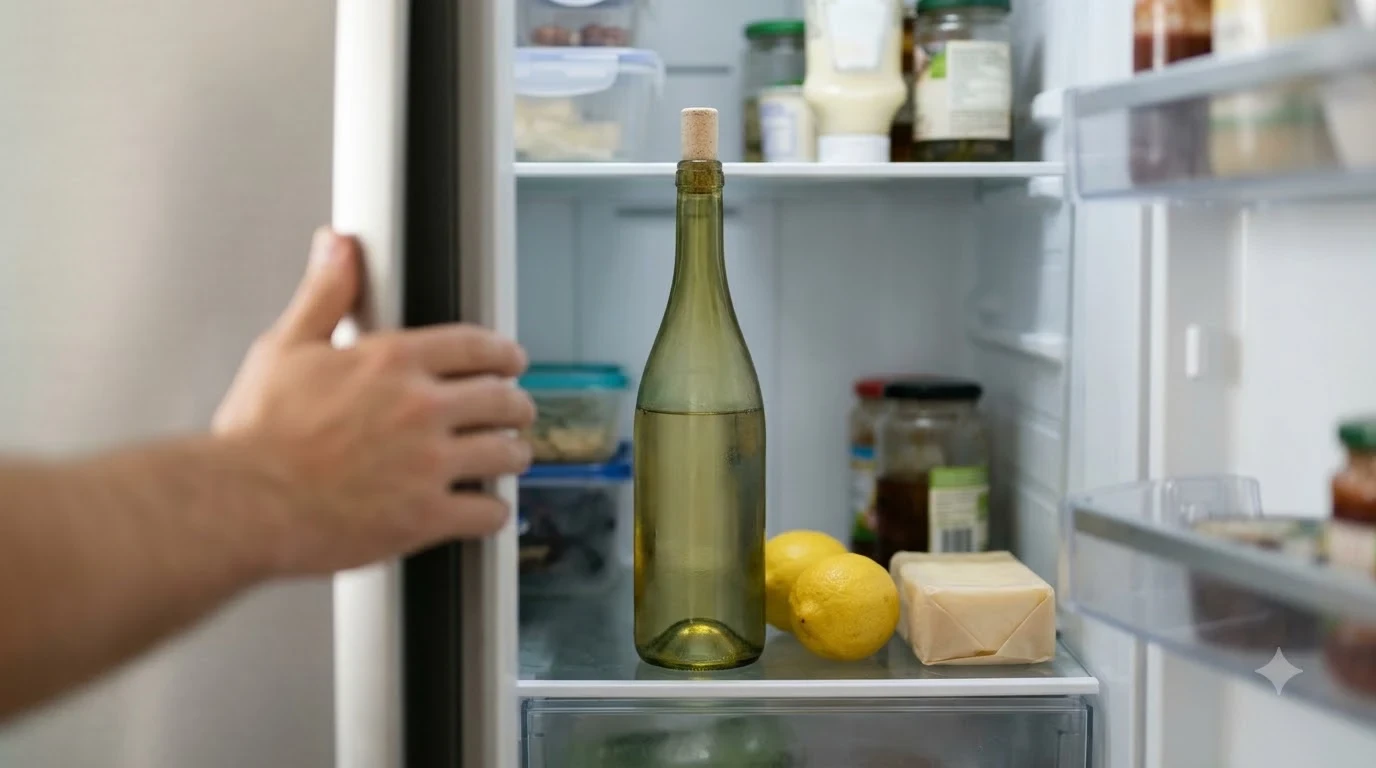
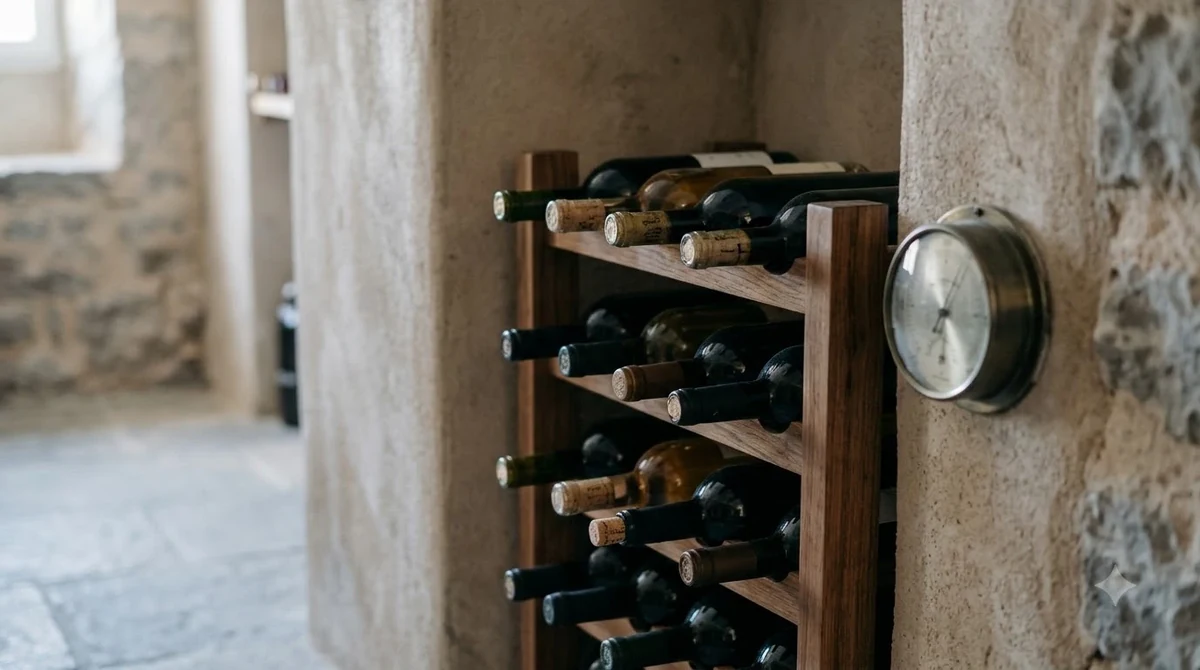
Store unopened Decoy bottles on their sides in a cool, dark location near 55°F when they use traditional cork closures. Avoid prolonged exposure to direct sunlight, strong temperature fluctuations, and heat sources. A stable environment is more useful than repeatedly moving bottles between warm and cold locations.
After opening, reseal still wines and keep them refrigerated. Most opened still wines are best consumed within approximately 3–5 days, although the precise period depends on the wine’s condition, exposure to oxygen, and storage method. Even red wine generally benefits from refrigeration after opening; it can be brought back toward its preferred serving temperature before pouring.
Decoy’s official FAQ provides general ageability guidance for its standard wines. It lists 10 years for Sonoma County Cabernet Sauvignon, 5 years for Sonoma County Pinot Noir, and 3 years for Sonoma County Chardonnay and Sauvignon Blanc. These are broad producer guidelines, not guarantees that every vintage will develop identically.
Choosing Decoy Wine Based on Alcohol Preference
The most practical way to select a Decoy bottle is to decide whether alcohol percentage, grape variety, body, or food compatibility matters most. Someone looking for a lower stated alcohol percentage can begin with Featherweight Cabernet Sauvignon, while someone who prefers a fuller California red may prefer a standard Cabernet Sauvignon or Limited release.
For a lower-alcohol Cabernet option, the documented 2023 Featherweight bottling at 9% ABV provides a clear comparison. It is considerably lower than the 2023 standard California Cabernet Sauvignon at 14.1%. That difference is large enough to matter when comparing equal-sized pours.
For a traditional red-wine style, standard Decoy Cabernet Sauvignon is a useful reference. Its documented alcohol percentages of 13.9% and 14.1% demonstrate the approximate range represented by those two releases. The wine’s dark fruit and oak characteristics also make it suitable for richer foods such as grilled beef and roasted vegetables.
For someone who prefers a less tannic red, Merlot and Pinot Noir are sensible alternatives to Cabernet Sauvignon. Their softer or more delicate structures can make them appealing at a dinner table where heavy tannins would overpower the food. However, neither variety should automatically be assumed to contain substantially less alcohol.
For white-wine drinkers, Decoy Sauvignon Blanc and Chardonnay provide different styles. Sauvignon Blanc emphasizes freshness and acidity, while Chardonnay typically offers more body and a rounded texture. The choice should be based on the intended meal and preferred flavor profile rather than assuming all white wines have lower ABV than reds.
Comparing other brands can also help establish a personal preference. For example, readers interested in Sauvignon Blanc can examine Kim Crawford Sauvignon Blanc alcohol content alongside Decoy’s Sauvignon Blanc. The same approach works for Pinot Grigio comparisons, where grape variety and producer style matter as much as the stated alcohol percentage.
The most useful comparison involves wines of similar serving sizes and different stated ABV percentages. Comparing a 5-ounce pour of a 9% wine with a 5-ounce pour of a 14.1% wine gives a clearer picture than comparing a small glass of one with a large glass of the other.
Frequently Asked Questions
Is Decoy wine made from estate-grown grapes?
Decoy’s official FAQ explains that its wine program uses fruit from a mix of estate vineyards and grower vineyards across California. Decoy Limited also draws from California vineyard sources that include Alexander Valley, Napa Valley, and Sonoma Coast. This means the sourcing approach is not limited to grapes grown exclusively on estate properties.
Does Decoy wine contain residual sugar?
Alcohol percentage alone cannot establish a wine’s residual sugar level. Fermentation converts grape sugar into alcohol, but the final amount of remaining sugar depends on the winemaking process. A wine’s sweetness and alcohol level are separate characteristics, so a specific residual-sugar figure requires technical information for the particular bottling.
Can Decoy Cabernet Sauvignon be aged in a wine cellar?
Decoy’s official ageability guidelines recommend a general aging period of 10 years for Sonoma County Cabernet Sauvignon. This is a producer guideline rather than a fixed guarantee for every bottle. Proper storage conditions, vintage characteristics, and individual preferences influence how the wine develops over time.
Does Decoy produce sparkling wine?
Decoy’s official product navigation includes a Sparkling category alongside its still-wine varieties. Sparkling wine can have a different production method and sweetness classification from still Cabernet Sauvignon or Chardonnay. Its alcohol percentage should therefore be assessed using the specific sparkling bottling’s label rather than assuming it matches the standard range.
Does a higher Decoy ABV mean the wine tastes sweeter?
No. Alcohol percentage and perceived sweetness are not interchangeable. Fermentation converts grape sugars into alcohol, and a wine with a relatively high ABV can still taste dry. Tasting sweetness depends primarily on residual sugar and the balance between fruit, acidity, and other structural components.
Decoy wine alcohol content varies by variety, product tier, and vintage, with documented examples ranging from 9% ABV for Featherweight Cabernet Sauvignon to 14.5% for a Limited Paso Robles Cabernet Sauvignon. Comparing the specific bottle’s alcohol statement, serving size, and wine style provides the clearest way to choose between Decoy releases. Whether you prefer a lighter Cabernet, a fuller California red, or a crisp white wine, the brand’s varied lineup offers several styles to compare.
More in Wine Brands
 Underwood Wine Price: Compare Bottles, Cans, and Pack SizesUpdated Nov 21, 2026
 Zenato Wine Price: Compare Styles and Choose the Right BottleUpdated Nov 21, 2026
 Zuccardi Wine Price: Compare Bottles and Find the Right RangeUpdated Nov 21, 2026
 Yellow Tail Moscato Review: Taste, Sweetness and Serving TipsUpdated Nov 21, 2026
 Wolf Blass Yellow Label Review: Choose Your Best StyleUpdated Nov 21, 2026
 Wolffer Estate Rose Review: Choose the Right Bottle for Your TableUpdated Nov 21, 2026