

We may earn a commission when you buy through links on this page, at no extra cost to you. Learn more.
Cupcake chardonnay alcohol content is commonly listed at 13.5% alcohol by volume (ABV), although newer bottlings can reach 14% or higher. A 750 ml bottle at 13.5% ABV contains approximately 101 ml of pure alcohol. A standard 5-ounce serving contains about 0.8 US standard drinks, making a full bottle approximately four standard drinks. The exact percentage depends on the bottling and vintage.
Cupcake Vineyards Chardonnay is a familiar choice for people who enjoy creamy white wines with apple, citrus, vanilla, and subtle oak characteristics. Its alcohol percentage is useful to know when comparing it with lighter whites, planning servings, or choosing a bottle for dinner. Understanding ABV also helps explain why this Chardonnay can feel fuller than some crisp, lighter-bodied white wines.
Cupcake Chardonnay Alcohol Content and Typical ABV
Cupcake Chardonnay is commonly listed at 13.5% ABV, although newer bottlings can have higher percentages. For shoppers, 13.5% is a useful reference figure, but it should not be treated as a guaranteed percentage for every vintage or bottle.
King Cole Liquor lists Cupcake Chardonnay at 13.5% ABV for its 750 ml bottle. An archived technical document for the 2016 vintage also records 13.5% alcohol. These sources support 13.5% as a historically common figure for the signature Chardonnay.
However, there is evidence of higher alcohol levels in newer bottlings. Wine Enthusiast lists the 2024 Cupcake Vineyards Chardonnay at 14% alcohol. This difference demonstrates why vintage-specific information matters. The wine’s alcohol concentration can change with grape ripeness, fermentation, and production decisions.
Some retail listings also advertise Cupcake Chardonnay at 14.1%. Differences between listings can reflect vintage variation, regional product records, and updated packaging information. It is therefore more accurate to describe the wine as commonly falling around 13.5–14% ABV than to assume every bottle has precisely the same strength.
At this level, Cupcake Chardonnay sits within the moderate-to-higher portion of the usual white wine alcohol range. Many white wines fall between approximately 11% and 14% ABV, although individual styles can fall outside that range. A wine at 13.5% is not unusually strong, but it contains more alcohol by volume than many lighter white wines at 11% or 12%.
Tip: Use 13.5% ABV as a common reference point for Cupcake Chardonnay, but use the percentage printed on your particular bottle for exact serving calculations.
The distinction matters because ABV measures the proportion of a beverage that consists of pure alcohol. It does not describe sweetness, calories, body, or the intensity of oak flavors. Those characteristics can influence the drinking experience, but they are separate from the actual alcohol concentration.
What 13.5% ABV Means in a Glass
At 13.5% ABV, every 100 ml of Cupcake Chardonnay contains approximately 13.5 ml of pure alcohol. That makes a standard 5-ounce pour a useful reference when estimating the alcohol in an ordinary glass.
Five US fluid ounces equal approximately 147.9 ml. Multiplying that volume by 13.5% gives approximately 20 ml of pure alcohol in a serving. This is close to 0.8 of a US standard drink, using the US definition of 14 grams of pure alcohol per standard drink.
For comparison, the same serving size at 12% ABV contains approximately 17.7 ml of pure alcohol. At 14% ABV, it contains approximately 20.7 ml. The difference may appear small, but it becomes more significant when comparing several glasses or calculating the contents of a complete bottle.
Alcohol percentage also helps explain why two glasses of different wines can contain different amounts of alcohol even when they look identical. A 5-ounce serving of a 13.5% Chardonnay contains more pure alcohol than a 5-ounce serving of an 11% white wine. Glass shape, color, and aroma do not change that calculation.
The creamy texture can also influence how the wine’s strength is perceived. Cupcake describes its Chardonnay as rich and creamy, with citrus flavors. Its smooth mouthfeel may make the alcohol less immediately noticeable than in a leaner or more sharply structured wine, but the ABV remains the same.
It is also useful to distinguish alcohol strength from the sensation of warmth. Alcohol can create a warming impression, particularly as a wine approaches room temperature. Serving a white wine properly chilled can make its flavors more balanced and refreshing, without reducing the amount of alcohol in the glass.
Alcohol in a 750 ml Bottle and Different Pour Sizes
A standard 750 ml bottle of Cupcake Chardonnay at 13.5% ABV contains approximately 101.25 ml of pure alcohol. Pour size determines how much of that alcohol reaches an individual glass, making serving measurements more informative than simply counting glasses.
The following calculations use 13.5% ABV and standard US fluid-ounce conversions. The standard-drink estimates use 14 grams of pure alcohol per US standard drink.
| Serving size | Wine volume | Pure alcohol | Approx. US standard drinks |
|---|---|---|---|
| 3 oz | 88.7 ml | 12.0 ml | 0.48 |
| 4 oz | 118.3 ml | 16.0 ml | 0.64 |
| 5 oz | 147.9 ml | 20.0 ml | 0.80 |
| 6 oz | 177.4 ml | 24.0 ml | 0.96 |
| 750 ml bottle | 750 ml | 101.25 ml | Approximately 4.0 |
There is an important distinction between the number of glasses and the number of standard drinks. A 750 ml bottle provides approximately five conventional 5-ounce pours, but those five pours contain about four US standard drinks in total at 13.5% ABV. The bottle does not contain five standard drinks simply because it provides five conventional wine servings.
Pouring a larger glass changes the calculation. A 6-ounce pour contains nearly one US standard drink at this alcohol concentration. A 4-ounce pour contains approximately 0.64 standard drinks. Measuring the wine rather than estimating by eye provides a more reliable picture of serving size.
Wine glasses vary considerably in capacity. Large bowls can hold substantially more than 5 ounces without appearing full, so the amount in a glass should not be judged by how much space the wine occupies. A marked measuring cup or wine measure is useful for checking serving volume.
For dinner parties, a 750 ml bottle generally provides five conventional 5-ounce servings. If the wine is part of a tasting with several bottles, smaller pours can help make the available volume easier to distribute without changing the alcohol concentration.
Flavor, Sweetness, and Body of Cupcake Chardonnay
Cupcake Chardonnay is characterized by creamy texture, fruit flavors, and subtle oak influences rather than pronounced sweetness. Its Monterey County origin and barrel-fermentation approach help explain the rounded style described by the producer.
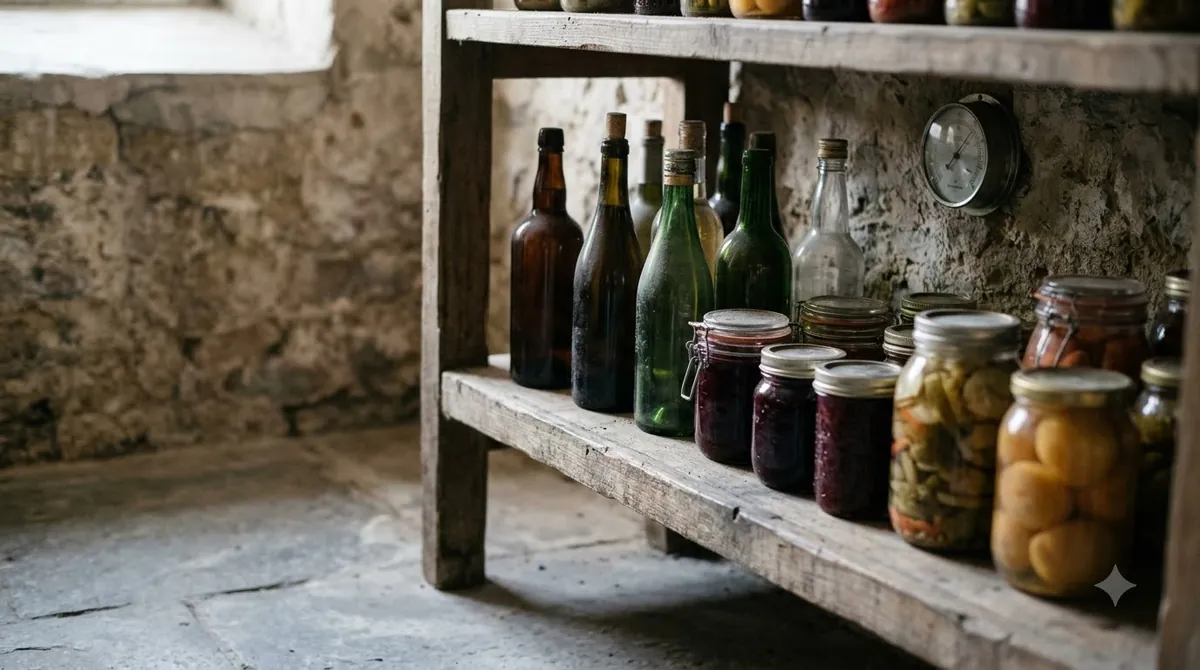
According to Cupcake Vineyards, its signature Chardonnay comes from coastal vineyards in Monterey County, California. The producer describes a growing environment with morning fog, sunny afternoons, and a long growing season. These conditions allow grapes to ripen while retaining natural acidity, which helps balance the wine’s richer texture.
The producer also identifies barrel fermentation as an important part of its winemaking approach. This technique contributes texture and a creamy finish. The resulting profile is consistent with the apple, lemon, vanilla, and toasted almond characteristics described in independent product listings.
King Cole Liquor describes fresh apple, lemon zest, vanilla, and toasted almond in its product information. Cupcake’s official description emphasizes creamy richness and citrus flavors. Together, these characteristics provide useful reference points when deciding whether the wine suits a particular meal.
Sweetness and alcohol are separate properties. A wine can have a relatively high ABV and still taste dry. Retail descriptions of Cupcake Chardonnay generally place it in the dry white wine category rather than identifying it as a dessert wine.
Some drinkers associate vanilla, ripe apple, and creamy textures with sweetness. However, fruit aromas and a soft mouthfeel do not necessarily mean that a wine contains much residual sugar. A Chardonnay can taste generous and rounded while remaining relatively dry.
Chardonnay itself is a versatile grape variety. Depending on climate and winemaking, it can produce crisp wines with citrus and green apple characteristics or richer examples with tropical fruit, butter, vanilla, and oak. Cupcake’s Monterey County expression emphasizes the latter qualities while retaining citrus and natural acidity.
The distinction is useful when comparing this bottle with other Cupcake offerings. For example, Cupcake wine alcohol content covers the wider brand portfolio, while the individual Chardonnay figure provides a more focused comparison for shoppers choosing a white wine.
Serving Temperature and Food Pairings
Cupcake Chardonnay is best served chilled at approximately 50–55 degrees Fahrenheit for a fuller white wine experience. Its creamy texture and apple, citrus, and vanilla characteristics work especially well with seafood, poultry, and dishes containing moderate amounts of fat.
PEI Liquor recommends a serving temperature of 6–8 degrees Celsius, equivalent to approximately 43–46 degrees Fahrenheit. That is a colder serving approach than the 50–55-degree range commonly used for fuller-bodied whites. Both temperatures are practical options depending on the desired presentation: a colder pour emphasizes refreshment, while a slightly warmer pour makes the wine’s aromas and texture easier to appreciate.
For everyday serving, refrigerate the bottle before opening and allow it to warm slightly in the glass if its aromas seem muted. Avoid serving it warm, because excessive temperature can make the alcohol sensation more noticeable and reduce the refreshing quality expected from a white wine.
Seafood and fish
White fish is a natural match for Chardonnay. Baked cod, grilled halibut, and pan-seared sole can complement the wine’s apple and citrus characteristics without overwhelming its texture. Lemon-based sauces also work well because acidity in food benefits from a wine with sufficient acidity.
Shellfish is another practical pairing. Crab cakes, shrimp, scallops, and lobster with a moderate butter sauce can complement the wine’s creamy character. The combination of seafood and a rounded white wine is particularly useful for meals where a light-bodied red would feel less appropriate.
Chicken and creamy pasta
Roasted chicken, chicken Alfredo, and pasta with a cream sauce are good choices for this style of Chardonnay. The wine’s texture can match the richness of the dish, while its fruit and citrus notes provide contrast.
Cream-based pasta is a particularly suitable pairing for this style. Other possibilities include mushroom risotto, grilled chicken with herbs, and baked pasta with a mild cheese sauce. Avoid excessively spicy sauces if the goal is to highlight the wine’s fruit and oak characteristics.
Cheese and appetizers
Brie, mild cheddar, Gouda, and creamy goat cheese can accompany the wine. A charcuterie board with mild cured meats, crackers, fresh fruit, and soft cheeses also makes a straightforward serving option.
Salt and fat can soften the perception of tannin in wine, although Chardonnay has little of the pronounced tannin found in red varieties. In this pairing, the more important consideration is matching the food’s richness with the wine’s body and acidity.
Calories, Carbohydrates, and Alcohol Calculations
Cupcake’s official Chardonnay page lists approximately 120 calories and 3 grams of carbohydrates per 5-fluid-ounce serving. Those figures provide a useful starting point for understanding the wine’s nutritional information alongside its typical 13.5–14% alcohol strength.
Alcohol itself contributes calories, independently of carbohydrates. A wine can contain relatively little residual sugar while still providing calories from ethanol. This is why a dry Chardonnay should not automatically be assumed to have very few calories.
The producer’s stated nutritional values are averages rather than universal measurements for every possible bottle or pour. A larger glass naturally contains more wine and therefore more of the calories and carbohydrates associated with the stated serving.
Using the producer’s 5-ounce reference, the approximate nutritional figures can be scaled according to the amount poured:
| Pour size | Approx. calories | Approx. carbohydrates |
|---|---|---|
| 3 oz | 72 | 1.8 g |
| 4 oz | 96 | 2.4 g |
| 5 oz | 120 | 3 g |
| 6 oz | 144 | 3.6 g |
| 750 ml bottle | Approximately 608 | Approximately 15.2 g |
The larger figures are mathematical estimates based on the producer’s average 5-ounce nutritional information, not separately published laboratory measurements. Actual values can differ according to the wine’s composition and the particular bottling.
There is also a difference between carbohydrates and residual sugar. Carbohydrates are a broader nutritional category, while residual sugar describes the sugar remaining after fermentation. The two figures should not be treated as interchangeable.
The archived 2016 technical document lists residual sugar at 0.60 grams per 100 ml, equivalent to 6 grams per liter. That historical technical figure should not automatically be applied to every subsequent bottling. It does, however, illustrate why vintage-specific technical information can be useful when comparing nutritional or sweetness characteristics.
For readers comparing different bottles, the Black Box Chardonnay alcohol content article offers another reference point for understanding how Chardonnay alcohol percentages can differ between brands and packaging formats.
Comparing Cupcake Chardonnay With Other Wines
At approximately 13.5–14% ABV, Cupcake Chardonnay is stronger by volume than many lighter white wines, but it remains within the familiar range for California Chardonnay. Comparing it with other wine styles helps put its alcohol concentration into context.
For example, Prosecco commonly falls around 11–12% ABV, while many California Chardonnays sit between approximately 12.5% and 14.5%. A wine at 13.5% therefore contains more alcohol by volume than a typical bottle of Prosecco, although both are still wine rather than distilled spirits.
Grape variety and production method influence the resulting style, but they do not establish a fixed alcohol percentage. Chardonnay, Pinot Grigio, Sauvignon Blanc, and Riesling can all have different alcohol concentrations depending on grape ripeness, fermentation, and the producer’s decisions.
Here is a general comparison using typical style ranges rather than guaranteed percentages for every brand:
| Wine style | Typical ABV range | General character |
|---|---|---|
| Cupcake Chardonnay | 13.5–14% commonly listed | Creamy, citrus, apple, vanilla |
| Prosecco | 11–12% | Fresh, sparkling, fruit-forward |
| Pinot Grigio | 11.5–13% | Light, crisp, citrus-driven |
| Sauvignon Blanc | 11.5–13.5% | Bright acidity, herbal and citrus notes |
| Riesling | 8–13% | High acidity, dry to sweet styles |
| California Cabernet Sauvignon | 13.5–15% | Fuller body, pronounced tannin |
These are broad reference ranges, not strict limits. Individual bottles may fall outside them. The key distinction is that 13.5% Chardonnay is not an especially unusual strength for a fuller California white wine.
Wine Enthusiast provides another useful reference in its review of Cupcake Vineyards 2024 Chardonnay, which lists the wine at 14% alcohol. This illustrates how newer bottlings can differ from older retail listings that show 13.5%.
For a closer brand comparison, Cupcake Prosecco provides a useful contrast. Its sparkling style generally has a lower alcohol concentration than the typical Chardonnay figure. You can explore the Cupcake Prosecco alcohol content to compare the two products more directly.
Other Cupcake wines may have different alcohol levels because each grape variety and wine style follows its own production approach. A Moscato, for example, should not automatically be assumed to have the same ABV as a barrel-fermented Chardonnay.
When choosing between bottles, compare the actual ABV rather than relying exclusively on the wine name or color. Two white wines can have noticeably different alcohol concentrations even if both are served in identical glasses.
Frequently Asked Questions
Does Cupcake Chardonnay contain more alcohol than regular table wine?
Cupcake Chardonnay at 13.5–14% ABV is within the standard range for table wine. Many still wines fall between approximately 11% and 15% ABV. Its alcohol concentration is higher than some light whites but comparable with numerous California Chardonnay and red wine bottlings.
Does Cupcake Chardonnay contain sulfites?
Yes. Cupcake Chardonnay is a bottled wine, and sulfites are commonly present in wine as a result of fermentation and winemaking practices. Sulfite declarations are also relevant to packaged wine sold in the United States, where applicable labeling requirements cover added sulfites at specified concentrations.
Does Cupcake Chardonnay use oak barrels for aging?
Cupcake’s producer specifically describes barrel fermentation as part of its signature Chardonnay production. This process helps develop the wine’s creamy texture and richer finish. Barrel fermentation and extended barrel aging are different winemaking practices, so they should not be treated as identical.
What is the difference between Cupcake Chardonnay and Butterkissed Chardonnay?
Butterkissed Chardonnay is a separate Cupcake wine rather than another name for the signature Chardonnay. The producer lists the two products separately in its wine portfolio. Butterkissed emphasizes a particularly buttery, creamy profile, while the signature Chardonnay is described through citrus, fruit, and creamy texture.
Does Cupcake Chardonnay need to be decanted before serving?
No. Most young, commercially produced Chardonnay can be served directly from the bottle after chilling. Unlike certain young, tannic red wines, this style generally does not require a 30–60-minute decanting period. Opening the bottle shortly before serving is normally sufficient.
Cupcake Chardonnay is commonly listed at 13.5% ABV, while newer bottlings can reach approximately 14% or more. Its Monterey County origin, creamy texture, citrus and apple flavors, and relatively dry profile make it a recognizable California white wine style. For accurate serving calculations and comparisons, use the alcohol percentage printed on the individual bottle rather than assuming every vintage has exactly the same strength.
More in Wine Brands
 Louis Latour Wine Price: Compare Bottles by Style and TierUpdated Nov 20, 2026
 Yellow Tail Moscato Price: What to Expect Before You BuyUpdated Nov 20, 2026
 Sutter Home Sweet Red Review: Find the Right Food PairingsUpdated Nov 20, 2026
 Franzia Chillable Red Review: Find the Right Serving StyleUpdated Nov 20, 2026
 Veuve Clicquot Rose Review: Flavor, Food Pairings and Buying AdviceUpdated Nov 20, 2026
 Rombauer Wine Price: Compare Bottles Before You BuyUpdated Nov 20, 2026