


We may earn a commission when you buy through links on this page, at no extra cost to you. Learn more.
Cockburns wine alcohol content typically ranges from 19% to 20% alcohol by volume (ABV), depending on the Port style. Cockburn’s Fine Ruby and Fine Tawny contain 19% ABV, while Special Reserve contains 20% ABV. These fortified Portuguese wines have considerably more alcohol than ordinary table wine, making serving size an important consideration when enjoying them.
Cockburn’s is a recognizable name in Portuguese Port, offering several styles with different aging methods, sweetness levels, and flavor profiles. Although the wines share the same fortified-wine tradition, their alcohol percentages are not identical. Understanding the differences between Fine Ruby, Fine Tawny, and Special Reserve makes it easier to select a bottle, plan a serving, and compare Port with other wines. This guide explains the published alcohol figures, why they are relatively high, and what those percentages mean in a typical glass.
Cockburn’s Port Alcohol Content by Bottle
The typical alcohol content of Cockburn’s Port is 19% or 20% ABV, depending on the specific expression. Fine Ruby and Fine Tawny sit at 19%, while Special Reserve reaches 20%, giving buyers a straightforward way to compare three popular styles.
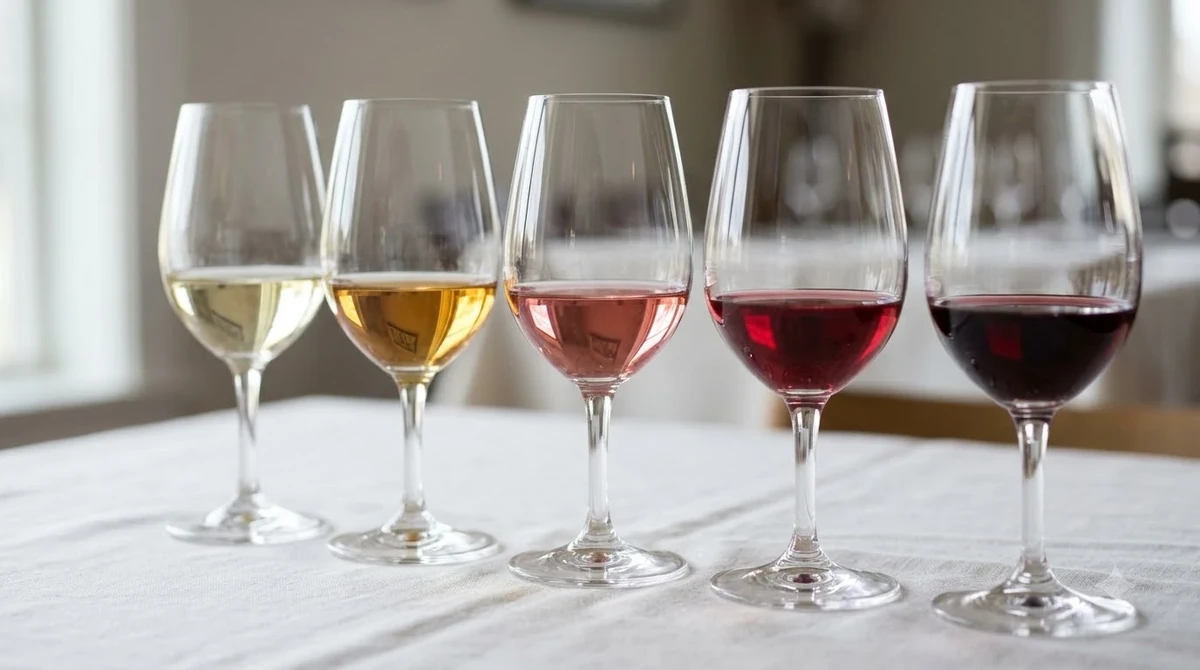
The difference between 19% and 20% may appear small, but it is useful when calculating the alcohol in a serving. The figures also demonstrate that Port is a fortified wine rather than a conventional red wine. A bottle’s style determines its production and aging characteristics, while its published ABV identifies its alcohol concentration.
| Cockburn’s Port | Alcohol by Volume | Aging Characteristics | Main Flavor Profile |
|---|---|---|---|
| Fine Ruby | 19% | 2–3 years in oak | Cherry and raspberry |
| Fine Tawny | 19% | Up to 3 years in seasoned oak casks | Ripe fruit, nuts, and toffee |
| Special Reserve | 20% | Up to 4 years in oak vats | Cherry, plum, strawberry, and spice |
These figures come from the individual technical descriptions published by Cockburn’s. Fine Ruby is listed at 19% ABV, and Fine Tawny carries the same percentage. Special Reserve is listed at 20% ABV, making it the strongest of these three examples.
It is important to distinguish between the alcohol concentration and the overall impression of strength. Special Reserve has a slightly higher ABV, but its concentrated fruit flavors, sweetness, and structure also influence how powerful it tastes. Fine Ruby and Fine Tawny contain slightly less alcohol, yet both remain substantially stronger than most everyday table wines.
Other Cockburn’s expressions may have different specifications. Vintage Port, Late Bottled Vintage, and age-indicated Tawny should be considered individually rather than automatically assigned the alcohol percentage of Fine Ruby or Special Reserve.
For a broader understanding of wine producers and their different styles, explore our Wine Brands section.
Why Cockburn’s Port Has a Higher Alcohol Percentage
Cockburn’s Port has a higher alcohol percentage because it is fortified during production with grape spirit. This traditional process increases the finished wine’s alcohol concentration while stopping fermentation before all the natural grape sugar has been converted into alcohol.

Ordinary table wine is generally produced by allowing yeast to convert grape sugar into alcohol until fermentation reaches its intended endpoint. Port follows a different approach. During fermentation, winemakers add grape brandy, which raises the alcohol level and stops the yeast from continuing its normal activity.
The result is a wine that combines substantial alcohol with retained grape sweetness. This explains why Cockburn’s can taste rich, fruity, and sweet despite containing approximately twice the alcohol of many conventional wines.
According to Portugal’s Instituto dos Vinhos do Douro e do Porto (IVDP), Port generally contains between 19% and 22% alcohol by volume. Cockburn’s Fine Ruby and Fine Tawny sit toward the lower end of this typical range, while Special Reserve reaches 20%.
The relationship between fermentation and sweetness
The timing of fortification influences the amount of residual sugar in the finished Port. Adding grape spirit earlier in fermentation generally leaves more natural sugar behind because the yeast has had less time to convert it into alcohol.
This production decision helps explain why Port can taste sweeter than a regular red wine even though its alcohol concentration is much higher. Sweetness is not evidence of low alcohol, and a fruity flavor does not mean the wine is light in strength.
Cockburn’s Special Reserve provides a useful example. Its technical description lists 103 grams per liter of residual sugar alongside 20% ABV. Fine Tawny contains 101.99 grams per liter of residual sugar and 19% ABV. Both wines demonstrate how sweetness and alcohol can coexist at relatively high levels.
For additional background on fortified wine production, Wine Enthusiast’s guide to fortified wines explains how adding grape spirit changes fermentation, alcohol concentration, and the finished wine’s character.
Fine Ruby, Fine Tawny, and Special Reserve Differences
Cockburn’s offers different Port styles to suit different flavor preferences, even though its Fine Ruby and Fine Tawny share a 19% ABV. Special Reserve is slightly stronger at 20%, with a more concentrated profile and a longer oak-aging period than Fine Ruby.
Alcohol percentage is only one way to compare these wines. Aging, blending, sweetness, and flavor development have an important influence on the drinking experience. Understanding those characteristics helps explain why two bottles with the same ABV can taste quite different.
Cockburn’s Fine Ruby: 19% ABV
Fine Ruby is a youthful, fruit-focused Port made from wines selected from different harvests. According to Cockburn’s, it spends approximately two to three years aging in oak before bottling.
Its flavor profile emphasizes fresh red fruit, particularly cherry and raspberry. The wine has a lively ruby color, soft fruit flavors, and an elegant finish. It works well as an after-dinner drink, with cheese, or alongside rich chocolate desserts.
Fine Ruby does not need decanting before serving. Cockburn’s recommends enjoying it at room temperature or slightly chilled in warmer conditions. Its combination of fruit character and 19% ABV makes it a relatively approachable introduction to fortified Port, although it remains considerably stronger than ordinary red wine.
Cockburn’s Fine Tawny: 19% ABV
Fine Tawny has the same alcohol concentration as Fine Ruby but follows a different aging approach. It is matured for up to three years in seasoned oak casks, developing a character associated with nuts, toffee, and ripe fruit.
The aging process encourages a different flavor profile from the fresh red-fruit character of Ruby Port. Fine Tawny offers mellow fruit, caramel-like notes, and a reddish tawny appearance. It is particularly suitable for people who enjoy softer, nutty dessert wines.
Cockburn’s recommends pairing Fine Tawny with creamy desserts, dried fruit, and salted nuts. It is also intended to be served lightly chilled, making it a useful alternative to serving fortified wine at typical red-wine temperatures.
Cockburn’s Special Reserve: 20% ABV
Special Reserve contains 20% ABV and represents a more concentrated expression in the Cockburn’s range. Originally introduced in 1969, it is produced using selected wines from the Upper Douro and aged in oak vats for up to four years.
Its flavor profile combines red cherry, plum, and strawberry with a peppery finish. The producer describes it as full-bodied, sweet, and well-rounded, with a distinctive finish that balances its concentrated fruit character.
Special Reserve is particularly suitable alongside cheese and rich desserts containing chocolate or nuts. Its 20% ABV is only one percentage point higher than the two Fine expressions, but the longer maturation and concentrated fruit character make it a distinct choice.
These differences show why choosing Cockburn’s Port should involve more than comparing alcohol figures. Fine Ruby favors fresh fruit, Fine Tawny emphasizes nutty and toffee-like characteristics, and Special Reserve combines concentrated fruit with a slightly higher alcohol concentration.
How Much Alcohol Is in a Glass of Cockburn’s Port?
A typical 5-ounce glass of Cockburn’s Port contains more alcohol than a similarly sized glass of ordinary table wine. At 19% to 20% ABV, the three main expressions discussed here deliver approximately 0.95 to 1.00 fluid ounce of pure alcohol in a 5-ounce pour.
The calculation is straightforward: multiply the serving volume by the alcohol percentage expressed as a decimal. For a 5-ounce glass at 19% ABV, the result is 0.95 fluid ounce of pure alcohol. At 20% ABV, the result is 1.00 fluid ounce.
| Serving Size | At 19% ABV | At 20% ABV |
|---|---|---|
| 1 oz | 0.19 oz alcohol | 0.20 oz alcohol |
| 2 oz | 0.38 oz alcohol | 0.40 oz alcohol |
| 3 oz | 0.57 oz alcohol | 0.60 oz alcohol |
| 5 oz | 0.95 oz alcohol | 1.00 oz alcohol |
For another perspective, a standard 750 ml bottle contains approximately 25.36 US fluid ounces. At 19% ABV, that bottle contains about 4.82 fluid ounces of pure alcohol. At 20% ABV, the total is approximately 5.07 fluid ounces.
These calculations are useful for comparing serving sizes, but they should not be confused with the amount of wine in a glass. A smaller pour contains less total alcohol, while the wine itself retains the same ABV.
Comparing Port with regular wine
Many conventional table wines fall within the 11% to 15% ABV range, although individual bottles can fall outside it. Cockburn’s Port at 19% or 20% therefore contains a considerably higher concentration of alcohol.
For example, a 5-ounce glass of 13% red wine contains approximately 0.65 fluid ounce of pure alcohol. A 5-ounce glass of Cockburn’s Fine Ruby contains 0.95 fluid ounce. The Port serving therefore contains about 46% more pure alcohol than the example red wine serving.
This distinction is useful when comparing Cockburn’s with everyday wines. Someone familiar with the strength of a regular red wine should not assume that an equal-sized glass of Port delivers the same amount of alcohol.
Tip: Use a smaller measuring pour when serving Cockburn’s Port. A 2-ounce serving of Fine Ruby contains approximately 0.38 fluid ounce of pure alcohol, compared with 0.95 fluid ounce in a 5-ounce serving. Measuring the pour makes comparisons between different fortified wines much easier.
How Cockburn’s Port Compares with Other Wine Styles
Cockburn’s Port is stronger than most unfortified wines, including many popular Pinot Grigio and Sauvignon Blanc bottlings. Its 19% to 20% ABV reflects the fortified production method rather than the grape variety or sweetness alone.
For readers comparing different bottles, the most useful distinction is whether a wine is fortified. Most everyday white and red wines are not fortified, so their alcohol percentages are generally lower than those of Cockburn’s.
Comparison with Pinot Grigio
Pinot Grigio is a light-bodied white wine that commonly has a considerably lower alcohol concentration than Port. Its crisp acidity and fresh fruit flavors make it a very different drinking experience from the richer, sweeter character of Cockburn’s.
For a direct comparison, see our guide to Black Box Pinot Grigio alcohol content. Comparing the two styles helps illustrate how a conventional white wine differs from a fortified Portuguese Port.
Another useful comparison is Cavit Pinot Grigio alcohol content. Both examples represent unfortified white wine, whereas Cockburn’s relies on added grape spirit to reach its higher alcohol concentration.
Comparison with Sauvignon Blanc
Sauvignon Blanc is another popular unfortified wine, generally recognized for its fresh acidity and citrus, green fruit, and herbal flavors. Its alcohol content is usually much lower than the 19% to 20% range found in Cockburn’s Port.
Our article on Kim Crawford Sauvignon Blanc alcohol content provides another useful point of comparison for readers interested in how alcohol concentration differs across wine categories.
These comparisons are useful because alcohol percentages can influence the overall drinking experience, but they do not describe the entire flavor profile. A high-alcohol Port can be sweet and concentrated, while a lower-alcohol Sauvignon Blanc can feel lively and refreshing because of its acidity.
The grape varieties, winemaking techniques, residual sugar, and aging methods all contribute to the final character. Cockburn’s should therefore be compared with other Port wines as well as with conventional table wines.
Serving and Storing Cockburn’s Port
Cockburn’s Port is best served slightly cool or at a moderate room temperature, depending on the expression. Fine Ruby and Special Reserve can be served at room temperature or slightly chilled, while Fine Tawny is specifically recommended lightly chilled.
Serving temperature matters because alcohol can become more noticeable when fortified wine is too warm. A gentle chill helps the fruit, sweetness, and other aromas remain balanced rather than allowing the alcoholic impression to dominate.
Recommended serving temperatures
For a general starting point, young Ruby Port works well around 54–61°F, while Tawny Port is commonly served around 50–57°F. These ranges are consistent with the style-specific guidance published by the IVDP, although individual producer recommendations can vary.
Cockburn’s Fine Ruby can be enjoyed at room temperature or slightly chilled in warm weather. Fine Tawny is recommended lightly chilled, which makes it particularly suitable for serving alongside nuts and creamy desserts.
Special Reserve can also be enjoyed at room temperature or slightly chilled. The producer specifically recommends serving it in a reasonably sized Port glass or a white wine glass to allow its fruit aromas to develop.
Choosing the right glass
A small Port glass is a practical choice for Cockburn’s because it accommodates the concentrated character of fortified wine without encouraging an unnecessarily large serving. A standard white wine glass is another suitable option, according to the producer’s descriptions.
Glass shape also influences the aroma experience. A glass with a narrower opening helps concentrate aromas, while a reasonably sized bowl gives the wine enough room to release its fruit and nutty characteristics.
Storing an opened bottle
Once opened, Cockburn’s Fine Ruby and Fine Tawny are recommended for consumption within four to six weeks. The producer gives the same four-to-six-week guidance for Special Reserve.
Keep an opened bottle properly closed and stored in a cool environment. Refrigeration is a practical way to slow the development of unwanted oxidation, particularly for bottles that are opened over several occasions.
Unopened bottles should be kept away from direct sunlight and significant temperature fluctuations. A cool, dark storage location is preferable to a warm kitchen shelf or a spot close to a heating appliance.
Unlike some young table wines that are best consumed shortly after opening, Cockburn’s Port can remain enjoyable for considerably longer when stored appropriately. Nevertheless, its aroma and flavor can gradually change as the wine comes into contact with oxygen.
Choosing the Right Cockburn’s Port for Your Preferences
The best Cockburn’s expression depends on whether you prefer fresh red fruit, nutty complexity, or a richer and more concentrated style. Fine Ruby and Fine Tawny both contain 19% ABV, while Special Reserve contains 20%, so the choice is primarily about flavor and aging rather than a major difference in strength.
Fine Ruby is a suitable starting point for people who enjoy cherry, raspberry, and other fresh red-fruit flavors. Its relatively youthful style makes it versatile at the end of a meal, and its compatibility with chocolate desserts provides an easy food-pairing option.
Fine Tawny is better suited to people who prefer mellow flavors with nuts, toffee, and dried-fruit characteristics. Its lightly chilled serving recommendation also makes it a natural option for warmer conditions or for pairing with salted nuts and creamy desserts.
Special Reserve offers a more concentrated style with a slightly higher alcohol percentage. Its combination of cherry, plum, strawberry, and peppery notes makes it an appealing choice for people who want a fuller-bodied Port alongside cheese or rich chocolate desserts.
Food pairing can further influence how these wines taste. Sweet Port generally works best with desserts that have an equal or greater level of sweetness. A dessert that is noticeably sweeter than the wine can make the Port taste less expressive.
Salt and fat can soften the perception of tannin in red wines, which helps explain why cheese can work well with richer Port styles. Chocolate desserts are another natural partner for Special Reserve and Fine Ruby, while salted nuts complement the nutty character of Fine Tawny.
Temperature also deserves consideration. A lightly chilled Tawny may show its toffee and dried-fruit character more clearly, while a slightly cooler Ruby can emphasize fresh fruit and help keep its alcohol from feeling too prominent.
Ultimately, the difference between 19% and 20% ABV should not be the only deciding factor. The aging method, sweetness, aroma, and intended food pairing provide a much more complete picture of what each bottle offers.
Frequently Asked Questions
Is Cockburn’s Port made from a single grape variety?
No. Traditional Port is generally produced from blends of authorized grape varieties grown in Portugal’s Douro region. Touriga Nacional, Touriga Franca, and Tinta Roriz are among the important varieties used in Port production. Blending allows producers to combine different grape characteristics to achieve a consistent house style.
Is Cockburn’s Port always sweet?
Cockburn’s Fine Ruby, Fine Tawny, and Special Reserve are sweet styles, but Port as a broader category includes several sweetness levels. According to the IVDP, Port classifications include very sweet, sweet, semi-dry, and extra-dry styles. Dry and extra-dry White Port demonstrate that fortified wine does not necessarily have to taste sweet.
Does Cockburn’s Port contain carbon dioxide?
Cockburn’s traditional Ruby, Tawny, and Special Reserve expressions are still fortified wines rather than sparkling wines. They are not produced with the carbonation associated with Champagne or sparkling wine. Their texture and richness come from the wine’s composition, residual sugar, alcohol, and aging rather than carbonation.
What does ABV at 20 degrees Celsius mean on a Port specification?
ABV means alcohol by volume, and 20 degrees Celsius is the reference temperature used for expressing the measurement. Alcohol and liquid volume change slightly with temperature, so using a standard reference makes technical comparisons more consistent. Cockburn’s Fine Ruby specifically lists its 19% alcohol measurement at 20°C.
Does Cockburn’s Vintage Port have the same alcohol content as Special Reserve?
Not necessarily. Special Reserve is listed at 20% ABV, but Vintage Port is a separate category made from an exceptional single harvest. Its final alcohol specification should be assessed using the individual vintage’s technical information rather than assuming every Cockburn’s expression has the same percentage.
Cockburn’s wine alcohol content generally falls between 19% and 20% ABV across its Fine Ruby, Fine Tawny, and Special Reserve expressions. Although the percentages are close, each style offers a different combination of fruit, sweetness, and aging characteristics. Understanding these differences makes it easier to choose a Port that suits your preferred flavors, serving temperature, and food pairings.
More in Wine Brands
 Louis Latour Wine Price: Compare Bottles by Style and TierUpdated Nov 20, 2026
 Yellow Tail Moscato Price: What to Expect Before You BuyUpdated Nov 20, 2026
 Sutter Home Sweet Red Review: Find the Right Food PairingsUpdated Nov 20, 2026
 Franzia Chillable Red Review: Find the Right Serving StyleUpdated Nov 20, 2026
 Veuve Clicquot Rose Review: Flavor, Food Pairings and Buying AdviceUpdated Nov 20, 2026
 Rombauer Wine Price: Compare Bottles Before You BuyUpdated Nov 20, 2026