

We may earn a commission when you buy through links on this page, at no extra cost to you. Learn more.
Chandon Brut alcohol content is 12% ABV, meaning a standard 5-ounce glass contains approximately 0.6 fluid ounces of pure alcohol. This California sparkling wine has a moderate alcohol level typical of many traditional-method brut wines. Its Chardonnay, Pinot Noir, and Meunier blend delivers fresh fruit flavors, lively acidity, and fine bubbles, making it suitable for aperitifs and food pairings.
Understanding the alcohol percentage helps you compare sparkling wines, estimate the amount of alcohol in different serving sizes, and choose an appropriate glass for a meal or celebration. CHANDON Brut is particularly straightforward to evaluate because its producer publishes its alcohol percentage, grape composition, production details, and recommended serving temperature. Here is what the 12% ABV figure means in practical terms, how it compares with other sparkling wines, and what to know about serving and storing the bottle.
Chandon Brut Alcohol Content and What 12% ABV Means
CHANDON Brut contains 12% alcohol by volume, or ABV. That percentage means alcohol accounts for approximately 12% of the finished wine’s total liquid volume, placing this sparkling wine in a moderate range for a traditional sparkling wine.
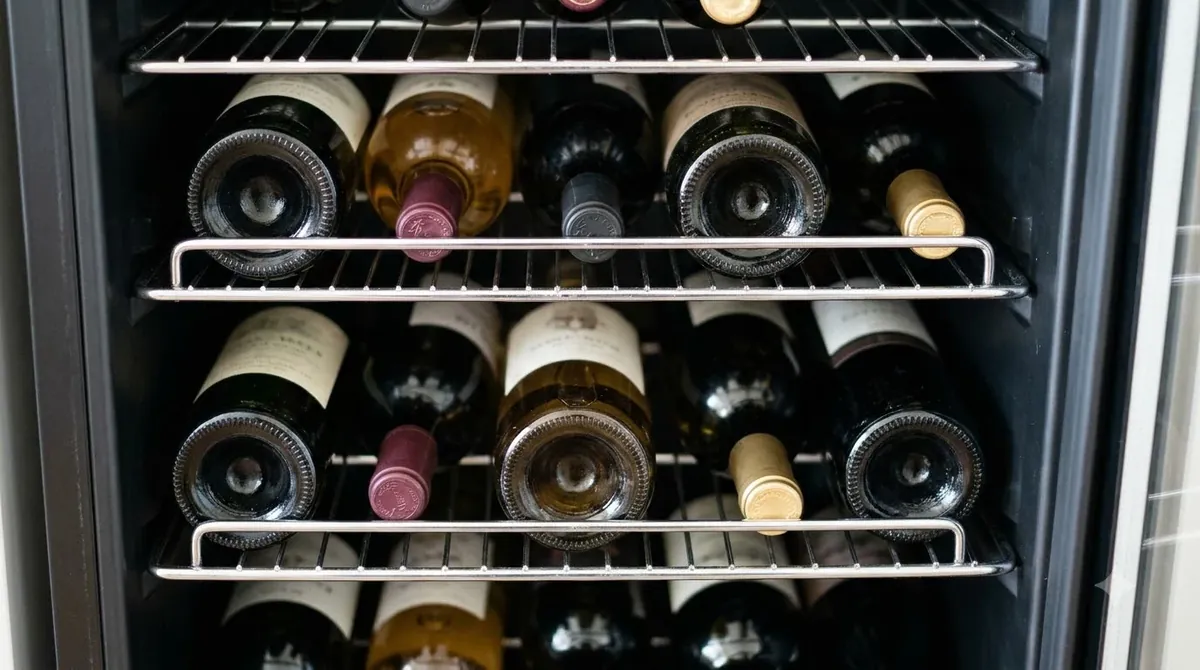
The producer’s technical information identifies the alcohol content as 12%, and Wine Enthusiast independently lists the same percentage for its reviewed California CHANDON Brut. The agreement between these sources provides a useful reference when comparing the wine with other bottles. You can find the producer’s grape composition, tasting notes, and production information on the official CHANDON Brut product page.
ABV is a concentration measurement rather than a statement about the total amount of alcohol in a bottle. A larger serving contains more total alcohol than a smaller serving even though the percentage remains the same. For example, a 5-ounce pour of 12% wine contains approximately 0.6 fluid ounces of pure alcohol, while a 3-ounce pour contains approximately 0.36 fluid ounces.
For a practical comparison, consider these common serving volumes. The calculations assume that the wine is exactly 12% ABV and that the pour measurements are accurate.
| Serving size | Wine volume in milliliters | Pure alcohol |
|---|---|---|
| 3 oz | 88.7 ml | 0.36 fl oz |
| 4 oz | 118.3 ml | 0.48 fl oz |
| 5 oz | 147.9 ml | 0.60 fl oz |
| 6 oz | 177.4 ml | 0.72 fl oz |
| 750 ml bottle | 750 ml | 90 ml |
The figures illustrate why serving size matters when discussing alcohol content. Two people can drink the same wine at the same ABV but consume different amounts of alcohol if their pours are different. A 6-ounce glass contains 20% more wine, and therefore 20% more alcohol, than a 5-ounce glass.
It is also important to distinguish alcohol percentage from sweetness. The word Brut describes the sparkling wine’s sweetness classification, not its strength. A dry-tasting sparkling wine can still contain 12% alcohol, just as a sweeter sparkling wine can have a similar ABV.
How Much Alcohol Is in a Bottle and Individual Glasses?
A standard 750 ml bottle of CHANDON Brut contains approximately 90 ml of pure alcohol at 12% ABV. Using the conventional 5-ounce wine serving, the bottle provides approximately five glasses, although actual pours depend on the glass size and how generously the wine is served.
Calculating the alcohol in a bottle is simple: multiply the total wine volume by its ABV expressed as a decimal. For CHANDON Brut, the calculation is 750 ml multiplied by 0.12, producing 90 ml of pure alcohol. This is the total alcohol in the bottle, not the amount in an individual glass.
The following examples show how bottle formats affect the total amount of wine and alcohol available. Each calculation uses the same 12% ABV assumption.
| Bottle format | Wine volume | Pure alcohol at 12% ABV | Approximate 5-oz servings |
|---|---|---|---|
| Half bottle | 375 ml | 45 ml | 2.5 |
| Standard bottle | 750 ml | 90 ml | 5 |
| Magnum | 1,500 ml | 180 ml | 10 |
The serving estimates are useful when planning a dinner or gathering. A 375 ml bottle contains approximately half the wine of a standard bottle, while a 1.5-liter magnum contains twice as much. The ABV does not increase simply because the container is larger.
For a more accurate comparison, remember that sparkling wine glasses come in different shapes and capacities. A narrow flute may appear full after a relatively small pour, while a wider white wine glass can hold considerably more liquid. The glass itself does not determine the serving size.
A 5-ounce pour is a useful standard measurement for comparing wine servings. However, some hosts prefer smaller 3- or 4-ounce pours for sparkling wine because the bubbles and fresh aromas are best enjoyed in several smaller servings rather than one large glass.
Tip: Measure a 5-ounce serving with a liquid measuring cup before using your regular wine glasses. This gives you a visual reference for estimating future pours and calculating the amount of wine served from a bottle.
How Chandon Brut Compares With Other Sparkling Wines
At 12% ABV, CHANDON Brut sits within the familiar range of many California sparkling wines, Champagne-style blends, and other traditional-method sparkling wines. It is not an especially low-alcohol bubbly, but it is also not unusually strong compared with many still wines and sparkling alternatives.
Comparing ABV is more useful than relying on descriptions such as light, crisp, rich, or powerful. These terms generally describe texture, flavor, acidity, and overall impression rather than a precise alcohol percentage. A wine with pronounced citrus aromas can still contain the same alcohol as a fuller-bodied sparkling wine.
Here are some useful comparisons for readers choosing between familiar wine styles:
- CHANDON Brut: 12% ABV according to the producer’s technical information.
- Korbel Brut: Its alcohol percentage should be checked against the particular bottle or current producer information before making an exact comparison.
- Segura Viudas Brut: The precise ABV depends on the specific bottling and should be verified using its product information.
- Prosecco: Many standard bottles fall around 11–12% ABV, although individual wines vary.
- Still Pinot Grigio: Alcohol levels vary by producer and growing region, with many bottles falling around 12–13.5% ABV.
For readers comparing familiar American sparkling wines, the Korbel Brut alcohol content article provides another useful reference. Comparing the stated ABV on both bottles is the most reliable way to determine which has the higher concentration of alcohol.
Spanish Cava offers another interesting comparison because it commonly uses traditional bottle fermentation. Its production method can resemble that of CHANDON Brut, but the alcohol percentage depends on the producer, grape blend, and final wine. A bottle of Cava should not automatically be assumed to contain less alcohol simply because it comes from Spain.
Prosecco is made differently, generally using the tank method for its secondary fermentation. Its familiar fruity character and lively bubbles make it a popular alternative, but the production method does not establish a fixed alcohol level. The actual ABV remains a separate characteristic.
When comparing wines, consider both ABV and serving volume. A 4-ounce pour of a 13% wine contains slightly less pure alcohol than a 5-ounce pour of a 12% wine. The percentage alone does not tell you how much alcohol is in the glass.
Grapes, Winemaking, and Flavor Characteristics
CHANDON Brut gets its character from a blend of three traditional sparkling wine grapes: Chardonnay, Pinot Noir, and Meunier. The current official product page lists the proportions as 73% Chardonnay, 26% Pinot Noir, and 1% Meunier, creating a California sparkling wine with fresh fruit, balanced acidity, and a dry finish.
Chardonnay contributes freshness and structure, while Pinot Noir helps provide body and fruit character. Meunier adds another dimension to the blend. Together, the varieties produce a wine that works as an aperitif and alongside a range of savory foods.
The fruit profile includes green apple, pear, and citrus, with almond and white flower characteristics adding further complexity. Wine Enthusiast also identifies yellow plum, white peach, white nectarine, blood orange cream, hazelnut, and pink grapefruit in its reviewed bottling. These descriptions provide a more detailed picture of the wine’s aromatic and flavor profile.
Production plays an important role in the finished texture. According to the producer, grapes are harvested at night to help retain freshness, and the first fermentation takes place in stainless steel tanks. The base wines are then blended before the second fermentation occurs inside the bottle.
This traditional method creates the fine bubbles associated with the wine. After the second fermentation, the wine ages on its yeast lees for at least 12 months. This contact contributes to the creamy texture and subtle biscuit-like complexity that complement the fresh fruit flavors.
The dosage is another important technical detail. The official technical sheet lists 9.5 grams of dosage per liter for its specified Signature Brut formulation. Dosage is the small addition made after disgorgement to establish the finished wine’s sweetness level. It should not be confused with the alcohol percentage.
The official producer describes CHANDON Brut as a California sparkling wine sourced from multiple cool-climate Northern California appellations. The combination of cooler growing conditions and careful harvesting supports the wine’s bright fruit expression and lively acidity.
These details also explain why two sparkling wines with the same 12% ABV can taste quite different. Grape composition, fermentation, aging, acidity, dosage, and the characteristics of the growing region all contribute to the final experience. Alcohol is only one part of the wine’s overall profile.
Best Serving Temperature and Food Pairings
CHANDON Brut is best served chilled, with the producer recommending a temperature of 49–54°F. This range helps preserve the wine’s refreshing character while allowing its apple, pear, citrus, and subtle almond aromas to remain noticeable.
Serving temperature affects how sparkling wine smells and tastes. Excessive warmth can make alcohol seem more prominent and cause the bubbles to feel less refreshing. Serving the wine too cold can temporarily suppress delicate aromas and make it seem less expressive.
For a practical approach, place the bottle in a refrigerator before serving and allow it to reach the desired temperature. A wine thermometer can help if precision matters, particularly when preparing several bottles for a meal. Avoid leaving the bottle in a freezer for an extended period.
Food pairing is relatively flexible because CHANDON Brut combines acidity, bubbles, and a dry finish. The producer specifically recommends oysters, calamari, fried chicken, and Caesar salad. These foods offer different combinations of salt, richness, and texture that work well with the wine’s freshness.
Seafood and Salty Dishes
Oysters are a classic choice because their natural salinity complements the wine’s crisp acidity. Calamari is another good match, especially when lightly fried or served with a creamy dipping sauce. The bubbles help refresh the palate between bites.
Steamed mussels also work well, particularly when prepared with garlic, herbs, or a light broth. Wine Enthusiast suggests steamed mussels as one of its pairing options for CHANDON Brut. A small amount of spicy aioli can add richness and seasoning without overwhelming the sparkling wine.
Fried Foods and Creamy Dishes
Fried chicken is one of the producer’s suggested pairings. Its crisp coating and savory flavors contrast nicely with the wine’s acidity and bubbles. Caesar salad is another option because its creamy dressing, salty cheese, and savory components complement the dry sparkling style.
Other possibilities include soft cheeses, lightly salted appetizers, seafood canapés, and roasted vegetables. Foods with moderate seasoning generally allow the wine’s fruit and freshness to remain noticeable.
Spicy dishes require a little more attention. Wine Enthusiast mentions chorizo and spicy aioli, but particularly hot chili preparations can make alcohol seem more pronounced. Moderately seasoned versions are generally easier matches than dishes dominated by intense heat.
For a broader understanding of wine and food matching, the Wine Brands section can help you explore different sparkling styles and their characteristics.
Understanding Brut Sweetness and Alcohol Percentage
Brut is a sweetness classification, not an indication of alcohol strength. CHANDON Brut can taste dry and crisp while still containing 12% ABV, because residual sugar and alcohol describe two different aspects of the finished wine.
In sparkling wine terminology, Brut generally indicates no more than 12 grams of residual sugar per liter under the standard sweetness classification. The exact amount in a particular wine can vary within that category. The technical sheet for the specified CHANDON Signature Brut lists a dosage of 9.5 grams per liter.
It is helpful to understand the common sparkling wine sweetness categories, from the driest to the sweetest:
- Brut Nature: The driest category, with very little or no added dosage.
- Extra Brut: Very dry, with up to 6 grams of residual sugar per liter.
- Brut: Dry, with up to 12 grams of residual sugar per liter.
- Extra Dry: Slightly sweeter than Brut, despite the name.
- Dry: Noticeably sweeter than Extra Dry.
- Demi-Sec: Sweet enough to pair with some desserts.
- Doux: The sweetest commonly recognized category.
This classification explains why Extra Dry Prosecco can taste sweeter than Brut sparkling wine even though its name sounds drier. The terms describe specific sugar ranges rather than the wine’s alcohol concentration.
Alcohol is produced during fermentation when yeast converts grape sugar into ethanol and carbon dioxide. The amount of fermentable sugar, yeast activity, fermentation conditions, and winemaking decisions all influence the finished ABV.
Dosage is added after the traditional-method sparkling wine has undergone its second fermentation and disgorgement. It adjusts sweetness and balance, but it does not mean that the finished wine has a higher or lower ABV in the same way that fermentation determines alcohol production.
For this reason, readers should avoid assuming that sweeter wine always contains more alcohol or that a dry sparkling wine is automatically stronger. A Brut and a Demi-Sec bottling could have similar alcohol percentages while tasting noticeably different.
If you are comparing another California sparkling wine, the Segura Viudas Brut alcohol content reference offers another example of why sweetness designation and ABV should be evaluated separately.
Storing Opened Bottles and Preserving Freshness
CHANDON Brut is best enjoyed while its bubbles remain lively and its fresh fruit aromas are expressive. Once opened, sparkling wine gradually loses carbon dioxide, so proper refrigeration and an appropriate sparkling wine stopper help preserve its character.
A practical storage approach is to place the opened bottle in the refrigerator immediately after serving. Use a pressure-rated sparkling wine stopper rather than an ordinary flat wine stopper. A properly designed stopper helps retain carbonation and reduces unnecessary exposure to air.
As a general guideline, opened sparkling wines are best consumed within approximately 1–3 days when refrigerated and properly sealed. The exact period depends on the bottle’s condition, storage temperature, and how much carbonation remains. The wine may still be drinkable after its bubbles diminish, but its original sparkling character will have changed.
For unopened bottles, keep the wine away from direct sunlight, heat sources, and significant temperature fluctuations. A cool, dark storage location is preferable. A temperature near 55°F is a useful general target for wine storage, although short-term household storage in a stable, cool environment can also work.
Long-term bottle storage requires more attention than simply placing the wine in a refrigerator. A wine refrigerator or suitable cellar provides more stable conditions than a kitchen cabinet exposed to cooking heat or sunlight.
CHANDON Brut is generally intended to be enjoyed for its freshness rather than treated as a bottle that must be aged for many years. The producer’s minimum 12-month lees-aging process already contributes to the wine’s texture and complexity before release.
For serving leftovers, avoid repeatedly allowing the bottle to warm up and return to refrigeration. Keeping it consistently chilled helps preserve the wine’s freshness. Pour only what is needed, reseal the bottle promptly, and return it to the refrigerator.
Frequently Asked Questions
Does CHANDON Brut contain gluten?
Traditional wine is made from fermented grapes rather than wheat, barley, or rye, so plain sparkling wine is generally not considered a gluten-containing beverage. However, individual production and packaging practices can differ, and consumers with specific ingredient concerns should consult the producer for product-specific confirmation.
Is CHANDON Brut the same wine as CHANDON Rosé?
No. Brut and Rosé are different sparkling wine styles with different visual and flavor characteristics. Rosé typically obtains its color and some of its red-fruit character through the use of red grapes or an appropriate winemaking technique, while the standard Brut has a pale golden appearance.
What does NV mean on a CHANDON Brut bottle?
NV means non-vintage, indicating that the wine is not presented as coming exclusively from one harvest year. Sparkling wine producers can blend base wines from multiple harvests to maintain a consistent house style. CHANDON describes this blending approach in its official winemaking information.
Why does CHANDON Brut have bubbles after opening?
The bubbles come from carbon dioxide retained during the second fermentation inside the bottle. When the bottle is opened, the pressure decreases and carbon dioxide gradually escapes into the surrounding air. This is why sparkling wine loses its effervescence over time, even when refrigerated.
Where is CHANDON California located?
CHANDON California is based in Yountville in Napa Valley, California. Its parent company, LVMH, identifies the estate’s headquarters at One California Drive, Yountville. The California winery was founded in 1973 and is part of the broader CHANDON sparkling wine family.
CHANDON Brut contains 12% ABV, making it a familiar moderate-strength California sparkling wine with fresh fruit, fine bubbles, and a dry finish. A standard 5-ounce serving contains approximately 0.6 fluid ounces of pure alcohol, while a 750 ml bottle provides roughly five standard wine pours. Serve it chilled at 49–54°F, pair it with seafood or savory appetizers, and keep opened bottles refrigerated with a sparkling wine stopper to preserve their freshness.
More in Wine Brands
 Louis Latour Wine Price: Compare Bottles by Style and TierUpdated Nov 20, 2026
 Yellow Tail Moscato Price: What to Expect Before You BuyUpdated Nov 20, 2026
 Sutter Home Sweet Red Review: Find the Right Food PairingsUpdated Nov 20, 2026
 Franzia Chillable Red Review: Find the Right Serving StyleUpdated Nov 20, 2026
 Veuve Clicquot Rose Review: Flavor, Food Pairings and Buying AdviceUpdated Nov 20, 2026
 Rombauer Wine Price: Compare Bottles Before You BuyUpdated Nov 20, 2026