

We may earn a commission when you buy through links on this page, at no extra cost to you. Learn more.
Cakebread Chardonnay food pairing works best with grilled seafood, roast chicken, creamy pasta, lobster, crab cakes, and moderately rich cheeses. Cakebread’s Napa Valley Chardonnay combines ripe apple, pear, melon, lemon curd, fresh acidity, and subtle oak. These characteristics make it a versatile dinner wine that complements buttery sauces, roasted poultry, delicate seafood, and dishes with herbs and gentle seasoning. For the best results, match the wine’s medium-bodied texture with food that has similar richness, and serve it at 50–55°F.
Cakebread Chardonnay is a particularly useful bottle for meals that combine fresh ingredients with butter, cream, roasted flavors, or light citrus seasoning. Its orchard-fruit character provides a natural connection with seafood and poultry, while its acidity keeps richer dishes from feeling too heavy. The right food pairing can bring out different aspects of the wine, from its lemon and pear flavors to its subtle vanilla, baking spice, and toasted notes. Here are the dishes, ingredients, and serving techniques that make the strongest matches.
Understanding Cakebread Chardonnay’s Flavor and Structure
Cakebread Chardonnay has the fruit character, acidity, and restrained oak influence to complement a broad range of dinner dishes. Its ripe orchard fruit and citrus flavors work particularly well with seafood, poultry, creamy sauces, and foods that have a little natural sweetness.
Cakebread’s Napa Valley Chardonnay is associated with the cool Carneros growing area at the southern edge of Napa Valley. Morning Pacific fog encourages slow ripening, helping preserve freshness while the grapes develop concentrated fruit flavors. The winery’s 2023 Napa Valley Chardonnay displays aromas of ripe pear and chamomile, followed by melon, lemon curd, and apple on the palate. Baking spice and lightly toasted brioche add another layer of complexity.
These characteristics explain why the wine works with both light and moderately rich food. Pear and apple flavors complement the delicate sweetness of crab, lobster, and white fish. Lemon and fresh acidity provide contrast to butter and cream. Meanwhile, subtle oak and toasted brioche notes connect naturally with roasted chicken, grilled seafood, mushrooms, and browned ingredients.
It is useful to think of Cakebread Chardonnay as a medium-bodied white rather than an extremely crisp, lean seafood wine or a heavily buttery, full-bodied Chardonnay. The wine has enough texture for cream sauces and roasted poultry, but its freshness keeps it from overwhelming delicate ingredients. Its 13.6% ABV in the 2023 vintage also makes it important to avoid dishes with excessive chili heat, which can make alcohol seem more pronounced.
The winery specifically recommends roast chicken dinners, creamy pastas, crab cakes, grilled halibut, and buttery lobster rolls. These recommendations provide a practical starting point for building a menu. You can also compare its style with other California Chardonnay pairing approaches in our guides to Frank Family Chardonnay food pairing and Kendall Jackson Chardonnay food pairing.
Seafood Pairings: Crab, Lobster, Shrimp, and Grilled Fish
Seafood is among the strongest choices for Cakebread Chardonnay because its natural sweetness, delicate textures, and occasional buttery richness complement the wine’s apple, pear, citrus, and subtle oak flavors. Crab cakes, grilled halibut, lobster rolls, and shrimp prepared with butter or garlic are especially reliable options.

Crab cakes are an excellent starting point. Fresh crab has a delicate sweetness that works with the wine’s ripe pear and melon character, while a lightly browned breadcrumb coating echoes its toasted brioche notes. Prepare the cakes with moderate seasoning, fresh herbs, and a small amount of lemon. A restrained remoulade or lemon mayonnaise can provide additional richness without overwhelming the seafood.
Lobster is another natural match. The soft, sweet meat and buttery texture of lobster complement Chardonnay’s rounded palate. A lobster roll with lightly toasted bread, modest mayonnaise, and a squeeze of lemon creates a particularly appealing combination. For a more substantial dinner, serve steamed lobster with melted butter, roasted potatoes, and green vegetables.
Grilled halibut offers a slightly different experience. Its firm, mild flesh can handle the medium-bodied texture of Cakebread Chardonnay without overpowering the wine. Brush the fish lightly with olive oil, season with salt and pepper, and finish with lemon and parsley. Grilling adds subtle smoky flavors that connect with the wine’s oak influence.
Scallops and shrimp also deserve consideration. Pan-seared scallops develop a golden crust and naturally sweet interior, providing a good contrast to the wine’s citrus freshness. Garlic shrimp prepared with olive oil, butter, parsley, and a modest amount of lemon create a similarly balanced match. Avoid adding too much hot chili or highly acidic vinegar, which can make the wine seem less harmonious.
Tip: For a simple seafood dinner, serve grilled halibut with lemon butter, roasted asparagus, and Cakebread Chardonnay at 50–55°F. Keep the seasoning restrained so the fish, sauce, and wine remain balanced.
Salmon can also work, particularly when it is grilled or roasted rather than served with an aggressively acidic dressing. A cedar-plank preparation is especially interesting because the smoky character of the wood can complement the subtle toast and oak in the wine. Wine Enthusiast discusses this connection in its guide to pairing wine with salmon, which highlights oak-aged Napa Chardonnay as a suitable choice for cedar-plank grilled salmon.
One important distinction is the difference between mild seafood and oily fish served without a balancing preparation. Cakebread Chardonnay can accompany salmon because its fruit, acidity, and oak provide useful points of connection. However, strongly fishy preparations or dishes dominated by sharp vinegar can make the pairing less successful. A sauce with butter, herbs, or mild citrus generally creates a more comfortable match.
Roast Chicken and Other Poultry Dishes
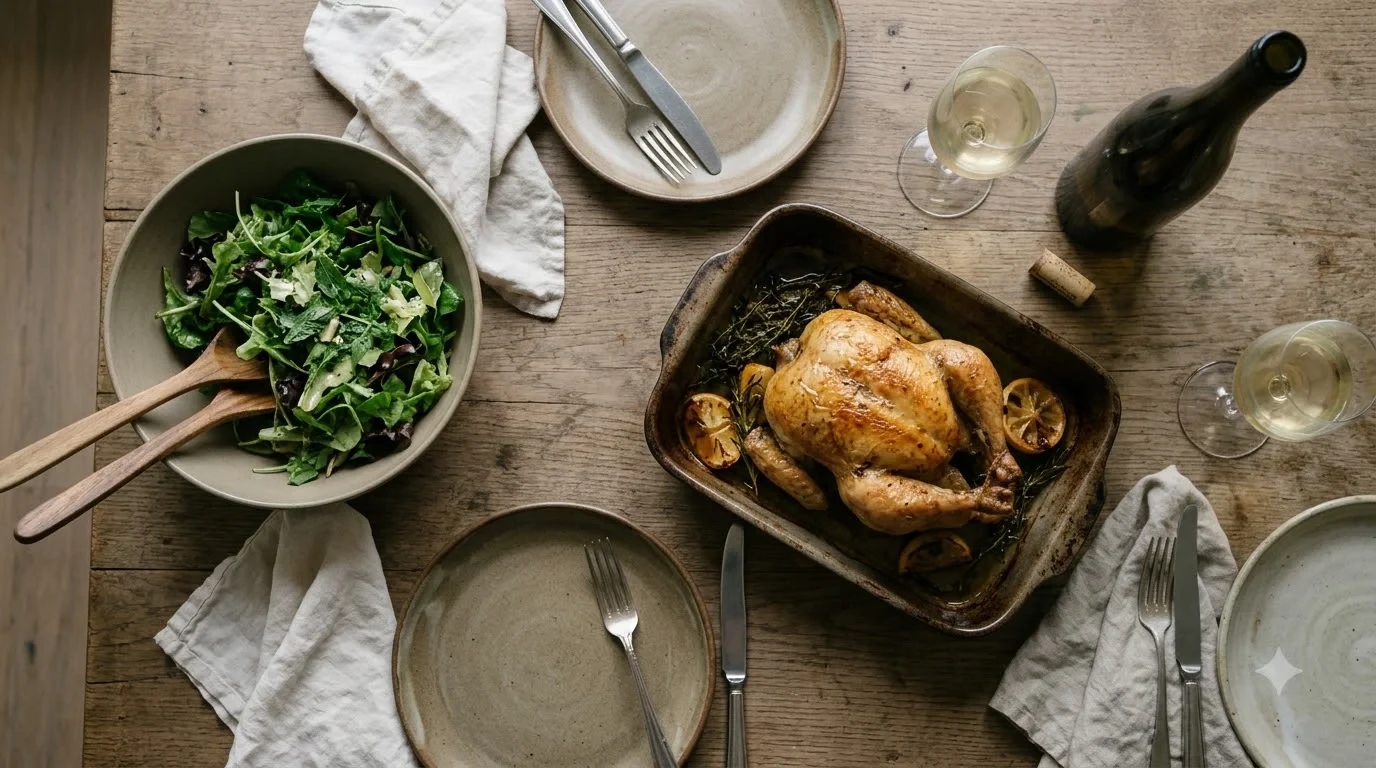
Roast chicken is one of the most dependable pairings for Cakebread Chardonnay. The wine’s apple, lemon curd, pear, and toasted notes complement browned poultry skin, roasted meat, herbs, and butter without requiring complicated seasoning.
A classic roast chicken with lemon, garlic, thyme, and rosemary is an excellent choice. As the chicken cooks, its skin develops savory browned flavors, while the meat remains tender and relatively mild. These characteristics suit the Chardonnay’s medium-bodied structure. Lemon connects with its citrus notes, and rosemary and thyme provide aromatic complexity without overpowering the wine.
For a simple dinner, roast a whole chicken with olive oil, salt, black pepper, garlic cloves, and lemon halves. Add carrots and potatoes to the roasting pan so they absorb some of the savory cooking juices. Serve the chicken with a modest amount of pan sauce rather than a heavily reduced, intensely seasoned gravy.
Chicken with honey gremolata is another interesting option. Cakebread includes roast chicken with honey gremolata among its suggested recipe ideas. The honey introduces a gentle sweetness that connects with the ripe fruit in the wine, while fresh herbs and citrus provide aromatic freshness. Keep the honey quantity moderate so the dish does not become sweeter than the dry Chardonnay.
Grilled chicken works particularly well when the preparation includes olive oil, herbs, or a light butter sauce. Chicken breast can sometimes seem dry beside a richer white wine, so adding a small amount of pan sauce or serving it with roasted vegetables improves the overall balance. Chicken thighs offer a little more natural richness and can be especially appealing when roasted until the skin is golden.
Fried chicken is possible, too. Its crisp coating and savory fat provide a contrast to the wine’s fresh acidity and rounded texture. Choose traditionally seasoned fried chicken rather than an extremely spicy version. A side of roasted corn, mashed potatoes, or a mild herb salad will complete the meal without introducing competing flavors.
For further guidance, Decanter’s wine pairing advice for chicken identifies Chardonnay as a classic partner for roast chicken, particularly with lemon, herbs, garlic, butter, and olive oil. Its central principle is useful here: match the richness of the dish to the body and fruit intensity of the wine rather than allowing either component to dominate.
Creamy Pasta, Risotto, and Rich Sauces
Creamy pasta and risotto are excellent choices for Cakebread Chardonnay because their richness complements the wine’s rounded texture, while its acidity provides freshness between bites. Butter, Parmesan, mushrooms, and mild seafood sauces are particularly effective ingredients.
Fettuccine Alfredo offers a straightforward pairing. Its cream, butter, and Parmesan create a rich sauce that benefits from the wine’s citrus character. A little freshly grated lemon zest can make the dish feel lighter and create a connection with the Chardonnay’s lemon curd notes. Avoid using too much garlic or an excessive amount of cheese, which can overwhelm the more delicate fruit flavors.
Mushroom risotto is another strong match. Mushrooms contribute earthy and savory flavors, while Arborio rice releases starch during cooking to create a creamy consistency. Parmesan adds saltiness and depth, and a small amount of butter rounds out the texture. These ingredients complement the wine’s toasted brioche and baking spice character.
For a seafood-focused version, lobster risotto is particularly appealing. Cakebread itself suggests risotto with lobster, butternut squash, and chanterelle mushrooms as a food idea for its Chardonnay. Lobster contributes sweetness, squash adds gentle natural sweetness, and chanterelles provide earthy complexity. The combination gives the wine several points of connection without making the meal excessively heavy.
Chicken mushroom pasta is equally practical for a weeknight dinner. Use roasted or pan-seared chicken, sautéed cremini mushrooms, a moderate amount of cream, and Parmesan. Finish with parsley and a small squeeze of lemon. The mushrooms and browned chicken complement the wine’s savory and toasted notes, while lemon keeps the sauce from becoming too rich.
Other suitable preparations include baked pasta with chicken and spinach, shrimp linguine with a light cream sauce, and butternut squash ravioli with browned butter and sage. Each combines a relatively rich texture with flavors that suit Chardonnay’s orchard fruit and subtle oak.
Tomato-heavy pasta is less predictable. Fresh tomato acidity can make the wine taste less balanced, particularly if the sauce includes vinegar or a substantial amount of concentrated tomato paste. If serving tomato-based pasta, choose a milder sauce, include some butter or cream, and avoid excessive citrus or vinegar in the accompanying ingredients.
Cheese, Vegetables, and Appetizers
Cakebread Chardonnay pairs well with creamy and moderately aged cheeses, roasted vegetables, and appetizers featuring butter, herbs, or toasted bread. These foods provide a range of textures and flavors that complement its fruit, acidity, and subtle oak.
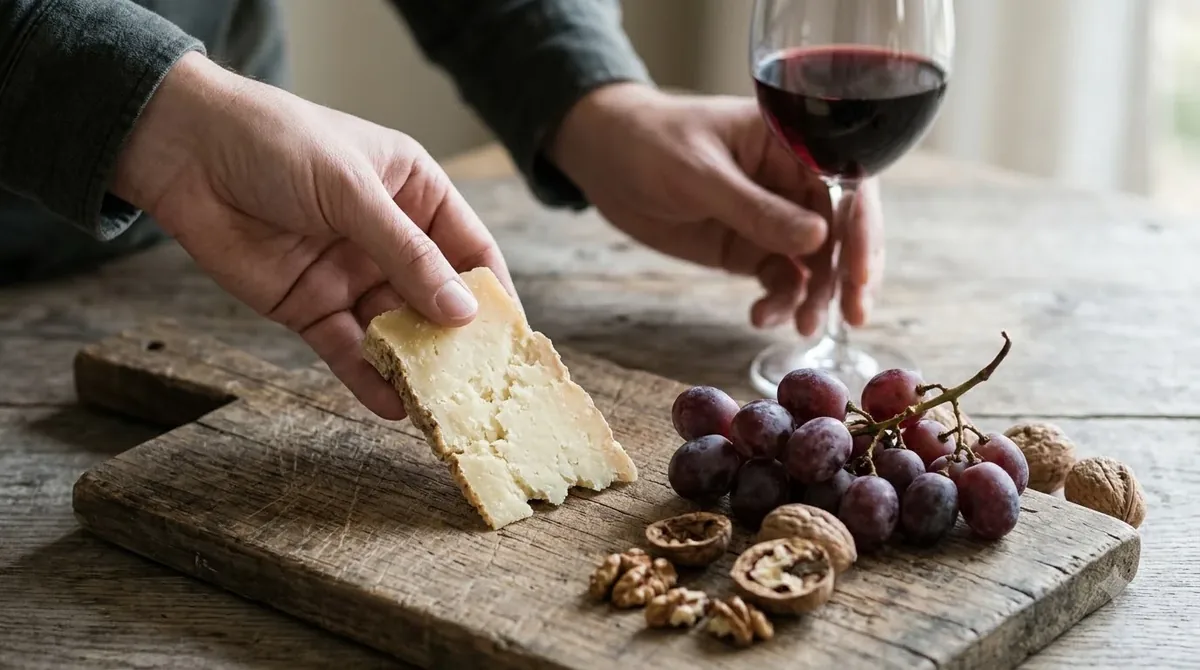
Brie and Camembert are natural choices for a cheese board. Their soft, creamy interiors complement the wine’s rounded texture, while their relatively mild flavors allow the apple, pear, and citrus notes to remain noticeable. Serve small wedges with plain crackers, sliced pears, or lightly toasted sourdough.
Gruyere and Gouda provide more structure. Gruyere has savory, nutty characteristics that work with Chardonnay’s baking spice and toasted brioche notes. Gouda offers a slightly sweet, buttery profile that connects with the ripe fruit and oak influence. Moderately aged versions are generally preferable to extremely sharp cheeses, which can dominate the wine.
Fresh sourdough is another useful accompaniment. Its mild tang and toasted crust work particularly well with the wine’s brioche character. Serve it with cultured butter, olive oil, or a mild cheese spread. Crostini topped with sautéed mushrooms, roasted garlic, or ricotta also makes an easy appetizer.
For vegetables, consider roasted butternut squash, cauliflower, corn, fennel, asparagus, and mushrooms. Roasting develops natural sweetness and browned flavors, creating a better match for Chardonnay than many raw, sharply acidic vegetable preparations. Butternut squash with sage is particularly appealing because its gentle sweetness and herbal aroma connect with the wine’s ripe melon and baking spice notes.
Grilled corn is another simple option. Brush the ears lightly with butter, season with salt and black pepper, and finish with a modest amount of Parmesan. The natural sweetness of corn complements the wine’s fruit, while the browned kernels provide a subtle roasted dimension.
Vegetable gratin is useful for a more substantial meal. Layer cauliflower, zucchini, or fennel with a moderate amount of cream and Parmesan, then bake until the surface becomes golden. The combination of dairy, vegetables, and browned cheese suits the wine’s texture and oak character.
When assembling an appetizer platter, aim for a mixture of mild, savory, and slightly sweet ingredients. A combination of Brie, Gruyere, pear slices, sourdough, roasted mushrooms, and lightly salted nuts provides variety without introducing aggressive flavors. Avoid making very sharp pickles, heavily vinegared olives, or spicy cured meats the dominant elements.
Serving Temperature, Portions, and Dinner Menus
Serve Cakebread Chardonnay at 50–55°F to preserve its fresh fruit, citrus, and subtle oak character. A moderate chill keeps the wine refreshing while allowing its aromas and texture to develop as it warms slightly in the glass.
Serving Chardonnay directly from a warm room can make its alcohol seem more noticeable and reduce the freshness of the fruit. On the other hand, serving it extremely cold can mute the pear, apple, melon, and baking spice notes. Refrigerate the bottle before dinner and allow it to sit briefly at the table if it seems too cold.
A standard wine pour is 5 ounces. A 750 ml bottle therefore provides approximately five standard glasses, making it straightforward to plan a dinner for several guests. For a meal with multiple courses, one bottle can accompany a seafood appetizer and a main course, although larger gatherings may require additional bottles depending on how much wine guests choose to drink.
The following table provides practical serving and menu suggestions. The temperature ranges are general guidelines for Chardonnay and related food styles, while the menu examples are designed around Cakebread’s fruit, acidity, and oak characteristics.
| Serving detail | Recommendation | Why it works |
|---|---|---|
| Serving temperature | 50–55°F | Preserves fresh fruit and aromatic detail |
| Standard pour | 5 oz | Leaves room for aromas to develop in the glass |
| Bottle size | 750 ml | Provides approximately 5 standard glasses |
| Refrigerator chilling | About 2 hours | Provides a practical starting point for chilling a room-temperature bottle |
| Opened bottle storage | 3–5 days refrigerated | Helps preserve freshness after recorking |
| Ideal seafood course | Crab cakes or grilled halibut | Balances delicate seafood sweetness with citrus freshness |
| Ideal poultry course | Lemon-herb roast chicken | Connects roasted flavors with apple, pear, and subtle oak |
| Ideal pasta course | Mushroom or lobster risotto | Matches creamy texture with the wine’s medium body |
For a seafood dinner, start with crab cakes, follow with grilled halibut and roasted potatoes, and finish with a mild cheese selection. This menu emphasizes the wine’s fresh fruit and citrus character without introducing overly powerful seasoning.
For a poultry dinner, serve a small cheese appetizer, followed by lemon-herb roast chicken with roasted carrots and potatoes. A modest pan sauce provides enough richness to complement the Chardonnay without making the main course feel too heavy.
A vegetarian menu can feature mushroom crostini, butternut squash risotto, roasted cauliflower, and Brie. This approach makes use of the wine’s toasted and orchard-fruit notes while allowing its freshness to balance the creamy elements.
For an easy dinner party, prepare the main course in advance and serve the wine throughout the meal. Cakebread Chardonnay is versatile enough to accompany several courses, provided the ingredients remain within a compatible range of richness and acidity.
Foods and Flavors That Can Disrupt the Pairing
Although Cakebread Chardonnay is versatile, certain ingredients can make the combination less harmonious. Excessive chili heat, sharp vinegar, strongly acidic tomato sauces, and aggressively seasoned foods can overpower the wine’s fruit and oak character.
Very spicy dishes deserve particular attention. Alcohol and tannin can amplify the perception of chili heat, and the relatively noticeable alcohol in a Napa Valley Chardonnay may make an intensely spicy meal feel hotter. Dishes featuring heavy amounts of cayenne, habanero, or hot chili oil are generally less suitable than gently seasoned alternatives.
Acidity also matters. A dish with substantial lemon juice, vinegar, or sour dressing can make a wine with insufficient acidity seem flat. Cakebread’s fresh citrus character gives it useful flexibility, but a salad dominated by sharp balsamic vinegar or an intensely acidic citrus dressing can still create an imbalance.
Oily fish requires a little more thought. Salmon with a smoky grilled preparation and balanced seasoning can work well, but oily fish served with powerful fishy flavors may make the Chardonnay seem less fresh. Likewise, strongly smoked fish with intense salt and seasoning can overpower its delicate fruit notes.
Very sweet foods are another challenge. A dry Chardonnay generally works better with savory courses than with sweet desserts. If serving a dessert, remember that the wine should be at least as sweet as the food to avoid tasting sour or thin. Cakebread Chardonnay is therefore better reserved for the main meal, cheese course, or appetizers rather than very sweet pastries and cakes.
Finally, avoid pairing the wine with extremely heavy sauces that contain several competing ingredients. A cream sauce with butter, Parmesan, garlic, chili, lemon, and vinegar can create too many competing flavors. A simpler preparation usually produces a more satisfying match. Butter, herbs, lemon, mushrooms, and mild seasoning are generally enough to create a successful result.
For readers comparing California Chardonnay styles, our La Crema Chardonnay food pairing article provides another useful perspective on matching Chardonnay with seafood, poultry, and creamy dishes. You can also explore our broader Wine Brands section for additional winery-specific pairing ideas.
Frequently Asked Questions
Is Cakebread Chardonnay a dry or sweet wine?
Cakebread Napa Valley Chardonnay is a dry white wine rather than a sweet dessert wine. Its ripe pear, melon, and lemon curd flavors can create a perception of fruit sweetness even though the wine is made in a dry style. Its natural fruit character makes it suitable for savory meals and moderately rich appetizers.
Should Cakebread Chardonnay be decanted before serving?
Most young Napa Valley Chardonnay does not require formal decanting. Pouring the wine into a glass and allowing it to develop for approximately 5–10 minutes is generally sufficient for its aromas to open. Older bottles should be handled more carefully because extended exposure to air can diminish delicate aromas.
Which glass shape is best for Cakebread Chardonnay?
A medium-sized white wine glass with a moderately wide bowl is a good choice. A bowl around 8–12 ounces provides room for the wine’s pear, apple, citrus, and subtle oak aromas to develop. A very narrow glass can make it harder to appreciate the wine’s layered aromatic character.
Can Cakebread Chardonnay be enjoyed without food?
Yes. Its combination of orchard fruit, citrus, and gentle oak makes it suitable as an aperitif or a standalone glass. Serve it with lightly salted almonds, plain sourdough, or mild crackers if a small accompaniment is preferred. These simple foods will not distract from the wine’s aroma and texture.
Can Cakebread Chardonnay be stored for several years?
Some well-made Napa Valley Chardonnay can develop additional complexity with bottle age, although the ideal drinking window depends on the vintage and storage conditions. Cakebread’s cool Carneros growing environment contributes to the freshness and balance of its Chardonnay. For bottles intended for longer storage, a consistent temperature near 55°F, darkness, and humidity control help protect wine quality.
Cakebread Chardonnay is an excellent choice for meals built around grilled seafood, roast chicken, creamy pasta, mushrooms, and moderately rich cheeses. Its ripe orchard fruit, citrus freshness, and restrained oak provide enough versatility for both casual dinners and more elaborate menus. Start with crab cakes, lobster, or lemon-herb chicken, serve the wine at 50–55°F, and keep the food’s seasoning balanced to make the most of every glass.
More in Wine Brands
 Louis Latour Wine Price: Compare Bottles by Style and TierUpdated Nov 20, 2026
 Yellow Tail Moscato Price: What to Expect Before You BuyUpdated Nov 20, 2026
 Sutter Home Sweet Red Review: Find the Right Food PairingsUpdated Nov 20, 2026
 Franzia Chillable Red Review: Find the Right Serving StyleUpdated Nov 20, 2026
 Veuve Clicquot Rose Review: Flavor, Food Pairings and Buying AdviceUpdated Nov 20, 2026
 Rombauer Wine Price: Compare Bottles Before You BuyUpdated Nov 20, 2026