

We may earn a commission when you buy through links on this page, at no extra cost to you. Learn more.
The nebbiolo grape is a red wine variety grown mostly in Piedmont, in northwest Italy, and it is the grape behind Barolo and Barbaresco. Wine Folly describes it as one of Italy’s most important red varieties, with delicate aromas, high tannins, and medium-high acidity. The wines are dry and often need years in the bottle before they show their best side.
Nebbiolo is one of those grapes that wine lovers talk about with a mix of respect and patience. Its wines can seem pale in color and tight in youth, yet they age for decades. This guide covers where the grape grows, what its wines taste like, how to serve them, and what to eat with them. The name is usually pronounced roughly “nebby-oh-low.”
What nebbiolo is and where it grows
Nebbiolo is a red wine grape. Most of it is grown in Piedmont, a hilly region in northwest Italy, where the grape is used to make two of the country’s most famous wines. Barolo and Barbaresco are both made from nebbiolo, and both are known for their structure, aging potential, and dark, perfumed character.
The grape’s reputation rests on that concentration of quality in a small corner of Italy. Because nebbiolo is a demanding variety to grow and needs a long ripening season, it has become closely tied to the hills of Piedmont. Outside the region, you will find it in smaller amounts, but the best-known examples still come from the Barolo and Barbaresco zones.
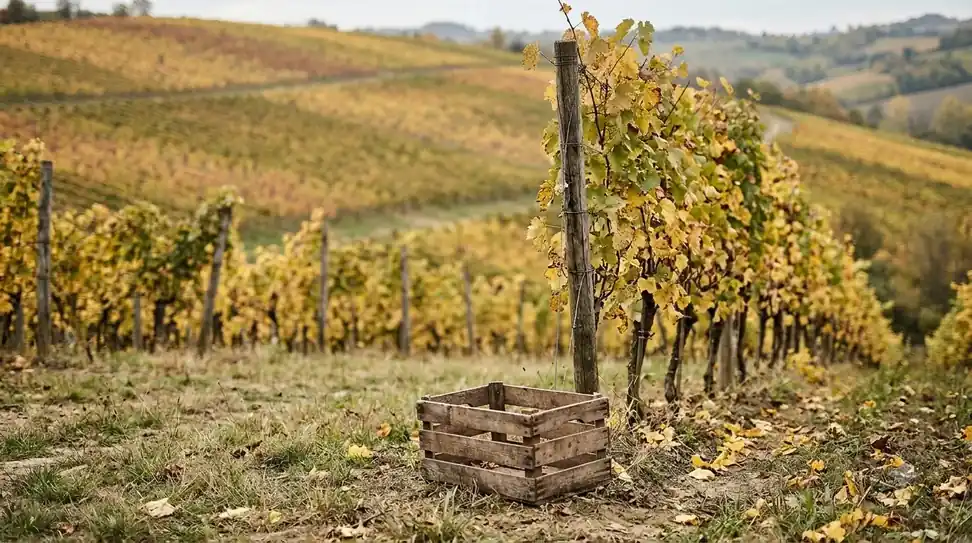
Piedmont’s landscape of hills and vineyards gives the grape its character. Growers work with the terrain closely, and the differences between one hillside and the next are a big part of why nebbiolo wines can taste so distinct. If you are curious about how place shapes a wine, nebbiolo is one of the clearest examples to study.
Flavor, aroma, and structure of nebbiolo wine
Nebbiolo wines are bone-dry and medium-full in body. Their aromas are often described as delicate, which can be surprising given how firm the tannins are. Wine Folly lists primary flavors such as cherry, rose, leather, anise, and a clay-like earthiness. Young wines can taste tart and tight, while older ones develop more complex notes of dried fruit, tar, and spice.
Compared with other Italian reds, nebbiolo tends to show more tannin and more pale color in the glass. That combination can confuse drinkers used to richer, darker wines, but it is part of the style. Once you understand the structure, the wine becomes easier to read and enjoy.
The structure is what sets nebbiolo apart. Tannins are high, which gives the wine grip and a drying finish, and acidity is medium-high, which keeps the wine lively. Wine Folly puts the alcohol level between 13.5 and 15 percent. Many people find nebbiolo challenging at first because the tannins feel sharp, but the wine rewards patience and food.
It helps to think of nebbiolo as a wine that asks for patience at the table as well as in the cellar. Young bottles can feel closed for the first hour after opening, and the aromas may only appear after the wine has settled in the glass. Give it time, and the fruit and floral notes will start to show.
| Trait | Typical nebbiolo wine |
|---|---|
| Body | Medium-full |
| Sweetness | Bone-dry |
| Tannins | High |
| Acidity | Medium-high |
| Common aromas | Cherry, rose, leather, anise, earth |
| Alcohol | About 13.5 to 15 percent |
| Aging | Can be cellared for 10 years or more |
How to serve nebbiolo
Wine Folly recommends serving nebbiolo at 55 to 60 degrees Fahrenheit, or about 12 to 15 degrees Celsius, in an aroma collector glass. That is slightly cooler than many people serve red wine, and it helps keep the tannins from feeling harsh while the fruit and floral notes stay present. A large glass gives the wine room to open.
Decanting is worth doing for most nebbiolo. Wine Folly suggests about an hour of decanting, which softens the tannins and lets the aromas develop. Older bottles need more care. Open them shortly before serving, and pour gently so any sediment stays in the bottle.
Pour a small amount into each glass first and let it sit for a few minutes before tasting. Many people find that the aromas are more inviting after a short rest, and the first sip tells you whether the wine needs more time. Re-check the glass every half hour during a long dinner, since nebbiolo keeps changing as it opens.
Tip: If a young nebbiolo tastes harsh, decant it for longer or pair it with food. The wine often feels smoother once it has air and something rich to balance the tannins.
Best food pairings with nebbiolo
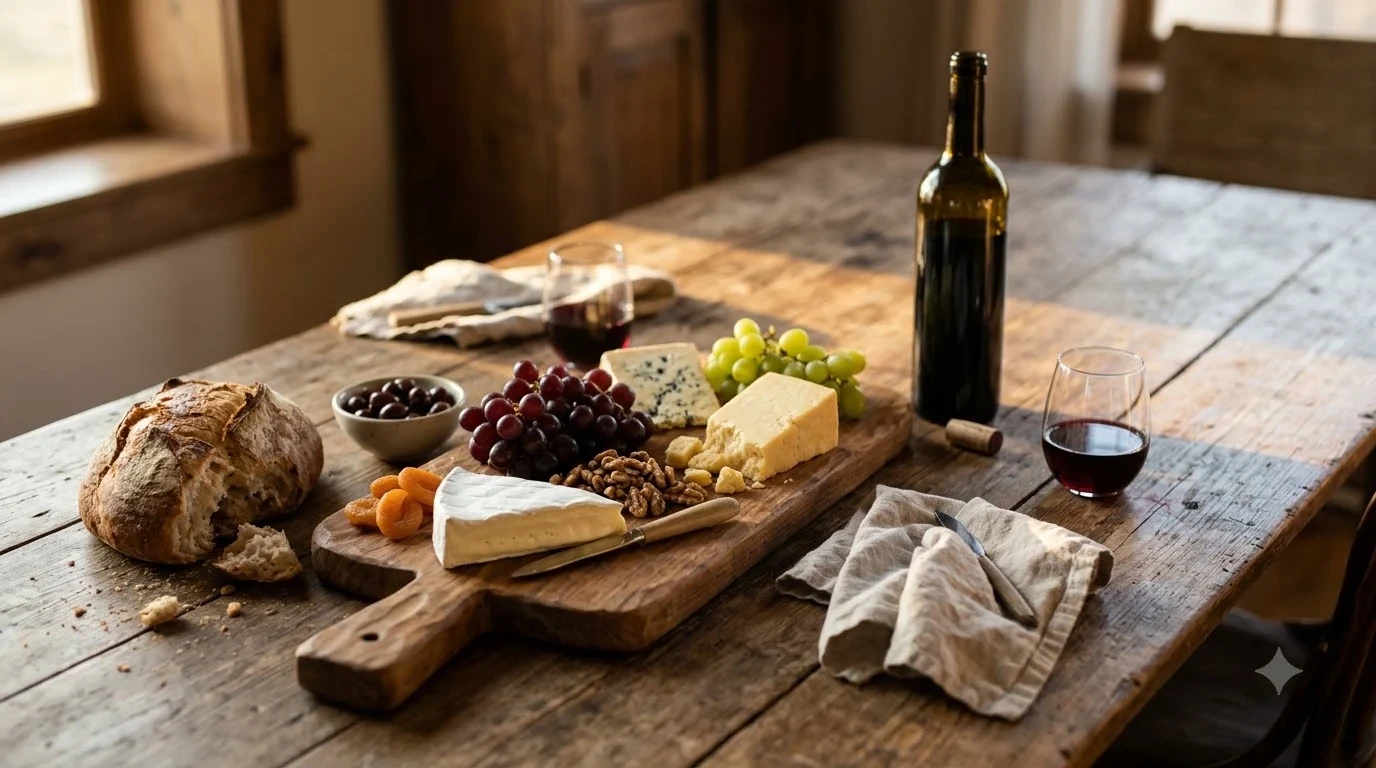
Nebbiolo is at its best with food that has enough fat and flavor to match its tannins. Wine Folly points to richer dishes with higher fat content, such as creamy sauces and aged cheeses. Its examples include truffle risotto and butternut squash ravioli, both of which suit the wine’s earthiness and fine structure.
The wine also works well with braised meats, roasted game, and mushroom dishes. Lighter foods such as grilled fish or delicate salads tend to be overwhelmed by the tannins, so save nebbiolo for dishes with some body. A hard, aged cheese such as Parmigiano-Reggiano is a classic partner for Italian reds of this kind.
When you plan a menu around nebbiolo, think about how the wine’s acidity and tannins will interact with each course. Start with a dish that has some savory depth, then move to something richer. Serving a simple salad or light antipasto first can make the wine feel softer by contrast.
How to choose a bottle of nebbiolo
Look for the appellation on the label. Barolo and Barbaresco are the names most people know, and they differ in style and aging rules. Barolo is often described as the more structured of the two, while Barbaresco can feel slightly softer. If you are new to the grape, a Barbaresco is often an easier entry point.
Vintage matters because nebbiolo is a long-lived wine. Recent releases can taste firm and closed, so you may want to decant them longer or wait. For an approachable introduction to red grapes with a different profile, see the Brunello di Montalcino grape guide, which covers another Italian red built on structure and aging.
Storage also matters. Keep bottles on their side in a cool, dark place with steady temperature, especially if you plan to age them. A simple rack in a closet can work well for a few years, but long-term aging benefits from a stable cellar environment.
Frequently Asked Questions
What does nebbiolo taste like?
Nebbiolo is dry and medium-full, with cherry, rose, leather, and anise notes. It has high tannins and medium-high acidity, so the wine feels firm and lively rather than soft.
Is nebbiolo the same as Barolo?
Not quite. Nebbiolo is the grape, and Barolo is a wine made from it in a specific area of Piedmont. Barbaresco is another famous nebbiolo wine from a nearby zone.
How long can you age nebbiolo?
Wine Folly notes that nebbiolo can be cellared for 10 years or more. Many well-made bottles reward years of patience, developing softer tannins and deeper flavors over time.
What food goes best with nebbiolo?
Rich dishes work best, such as truffle risotto, butternut squash ravioli, braised meats, and aged cheeses. The fat in these foods softens the tannins and balances the wine.
Nebbiolo is a grape that repays time, food, and a little patience. Start with a Barbaresco or a younger Barolo, decant it, and serve it with something rich. For a fuller view of the grape’s regional background, read the Wine by Type guide, or compare the Italian reds through the Wine Folly nebbiolo guide, which covers the flavor and serving details used here.
More in Wine Types & Grapes
 Zinfandel Sugar Content: Dry Red vs. White Zinfandel GramsUpdated Nov 21, 2026
 Best Zinfandel Substitute Options for Sipping and CookingUpdated Nov 21, 2026
 Zweigelt Food Pairing: Best Dishes, Cheeses, and Serving TipsUpdated Nov 21, 2026
 Zinfandel Tannins Explained: How Structure Shapes Every BottleUpdated Nov 21, 2026
 Zinfandel Sweetness Level: Dry Red vs. Sweet White Zin ExplainedUpdated Nov 21, 2026
 Xinomavro Food Pairing: Best Dishes, Styles, and Serving TipsUpdated Nov 21, 2026