


We may earn a commission when you buy through links on this page, at no extra cost to you. Learn more.
Apothic red tasting notes center on ripe black cherry, blackberry, dark plum, vanilla, and mocha, supported by a smooth, velvety texture and gentle spice. This California red blend combines Zinfandel, Merlot, Syrah, and Cabernet Sauvignon to create a fruit-forward wine with noticeable richness. Its 13.5% alcohol content gives it a warming presence, while its rounded tannins make it approachable for drinkers who prefer softer red wines. Expect a dry-to-off-dry impression, depending on how you perceive its ripe fruit and sweetness of flavor.
Apothic Red is designed around generous fruit, recognizable oak-inspired flavors, and an accessible style rather than pronounced earthiness or aggressive tannins. Understanding its aroma, palate, structure, and finish makes it easier to decide whether the wine suits your preferences, how to serve it, and which foods bring out its best characteristics. The following tasting breakdown explains what to expect from the glass and how the blend’s individual grapes contribute to its personality.
Apothic Red Flavor Profile: Black Cherry, Blackberry, and Vanilla
Apothic Red presents a concentrated dark-fruit profile, with black cherry, blackberry, and plum forming its main flavor foundation. Vanilla and mocha provide additional richness, while gentle spice keeps the fruit from feeling one-dimensional.
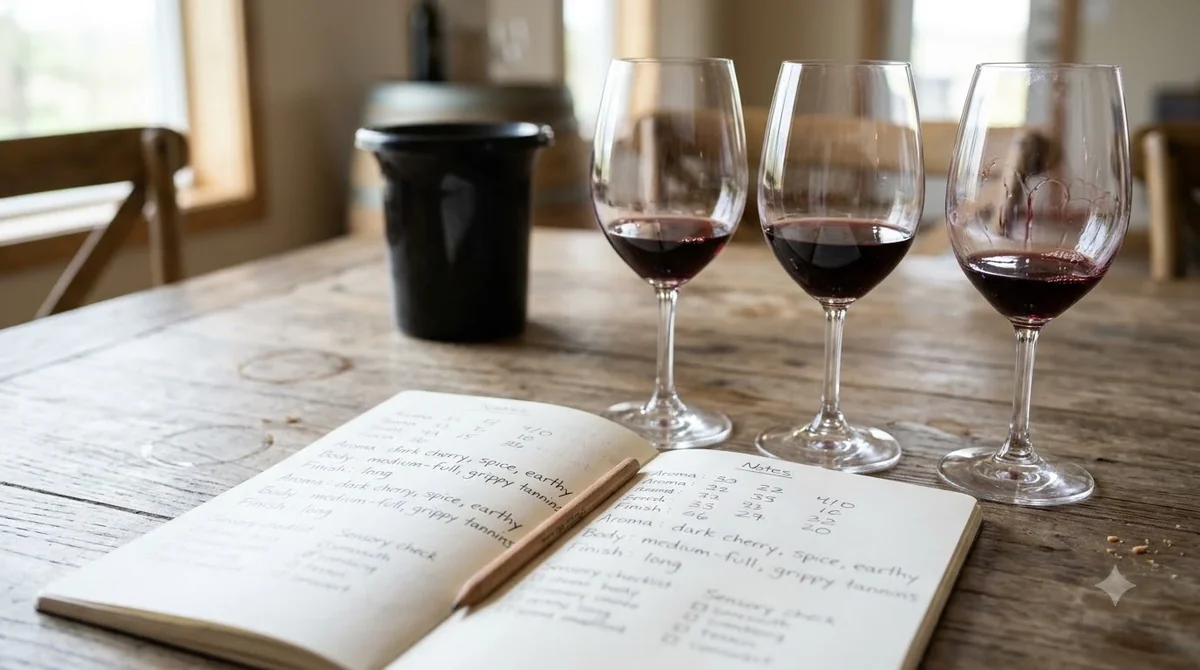
The first impression is usually dark-fruited and inviting. Black cherry is one of the most recognizable characteristics, offering a ripe, rounded fruit sensation rather than the sharp tartness associated with some lighter red wines. Blackberry adds a deeper impression, while plum contributes a softer, almost jam-like quality. Together, these flavors give the wine its familiar rich and fruit-forward character.
Vanilla appears alongside the fruit, creating an impression similar to vanilla bean or lightly toasted baking spices. Mocha introduces a darker dimension that can suggest cocoa, coffee, and bittersweet chocolate. These characteristics complement the fruit instead of replacing it. The result is a red blend that combines sweet-smelling aromas with a structured wine-like finish.
Spice is another useful part of the tasting profile. Depending on the bottling and the conditions in which it is served, drinkers may notice clove, dried herbs, or a subtle peppery impression. Wine Enthusiast’s review of a 2022 Apothic Red specifically identifies dried herbs, cherry, clove, and toasty vanilla on the nose. Its palate description adds bittersweet chocolate and dried fennel.
These differences matter because not every bottle or vintage should be expected to smell or taste exactly alike. The producer’s general description emphasizes dark red fruit and vanilla, while an individual professional tasting review may identify additional details. For a broader look at the brand’s different styles, the Wine Brands section provides useful context for understanding how producers develop recognizable wine profiles.
When tasting Apothic Red, look for the following characteristics:
- Black cherry: Ripe, dark-fruited flavor with a rounded impression.
- Blackberry: Deep berry character that gives the wine richness.
- Plum: Soft, ripe fruit that contributes to its generous palate.
- Vanilla: A smooth, sweet-smelling aromatic quality.
- Mocha: Coffee and chocolate-like complexity.
- Clove and herbs: Supporting savory notes that add contrast.
Rather than looking for all these characteristics in equal measure, start with the black cherry and blackberry. Then pay attention to the vanilla and mocha as the wine opens in the glass. Those are the central elements that help define the recognizable Apothic Red style.
The Four Grapes Behind Apothic Red
Apothic Red combines four familiar red grapes: Zinfandel, Merlot, Syrah, and Cabernet Sauvignon. Each variety contributes a different element, allowing the finished wine to combine ripe fruit, softer texture, dark berry character, and structure.
Zinfandel is an important source of the blend’s bold fruit and spice. It is associated with ripe blackberry, dark cherry, and generous fruit concentration. In a blend designed around a smooth, expressive style, Zinfandel helps create the impression of richness without requiring particularly aggressive tannins.
Merlot contributes softness and a rounded mouthfeel. Its black-fruit character complements Zinfandel, while its typically more approachable tannin structure helps the wine feel less firm than a Cabernet Sauvignon-led blend. Merlot is particularly useful when the objective is a smooth, accessible red wine.
Syrah contributes dark fruit and blueberry characteristics. It can also introduce savory spice and additional depth. Its tannins are generally medium-plus to high, depending on growing conditions and winemaking, but blending allows its character to become part of a broader, more balanced profile.
Cabernet Sauvignon supplies structure and dark-fruit intensity. It is naturally associated with higher tannin levels, which can give a wine firmness and shape. In a blend, Cabernet Sauvignon can help prevent ripe fruit and softer components from making the wine feel completely loose or lacking definition.
There is one important detail about the blend’s composition. Apothic’s official account of its original blend identifies Zinfandel, Syrah, and Merlot as the three varieties selected during the original development process. Its current general product description also lists Cabernet Sauvignon among the four grapes. This distinction helps explain why descriptions of the wine’s composition can differ between historical accounts and product information. The producer’s account of the original Apothic Red blend also explains how the winemaking team developed its balance of fruit and oak.
| Grape | Main contribution | Typical character |
|---|---|---|
| Zinfandel | Fruit and spice | Blackberry, dark cherry |
| Merlot | Softness and texture | Black fruit, rounded tannins |
| Syrah | Depth and darker fruit | Blueberry, savory spice |
| Cabernet Sauvignon | Structure | Dark fruit, firmer tannins |
The proportions of the individual grapes are not necessary to understand the finished wine. What matters is how their characteristics work together. The fruit-driven varieties create richness, Merlot helps soften the texture, and the more structured components provide shape.
Blending also gives a winemaker flexibility. Rather than relying on the flavor profile of a single grape, the winemaking team can work with different varietal characteristics to achieve a consistent overall style. This is one reason red blends can be appealing to people who enjoy several fruit characteristics in one glass.
Aroma, Mouthfeel, Tannin, and Finish
Apothic Red is best described as medium-to-full in body, with a smooth texture, noticeable dark-fruit aromas, and relatively approachable tannins. Its finish emphasizes lingering fruit and vanilla, with mocha and spice providing additional detail.
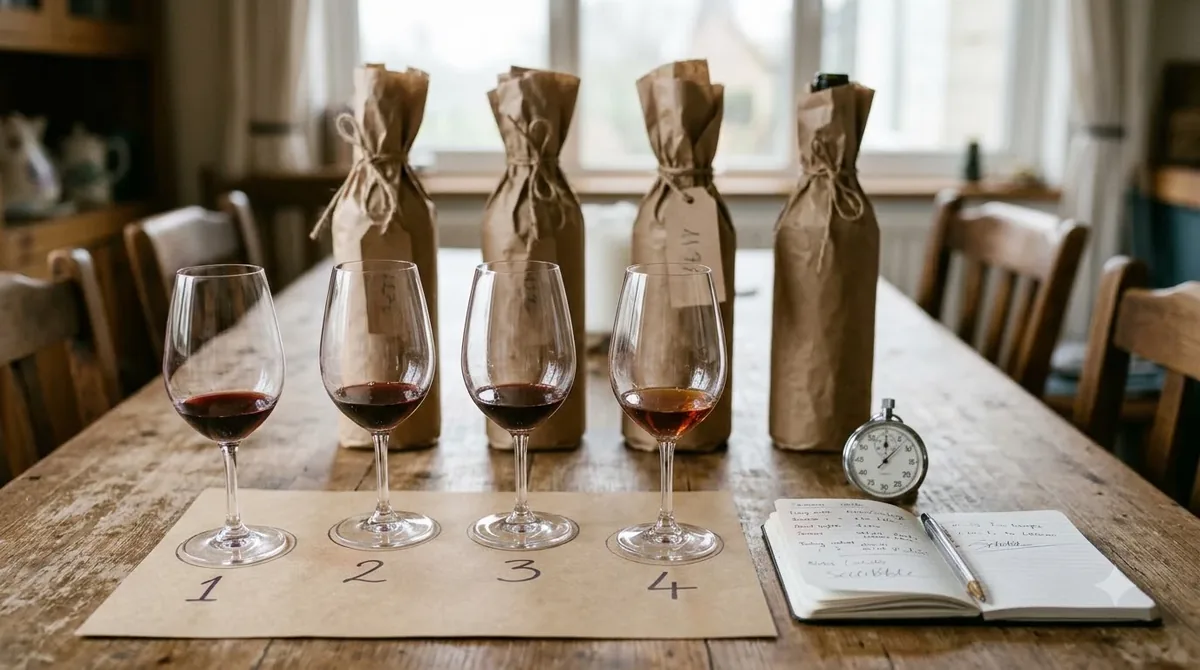
Begin by observing the wine’s color. A typical pour appears deep ruby to dark red, with a concentrated appearance in the center of the glass. Its color gives an initial indication of its fruit-forward personality, although color alone cannot establish sweetness, quality, or body.
Swirling the wine helps release its aromatic compounds. Black cherry and blackberry are useful starting points, followed by vanilla and mocha. Some drinkers may also notice dried herbs or clove. The aroma can seem sweeter than the wine actually tastes because ripe fruit and vanilla create associations with desserts and baking ingredients.
The mouthfeel is one of the wine’s defining features. Apothic Red is intended to feel rounded and smooth rather than sharply acidic or strongly astringent. Its fruit concentration contributes to a fuller sensation, while the softer components of the blend help keep the texture approachable.
Tannin is the compound responsible for much of the drying sensation associated with red wine. Cabernet Sauvignon generally has high tannin, while Merlot is usually softer. Syrah often has medium-plus to high tannin, and Zinfandel can vary considerably. The combination of these grapes helps explain why Apothic Red has more structure than a very light red wine but does not necessarily feel as firm as a traditional Cabernet Sauvignon.
The finish is generally fruit-led, with vanilla and mocha remaining as the wine leaves the palate. Some tasters may notice a slightly drying sensation or gentle spice toward the end. The combination makes the wine feel richer than its simple fruit flavors might suggest.
Professional tasting descriptions can help illustrate the range of details that may appear. Wine Enthusiast’s review of the 2022 bottling describes sweet tannins, bittersweet chocolate, and dried fennel. These characteristics complement the producer’s emphasis on black cherry, vanilla, and a smooth texture. Its 2022 Apothic Red tasting review provides a vintage-specific example of how these aromas and flavors can appear together.
For a structured tasting at home, divide the experience into four stages:
- Appearance: Observe the deep red color and clarity.
- Nose: Look for black cherry, blackberry, vanilla, and mocha.
- Palate: Assess fruit concentration, body, acidity, and tannin.
- Finish: Notice whether vanilla, chocolate, spice, or dark fruit remains longest.
Giving yourself time between sips helps reveal the relationship between fruit and structure. A wine that initially seems dominated by blackberry may show more vanilla, cocoa, or savory spice after a few minutes in the glass.
Is Apothic Red Sweet or Dry?
Apothic Red is generally described as a dry red blend with a ripe, fruit-forward impression and a finish that can seem gently sweet. Its black cherry, blackberry, and vanilla characteristics create the perception of sweetness, even when the wine does not taste like a dessert wine.
This distinction between perceived sweetness and actual sweetness is important. Ripe fruit aromas can make a wine seem sweeter than its measured sugar content would suggest. Vanilla, mocha, and concentrated dark-fruit flavors can reinforce that impression.
Acidity and tannin also affect how sweetness is perceived. A wine with softer tannins and generous fruit can feel rounder and less austere than a more structured red. Apothic Red’s relatively approachable texture makes it particularly appealing to people who find strongly tannic wines challenging.
For someone accustomed to very dry wines, Apothic Red may seem fruitier and sweeter than expected. For someone who regularly drinks sweet red blends, it may feel drier and more structured. Personal tasting experience plays a major role in determining where the wine sits on an individual’s sweetness scale.
It is also useful to distinguish Apothic Red from other wines in the same portfolio. Apothic Crush is designed around a different flavor profile, emphasizing black cherry, raspberry, and caramel. Its sweeter impression makes it a different experience from the original red blend. Readers comparing the two can explore Apothic Crush tasting notes for a closer look at those differences.
Apothic Inferno is another distinct expression. Its oak, dark-fruit, and spice characteristics give it a different personality from the original blend. The Apothic Inferno tasting notes provide a useful comparison for readers interested in a more oak-influenced style.
One practical way to evaluate sweetness is to taste the wine without food first, then try it with a savory dish. If the fruit seems less sweet alongside tomato sauce or salty cheese, the food is changing the balance of the wine’s flavors. This is a normal part of wine pairing rather than a change in the wine itself.
Tip: If Apothic Red tastes sweeter than expected, serve it slightly cool and pair it with savory food such as tomato-based pasta, grilled beef, or aged cheese. Cooler serving conditions can make the fruit feel fresher and help keep the alcohol from dominating the finish.
Best Food Pairings for Apothic Red
Apothic Red pairs especially well with tomato-based pasta, grilled meats, pizza, aged cheese, and dishes featuring caramelized ingredients. Its ripe dark fruit and smooth tannins work best with savory foods that have enough flavor to complement the wine.
Tomato-based pasta is one of the most natural pairings. Tomato sauce brings acidity, which helps balance the wine’s ripe fruit character. Dishes such as spaghetti with meat sauce, baked ziti, and lasagna provide additional savory depth. The producer specifically recommends tomato-based pasta dishes, making this a particularly reliable starting point.
Acidity is important in this pairing. A highly acidic food can make a less-acidic wine seem flat or dull. Choose a tomato sauce that has a balanced, cooked-down flavor rather than relying on extremely sharp acidity. Herbs such as oregano and basil also complement the wine’s dried-herb and spice characteristics.
Grilled beef and burgers are strong options because protein and fat help soften the perception of tannin. A grilled burger with caramelized onions, roasted mushrooms, or aged cheddar provides the richness needed to stand alongside the wine’s fruit concentration. Tri-tip sandwiches are another useful choice, and Apothic’s official original-blend account specifically identifies tri-tip sandwiches as a favorite pairing.
Pizza works particularly well when its toppings are savory. Pepperoni, Italian sausage, roasted mushrooms, and caramelized onions provide enough flavor to complement the wine. Tomato sauce supplies acidity, while cheese adds fat and salt that can make the tannins feel softer.
Aged cheeses offer another dependable match. Aged cheddar, Gouda, and similar firm cheeses have concentrated savory flavors that can complement the wine’s fruit and mocha notes. Salt and fat help reduce the perception of astringency, making the combination feel more rounded.
Roasted vegetables can also work. Try eggplant, mushrooms, bell peppers, or onions roasted until their natural sweetness becomes more pronounced. Their browned surfaces and savory flavors complement the wine’s dark-fruit profile.
For dessert, consider dark chocolate preparations rather than delicate fruit desserts. Chocolate can echo the wine’s mocha characteristics, although the sweetness level matters. A dessert should generally be at least as sweet as the wine, otherwise the wine may taste sharper, more bitter, or less fruity beside it.
Some foods are less suitable. Very spicy dishes can make the alcohol feel hotter and the wine taste more aggressive. Delicate white fish can also be overwhelmed by the wine’s body and fruit intensity. Oily fish such as salmon may work better with an appropriately chosen white wine or lighter red rather than a tannic red blend.
Here are practical pairing ideas based on the wine’s main characteristics:
- For everyday meals: Lasagna, spaghetti with meat sauce, and pepperoni pizza.
- For grilled food: Beef burgers, grilled sausages, and tri-tip sandwiches.
- For cheese boards: Aged cheddar, Gouda, and firm, savory cheeses.
- For vegetarian meals: Roasted mushrooms, eggplant, and caramelized onions.
- For dessert: Dark chocolate tart or chocolate-covered strawberries with sufficient sweetness.
The most successful pairings share one feature: they have enough savory intensity to complement the wine without overwhelming its fruit. A simple meal with roasted beef and potatoes can be just as effective as a more elaborate pasta dish.
Serving Temperature, Glassware, and Storage
Serve Apothic Red at approximately 60–65°F for a balanced expression of its fruit, vanilla, and mocha characteristics. Use a standard red wine glass, pour about 5 ounces, and allow the wine a few minutes to open before evaluating its aromas.
Temperature has a meaningful effect on the tasting experience. If the wine is too warm, alcohol can become more noticeable and the fruit may seem heavy. If it is too cold, the aromas can become muted and the tannins may seem firmer. A slightly cool serving temperature helps preserve freshness while allowing the wine’s richer flavors to remain expressive.
If the bottle has been stored at a warm room temperature, place it in the refrigerator for approximately 15–20 minutes before serving, then check how it feels in the glass. If it is too cold, allow it to warm naturally for several minutes. The goal is not to make the wine cold but to prevent it from becoming overly warm.
A standard red wine glass with a moderately wide bowl works well. The larger opening gives the wine room to release aromas and allows you to swirl it without spilling. There is no need for expensive or highly specialized glassware to appreciate the main flavors.
Pouring approximately 5 ounces into a glass is a useful serving reference. A standard 750 ml bottle contains approximately 25.4 fluid ounces, which works out to about five standard 5-ounce servings. Leaving some room in the glass also makes swirling easier and helps concentrate aromas near the opening.
Apothic Red generally does not require extensive decanting. Unlike a particularly young, highly structured Cabernet Sauvignon that may benefit from 30–60 minutes of aeration, this approachable red blend can usually be enjoyed shortly after opening. If the aromas initially seem closed, allow 10–15 minutes in the glass before deciding whether more air is needed.
For storage, keep unopened bottles in a cool, dark location with a relatively stable temperature near 55°F. Bottles stored for extended periods are generally kept on their sides when sealed with natural cork, helping maintain contact between the cork and wine. Avoid direct sunlight, temperature fluctuations, and storage near heat-producing appliances.
After opening, reseal the bottle and refrigerate it. Even red wines benefit from refrigeration once exposed to oxygen because lower temperatures slow the development of oxidation-related aromas and flavors. Bring the wine back toward its preferred serving temperature before pouring another glass.
Opened still wines generally retain their best character for around 3–5 days under proper refrigerated storage. This is a practical guideline rather than a guarantee, since the condition of the wine, closure, amount remaining, and storage temperature all affect how quickly it changes.
Who Will Enjoy Apothic Red?
Apothic Red is particularly suitable for drinkers who enjoy ripe dark fruit, softer tannins, vanilla, and mocha in a red wine. Its approachable structure makes it a practical choice for casual meals and social occasions, especially for people who do not prefer highly austere or strongly tannic reds.
Drinkers who enjoy Zinfandel may appreciate its generous fruit character. Merlot fans may like its softer mouthfeel, while those who enjoy Syrah and Cabernet Sauvignon may recognize the darker fruit and added structure. The blend combines familiar characteristics in a way that emphasizes accessibility rather than the distinctive expression of any single grape.
It is also useful for people who are learning to identify wine flavors. Black cherry and blackberry are relatively easy fruit characteristics to recognize, while vanilla and mocha provide recognizable reference points. The contrast between ripe fruit and savory notes makes the wine a convenient example for practicing basic tasting techniques.
However, Apothic Red will not satisfy every red wine preference. Drinkers who prefer high acidity, pronounced earthiness, firm tannins, or restrained fruit may find it too rounded and fruit-forward. Those who enjoy lean Pinot Noir, traditional Bordeaux blends, or particularly dry Italian reds may prefer a different style.
Its 13.5% ABV is another important consideration when evaluating the wine. This is a typical alcohol level for many full-flavored red blends, but the warmth can become more noticeable if the wine is served too warm. Keeping it slightly cool helps maintain a more balanced impression.
Someone who prefers Chardonnay or lighter white wines may also appreciate a comparison with a richer white wine before choosing a red blend. For example, Rombauer Chardonnay tasting notes illustrate a different combination of fruit, oak, body, and texture. Comparing these styles can help clarify whether a drinker prefers creamy white wines or richer fruit-forward reds.
The most useful way to judge Apothic Red is to consider what you want from a bottle. If you enjoy concentrated fruit, a rounded mouthfeel, and recognizable vanilla and chocolate characteristics, its style may suit you. If you prioritize high acidity, subtle fruit, and firm structure, another red wine may be a better match.
Frequently Asked Questions
Is Apothic Red made from California grapes?
Yes. The producer identifies California as the wine’s origin. The original blend was developed around California-grown Zinfandel, Syrah, and Merlot, with the current general product description also identifying Cabernet Sauvignon.
When was the first Apothic Red released?
According to Apothic’s official account of the original blend, its first release was in 2009. The development involved experimenting with different combinations of grapes and oak influences before settling on the desired fruit and texture balance.
Does Apothic Red need to breathe before drinking?
It generally does not require formal decanting before serving. A short period of 10–15 minutes in the glass is usually sufficient to let its aromas develop. Individual bottles can behave differently depending on storage and age.
How many calories are in a glass of Apothic Red?
The exact calorie content depends on the wine’s composition and serving size. Alcohol contributes approximately 7 calories per gram, while residual sugar also contributes energy. The producer’s stated 13.5% ABV can help explain why alcohol is an important component of the wine’s total energy content.
What is the difference between Apothic Red and Apothic Dark?
They are separate wines in the Apothic collection rather than two names for the same blend. Apothic’s collection describes Apothic Dark through darker fruit, chocolate, and coffee characteristics, giving it a different flavor emphasis from the original Red blend’s black cherry, blackberry, and vanilla profile.
Apothic Red offers a recognizable combination of black cherry, blackberry, vanilla, mocha, and gentle spice in a smooth California red blend. Its four-grape style, approachable tannins, and 13.5% ABV make it particularly suited to savory meals, casual gatherings, and drinkers who enjoy generous fruit flavors. Serve it slightly cool, pair it with tomato-based pasta or grilled beef, and take time to identify the different layers in each glass.
More in Wine Brands
 Underwood Wine Price: Compare Bottles, Cans, and Pack SizesUpdated Nov 21, 2026
 Zenato Wine Price: Compare Styles and Choose the Right BottleUpdated Nov 21, 2026
 Zuccardi Wine Price: Compare Bottles and Find the Right RangeUpdated Nov 21, 2026
 Yellow Tail Moscato Review: Taste, Sweetness and Serving TipsUpdated Nov 21, 2026
 Wolf Blass Yellow Label Review: Choose Your Best StyleUpdated Nov 21, 2026
 Wolffer Estate Rose Review: Choose the Right Bottle for Your TableUpdated Nov 21, 2026