

We may earn a commission when you buy through links on this page, at no extra cost to you. Learn more.
Andre red wine usually refers to Andre Cold Duck, a sweet, lightly bodied California sparkling red wine with blackberry and cherry flavors. However, André is also the name of a distinct red grape variety developed in Moravia, Czech Republic. These are two different wines with different production methods, flavor profiles, sweetness levels, and food-pairing possibilities. Understanding which one you mean makes choosing and serving the right bottle much easier.
The name Andre can cause confusion because it appears in different parts of the wine market. In American stores, shoppers commonly encounter Andre Cold Duck, a sparkling red designed for casual celebrations. In Central European wine regions, André refers to a dark-skinned grape used to make traditional still red wines. This guide explains both interpretations, what each tastes like, how to serve them, and which foods complement their individual characteristics.
What Is Andre Red Wine?
Andre red wine can refer to either a sweet California sparkling red or a still red wine produced from the André grape grown in the Czech Republic. The distinction matters because the wines have different levels of sweetness, carbonation, tannin, and acidity.
For most American shoppers searching for Andre red wine, Andre Cold Duck is the more relevant product. It is a sweet sparkling red wine with a light body and recognizable dark-fruit flavors. The official Andre Cold Duck product description identifies it as a sweet sparkling red with fruity notes and a fizzy character, suitable for drinking on its own or mixing into drinks.
The other interpretation is André, a red grape variety associated with Moravia. It produces still wines that can have a deeper color, fuller structure, noticeable tannins, and flavors of sour cherries, black cherries, and ripe blackberries. The Czech National Wine Centre identifies it as a native Moravian variety and records its origins as a cross between Blaufränkisch and Saint Laurent.
These wines should not be treated as interchangeable. A bottle of Andre Cold Duck is a sparkling wine with sweetness and bubbles, while a Czech André red is generally a still wine with the structure and characteristics of a traditional red grape variety.
When shopping, look at the complete product name rather than relying on the word Andre alone. Cold Duck indicates the American sparkling red, while André appearing as a grape variety on a Czech wine label identifies the Central European wine.
Andre Cold Duck: Sweetness, Flavor, and Style
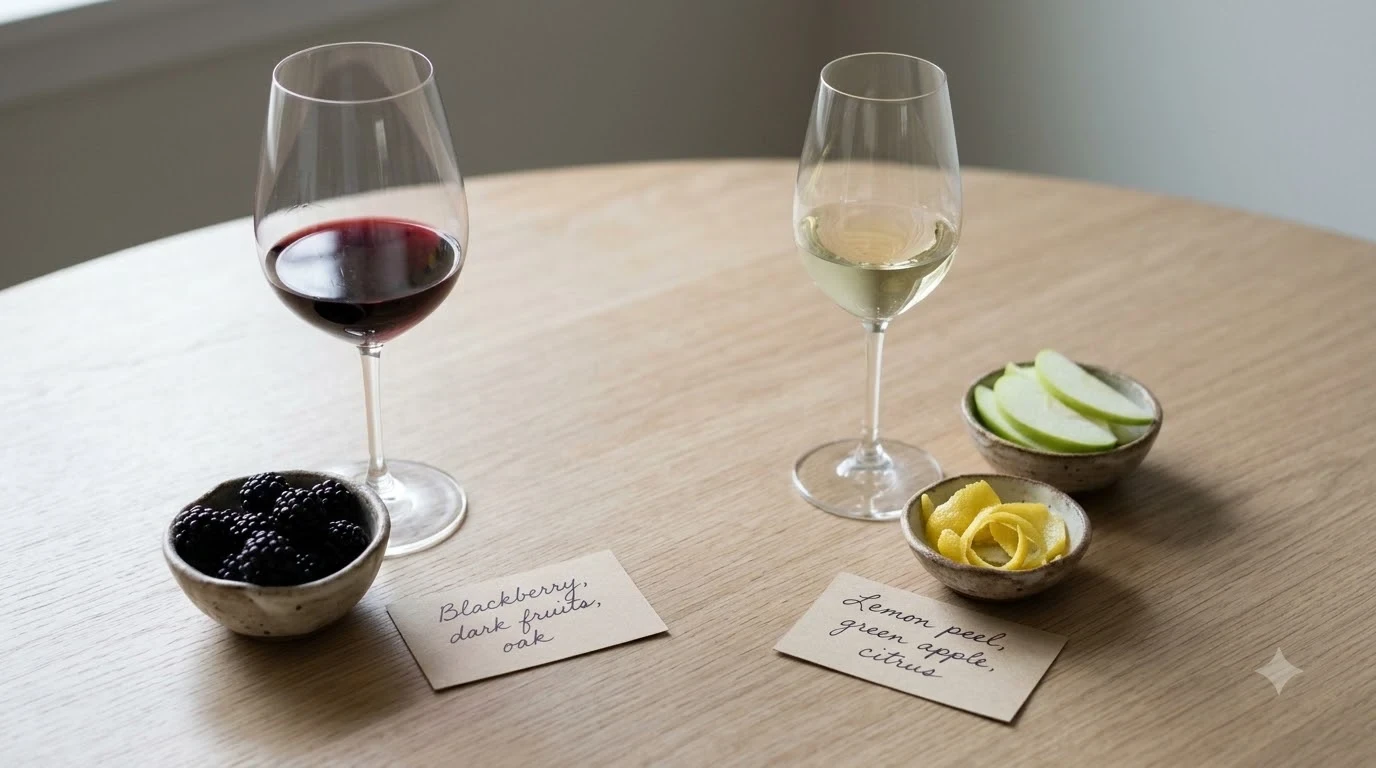
Andre Cold Duck is a sweet, fruit-forward sparkling red with a lighter body and lively carbonation. Blackberry and cherry are familiar flavor references for this style, making it a different experience from a dry, tannic red wine.
The sweetness is one of its defining characteristics. Instead of emphasizing the dry finish and firm tannins associated with Cabernet Sauvignon or Syrah, Cold Duck offers a softer, fruit-led drinking experience. Its bubbles provide freshness, while the sweetness makes the wine approachable for people who prefer less-dry styles.
Blackberry and cherry notes give the wine its recognizable dark-fruit character. These flavors can make it suitable for casual gatherings, dessert-oriented occasions, and simple sparkling wine cocktails. The lighter body also means that it does not have the weight or concentration of a full-bodied still red.
Cold Duck should not be confused with dry sparkling rosé or traditional red wine. Its sweetness and carbonation are central to its identity. Someone expecting a structured red with pronounced oak, firm tannins, and a long dry finish may find the style quite different from what they anticipated.
Another important distinction is the production category. Andre Cold Duck is marketed as California sparkling wine. It is not Champagne from France, and its name does not indicate that it was produced using the traditional Champagne method.
For shoppers exploring the broader range of sparkling products, understanding Andre Spumante alcohol content can also help distinguish the brand’s different expressions. Spumante and Cold Duck are not simply different names for the same wine.
The Czech André Grape: Origins and Growing Region
André is a red wine grape developed in Moravia, in the present-day Czech Republic, in 1960. Its parent varieties are Blaufränkisch and Saint Laurent, and it is particularly associated with the Velkopavlovice wine subregion.
The variety was developed by Jaroslav Horák in Velké Pavlovice. Its name honors Christian Karl André, who founded an association supporting fruit and vine breeding in Brno. This gives the grape a distinctly regional identity connected to the history of Moravian viticulture.
André entered the Czech National Register of Plant Varieties in 1980. According to the Czech National Wine Centre, its recorded vineyard area is 147 hectares, representing approximately 0.9% of the country’s vineyard area in the cited statistics.
Although Velkopavlovice is particularly associated with André, the grape is also cultivated in other Moravian areas, including Slovácko and Mikulov. These regional differences in growing conditions can influence ripeness, fruit expression, and the structure of the finished wine.
André is a medium-to-late-ripening grape. The Czech variety overview describes full maturity as occurring around the middle of October. This relatively late harvest period makes vineyard site selection and the conditions during autumn important considerations for successful grape growing.
The berries are small, blue-black, and thick-skinned, while the clusters are generally small to medium in size and relatively dense. The variety has useful resistance to Botrytis and powdery mildew, although it is less resistant to downy mildew.
These characteristics help explain why André is a specialized regional variety rather than a widely distributed international grape. Its strongest identity remains connected to Moravian winemaking and the traditional red wines of the Czech Republic.
How Andre Red Wine Tastes and Feels
The taste depends on which wine you are buying: Andre Cold Duck is sweet, lightly bodied, and sparkling, whereas Czech André is generally more structured, with dark fruit, acidity, and noticeable tannins.
Flavor profile of Andre Cold Duck
Cold Duck emphasizes accessible fruit flavors rather than complex oak or vineyard characteristics. Blackberry and cherry provide familiar flavor references, while the bubbles contribute a lively sensation on the palate.
The sweetness is particularly important when evaluating this wine. It makes Cold Duck more suitable for people who enjoy sweeter sparkling drinks than for those specifically seeking a dry red. Its relatively light body also distinguishes it from concentrated still reds made from grapes such as Cabernet Sauvignon.
Flavor profile of Czech André
Traditional André wines can show sour cherry, black cherry, blackberry, plum, and black-spice aromas. The Czech National Wine Centre describes well-ripened examples as deeply garnet in color, full and rounded, with ripe tannins developing a smoother texture after barrel maturation.
Young examples can have firmer tannins and noticeable acidity. These structural elements give the wine a more traditional red-wine character and make it particularly suitable for richer foods. With maturation, the tannins can become smoother and the overall palate more harmonious.
Oak aging can add another dimension. Depending on the producer and maturation approach, the wine may develop a rounder texture and more integrated tannins. However, barrel aging is not a requirement for every André wine, and the final style depends on the winemaker’s choices.
Quick comparison of the two wines
| Characteristic | Andre Cold Duck | Czech André |
|---|---|---|
| Wine category | Sparkling red | Still red |
| Origin | California, USA | Moravia, Czech Republic |
| Main fruit notes | Blackberry and cherry | Sour cherry, black cherry, blackberry, plum |
| Sweetness | Sweet | Generally dry in traditional examples |
| Body | Light | Medium to full, depending on ripeness and production |
| Carbonation | Sparkling | Still |
| Tannin | Not a prominent feature | Noticeable, especially when young |
| Typical serving temperature | 40–50°F | 55–60°F for lighter examples; 60–65°F for fuller examples |
| Food pairing | Fruit desserts and casual appetizers | Game, dark meat, hearty dishes, blue cheese |
The comparison shows why the complete name matters. A shopper choosing between these styles is not simply choosing between two labels. The wines offer different experiences, and their food pairings and serving temperatures should reflect those differences.
Best Food Pairings for Andre Red Wine
Andre Cold Duck works best with food that complements its sweetness and fruitiness, while Czech André is particularly suited to game, roasted dark meat, hearty dishes, and mature blue cheeses. Matching the food to the wine’s actual style produces a more balanced meal.
Pairing Andre Cold Duck
Because Cold Duck is sweet and sparkling, it can accompany foods that are difficult to match with a dry, tannic red. Fruit-based desserts are a natural starting point, especially cherry tarts, berry pastries, and fresh fruit dishes.
Chocolate desserts can also work, particularly when the dessert is not excessively bitter. A wine should generally be at least as sweet as the dessert being served. If the dessert is considerably sweeter than the wine, the wine may seem more acidic or less flavorful by comparison.
For savory appetizers, consider mild cheeses, simple crackers, fruit platters, and lightly seasoned finger foods. Avoid excessively hot dishes because alcohol can amplify the sensation of chili heat. Sweetness may soften some spicy impressions, but it does not eliminate the effect of alcohol.
Pairing Czech André
Traditional André is better suited to substantial dishes. The Czech National Wine Centre specifically recommends game, dark meat, hearty meals, and mature blue cheeses.
Roast beef is a particularly practical option. Its richness and savory character work with the wine’s tannins and dark-fruit flavors. Slow-cooked beef, venison stew, and roasted lamb are other appropriate choices.
Blue cheese provides another useful pairing because salt and fat can soften the perception of tannin. The contrast between the wine’s dark fruit and the cheese’s strong savory character also makes the combination interesting.
For a simpler meal, try mushroom pasta, grilled sausages, or roasted vegetables served with a savory sauce. These dishes can complement the wine without overwhelming its fruit character.
Foods to approach carefully
Very spicy food is not the easiest match for tannic red wines. Chili heat can become more noticeable when combined with alcohol and tannin, so heavily spiced dishes may make a young André taste harsher.
Oily fish is another challenging match for tannic red wine. The combination can create an unpleasant metallic impression. If fish is on the menu, a crisp white wine is usually a better starting point than a structured André red.
Tip: Choose the pairing according to the bottle’s style. Serve Andre Cold Duck with fruit desserts or mild appetizers, and reserve Czech André for roast beef, game, hearty mushroom dishes, and mature blue cheese.
Serving Temperature, Glassware, and Storage
Andre Cold Duck should be served well chilled at approximately 40–50°F, while still Czech André generally benefits from a warmer serving temperature of 55–65°F depending on its body. Temperature influences how sweetness, acidity, fruit, and tannin are perceived.
For Cold Duck, refrigeration before serving helps maintain freshness and keeps the bubbles lively. A standard sparkling wine glass is appropriate, although a white wine glass can also work when you want to focus more on the fruit aromas.
A flute emphasizes the bubbles, but its narrow opening can make aromas less accessible. For casual drinking, either style is acceptable. The important point is to serve the wine cold rather than allowing it to warm significantly on the table.
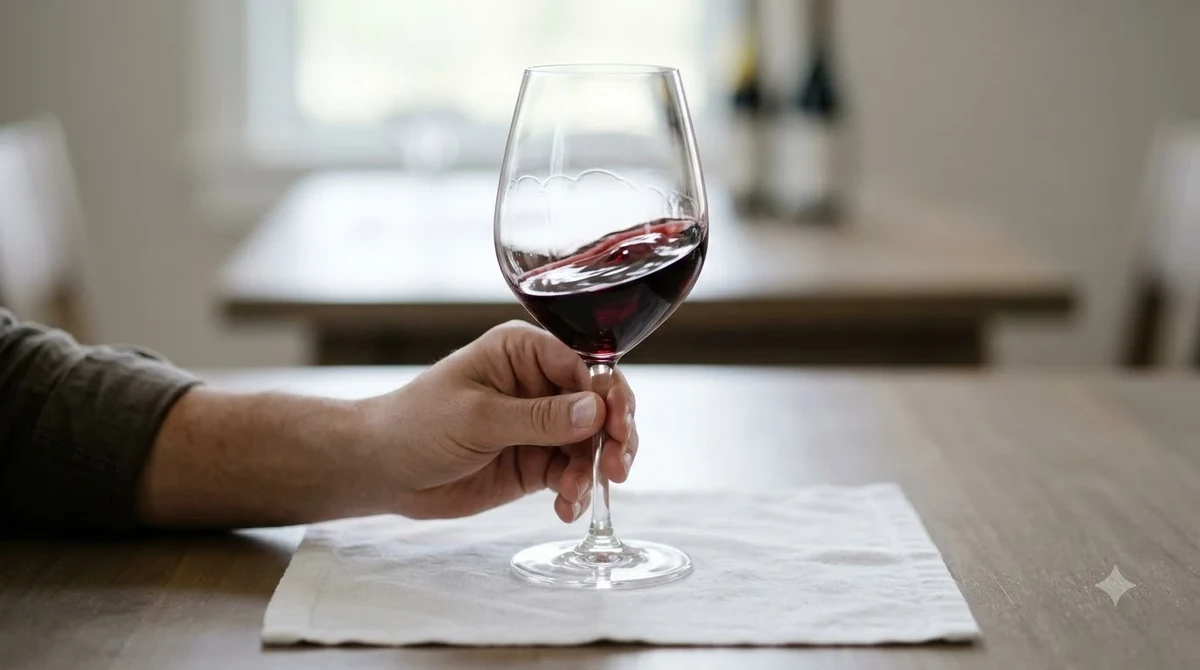
For Czech André, a regular red wine glass with enough room for swirling is a better choice. The wider bowl allows the aromas of cherries, blackberries, plum, and spice to develop. Lighter examples can be served toward the lower end of the red-wine temperature range, while fuller wines benefit from slightly warmer service.
Recommended temperatures
| Wine style | Serving temperature |
|---|---|
| Andre Cold Duck | 40–50°F |
| Light Czech André | 55–60°F |
| Fuller-bodied Czech André | 60–65°F |
| General light red wines | 55–60°F |
| General full-bodied red wines | 60–65°F |
Storage also depends on the style. Unopened bottles of still André should generally be kept in a cool, dark place near 55°F, away from direct sunlight and large temperature fluctuations. Bottles with cork closures are traditionally stored horizontally to keep the cork from drying out.
Once opened, still red wine generally remains enjoyable for approximately three to five days when properly resealed and refrigerated. Sparkling wine loses carbonation more quickly, so Andre Cold Duck is best consumed within one to three days after opening when kept cold and sealed with an appropriate sparkling wine stopper.
There is usually no reason to decant Cold Duck. For a young, full-bodied Czech André, however, allowing 30–60 minutes of aeration may help soften the initial impression of tannin and release more developed aromas.
Alcohol Content and Choosing the Right Andre Bottle
Andre Cold Duck and Czech André should be evaluated separately when comparing alcohol content because they are different wine categories and do not share one universal alcohol percentage. The exact figure depends on the specific bottling and producer.
Andre’s sparkling range includes several expressions, such as Cold Duck, Brut, Brut Rosé, Extra Dry, Spumante, and Moscato variations. The brand’s products do not all have identical sweetness or alcohol levels.
For example, published technical information for Andre Extra Dry lists an alcohol level of 10.3% ABV. This figure belongs to that specific Extra Dry product and should not automatically be applied to Cold Duck or other Andre expressions.
For a more complete comparison of the brand’s different bottles, see Andre wine alcohol content. The distinction between individual expressions is important because sweetness and alcohol are separate characteristics. A wine that tastes sweeter does not necessarily have a higher alcohol percentage.
Choosing between the different expressions
Andre Brut is the option to consider if you prefer a drier sparkling style. Brut generally contains less residual sugar than Extra Dry, despite what the name might suggest to someone unfamiliar with sparkling wine terminology.
Extra Dry offers a slightly sweeter experience, while Spumante is generally associated with a sweeter sparkling style. Moscato variations tend to emphasize aromatic fruit and sweetness. Cold Duck is the relevant choice when you specifically want a sparkling red wine.
These distinctions are useful when shopping for a celebration. A person who enjoys dry sparkling wine may prefer Brut, while someone who likes sweeter fruit-forward drinks may find Cold Duck or a Moscato expression more appealing.
If you are exploring the broader selection of labels and styles, the Wine Brands section can provide additional context for comparing producers and their different wine categories.
How much wine is in a bottle?
A standard 750 ml bottle contains approximately five conventional 5-ounce servings. That makes it useful to estimate the number of glasses needed when planning a gathering.
For sparkling wine, allow enough room in the glass to accommodate the bubbles. Pouring slowly down the side of the glass can help reduce excessive foam and make serving easier.
When selecting a bottle, focus on the style, sweetness, and intended occasion first. A sweet sparkling red and a dry still red serve different purposes, even if their names look similar on a shopping list.
Frequently Asked Questions
Is André related to the Czech wine grape Blaufränkisch?
Yes. André was created by crossing Blaufränkisch with Saint Laurent in Moravia in 1960. Its parentage helps explain its dark-fruit character and noticeable tannin structure, although the finished wine has its own distinct identity.
Why is the Czech André grape named after Christian André?
The variety honors Christian Karl André, who founded an association supporting fruit and vine breeding in Brno. The name connects the grape to the historical development of agricultural and viticultural research in the region.
Can André grapes be used to make rosé wine?
Yes. Red grapes can be used to produce rosé through controlled skin contact, with shorter contact generally producing a lighter color. The André variety is suitable for red and rosé winemaking, although its best-known identity is as a Moravian red grape.
Does the name Cold Duck refer to a particular sparkling wine tradition?
Cold Duck is a historical sparkling wine style associated with blends of red and white wines, rather than a grape variety. The name became associated with sparkling red wines and celebratory drinking, particularly in the American market.
Can Czech André wine be aged in a cellar?
Some examples have the structure to benefit from bottle aging, particularly wines with concentrated fruit and firm tannins. Their development depends on grape ripeness, acidity, winemaking, and storage conditions. A well-made, structured André is generally a more suitable aging candidate than a simple, early-drinking red.
Andre red wine can mean two quite different things: sweet California Cold Duck or a traditional Czech red made from the André grape. Understanding the distinction helps you select the right bottle, match it with suitable food, and serve it at the proper temperature. Whether you prefer sparkling blackberry and cherry flavors or a structured Moravian red, the best choice is the one that matches your preferred wine style and occasion.
More in Wine Brands
 Underwood Wine Price: Compare Bottles, Cans, and Pack SizesUpdated Nov 21, 2026
 Zenato Wine Price: Compare Styles and Choose the Right BottleUpdated Nov 21, 2026
 Zuccardi Wine Price: Compare Bottles and Find the Right RangeUpdated Nov 21, 2026
 Yellow Tail Moscato Review: Taste, Sweetness and Serving TipsUpdated Nov 21, 2026
 Wolf Blass Yellow Label Review: Choose Your Best StyleUpdated Nov 21, 2026
 Wolffer Estate Rose Review: Choose the Right Bottle for Your TableUpdated Nov 21, 2026