


We may earn a commission when you buy through links on this page, at no extra cost to you. Learn more.
Apothic Crush tasting notes reveal a smooth, fruit-forward California red blend with black cherry, raspberry, caramel, and milk chocolate flavors, supported by soft tannins and a velvety finish. Its noticeable fruit sweetness and rounded texture make it approachable for people who prefer softer reds over dry, highly tannic wines. A serving temperature of 55–60°F helps preserve its fruit aromas while keeping its richer flavors balanced.
Apothic Crush occupies a distinctive place in the Apothic lineup because it emphasizes ripe fruit, sweet-smelling aromas, and a smooth mouthfeel rather than the firm structure associated with traditional Cabernet Sauvignon or other tannic reds. It works particularly well for casual dinners, cheese boards, and fruit-based desserts. Understanding its grape composition, sweetness, aroma, and serving requirements makes it easier to decide whether this California blend suits your preferences.
Apothic Crush Flavor Profile: Fruit, Chocolate, and Caramel
Apothic Crush is a fruit-forward red blend with prominent black cherry and raspberry flavors, accompanied by caramel and milk chocolate aromas. Its defining characteristic is the combination of ripe berry fruit and a soft, rounded texture.
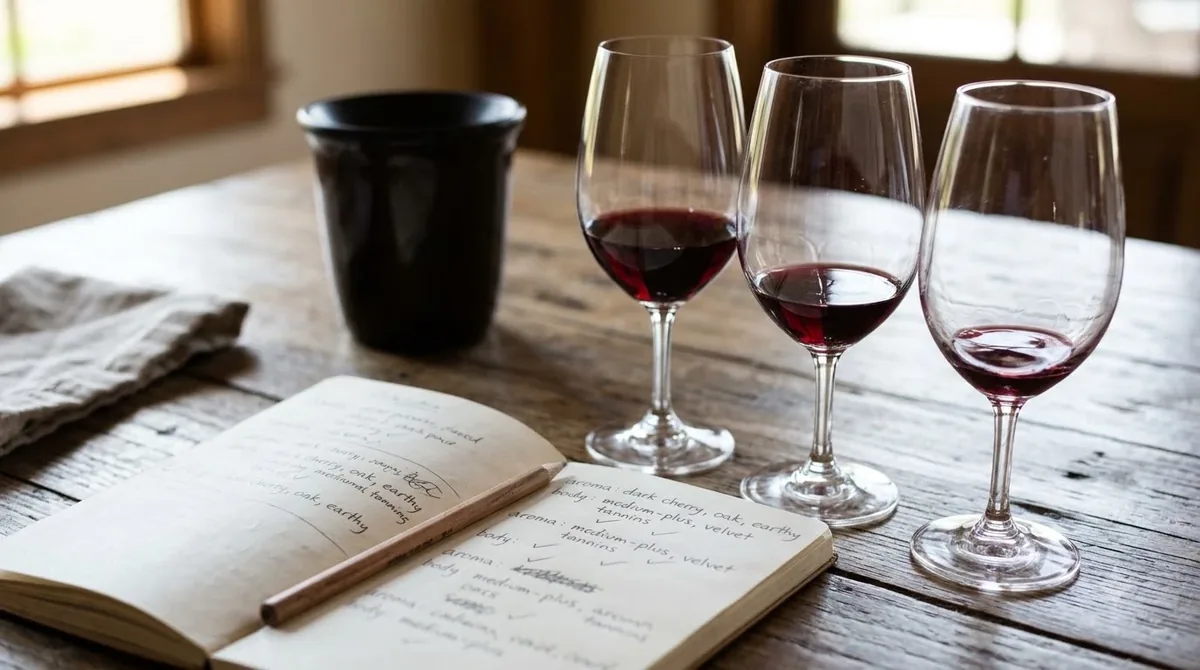
The producer describes Crush as a soft blend with dark black-fruit notes, particularly black cherry and raspberry. These flavors create an inviting first impression without the aggressive tannin or sharp acidity associated with some more structured red wines. The fruit profile is generous, making the wine relatively easy to understand even for someone who is still exploring red wine styles.
Black cherry provides the darker, richer side of the flavor profile. It can suggest ripe cherries, concentrated berry fruit, and a slightly jammy impression. Raspberry contributes a brighter fruit character that keeps the wine from seeming entirely heavy or one-dimensional. Depending on the bottling and individual palate, drinkers may also recognize blackberry, blueberry, or mixed berry jam.
The secondary aromas add another layer. Caramel and milk chocolate are two of the producer’s specifically identified characteristics. Rather than tasting like a dessert wine, Crush uses these sweet-smelling impressions to complement its ripe fruit. The chocolate character can remind drinkers of cocoa, chocolate cream, or a soft chocolate confection, while caramel contributes a rounded, almost toffee-like impression.
These aromas and flavors should be understood as tasting impressions rather than evidence that the wine contains added caramel or chocolate. They can develop from grape ripeness, fermentation choices, and winemaking influences. The producer’s public description identifies the aromas but does not provide a complete technical explanation of their origin.
The overall impression is plush and approachable. Fruit comes forward first, followed by sweeter aromatic notes and a smooth finish. This makes Crush particularly appealing to drinkers who enjoy ripe California reds with a softer presentation.
Grape Varieties and the California Blend
Apothic Crush is a California red blend rather than a single-variety wine. A documented 2022 bottling combines Petite Sirah, Zinfandel, Pinot Noir, and select additional varieties, with each component contributing a different part of the finished flavor profile.
Wine.com’s listed 2022 blend provides a useful example of how the wine is constructed. Its percentages identify the three principal named grapes and a smaller category of additional varieties.
| Grape variety | Percentage | Contribution |
|---|---|---|
| Petite Sirah | 34% | Dark fruit, blackberry, blueberry, and structure |
| Zinfandel | 31% | Ripe raspberry and generous fruit character |
| Pinot Noir | 21% | Black cherry and expressive berry notes |
| Select varieties | 14% | Additional blending components |
| Total | 100% | Combined red wine blend |
Petite Sirah accounts for the largest named portion of this particular blend. This grape is known for producing deeply colored wines with concentrated dark-fruit flavors and substantial tannin. In Crush, its contribution provides a foundation for the richer blackberry and blueberry impressions. The softer overall presentation prevents those characteristics from dominating the entire experience.
Zinfandel represents the second-largest named component at 31%. California Zinfandel is frequently associated with ripe berry flavors and a generous fruit profile. Here, it helps explain the raspberry character that distinguishes Crush from darker, more austere red blends.
Pinot Noir makes up 21% of the documented formula. Compared with Petite Sirah, Pinot Noir generally has lower tannin and can offer more delicate red-fruit characteristics. Its black cherry and berry notes complement the darker fruit from the other varieties.
The remaining 14% consists of select varieties. This category matters because the finished wine is not simply a fixed combination of three grapes. Blending gives the producer room to adjust the wine’s overall balance and maintain a recognizable house style.
These percentages describe the documented 2022 bottling, not necessarily every release of Apothic Crush. Vintage and production changes can affect the composition, so the figures should not be treated as a permanent formula.
For more information about other expressions from the producer, compare these Apothic Red tasting notes and Apothic Inferno tasting notes. They help illustrate how different grape combinations and production approaches create distinct drinking experiences within the same brand.
Sweetness, Acidity, Tannin, and Body
Apothic Crush tastes noticeably fruit-sweet and soft, making it a good choice for people who dislike strongly tannic or austere reds. Its ripe fruit character and smooth mouthfeel are more prominent than sharp acidity or drying tannin.
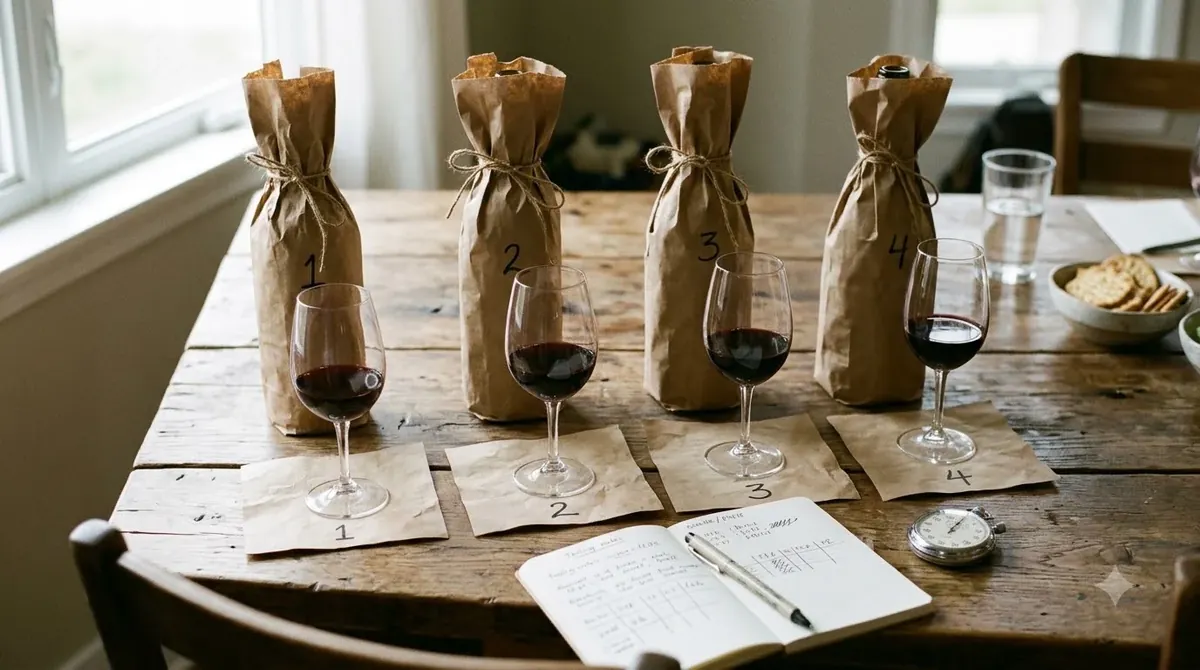
Sweetness is one of the most frequently discussed aspects of Crush. Wine Enthusiast’s review of the 2016 bottling described noticeable sweetness and compared its flavor impression to maple syrup. This is useful evidence of how an earlier release presented itself, although it should not be treated as a laboratory measurement of residual sugar or a guarantee that every bottling tastes identical.
It is important to distinguish perceived sweetness from actual residual sugar. Ripe black cherry, raspberry, caramel, and chocolate aromas can make a wine seem sweeter than its measured sugar content would suggest. Alcohol and fruit concentration can also contribute to a rounded impression.
The body is best understood as medium to medium-full in practical drinking terms. Crush has enough weight to accompany substantial foods such as burgers and grilled meats, but its soft texture makes it less demanding than a heavily structured Cabernet Sauvignon. The fruit profile remains central rather than being dominated by firm tannins.
Tannin is another important consideration. Petite Sirah is naturally capable of producing structured, tannic wines, but the final blend includes Pinot Noir and Zinfandel as well. The producer describes Crush as silky, and Wine.com specifically identifies soft, fine tannins in its 2022 description.
Acidity provides freshness, although Crush is not primarily marketed as a high-acid red. Its ripe fruit character makes it feel rounder than wines such as Pinot Noir or many lighter Italian reds. This difference becomes particularly noticeable when comparing it with wines designed around freshness and savory complexity.
The following table summarizes the practical drinking profile:
| Characteristic | Typical impression | What it means in the glass |
|---|---|---|
| Sweetness | Noticeable fruit sweetness | Ripe, generous berry impression |
| Body | Medium to medium-full | Rounded, substantial mouthfeel |
| Tannin | Soft to moderate | Less drying than highly structured reds |
| Acidity | Moderate impression | Supports fruit without dominating |
| Fruit intensity | Pronounced | Black cherry, raspberry, and dark berries |
| Finish | Silky and smooth | Lingering fruit with caramel and chocolate impressions |
One useful comparison is the difference between Crush and a traditional dry red. Cabernet Sauvignon generally has high tannin and a firmer structure. Merlot usually offers medium tannin and a softer presentation, while Pinot Noir typically combines low-to-medium tannin with higher acidity. Crush brings together characteristics from multiple varieties rather than following just one of these profiles.
For drinkers who enjoy sweet-smelling reds but still want a wine with recognizable red-wine structure, this combination can be appealing. Those who prefer bone-dry wines with pronounced acidity may find Crush too fruit-forward.
Serving Temperature, Glassware, and Storage
Serve Apothic Crush at approximately 55–60°F to emphasize its berry aromas while maintaining a refreshing balance. A short period of chilling is generally more useful than serving the wine warm at typical indoor room temperature.
Red wine is often served too warm, particularly in heated homes. Excessive warmth can make alcohol seem more prominent and cause the wine’s softer fruit character to feel heavy. A modest chill helps keep the black cherry, raspberry, and caramel impressions more defined.
If the bottle has been stored at room temperature, place it in the refrigerator briefly before serving. The precise chilling time depends on the starting temperature and refrigerator conditions. Pour a small sample and allow the wine to warm slightly in the glass if its aromas initially seem muted.
A standard red wine glass with a moderately wide bowl is a practical choice. It provides room for swirling and allows the aromas to gather above the wine. A universal wine glass also works well, so specialized glassware is unnecessary for enjoying this approachable blend.
Crush generally does not require extended decanting. Unlike a young, highly structured Cabernet Sauvignon that may benefit from 30–60 minutes of aeration, this softer blend can usually be opened and poured directly. A brief period in the glass may allow its fruit and chocolate-like aromas to become more expressive.
Tip: Chill Apothic Crush slightly before serving, aim for 55–60°F, and pour a standard 5 oz serving. If the first glass seems too cool, give it a few minutes in the glass rather than warming the entire bottle.
For storage, keep unopened bottles away from direct sunlight, temperature fluctuations, and strong heat sources. A cool storage environment near 55°F is a useful target. Bottles with natural cork closures should generally be stored on their sides to keep the cork from drying out.
Once opened, reseal the bottle and place it in the refrigerator. Most still wines retain their best qualities for approximately 3–5 days under proper refrigeration, although fruit aromas and texture can gradually change. Bring the wine back toward its preferred serving temperature before pouring another glass.
Best Food Pairings for Apothic Crush
Apothic Crush pairs particularly well with aged cheeses, grilled meats, burgers, barbecue dishes, and fruit-forward desserts. Its ripe berry flavors and soft tannins complement rich foods without requiring the structure of a more powerful dry red.
Cheese is one of the easiest places to start. Aged cheddar, Gouda, and other mature cheeses have enough richness and savory character to balance the wine’s fruit-forward profile. Salt and fat can soften the perception of tannin, making the combination feel rounder and more harmonious.
A cheese board with aged cheddar, crackers, walnuts, and dried cherries is a practical serving option. The cheese supplies savory depth, while the fruit echoes the raspberry and black cherry notes. Avoid making the board entirely sweet, since too many sugary components can make the wine seem less balanced.
Grilled meats also work well. Beef burgers, grilled sausages, and barbecue ribs have enough richness to complement the blend’s fuller fruit character. The caramel and chocolate aromas can create an appealing connection with charred or browned food surfaces.
For a casual dinner, consider a cheeseburger with caramelized onions or a barbecue burger with a moderate amount of sauce. The meat’s savory flavor provides contrast, while the soft tannins make the pairing less demanding than one involving a highly tannic red.
Pizza is another practical option. Pepperoni, sausage, and mushroom toppings bring salt, fat, and savory flavors that complement the fruit. A tomato-based sauce can work, although especially acidic sauces may make a softer red seem less balanced.
Desserts require a little more attention. The producer specifically recommends fruit-forward desserts such as cherry cobbler. This is a sensible pairing because cherry flavors connect with the wine’s black cherry character. A dessert that is sweeter than the wine, however, can make the wine taste sour or less flavorful.
Chocolate desserts can also be considered, particularly preparations with dark chocolate and restrained sweetness. The milk chocolate and caramel aromas in Crush provide a natural aromatic connection, although a very sweet chocolate cake may overwhelm the wine.
Spicy food is less suitable. Alcohol and tannin can amplify chili heat, so heavily spiced dishes may make the wine seem hotter and less balanced. If serving it with barbecue, choose a moderately seasoned preparation rather than one dominated by hot peppers.
Oily fish is another pairing to approach carefully. Tannic red wines can clash with oily fish, and the combination may leave an unpleasant impression. For salmon or richer seafood dishes, a suitable white wine or a lighter, lower-tannin red is generally a safer choice.
For a broader look at alternative fruit-forward blends, the Dreaming Tree Crush tasting notes offer another useful comparison. You can also explore more producers and styles through the Wine Brands section.
Alcohol Content, Bottle Size, and Professional Reviews
Apothic Crush has been listed at different alcohol levels across bottlings, so vintage-specific information matters. Wine.com lists the 2022 release at 13.9% ABV, while Wine Enthusiast recorded 14.5% ABV for its 2016 review.
This difference illustrates why alcohol figures from older reviews should not automatically be applied to a newer bottle. Grape ripeness, blending decisions, and production specifications can change between releases. The 13.9% figure is useful for understanding the documented 2022 bottling, while 14.5% belongs specifically to the reviewed 2016 wine.
The standard bottle size in both published records is 750 ml. Using a conventional 5 oz serving, a full bottle contains approximately five glasses. This is a useful planning figure when organizing a dinner or putting together a small gathering.
Professional reviews also provide some historical context. Wine Enthusiast awarded the 2016 Apothic Crush 84 points and described it as a commercial-style red blend with a chocolaty aroma, noticeable sweetness, and a soft mouth-coating texture. The reviewer also compared its flavor impression to maple syrup.
That assessment offers an independent perspective on the wine’s earlier style. It supports the impression that Crush is designed around accessible fruit and sweetness rather than a restrained, austere profile. However, the score applies to that specific reviewed bottling, not every release carrying the Crush name.
Wine Enthusiast explains that its buying-guide wines are generally evaluated blind in peer-group flights of five to eight samples. This gives readers some context for understanding how the publication approaches professional wine assessment.
For additional product details, the Wine.com Apothic Crush 2022 listing provides the documented blend percentages, grape descriptions, and alcohol information. Its technical details are particularly useful when comparing a specific bottling with older reviews.
The producer’s own Apothic Crush product description provides another useful reference for the intended flavor profile and recommended food pairings. It identifies the signature black cherry, raspberry, caramel, and milk chocolate characteristics.
Who Should Choose Apothic Crush?
Apothic Crush is best suited to drinkers who enjoy ripe fruit, noticeable sweetness, soft tannins, and chocolate-like aromas. It is especially approachable for casual occasions where an easy-drinking California red is more important than complex structure or pronounced acidity.
People who are new to red wine may appreciate its recognizable flavors. Black cherry, raspberry, and caramel are familiar impressions that do not require extensive wine knowledge to identify. Its smooth texture also makes it less challenging than some reds with aggressive tannin or pronounced earthy characteristics.
Fans of fruit-forward California wines may find Crush particularly appealing. The blend combines varieties with different strengths, creating a style that emphasizes ripe fruit and a rounded finish. It can be served during a relaxed dinner, shared over a cheese board, or poured alongside a burger and grilled vegetables.
However, it may not satisfy everyone. Drinkers who prefer dry, restrained reds with high acidity and firm tannins may find the wine too soft or sweet-tasting. Someone looking for a traditional Cabernet Sauvignon experience should consider a different style.
It is also useful to distinguish Crush from other wines in the Apothic collection. Apothic Red is another fruit-forward blend, while Apothic Inferno is associated with a whiskey-barrel-finished style. Crush has its own identity, built around its soft texture, black cherry and raspberry flavors, and caramel-chocolate aromas.
When choosing between these wines, consider the occasion and the food. Crush is a natural option for a casual gathering or a dessert-friendly cheese board. A more structured red may be preferable for a substantial steak dinner, while a brighter, lighter wine may suit delicate dishes better.
The most useful way to assess Crush is to focus on its intended style rather than expecting it to resemble a traditional dry Bordeaux blend or an elegant Burgundy Pinot Noir. It is a fruit-led California red designed to provide an accessible and consistent flavor experience.
Frequently Asked Questions
Is Apothic Crush the same wine as Apothic Red?
No. Apothic Crush and Apothic Red are separate red blends within the Apothic collection. Their grape compositions and individual flavor profiles differ, so they should not be treated as interchangeable names for the same wine. Crush is particularly associated with black cherry, raspberry, caramel, and milk chocolate characteristics.
Does Apothic Crush contain sulfites?
Apothic Crush is a wine, and sulfites are commonly present in wine as naturally occurring fermentation byproducts or through permitted winemaking additions. The exact sulfite concentration is not established by the tasting descriptions discussed here. Bottled wine labeling and applicable regulations provide additional information about sulfite declarations.
Does Apothic Crush need to breathe before drinking?
Extended aeration is generally unnecessary for this soft, fruit-forward blend. Unlike some young, highly concentrated reds, Crush can be poured shortly after opening. If its aromas initially seem restrained, allowing the wine to sit in the glass for approximately 5–10 minutes can help release its fruit and chocolate-like impressions.
Can Apothic Crush be used in cooking?
Yes. A fruit-forward red blend can be used in certain savory preparations, including tomato-based sauces, beef braises, and red-wine reductions. Its noticeable fruit sweetness means that recipes should be adjusted to avoid making the finished sauce overly sweet. It is generally more suitable for richer savory dishes than delicate seafood preparations.
Is Apothic Crush a vintage-specific wine?
Apothic Crush has been documented in multiple vintage-specific releases, including 2015, 2016, and 2022 bottlings. The published blend composition and alcohol figures can differ between releases. Consequently, a review or technical description of one vintage should not automatically be applied to another bottle.
Apothic Crush stands out for its black cherry and raspberry fruit, caramel and milk chocolate aromas, and smooth, approachable texture. Serve it slightly chilled with aged cheese, grilled meats, or cherry cobbler to make the most of its fruit-forward character. For anyone who enjoys softer California reds with generous fruit flavors, it is a distinctive style worth understanding.
More in Wine Brands
 Villa Maria Wine Price: Compare Bottles and Find Better ValueUpdated Nov 21, 2026
 Underwood Wine Review: How to Pick the Right Bottle or CanUpdated Nov 21, 2026
 Villa Sandi Wine Price: Compare Bottles and Find the Right WineUpdated Nov 21, 2026
 Veuve Clicquot Yellow Label Review: How to Choose and Enjoy This ChampagneUpdated Nov 21, 2026
 Villa Maria Wine Review: Find the Right New Zealand BottleUpdated Nov 21, 2026
 Vega Sicilia Wine Review: Choose the Right Spanish WineUpdated Nov 21, 2026