

We may earn a commission when you buy through links on this page, at no extra cost to you. Learn more.
7 deadly zins alcohol content is typically 15% alcohol by volume (ABV), making this Lodi Old Vine Zinfandel a relatively high-alcohol red wine. A standard 5-ounce glass contains approximately 0.75 fluid ounces of pure alcohol, while a 750 ml bottle contains approximately 3.8 fluid ounces. Its substantial alcohol level contributes to its full-bodied character and complements its concentrated blackberry, dark fruit, and spice flavors.
If you are considering a bottle of 7 Deadly Zins, understanding its alcohol percentage helps you compare it with other red wines, estimate the alcohol in each pour, and choose appropriate serving temperatures and food pairings. The wine’s bold Zinfandel character makes it especially interesting for people who enjoy rich California reds, but its 15% ABV deserves attention when planning a meal or pouring glasses for guests.
What Is the Alcohol Content of 7 Deadly Zins?
7 Deadly Zins Old Vine Zinfandel typically contains 15% alcohol by volume. This places it toward the higher end of the range commonly encountered in American red wines, particularly compared with lighter-bodied wines around 12% to 13.5% ABV.
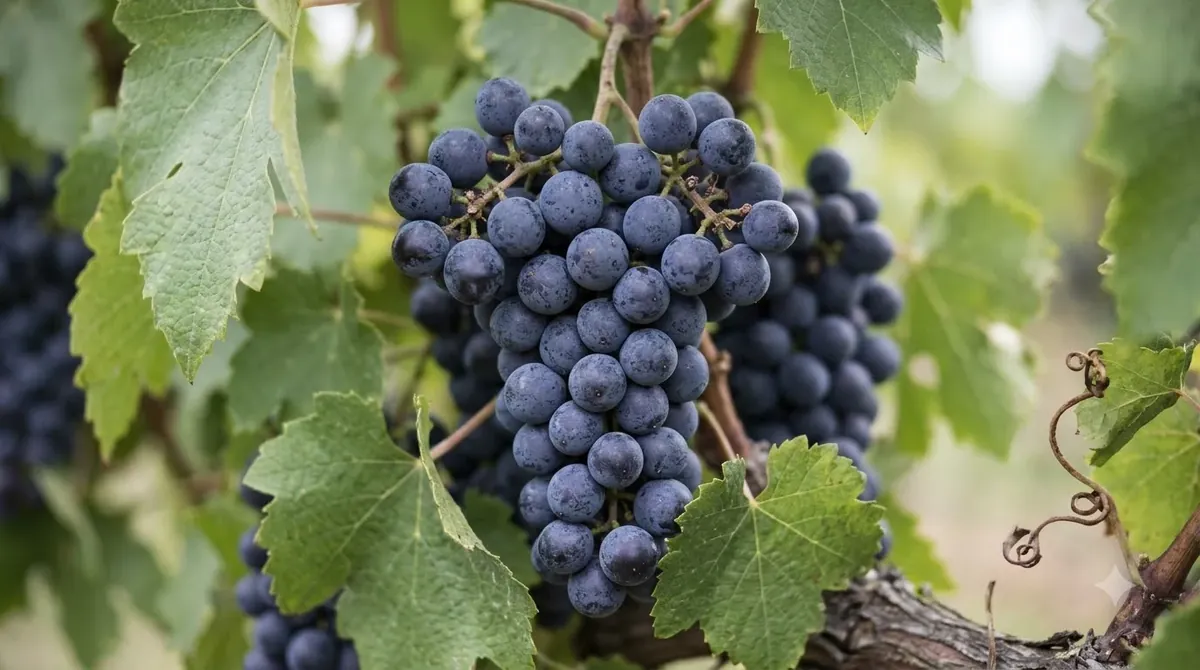
The producer’s technical information for its 2017 Lodi vintage specifies 15.0% alcohol, and independent listings for the 2020 vintage also report 15%. Retailer listings independently confirm the same typical percentage. This consistency makes 15% a useful figure when estimating the strength of a standard bottle.
The wine is made around the character of Zinfandel, a California red grape known for ripe fruit flavors, spice, and substantial alcohol in warmer growing regions. Its Lodi origins are particularly relevant because the region produces richly flavored Zinfandels with ripe fruit characteristics. The combination of grape variety, growing conditions, and winemaking decisions helps explain why 7 Deadly Zins reaches 15% ABV.
It is important to distinguish alcohol percentage from the impression of strength on the palate. A wine can taste smooth, fruity, and relatively soft while still containing substantial alcohol. The dark berry fruit, rounded texture, and oak-related flavors in 7 Deadly Zins can make its alcohol less immediately obvious than in a leaner or sharper red wine.
For a useful comparison, consider these approximate alcohol levels:
- Light-bodied red wines: approximately 11.5% to 13% ABV.
- Many medium-bodied red wines: approximately 12.5% to 14% ABV.
- Full-bodied California reds: approximately 13.5% to 15% ABV.
- 7 Deadly Zins: typically 15% ABV.
- Some particularly powerful Zinfandels: 15% ABV or higher.
These are broad stylistic ranges rather than strict rules. Individual bottles can differ, but 15% places 7 Deadly Zins firmly in the stronger category for everyday table wine.
The producer’s 7 Deadly Zins technical and tasting information provides a useful reference for the 2017 vintage, including its alcohol percentage, acidity, and flavor description.
What Does 15% ABV Mean in a Glass or Bottle?
ABV measures the percentage of a beverage’s total volume that consists of pure alcohol. At 15% ABV, approximately 15% of the liquid volume in 7 Deadly Zins is ethanol, meaning a larger proportion of each glass is alcohol than in a typical 12% red wine.
For practical purposes, a 5-ounce serving contains approximately 0.75 fluid ounces of pure alcohol. A full 750 ml bottle contains approximately 112.5 ml of pure alcohol, equivalent to approximately 3.8 US fluid ounces.
Here is how the numbers work for common serving sizes:
| Serving size | Wine volume | Pure alcohol at 15% ABV |
|---|---|---|
| Small pour | 3 oz | 0.45 fl oz |
| Standard wine pour | 5 oz | 0.75 fl oz |
| Large pour | 6 oz | 0.90 fl oz |
| Generous pour | 8 oz | 1.20 fl oz |
| Full bottle | 750 ml | 112.5 ml |
The calculations use the standard ABV formula: serving volume multiplied by 0.15. For example, 5 ounces multiplied by 0.15 equals 0.75 fluid ounces of pure alcohol.
A 750 ml bottle holds approximately 25.4 US fluid ounces. Dividing that volume into five equal servings produces glasses of approximately 5.1 ounces each. This is why a standard bottle is commonly described as providing about five glasses of wine.
For comparison, a 5-ounce glass of wine at 12% ABV contains approximately 0.6 fluid ounces of pure alcohol. The same serving of 7 Deadly Zins contains 0.75 fluid ounces. That is 25% more pure alcohol in an equal-volume pour.
This difference matters when comparing wines that appear similar in the glass. Two 5-ounce pours may look identical, but their alcohol content can vary considerably depending on their ABV.
Tip: Use a measuring cup or wine pourer to check your serving size. A large 8-ounce pour of 7 Deadly Zins contains 1.2 fluid ounces of pure alcohol, considerably more than a 5-ounce serving.
How 7 Deadly Zins Compares With Other Red Wines
At 15% ABV, 7 Deadly Zins is stronger than many popular red wine styles. Its alcohol percentage is particularly noticeable when compared with lighter Pinot Noir or some Merlot wines, although it is not unusual among ripe California Zinfandels.
Alcohol levels depend on grape variety, climate, harvest decisions, and winemaking techniques. The following comparison gives a general idea of where 7 Deadly Zins sits among familiar red wines.
| Red wine style | Typical ABV range | Relative to 7 Deadly Zins |
|---|---|---|
| Pinot Noir | 12%–14% | Usually lower |
| Merlot | 13%–14.5% | Often lower |
| Cabernet Sauvignon | 13.5%–15% | Comparable in some bottles |
| Malbec | 13%–15% | Can be comparable |
| Syrah | 13.5%–15% | Can be comparable |
| Zinfandel | 14%–16% | Typical for the style |
| 7 Deadly Zins | 15% | Reference wine |
These ranges are approximate and vary by region and producer. A cool-climate Pinot Noir may have substantially less alcohol than a ripe California Zinfandel, while a warm-climate Syrah or Cabernet Sauvignon can reach a similar percentage.
For example, Pinot Noir is generally recognized for its relatively delicate tannins and high acidity. Its lighter structure often makes it feel less powerful than a full-bodied Zinfandel. Merlot typically has medium tannins and a softer texture, whereas Cabernet Sauvignon generally has more pronounced tannins.
7 Deadly Zins sits closer to the richer end of the red wine spectrum. Its 15% ABV and concentrated fruit profile make it a better comparison with other full-bodied California reds than with delicate European-style Pinot Noir.
If you are comparing wines by alcohol percentage, the Black Box Pinot Grigio alcohol content article offers another useful reference. Pinot Grigio generally represents a lighter white wine style, so comparing its ABV with a full-bodied Zinfandel helps illustrate how different wine categories can vary in strength.
Why Zinfandel Can Reach 15% Alcohol
Zinfandel can produce relatively high-alcohol wines because the grape often reaches considerable ripeness in warm California growing regions. As grapes ripen, their sugar levels increase, providing the fermentable material that yeast converts into alcohol.
Lodi, the California appellation associated with 7 Deadly Zins, is particularly recognized for Zinfandel production. The producer’s information identifies the wine as an Old Vine Zinfandel from this region and describes the use of seven certified sustainable vineyards for the inaugural release.
Several factors contribute to the final alcohol percentage.
Grape Ripeness and Natural Sugar
Grape sugar is the main source of alcohol during fermentation. Riper grapes generally contain more sugar, which gives yeast more material to convert into ethanol. This is one reason warm-climate red wines can have higher ABV than wines produced from grapes grown in cooler conditions.
Zinfandel is particularly associated with ripe berry flavors and can develop concentrated fruit characteristics as the grapes mature. Depending on vineyard conditions and harvest timing, the resulting wine may reach 14%, 15%, or even higher alcohol levels.
Fermentation Decisions
During fermentation, yeast consumes grape sugars and produces alcohol and carbon dioxide. The amount of sugar available and the fermentation process influence the final alcohol concentration.
Winemakers can also make decisions about fermentation management and the desired wine style. However, the presence of 15% ABV in 7 Deadly Zins does not by itself reveal the precise fermentation techniques used for every vintage.
Vineyard Conditions
Temperature, sunlight, water availability, and harvest timing influence how grapes develop. A combination of warm conditions and sufficient growing-season exposure can encourage sugar accumulation.
Old-vine Zinfandel is often associated with concentrated fruit character. However, vine age alone does not determine alcohol content. Vineyard conditions, fruit maturity, and winemaking decisions all contribute to the final result.
The producer’s technical data for the 2017 wine provides a useful illustration of the finished wine’s structure: 15.0% alcohol, 0.61 g/100 ml total acidity, and a pH of 3.65. These figures help explain how the wine combines substantial alcohol with a developed fruit profile and measurable acidity.
Does the Vintage Change the Alcohol Percentage?
The vintage can influence a wine’s alcohol content because growing conditions vary from harvest to harvest. However, the available technical information for 7 Deadly Zins shows that both the documented 2017 wine and the independently reviewed 2020 wine contain 15% alcohol.
The producer’s 2017 technical information explicitly reports 15.0% ABV. Tastings.com’s review of the 2020 Lodi Zinfandel also records 15% alcohol, providing independent confirmation that this is a consistent reference point for the wine.
That does not mean every vintage must have precisely the same alcohol percentage. Differences in seasonal temperatures, grape maturity, and harvest timing can influence the sugar levels entering fermentation. Even when the final wine is made in a similar style, small changes in the finished alcohol percentage are possible.
It is also important to distinguish between different wines under the same brand family. A Zinfandel, a Cabernet Sauvignon, and a proprietary red blend are not necessarily identical products, even if their names share the 7 Deadly branding.
For example, the producer’s separate 7 Deadly Red blend has its own composition and technical information. Its alcohol percentage should not automatically be treated as the ABV of 7 Deadly Zins Old Vine Zinfandel.
Retail listings can also create confusion because some display rounded percentages while others show a more precise figure. A listing that says 15% and another that says 15.0% are expressing the same percentage at different levels of precision.
When comparing two bottles, use the actual wine name and vintage rather than relying exclusively on a retailer’s shortened product description. This is particularly useful if you encounter older bottles or a different wine from the same brand.
For the typical Old Vine Zinfandel discussed here, 15% remains the most useful reference figure.
The independent Tastings.com review of the 2020 7 Deadly Zins also records 15% alcohol and describes its blackberry, plum, blueberry, leather, and baking spice characteristics.
How Alcohol Affects the Taste and Serving Experience
Alcohol contributes to the body, warmth, and texture of 7 Deadly Zins. Its 15% ABV works alongside ripe fruit flavors, oak characteristics, and spice to create a rich red wine that benefits from thoughtful serving and food choices.
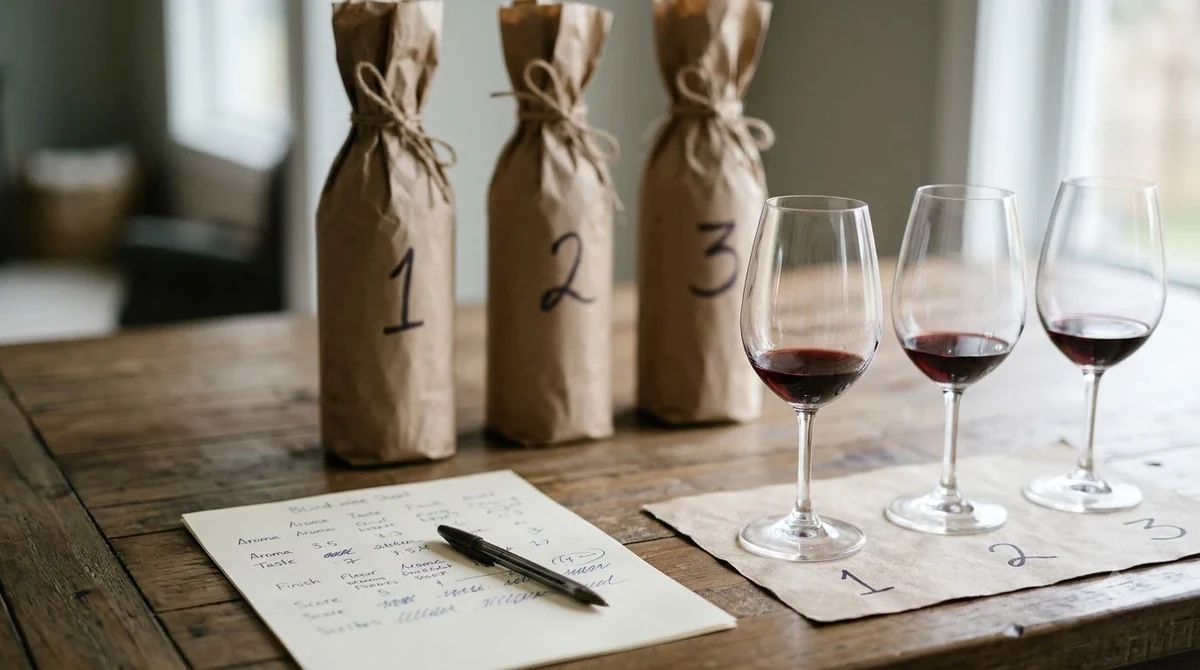
The producer’s description of the 2017 vintage identifies jammy berry fruit, leather, oak, spice, dark fruit, currants, and toffee. Tastings.com’s 2020 review also identifies blackberry, plum, blueberry, leather, and baking spice. These characteristics help explain why the wine is frequently associated with hearty dishes.
Alcohol and Perceived Body
Alcohol contributes to the sensation of weight and warmth in wine. A 15% red wine can feel fuller and more substantial than a 12% red wine, although body is also influenced by tannins, acidity, extract, and winemaking.
With 7 Deadly Zins, the combination of ripe fruit and alcohol produces a broad, rounded impression. The wine’s dark fruit flavors can make the texture seem particularly rich, while the alcohol adds warmth toward the finish.
Recommended Serving Temperature
Full-bodied red wines are generally best served between 60°F and 65°F. This range helps preserve fruit character while keeping the alcohol sensation from becoming overly prominent.
Serving 7 Deadly Zins too warm can make the alcohol seem more noticeable and can reduce the freshness of its fruit flavors. A bottle stored at ordinary room temperature may benefit from approximately 15 to 20 minutes in the refrigerator before serving, depending on the starting temperature.
A simple serving approach is:
- Remove the bottle from warmer storage.
- Chill it briefly if it is above the recommended range.
- Pour into a reasonably sized red wine glass.
- Allow the wine to settle for a few minutes before evaluating its aromas.
Decanting and Glassware
Young, full-bodied red wines can benefit from 30 to 60 minutes of decanting. This allows the wine to interact with oxygen and may help its fruit and spice aromas become more expressive.
A large-bowled red wine glass also gives the wine room to release its aromas. You do not need specialized glassware, but a glass with sufficient space makes it easier to appreciate the blackberry, plum, and oak characteristics.
For additional details on the wine’s flavor profile, see our 7 Deadly Zins tasting notes.
Food Pairings for a 15% Zinfandel
7 Deadly Zins pairs particularly well with grilled meats, barbecue, lamb, and hearty beef dishes. Its ripe fruit flavors, spice, and substantial body work well alongside foods with rich textures and savory seasoning.
The wine’s alcohol level is an important consideration when selecting food. High-alcohol reds can intensify the sensation of chili heat, so heavily spiced dishes may make the wine seem hotter and less balanced.
Best Meat Pairings
Grilled beef is a natural match for 7 Deadly Zins. The savory flavors and browned exterior of a grilled steak provide a strong contrast with the wine’s dark fruit and spice. Salt and fat also soften the perception of tannins, helping the wine feel more integrated with the meal.
Other suitable options include:
- Barbecue ribs: Their smoky, savory flavors complement the wine’s ripe berry character. Choose a sauce that is savory rather than excessively hot.
- Garlic-herb lamb chops: The rich meat and aromatic herbs complement the wine’s fruit and spice. H-E-B specifically identifies this pairing as a suitable choice.
- Beef stew: Slow-cooked beef, mushrooms, and herbs provide enough flavor intensity to match a full-bodied Zinfandel.
- Pot roast: Tender beef and savory cooking juices complement the wine’s dark fruit and rounded texture.
- Grilled sausages: Their browned surfaces and savory seasoning work well with the wine’s ripe fruit character.
Cheese and Vegetarian Pairings
Cheese can also work well with 7 Deadly Zins. Aged cheddar, Gouda, and other firm cheeses have enough flavor intensity to stand alongside the wine. Their fat content can also soften the perception of tannins.
For vegetarian dishes, consider roasted mushrooms, grilled eggplant, and lentil-based dishes with herbs. Roasted vegetables develop deeper savory flavors that can complement the wine’s darker fruit notes.
Avoid pairing this particular Zinfandel with delicate seafood or oily fish. Its relatively substantial tannin and alcohol can overpower lighter fish flavors and create an unpleasant contrast with oily textures.
Sweetness, Acidity, and Spice
Food sweetness needs special attention. A sweet barbecue sauce can make a dry red wine taste more acidic or bitter by comparison. For sweeter sauces, choose a wine with enough fruit intensity to maintain balance, and avoid dishes that are substantially sweeter than the wine.
Acidity also matters. Highly acidic foods such as vinegar-heavy sauces and strongly dressed salads can make a wine with lower perceived acidity seem flatter. Balance acidic dishes with ingredients that provide richness and savory depth.
Chili heat is another consideration. Since 7 Deadly Zins has 15% ABV, dishes with substantial chili pepper heat may make the alcohol feel even warmer. Mildly spiced barbecue or herb-seasoned lamb is generally a more comfortable match.
For more specific menu ideas, explore our 7 Deadly Zins food pairing recommendations.
Frequently Asked Questions
Is 7 Deadly Zins stronger than most everyday red wines?
Yes, its typical 15% ABV is higher than many lighter everyday reds. For perspective, a red wine containing 12.5% ABV has 2.5 percentage points less alcohol by volume. The difference is especially noticeable when comparing equal-sized servings.
How much alcohol is in half a bottle of 7 Deadly Zins?
Half of a 750 ml bottle contains 375 ml of wine. At 15% ABV, that volume represents 56.25 ml of pure alcohol, equivalent to approximately 1.9 US fluid ounces. The amount is the same regardless of whether the wine is divided into two or three glasses.
Is 7 Deadly Zins a dry or sweet red wine?
7 Deadly Zins is generally presented as a dry red wine, despite its ripe fruit and toffee-like flavor impressions. Fruity aromas and flavors do not necessarily indicate residual sugar. Tastings.com classifies the reviewed 2020 vintage as dryish, which is a useful distinction when comparing perceived fruitiness with actual sweetness.
Does 7 Deadly Zins contain more alcohol than white Zinfandel?
Generally, yes. White Zinfandel is a different, usually lighter-bodied blush wine style and commonly has a lower ABV than full-bodied California red Zinfandel. The two wines should not be confused simply because they share the Zinfandel name.
How should an opened bottle of 7 Deadly Zins be stored?
Re-cork the bottle firmly and store it in the refrigerator after opening. A typical opened still red wine remains at its best for approximately 3 to 5 days, although its aromas and flavors gradually change as oxygen exposure continues. Let the remaining wine approach its preferred serving temperature before pouring another glass.
7 Deadly Zins is a full-bodied Lodi Old Vine Zinfandel with a typical alcohol content of 15% ABV. Its rich fruit profile, warm finish, and substantial structure make it a natural companion for grilled meats, lamb, and hearty meals. Understanding the alcohol percentage and choosing measured pours, an appropriate serving temperature, and complementary foods will help you appreciate its distinctive Zinfandel character.
More in Wine Brands
 Louis Latour Wine Price: Compare Bottles by Style and TierUpdated Nov 20, 2026
 Yellow Tail Moscato Price: What to Expect Before You BuyUpdated Nov 20, 2026
 Sutter Home Sweet Red Review: Find the Right Food PairingsUpdated Nov 20, 2026
 Franzia Chillable Red Review: Find the Right Serving StyleUpdated Nov 20, 2026
 Veuve Clicquot Rose Review: Flavor, Food Pairings and Buying AdviceUpdated Nov 20, 2026
 Rombauer Wine Price: Compare Bottles Before You BuyUpdated Nov 20, 2026