

We may earn a commission when you buy through links on this page, at no extra cost to you. Learn more.
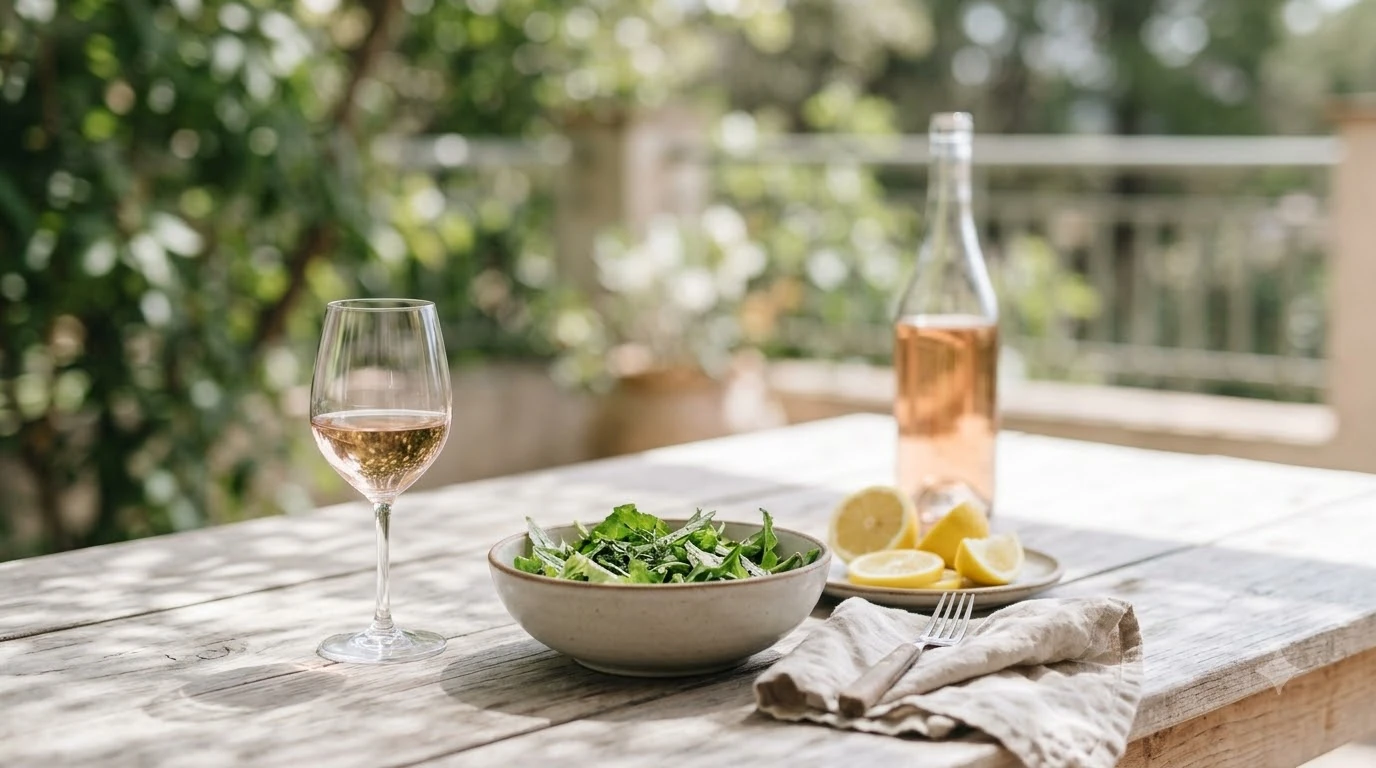
Rose with salmon is one of the most dependable pairings you can make, because a dry rosé has the acidity to cut through salmon’s natural richness and enough red-berry fruit to match its flavor. The best bottle depends on how the fish is cooked: pale, crisp Provence-style rosé suits raw and lightly cooked salmon, while deeper rosé and sparkling rosé handle grilled, smoked, glazed, and spiced preparations. Serve still rosé cold, around 45 to 50°F, and it stays refreshing from the first bite to the last.
Salmon puts many wine drinkers in an awkward spot. It is a fish, so white wine feels like the obvious choice, yet its oil, deep color, and meaty texture make some people reach for red. Rosé settles that argument. Most rosé is made from red grapes whose skins touch the juice only briefly, so it carries the freshness of a white wine with some of the berry character of a red. That middle position is exactly what salmon asks for, and it explains why rosé shows up so often on restaurant menus next to grilled and smoked fish. The sections below explain why the pairing works, how cooking method should steer your choice, and how to serve the wine so it shows its best at the table.
Why Rose With Salmon Works So Well
A dry rosé combines bright acidity, red-fruit flavor, and a light-to-medium body, and salmon needs all three. The wine refreshes the palate between bites, its fruit connects with the fish and any sauce on the plate, and its low tannin keeps the finish from tasting harsh.
Acidity does most of the work. Salmon is a fatty fish, and fat coats the mouth, so a wine with enough acidity cleans the palate after each bite. According to Wine.com’s dry rosé food pairing guide, the acidity in these wines cuts through richness in heavier dishes the way a squeeze of lemon brightens grilled fish. The general rule that acidic food needs a wine that is equally acidic or more so points the same direction, and rosé has acidity to spare for most salmon dishes.
Tannin is the other reason rosé beats many reds with fish. Salt and fat soften tannin, but oily fish still clashes with tannic wines. Wine Folly advises choosing a low-tannin red when pairing with salmon so the fish does not taste metallic. Cabernet Sauvignon, which is high in tannin, is a poor partner for salmon, while Pinot Noir, which sits at low to medium tannin and high acidity, works far better. Rosé is generally made with short skin contact, which keeps its tannin low and avoids the problem altogether.
Decanter’s rosé food guide, written by Chris Mercer, lists salmon among the foods that suit rosé, alongside duck, lamb served pink, and soft cheeses. That broad list shows how rosé sits between the two camps. It handles richer fish that might overwhelm a pale white, and it also suits lighter preparations that a full red would bury.
How Cooking Method Changes the Best Rosé
Cooking method matters more than the fish itself. Raw, cured, smoked, grilled, glazed, and sauced salmon each need a different level of body, sweetness, and acidity, so decide how the fish is prepared before you choose the bottle.
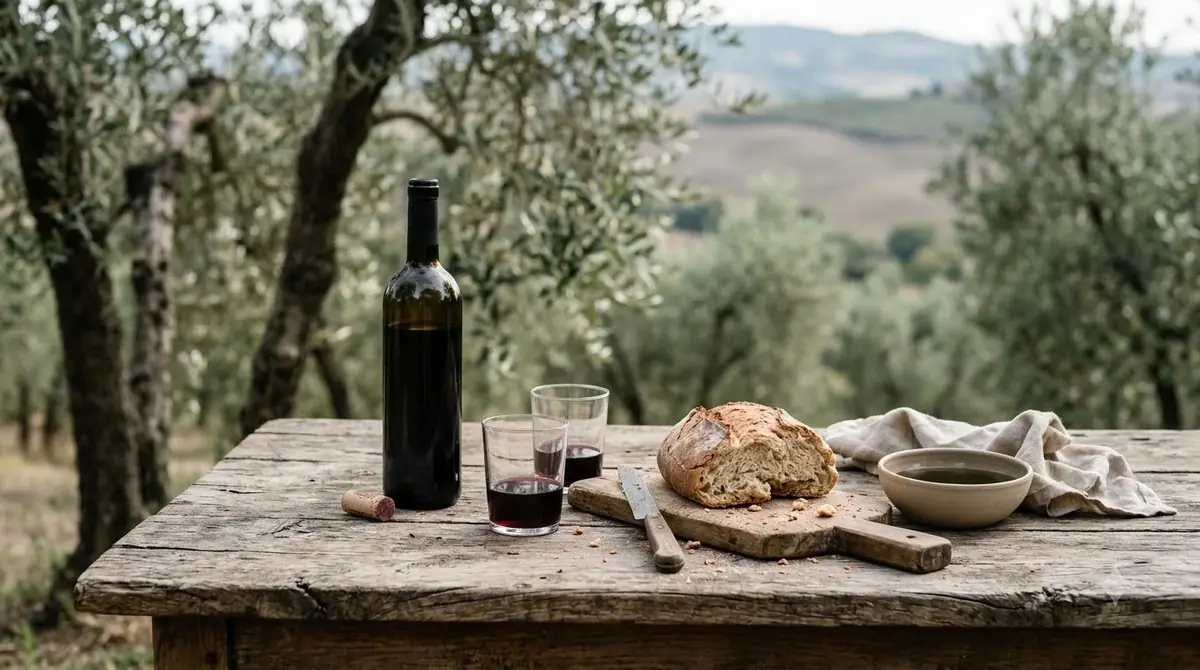
Wine.com’s rule of thumb is to match the wine’s weight to the dish’s weight. Pale and crisp suits light preparations, while deeper and fuller styles suit richer ones. That principle explains most of the decisions in this guide, and the table below gives a quick reference for the common cases. Use it as a starting point rather than a rigid rule, because seasoning and sauce can shift the best match.
| Salmon preparation | Best rosé style | Serving temperature | Why it works |
|---|---|---|---|
| Sashimi, poke, or lightly cured | Pale, mineral-driven Provence-style dry rosé | 45–50°F | High acidity and light body keep the flavor clean |
| Plain roasted or pan-seared | Grenache-based Côtes de Provence rosé | 45–50°F | Enough fruit weight to match the seared surface |
| Crispy skin, grilled | Grenache-based rosé such as Tavel | 45–50°F | Fuller fruit meets smoky, crisp skin |
| Smoked, hot or cold | Brut or Extra Brut sparkling rosé | 40–50°F | Bubbles and acidity cut salt and oil |
| Teriyaki or sweet glaze | Off-dry rosé | 45–50°F | A touch of sweetness echoes the glaze |
| Blackened or chili-rubbed | Lower-alcohol, low-tannin rosé | 45–50°F | Less alcohol and tannin keep the heat from building |
Each row reflects a preparation that home cooks and restaurant kitchens use often. The serving temperatures follow the standard ranges for each wine type, so chilling the bottle to the listed range helps every row perform as described. When a dish combines methods, such as a glazed fillet with a smoky char, start with the row that matches the stronger flavor and adjust from there.
Pale, Dry Rosé for Raw and Lightly Cooked Salmon
Pale, dry rosé from Provence is the best starting point for sashimi, poke, cured salmon, and gently poached fillets. Its crisp acidity and light body let the flavor of the fish come through, which matters most when the salmon itself is delicate.
Wine.com recommends a pale, mineral-driven Provence rosé for raw-bar foods, noting that the wine’s crisp acidity and faint saltiness echo flavors from the sea. Serve it around 45°F so the acidity stays sharp and the fruit does not feel heavy. Provence rosés are typically built from Grenache, Cinsault, and Mourvèdre, and the best examples show mineral-driven acidity with delicate strawberry and white peach notes that do not compete with the fish.
Cured salmon, such as gravlax, needs a little more thought because salt changes how wine tastes. Salt softens tannin, which is one reason rosé suits cured fish better than most reds, but the wine still needs enough acidity to hold up to the seasoning. Herb-heavy preparations with dill or thyme also suit a crisp rosé, since the herbs and the wine share a fresh, green edge. If the fish is finished with lemon, the wine’s acidity should match or exceed the citrus, so a lean, dry style is the safest choice.
Sparkling Rosé for Smoked Salmon and Brunch
Smoked salmon is the preparation where sparkling rosé often beats still wine. Bubbles and high acidity cut the salt and oil of cured fish, and the sparkle turns a simple brunch plate into something special.
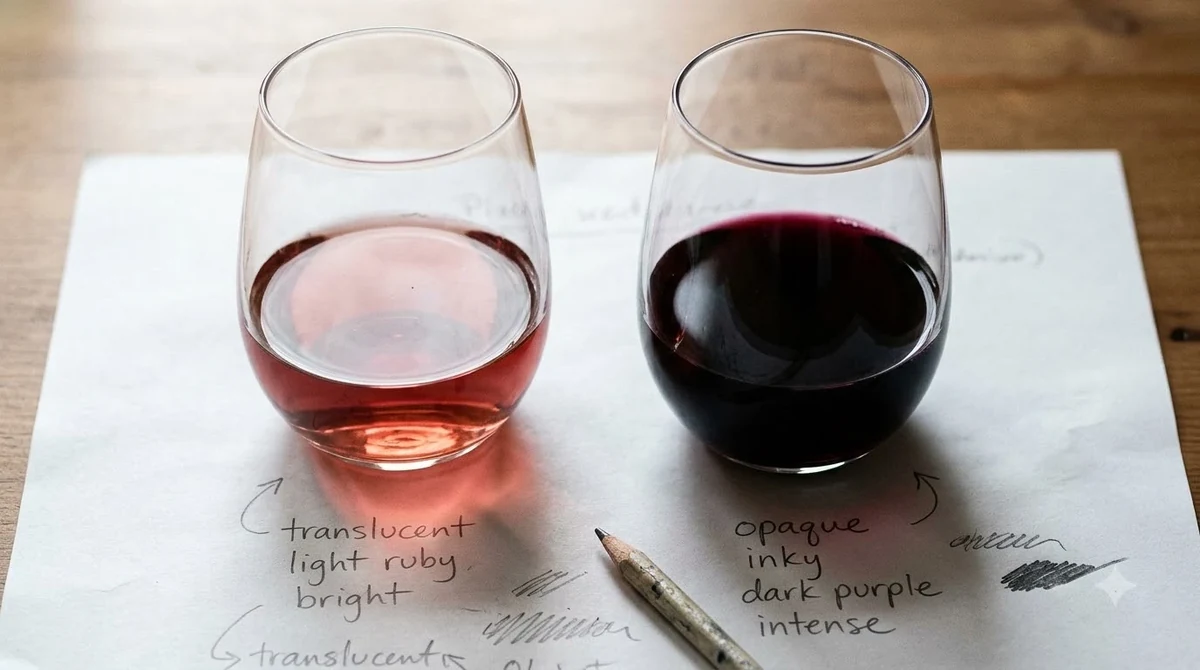
Wine.com notes that the bubbles in sparkling rosé scrub oil from fried foods and refresh the palate between bites, and it specifically suggests sparkling rosé at brunch with eggs Benedict or smoked salmon. Smoked salmon is salty and intense, so the wine needs enough acidity and flavor to stand up to it. A brut or extra brut style is the right choice for most plates. Those are the dry ends of the sparkling spectrum, which runs from Brut Nature and Extra Brut through Brut, Extra Dry, Dry, Demi-Sec, and Doux. Extra Dry and Dry are slightly sweeter, so they suit smoked salmon only when you want the sweetness to soften the salt.
Cava rosado is another dependable option, and it often works well with smoked fish at a casual lunch. Serve sparkling rosé between 40 and 50°F, a little cooler than still wine, so the bubbles stay lively. Readers who want the wider list of options can start with what wine goes with smoked salmon. For a more formal occasion, the guide to champagne with smoked salmon compares Champagne with rosé and explains which style suits a celebratory table.
Deeper Rosé for Grilled, Blackened, and Spicy Salmon
Grilled and blackened salmon brings char, smoke, and spice, so it needs a rosé with more fruit weight and structure than a pale Provence bottle. Look to fuller styles from Tavel, Bandol, or Spain for these dishes, and choose one with moderate alcohol when the seasoning runs hot.
Wine.com recommends a Grenache-based rosé from Côtes de Provence for grilled salmon, because it has enough fruit to match the char and richness of oily fish. Its acidity keeps the pairing from feeling heavy, even with a butter or herb sauce. Wine Folly suggests a Grenache-based rosé from Tavel for crispy-skin salmon, since the seared skin gives the fish a meaty, flaky texture that a fuller rosé can match. Tavel is also distinctive because Wine.com notes it is the only French appellation that produces exclusively rosé, so it is a useful place to shop when you want more body.
Bandol is another strong choice. Decanter notes that Mourvèdre, which is commonly prominent in Bandol, tends to lend more structure to a rosé, which makes those bottles suitable when the salmon comes with a bold sauce or a smoky rub. Wine.com describes the acidity and fruit of dry rosé as cooling the heat of chili peppers, harissa, and Szechuan seasoning. Decanter’s food writer Fiona Beckett has also observed that riper New World rosés are not necessarily a problem with spicy food, though European styles usually give more restraint.
Spice needs a different approach from grilling. Alcohol and tannin amplify chili heat, so a rosé with lower alcohol and softer tannin keeps blackened or chili-rubbed salmon from tasting hot and bitter. Pick a Grenache or Cinsault-based rosé over a fuller, higher-alcohol bottle, and pour it at 45 to 50°F so the wine’s freshness works against the heat rather than adding to it.
Glazes, Sauces, and Creamy Dishes
Sweet glazes, herb sauces, and cream change the balance of a salmon dish, so the wine has to respond to the sauce as much as to the fish. Off-dry rosé suits teriyaki-style glazes, while lemon and herb sauces call for a crisp, dry style.
Glazes built on brown sugar, honey, pineapple juice, or agave bring sweetness and savory depth together. Wine Folly recommends off-dry or bolder rosé for these preparations, along with dry Riesling and Gewürztraminer, because a little sweetness in the wine echoes the glaze. Off-dry rosé is the simplest choice for most home cooks. A bone-dry rosé can still work, but it will taste thinner next to a sticky glaze, so match the wine’s sweetness to the sauce wherever you can.
Creamy and lemon-herb sauces ask for a different kind of restraint. Wine.com warns that very heavy cream sauces tend to overpower dry rosé, so pair salmon in a lighter cream or lemon dill sauce with a crisp Provence-style bottle rather than a full, rich one. Cucumber yogurt, dill, and horseradish sauces are naturally fresh and sharp, so they suit a rosé with lively acidity. If you would rather pour a white for the same dish, the guide to chardonnay with salmon covers the oak-aged styles that suit richer sauces.
Serving Temperature and Pour Size
Temperature and pour size do more for this pairing than most people expect. Keep still rosé between 45 and 50°F and sparkling rosé between 40 and 50°F, and the wine will show the acidity that makes the pairing work.
Keep the bottle in the refrigerator until you pour, and refill from it rather than leaving a glass on the table. A glass that warms in the hand loses the crispness that matters most with salmon, so small, frequent refills are better than one large pour. Wine.com’s guidance on rosé serving temperature supports this approach, because pale, crisp styles show their best character when they are kept cool rather than cold.
Pour size is the other practical detail. A standard pour of 5 ounces keeps each glass light enough to stay crisp through a salmon course, and a 750 ml bottle yields about five glasses. That makes it easy to plan quantities for a dinner, and it helps you judge how much rosé to open for a salmon course followed by a lighter dessert or cheese course.
Tip: Pour 5 ounces at a time and return the bottle to the refrigerator between glasses. The wine stays crisp, and sparkling rosé keeps its bubbles longer when it is not left sitting at the table.
Frequently Asked Questions
Most readers ask the same few practical questions about rosé and salmon. The answers below cover the gaps the main sections leave open.
Is rosé a safer choice than white wine when I do not know how the salmon was cooked?
Usually, yes, because a dry rosé covers a wide range of preparations. A white is still a sound fallback for buttery dishes, since Wine Folly lists full-bodied whites such as Viognier, Marsanne, White Rioja, and White Burgundy among the classic partners for rich, oily salmon. Those whites work especially well with creamy sauces, while rosé stays flexible across dry, smoky, and lightly seasoned plates.
Does a pink color tell me how sweet a rosé is?
No. Decanter’s guide notes that colour is not always a marker of quality or flavour, so a pale bottle can be just as serious as a deeper one. Wine.com explains that rosé is made either by maceration, where red skins steep briefly with the juice, or by saignée, where juice is bled off a red wine fermentation early. According to Wine.com, both methods produce wines with enough structure to stand up to food.
Can I serve rosé with salmon in a creamy dill sauce?
Yes, as long as you choose a crisp, dry rosé and keep the sauce light. Wine Folly pairs roasted salmon with béarnaise, lemon dill cream, cucumber yogurt, or creamy horseradish and caper sauces, and it suggests Grüner Veltliner as a lighter, more herbal match than a rich white. If you prefer pink, a Provence-style bottle handles lemon and dill with ease, and it keeps the meal feeling fresh.
How long does opened rosé keep in the refrigerator?
Still rosé usually keeps for 3 to 5 days in the refrigerator, while sparkling rosé is best within 1 to 3 days, once the bubbles begin to fade. Unopened bottles keep best on their sides in a cool spot near 55°F. Rosé in a bag-in-box can last 4 to 6 weeks after opening, which makes it a practical option for a summer table.
Are Prosecco and Champagne interchangeable with smoked salmon?
Not exactly. Prosecco is made from the Glera grape using the tank method and usually sits at 11 to 12% alcohol. Champagne and Cava get their bubbles from a second fermentation in the bottle, which gives them a more layered texture that can suit oilier smoked fish. For a lighter, more casual plate, Prosecco works well, but choose the Champagne or Cava style when the table calls for more depth.
Rosé is a dependable middle path for salmon, so start with the cooking method, then match the wine’s weight, sweetness, and acidity to the dish. For a broader framework that covers fish, meat, and cheese, the food pairing guide shows how these same principles apply across other plates.
More in Food & Wine Pairing
 Risotto With White Wine Recipe: Make a Creamy Dinner at HomeUpdated Nov 20, 2026
 Wassail With Wine Recipe for a Festive Spiced Holiday DrinkUpdated Nov 20, 2026
 Spritz Veneziano Recipe: Make a Classic Venetian Aperitivo at HomeUpdated Nov 20, 2026
 Summer Wine Punch Recipe for Easy Homemade EntertainingUpdated Nov 20, 2026
 Bishop Recipe: How to Make a Bright, Citrus-Forward Red Wine CocktailUpdated Nov 20, 2026
 Wine Cupcakes Recipe: Bake Rich Chocolate Cupcakes at HomeUpdated Nov 20, 2026