

We may earn a commission when you buy through links on this page, at no extra cost to you. Learn more.
Puglia wine comes from the heel of Italy’s boot, a sunny southern region with more vineyard land than any other Italian grape-growing region, and its best-known reds are built on Primitivo and Negroamaro. The region produces bold, warm-climate reds, fresh rosés and a few sweet specialties, and its wines have grown in reputation as producers focus on quality over bulk volume.
Puglia is not always the first Italian region that comes to mind for wine lovers, yet its bottles turn up on many shelves and restaurant lists. This guide explains where the region sits, which grapes define its style, how to serve its reds, and what to eat with them.
Where Puglia sits and why it matters
Puglia, known in English as Apulia, is a region in southeastern Italy that forms the long heel of the peninsula. Its coastline runs along the Adriatic and Ionian seas, and the interior is dominated by flat to rolling farmland. Summers are hot and dry, which suits grapes that need plenty of sun to ripen fully.
The region’s scale is its defining feature. According to the Apulia entry on Wikipedia, its vineyards cover about 106,715 hectares, or roughly 263,700 acres, which puts it first among Italian grape-growing regions. Much of that land has historically produced wine for bulk sale, and newer producers are working to change that reputation by making smaller lots and focusing on specific sites and grapes.

The grapes that define Puglia wine
Two grapes do most of the work in Puglia. Primitivo is the best-known, and it is the same variety that Americans call Zinfandel. Wine Folly’s page on the variety notes that Italy has around 34,337 acres of the grape, mostly in Puglia, and the region has its own DOC and DOCG categories for it. The Puglia profile of Primitivo includes a sweet Dolce Naturale style as well as dry reds.
The other key grape is Negroamaro. Wine Folly’s Negroamaro profile says the grape grows in abundance in Puglia but almost nowhere else, which is a big reason the region is so closely tied to it. The wines tend to be deep, dark and structured. Other regional grapes include Nero di Troia, Bombino and Verdeca, which show up in the Castel del Monte and other local labels.
| Grape | Typical style | Good to know |
|---|---|---|
| Primitivo | Full-bodied red with ripe dark fruit and warm spice | Same variety as Zinfandel; Puglia Riserva wines must reach at least 14 percent alcohol |
| Negroamaro | Medium-full red with black cherry, plum and dried herbs | Grown mainly in Puglia, with firm tannins and medium-high acidity |
| Nero di Troia | Structured red with savory and red fruit notes | Part of the Castel del Monte DOCG rosso and riserva categories |
| Bombino Nero | Lighter, fresher red or rosé | Appears in the Castel del Monte Bombino Nero DOCG |
Styles to look for on the label
Puglia’s reds are where the region shows its character most clearly. Dry Primitivo tends to be generous and round, with blackberry and plum fruit and noticeable warmth from its alcohol. Negroamaro usually shows darker, more herbal notes and firmer tannins, so it benefits from food and sometimes a little time in the bottle. Riserva labels generally indicate longer aging and higher minimum alcohol under Italian rules.
Rosés made from Negroamaro and Bombino can be fresh and fruity, a useful change of pace in warmer months. Sweet Primitivo Dolce Naturale is a specialty style that appears on dessert menus and in gift shops, and it is worth trying if you like richer, dessert-style wines.
Blends are also common. Many producers combine Negroamaro with Malvasia Nera or other local grapes to soften the grip of the tannins and add perfume, while keeping the regional character. These blends can be an easy entry point for drinkers who find a single-variety Negroamaro too intense at first. When a label names the grapes and the zone, you get a clear picture of what the producer is aiming for, which is more useful than a general term such as red wine from Italy.
How to serve Puglia reds
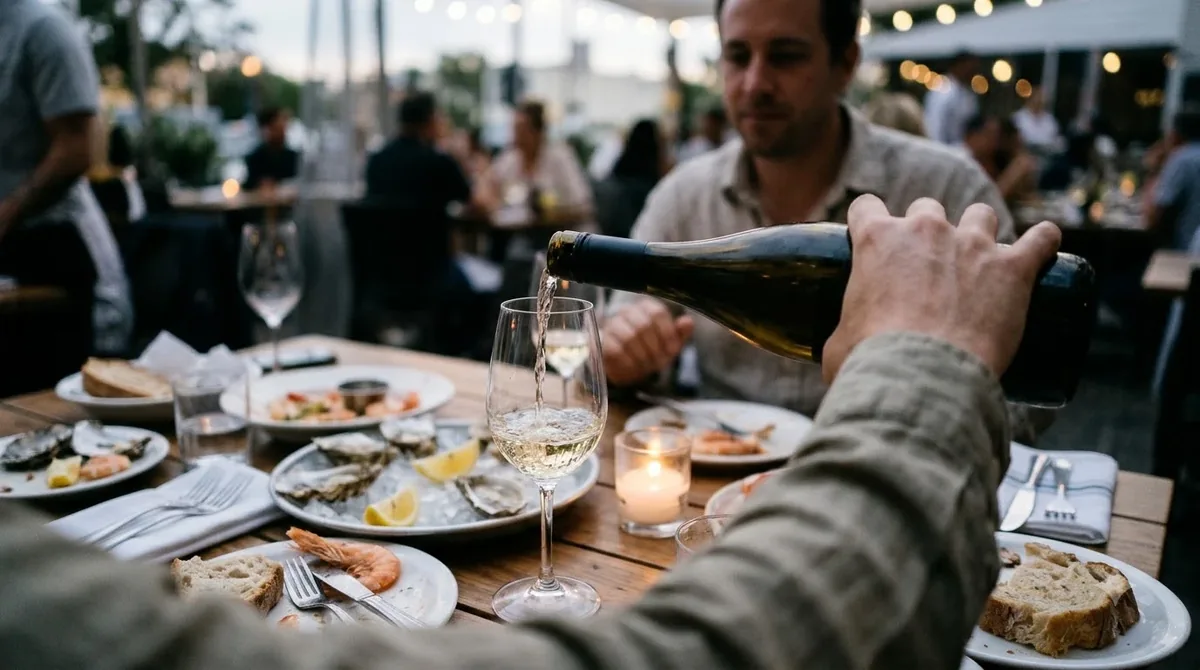
Serving temperature makes a noticeable difference with these big reds. Wine Folly suggests serving Negroamaro between 60 and 68 degrees Fahrenheit, or about 15 to 20 degrees Celsius, which is a little cooler than many people assume. Primitivo is listed in the same serving range. At that temperature, the fruit stays lively and the alcohol does not dominate the glass.
Negroamaro reds often carry higher alcohol, typically 13.5 to 15 percent by volume according to the same Wine Folly profile, so a short rest after pouring can help the aromas open. Many people also decant these wines for about half an hour, which softens the tannins and lets the herbal notes come through. Use a generous glass so the wine has room to show its aromas.
Tip: If a Puglia red tastes hot or heavy, pour it slightly cooler and serve it with food. A small change in temperature often makes a bigger difference than a new bottle.
Food pairings for Puglia wine
Puglia reds are built for the table. Wine Folly’s Negroamaro profile recommends barbecue chicken pizza, pulled pork sandwiches and teriyaki, which points to the wine’s sturdy structure and dark fruit. Grilled lamb, roasted vegetables with olive oil and aged cheeses also suit the richer reds. Rosés and lighter reds pair well with tomato-based pasta dishes, seafood and fresh herbs.
Because the region is known for olive oil and fresh produce, a simple meal with local ingredients often tastes best with a local wine. Look for dishes that include herbs, grilling and bright acidity to balance the wine’s weight.
How to choose a Puglia bottle
Start with the grape. A Primitivo will feel rounder and fruitier than a Negroamaro, and a Negroamaro often shows more structure. If you want something easy to drink with casual food, look for a rosé or a younger red from a producer that names its grape and region clearly. If you want to spend more time with a bottle, consider a Riserva or a producer whose website explains vineyard sites and aging.
It also helps to read the label closely. Many Puglia wines carry the name of a specific DOC or DOCG zone, which tells you a lot about the grape mix and rules behind the wine. Producers who publish details about their vineyards and winemaking are usually a good starting point.
Frequently Asked Questions
What is the best-known wine from Puglia?
Primitivo is the most widely recognized, especially in its dry red form and under the Primitivo di Manduria label. Negroamaro is another signature grape of the region and is often blended or bottled on its own.
Is Puglia wine the same as Zinfandel?
Primitivo and Zinfandel are the same grape variety, although styles can differ based on climate and winemaking. Wine Folly’s Zinfandel profile notes that cooler sites tend toward juicier red berries, while warmer sites lean toward deeper black fruit.
What grapes grow in Puglia besides Primitivo?
Negroamaro is the other major red, and Nero di Troia and Bombino also appear in local categories such as Castel del Monte. Verdeca is another regional white grape that appears in local blends.
Should I serve Puglia red wine chilled?
Serve it slightly cool rather than cold. Wine Folly suggests 60 to 68 degrees Fahrenheit, or about 15 to 20 degrees Celsius, for these reds, which keeps the fruit lively and the alcohol in balance.
Puglia wine rewards anyone who wants bold reds with a sense of place. Start with one Primitivo and one Negroamaro, serve them with a simple grilled meal, and compare how the grapes differ. For a broader view of where wine is made, read the Wine Regions guide, or try our Hunter Valley wine overview for a contrast with another warm-climate region.
More in Wine Regions
 Willcox Wine Trail: Discover Arizona’s High-Elevation Wine CountryUpdated Nov 20, 2026
 Yakima Valley Wine Region: Find the Best Styles to TryUpdated Nov 20, 2026
 Vosne Romanee Wine Tasting: Identify Aromas and Choose Better PairingsUpdated Nov 20, 2026
 Yakima Valley Wine Festival: Find the Best Seasonal Wine EventsUpdated Nov 20, 2026
 Wales Vineyards: Discover Cool-Climate Wines and Where to VisitUpdated Nov 20, 2026
 Yountville Wine Festival: Discover Napa Wines and Local FoodUpdated Nov 20, 2026