

We may earn a commission when you buy through links on this page, at no extra cost to you. Learn more.
Cline wine comes from Cline Family Cellars, a Sonoma family winery founded in 1982 that works with old vines across California. The range runs from single-vineyard bottlings and Ancient Vines Zinfandel to Rhône-style reds, Pinot Noir and crisp whites. This guide explains where the winery came from, what the main styles taste like, and how to serve and pair them.
Cline is a name many American shoppers recognize from grocery shelves and restaurant lists, but the winery itself is more specific than the brand suggests. Its wines are rooted in old vineyards and in a family history that goes back to Contra Costa County. Knowing that background makes it easier to choose a bottle that suits your meal and your taste.
The Cline family and where the wines come from
Cline Family Cellars was founded in 1982 in Oakley, California, by Fred and Nancy Cline. According to the winery’s own About page, the early wines were made from historic vines, some planted as early as the 1880s, including Mourvèdre, Zinfandel and Carignane. The page describes “humble beginnings in Contra Costa County” before the family moved the winery north.
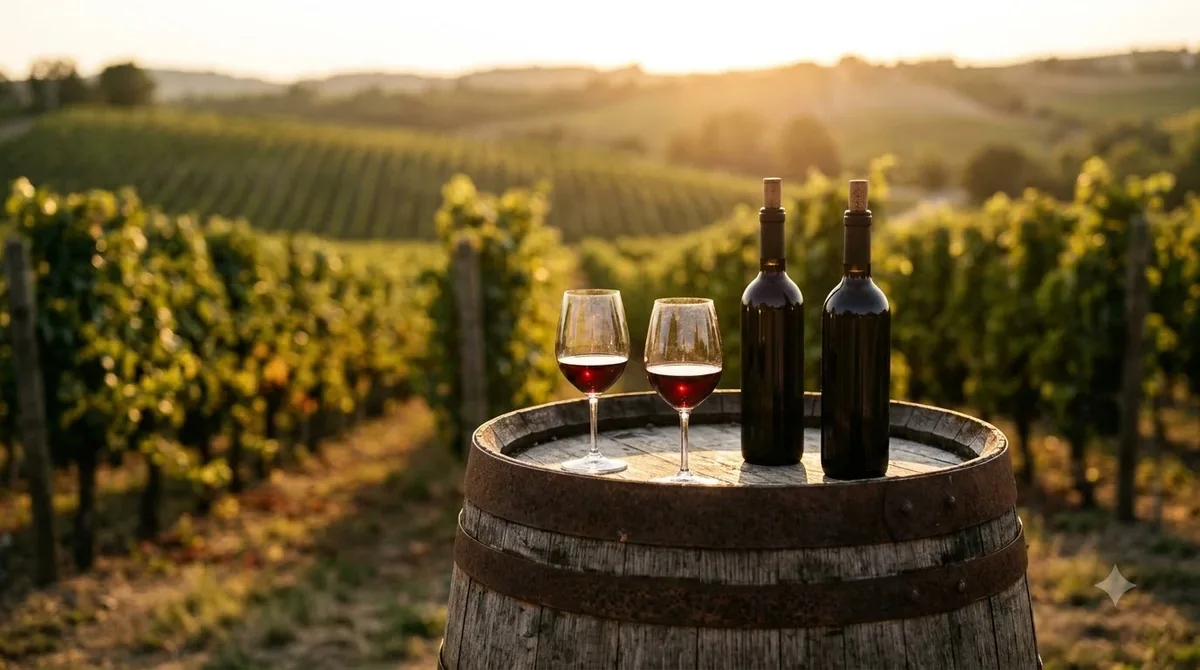
In 1989 the family moved to a property in Sonoma-Carneros, a former horse farm the site describes as 350 acres. The winery now runs its operations from Sonoma and works with vineyards across Sonoma County. Four of the seven Cline siblings still run daily operations, and the site credits winemakers Tom Gendall and Katie Hoggins with leading the cellar. That continuity is part of why the house style feels consistent from one bottling to the next.
The company also points to its farming methods. The winery says it is Certified California Sustainable and Sonoma County Sustainable, and it uses cover crops, compost teas and sheep for weed control. Its wines are listed on the site as vegan and gluten free, which can help when you are choosing a bottle for a group.
Zinfandel and the Ancient Vines style
Zinfandel is one of the grapes that made Cline known, and the Ancient Vines line is built on older vineyard sites. Wine Folly’s Zinfandel guide lists blackberry, strawberry, peach preserves, cinnamon and sweet tobacco as its typical flavors, with medium-high tannins and medium-low acidity. The same page notes that cooler-climate examples lean toward red berries, while warmer sites show deeper black fruit, baking spice and a peppery edge.
When you open an Ancient Vines style, expect a fruit-forward wine with a spicy finish. The alcohol can run high, since Wine Folly says full-bodied Zinfandel usually sits at 14 percent or more. That warmth is part of the style, so serve the wine a little cooler than room temperature to keep the fruit fresh. Because old vines produce fewer clusters, the fruit can be more concentrated, which is one reason many buyers look for old-vine bottlings when they want more depth.
The main Cline lineup
The winery groups its bottlings into collections. Single Vineyard wines focus on one site, the Sonoma AVA bottlings show the broader region, and the Ancient Vines line highlights older Zinfandel and related varieties. Other collections include Cashmere, Seven Ranchlands, Library Wines and the Louisiana Collection, each with its own character.
Varietal bottlings cover Cabernet Sauvignon, Chardonnay, Grenache, Merlot, Mourvèdre, Pinot Noir, Sauvignon Blanc, Syrah and Zinfandel. The table below gives a simple way to think about the main styles, since the exact wine in each collection changes with the vintage.
| Style | Typical profile | Good first choice for |
|---|---|---|
| Ancient Vines Zinfandel | Ripe blackberry and spice, medium-high tannins | Barbecue and hearty dinners |
| Sonoma Pinot Noir | Red cherry, lighter body, lively acidity | Roast chicken and salmon |
| Syrah and Mourvèdre | Dark fruit, savory notes, firm structure | Grilled meats and stews |
| Chardonnay and Sauvignon Blanc | Fresh fruit, bright acidity | Lighter meals and aperitifs |
How to serve Cline reds
Serving temperature has a big effect on how a Cline red tastes. Wine Folly suggests serving Zinfandel at 60 to 68 degrees Fahrenheit (15 to 20 degrees Celsius). A fuller red at the warm end of that range shows more fruit, while a cooler pour keeps the spice and structure in balance. Check the bottle’s label for any serving note the winery adds.
Most Cline reds can be poured straight from the bottle, but a short wait helps bigger bottlings open up. Ten to fifteen minutes in the glass is usually enough for a Zinfandel. Use a wide-bowled glass for reds so the aromas have room to develop.
Tip: Open the bottle an hour before guests arrive and cover the glass between pours. Zinfandel tastes fresher when it has had a short rest in the open air.
What to pair with Cline wines
The match depends on the style you choose. Ancient Vines Zinfandel works well with smoky barbecue, pork ribs, burgers and spicy sausage, because the fruit and spice stand up to bold seasoning. A Sonoma Pinot Noir is more flexible. It suits roast chicken, mushroom risotto and salmon, and it does not overwhelm lighter dishes.
For white wines, the Chardonnay and Sauvignon Blanc bottlings pair with grilled fish, creamy pasta and fresh salads. If you are unsure, pick a Pinot Noir for mixed meals and keep the Zinfandel for dishes with clear smoke or heat.
How to choose a Cline bottle
Start with the style you want. If you like bold, fruit-forward reds, look for an Ancient Vines or Zinfandel bottling. If you prefer something lighter, a Pinot Noir or a Sonoma AVA wine is a safer pick. Read the back label for the appellation and the vineyard, since those details tell you where the grapes came from and help you predict the body.
Store bottles upright in a cool, dark place, and drink lighter whites and rosés within a year or two of purchase. Reds with more structure can be kept longer, but most Cline bottlings are made to be enjoyed in the first few years after release. If you buy a wine for a gift, check the vintage printed on the label before you wrap it.
If you are hosting, it helps to offer two styles so that guests with different tastes have a choice. Pair one red with a Zinfandel or Syrah for hearty plates and a lighter Pinot Noir or white for seafood, salads and appetizers. Pouring a small taste of each lets people compare the wines and find a favorite without opening too many bottles.
Frequently Asked Questions
Is Cline wine from California?
Yes. Cline Family Cellars was founded in Oakley, California, and its wines come from vineyards across California, with a base in Sonoma. The winery’s About page describes this history.
What is Cline best known for?
The winery is widely associated with Zinfandel and the Ancient Vines line, which draws on old vineyards. It also makes Pinot Noir, Syrah, Chardonnay and several other varietals.
Is Cline wine vegan and gluten free?
The winery lists its wines as vegan and gluten free on its website. Check the specific bottle and the winery’s current information if you have a specific dietary need.
What food goes well with Cline Zinfandel?
Barbecue, smoked meats, burgers and spicy sausage are good matches, because the ripe fruit and spice stand up to bold flavors.
Cline wine is easy to recommend because the range covers several styles without losing its identity. Start with a Pinot Noir or Zinfandel to learn the house character, then branch out to Syrah or a white. For a rosé option to compare with the reds, see the Avaline Rosé guide, or browse the wine brands section for more producers.
More in Wine Brands
 Underwood Wine Price: Compare Bottles, Cans, and Pack SizesUpdated Nov 21, 2026
 Zenato Wine Price: Compare Styles and Choose the Right BottleUpdated Nov 21, 2026
 Zuccardi Wine Price: Compare Bottles and Find the Right RangeUpdated Nov 21, 2026
 Yellow Tail Moscato Review: Taste, Sweetness and Serving TipsUpdated Nov 21, 2026
 Wolf Blass Yellow Label Review: Choose Your Best StyleUpdated Nov 21, 2026
 Wolffer Estate Rose Review: Choose the Right Bottle for Your TableUpdated Nov 21, 2026