

We may earn a commission when you buy through links on this page, at no extra cost to you. Learn more.
Red Diamond is a Washington State wine brand that sells inexpensive red varietals and blends, including Merlot, Cabernet Sauvignon, Pinot Noir and Shiraz. Retailer listings describe the wines as fruit-forward and easy to drink, with cherry, blackberry and oak notes. The brand is sold through wine shops and grocery chains, so most shoppers meet it on a store shelf rather than at a winery tasting room.
Red Diamond shows up in wine searches alongside a few unrelated products that share the name, so it helps to be clear about which one you are looking for. This guide covers the wine brand: what the lineup includes, what the bottles generally taste like, how to serve them and how to choose between the varietals and the blends.
What the Red Diamond lineup includes
Retailer listings show Red Diamond as a line of single-varietal reds rather than a single flagship blend. The varietals most often listed are Merlot, Cabernet Sauvignon, Pinot Noir and Shiraz. Some listings also show a Mysterious Red Blend described as a Washington blend of Merlot, Syrah and Viognier, along with a Temperamental Red Blend that one listing describes as a Spanish wine led by Tempranillo.
Because the brand sells through many retailers and changes its releases from year to year, the exact lineup at any given shop can differ. Vintages and blend ratios shift, and some bottles appear only in limited runs. If you find a bottle you like, note the vintage on the label so you can compare later releases.
What Red Diamond wine tastes like
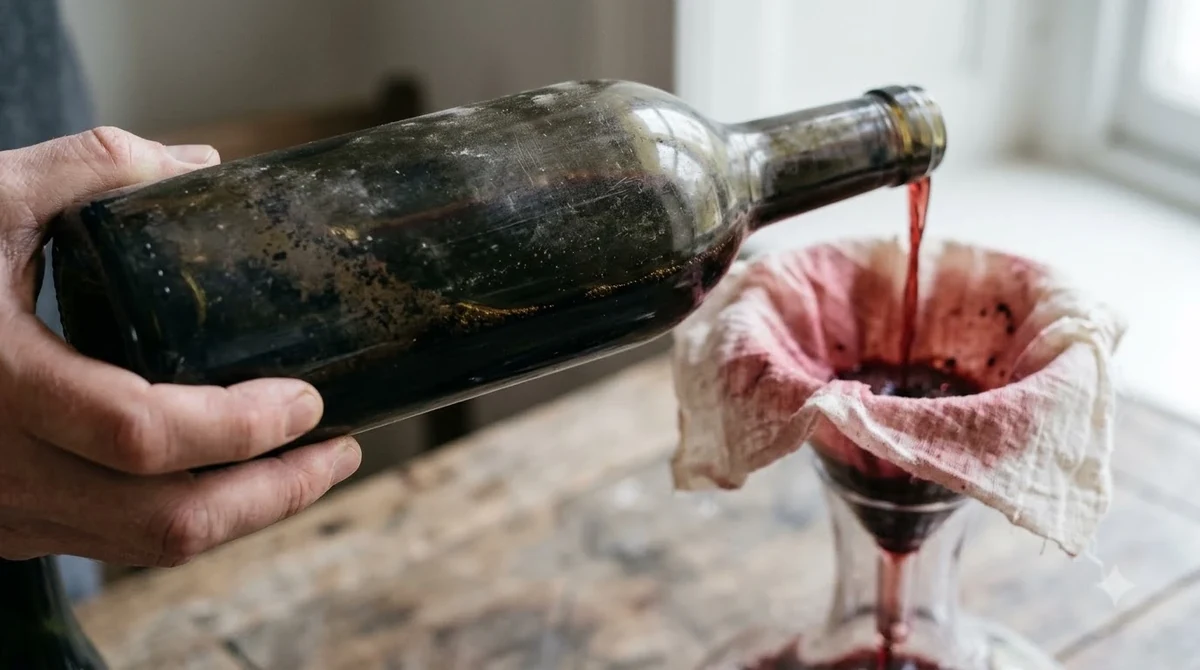
Most of the descriptions for Red Diamond point to ripe fruit and a soft structure. The Cabernet Sauvignon is described with black fruit, a note of oak and a smooth, gentle finish. The Pinot Noir is described with red berries and black cherry, with a hint of mint. The Merlot is described with blackberry, cherry and a spice-scented nose, along with toasty oak.
In practical terms, that makes Red Diamond a good fit for drinkers who want a red that is not too tannic or heavy. Cabernet from a large-volume brand usually has a firmer grip than Merlot, while Pinot Noir from the same type of producer tends to be lighter and brighter. These are general patterns rather than promises about one bottle, so tasting the wine yourself is the best test.
| Variety | Typical profile in listings | Good with |
|---|---|---|
| Merlot | Blackberry, cherry, spice, toasty oak | Roast chicken, pasta with tomato sauce |
| Cabernet Sauvignon | Black fruit, oak, smooth finish | Grilled steak, burgers, aged cheddar |
| Pinot Noir | Red berries, black cherry, hint of mint | Salmon, mushroom dishes, roast pork |
| Shiraz | Dark fruit and pepper in listings | Barbecue, hearty stews |
How Washington wine shapes the style
Many Red Diamond bottles are labeled as Washington wines, and the state’s growing conditions help explain their profile. Washington’s eastern growing areas are dry and sunny, with cool nights that help preserve acidity in the grapes. The Washington State Wine commission promotes the state’s many appellations, including newer ones such as Columbia Hills, which it describes as defined by southern slopes and proximity to the Columbia River.
Many producers who buy grapes from the Columbia Valley aim for ripe fruit with balanced structure, and that is the style most consumers find in mass-market Washington reds. The Washington State Wine website gives an overview of the state’s wine regions and its growing scale for readers who want more background.
How to serve Red Diamond
Serve the reds at a cool room temperature rather than warm. A short time in the refrigerator before pouring is enough for a bold Cabernet, and Pinot Noir and Merlot benefit from a little less warmth still. Most bottles in this range are meant to be drunk young, so there is little reason to hold them for long.
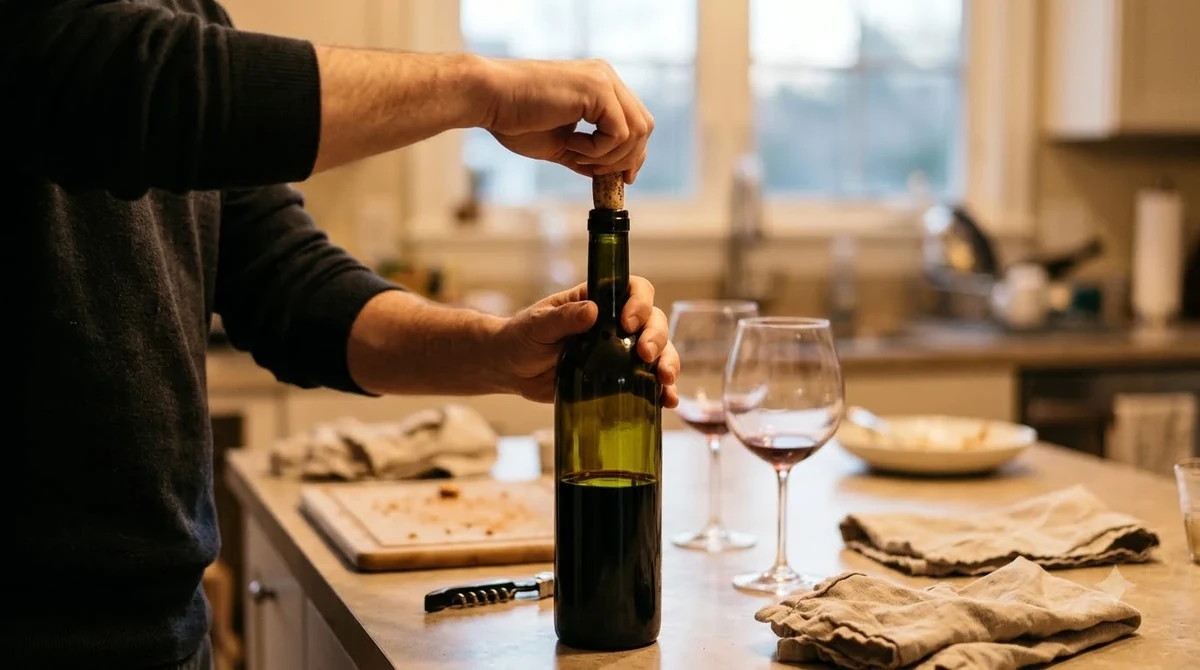
A standard large red glass gives the aromas room, although any wine glass will work. Opening a Cabernet or Merlot 20 to 30 minutes before pouring softens the oak and lets the fruit come forward. Pinot Noir needs less time.
Food pairings for Red Diamond
The Merlot pairs well with roast chicken, pasta in tomato-based sauces and mushroom pizza. Its soft tannins and ripe fruit make it easy to match with casual food. The Cabernet suits grilled meats, burgers and sharp cheddar, because its structure can stand up to fat and smoke.
Pinot Noir is the most flexible of the group. It works with salmon, roast pork, duck and mushroom dishes. Shiraz is a natural fit for barbecue and spiced stews, where its dark fruit and pepper notes match the seasoning. If you are unsure, start with a simple roast chicken and try the Merlot or Pinot Noir first.
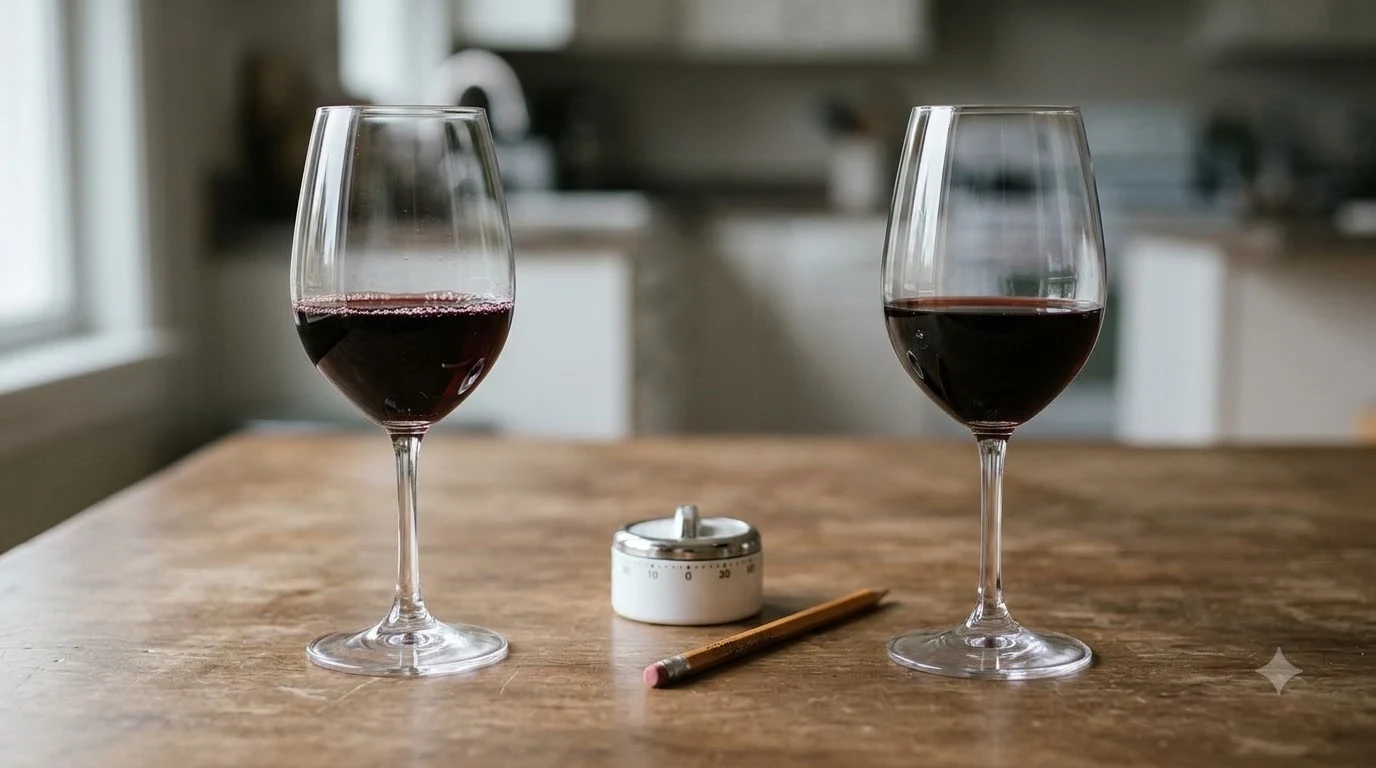
Tip: Compare the bottle with a shelf neighbor from the same brand. Shoppers often find the difference between varietals is clearer side by side than when tasted alone.
How to choose between Red Diamond bottles
Pick the variety that matches your meal first. For a hearty dinner, Cabernet is the safer choice. For lighter food or a more relaxed table, Merlot and Pinot Noir are easier to enjoy. If you want to explore beyond the single varietals, the blend listings give a broader flavor and often a softer texture.
Check the label for the vintage and the appellation. A recent vintage will show the brightest fruit, while older bottles may have a softer, more oxidized character. If you enjoy a wine from this brand, you can also explore similar budget-friendly lines. The wine brands guide groups many labels by style, which helps when a favorite bottle is out of stock.
Shoppers who prefer lighter wines may also compare Red Diamond with other easy-drinking choices. The barefoot wine range is another mass-market option with a soft, fruit-forward profile, while the stella rosa wine line covers sweeter, lower-alcohol styles.
Storing Red Diamond after opening
Everyday reds like these do not need special storage, but a few habits keep the fruit fresh. Re-cork the bottle or use a stopper, then keep it in a cool place away from sunlight. The refrigerator is fine for a few days, and it helps most with lighter styles such as Pinot Noir, which lose freshness faster than a firm Cabernet.
Oxygen is the main enemy after the first pour. A half-full bottle will taste flatter within a day or two, so pour a smaller amount if you do not plan to finish the bottle. A vacuum pump removes some air and slows the change, though it cannot bring back the fresh aroma of the first glass.
If a bottle has been open for several days, the fruit may taste dull and the wine may seem sharper. That does not always mean it has spoiled. Cooking with it is a practical option, since a splash in a sauce or stew adds depth even when the wine is no longer pleasant to drink on its own.
Frequently Asked Questions
Is Red Diamond a wine or a coffee?
This guide covers the Red Diamond wine brand from Washington State. The name is also used by unrelated products, so check the label before you buy.
Which Red Diamond wine is the best to start with?
Merlot is a common starting point because its fruit is soft and its tannins are gentle. Cabernet suits people who prefer a firmer, more structured red.
Is Red Diamond wine dry?
The listed varietals are described as dry reds. Their fruit can taste ripe and rounded, but the descriptions do not point to a sweet style.
How should I serve Red Diamond red wine?
Serve it at a cool room temperature, slightly cooler for Pinot Noir. Give Cabernet or Merlot about 20 to 30 minutes of air before pouring to soften the oak.
Red Diamond is a practical choice for everyday red wine, with clear varietal character and wide availability. Start with the variety that suits your meal, serve it cool and compare vintages over time to find the style you like best.
More in Wine Brands
 Underwood Wine Price: Compare Bottles, Cans, and Pack SizesUpdated Nov 21, 2026
 Zenato Wine Price: Compare Styles and Choose the Right BottleUpdated Nov 21, 2026
 Zuccardi Wine Price: Compare Bottles and Find the Right RangeUpdated Nov 21, 2026
 Yellow Tail Moscato Review: Taste, Sweetness and Serving TipsUpdated Nov 21, 2026
 Wolf Blass Yellow Label Review: Choose Your Best StyleUpdated Nov 21, 2026
 Wolffer Estate Rose Review: Choose the Right Bottle for Your TableUpdated Nov 21, 2026