

We may earn a commission when you buy through links on this page, at no extra cost to you. Learn more.
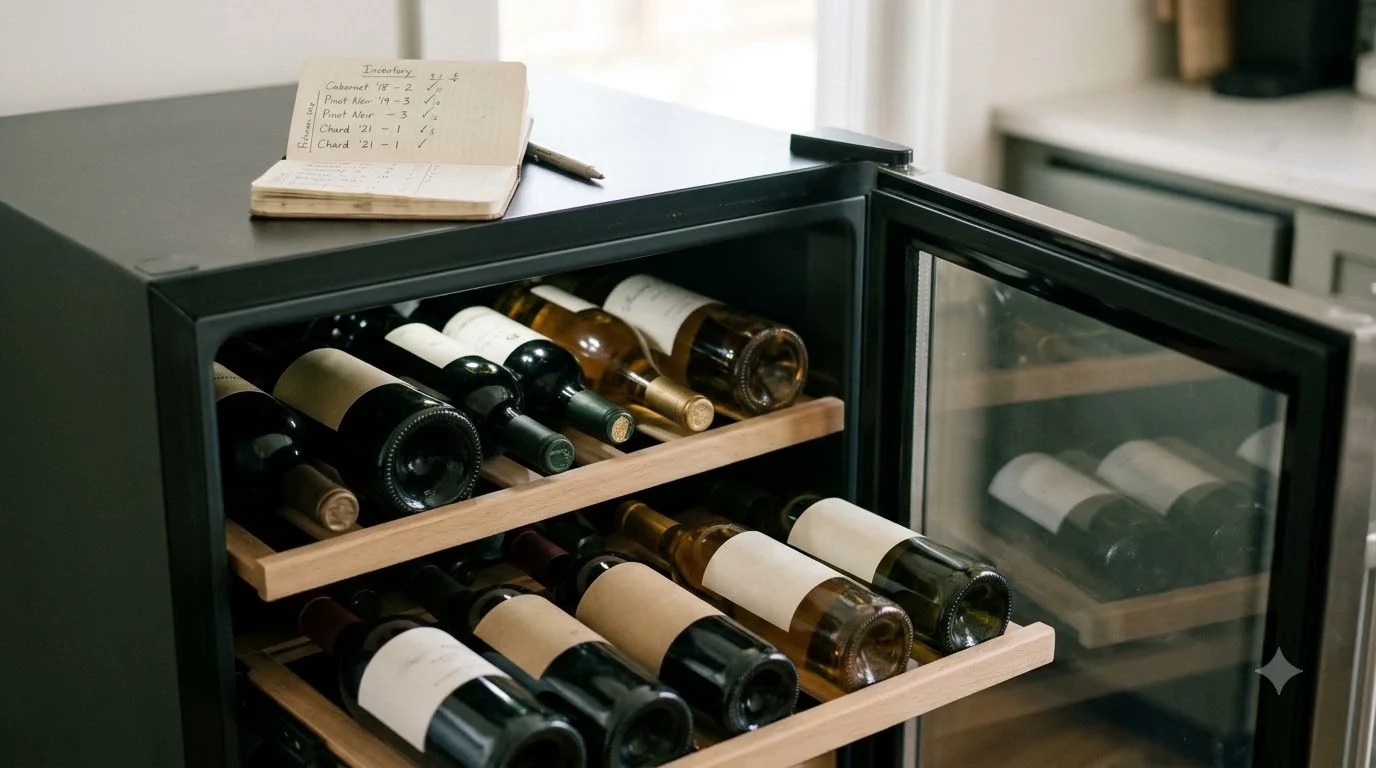
Viking wine fridge repair usually starts with checking the power supply, temperature settings, door seal, and condenser airflow before investigating faulty cooling components. A Viking wine cellar that runs continuously, displays an error code, or fails to maintain its selected temperature may have a relatively simple maintenance problem or a mechanical fault. Identifying the symptoms correctly helps determine whether you can resolve the issue through basic troubleshooting or need an authorized appliance technician. The right approach also helps protect stored wine from prolonged temperature fluctuations.
Viking wine refrigerators are designed for controlled wine storage, with models offering different capacities, installation arrangements, and temperature configurations. Their cooling systems depend on adequate ventilation, working fans, reliable temperature sensors, and properly sealed doors. Because these components work together, one small problem can affect the performance of the entire cabinet. Understanding the differences between common maintenance issues and genuine equipment failures makes it easier to arrange an appropriate repair without unnecessary component replacements.
Common Viking Wine Refrigerator Problems and Their Causes
Most Viking wine refrigerator problems fall into several categories: inadequate cooling, excessive compressor operation, temperature fluctuations, electrical interruptions, and unusual noises. The first step is identifying what the appliance is doing rather than immediately assuming that the compressor or thermostat has failed.
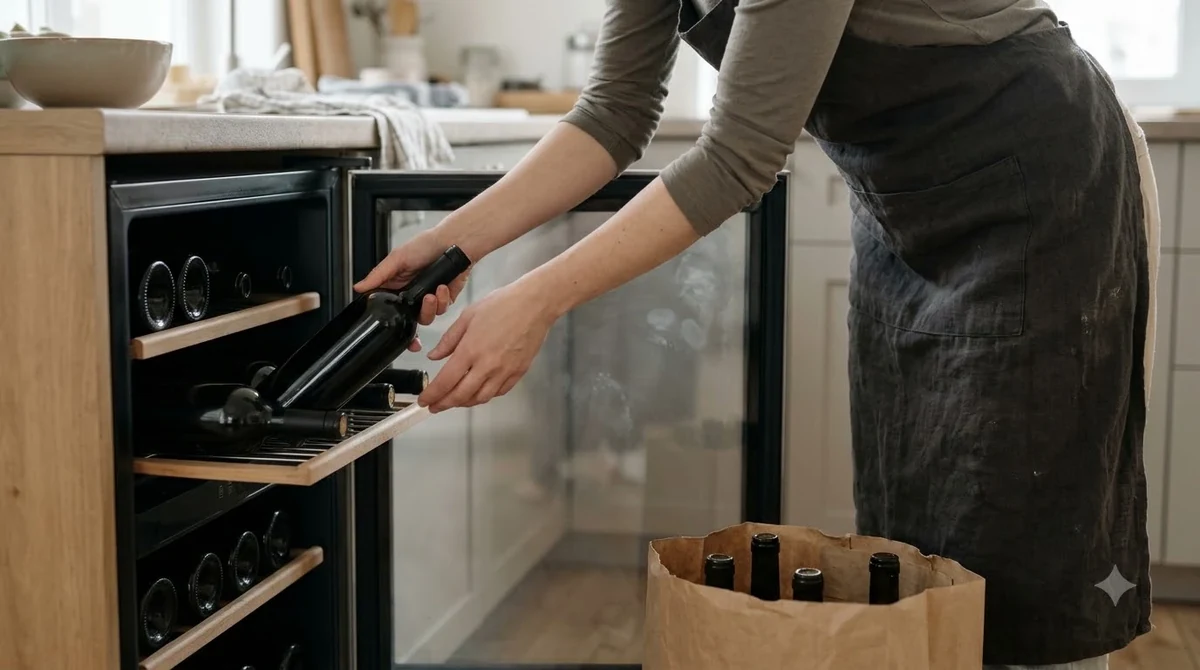
A cabinet that runs without reaching its set temperature may have restricted condenser airflow, a poorly sealing door, or an incorrect temperature setting. Viking’s troubleshooting guidance specifically identifies dirty condenser areas, frequent door openings, and blocked internal ventilation as potential causes of cooling difficulties. These issues deserve attention before replacing expensive refrigeration components.
Another common complaint involves uneven temperatures between storage compartments. This can be particularly important in multi-zone Viking wine cellars, where separate zones have independent temperature controls and circulation fans. If one compartment remains stable while another becomes unusually warm, the problem may involve a zone-specific sensor, fan, or control component rather than the entire refrigeration system.
Unusual sounds also create confusion. A refrigerator does not operate silently. Fans, compressors, and refrigerant valves can produce normal operating sounds, particularly during cooling cycles and defrost operations. However, persistent rattling, scraping, loud buzzing, or repeated clicking deserves investigation, especially if cooling performance has changed at the same time.
The following table summarizes common symptoms and the components or conditions worth investigating first.
| Symptom | Possible cause | Initial response |
|---|---|---|
| Cabinet not cooling | Power interruption or condenser obstruction | Check power and ventilation |
| Temperature too warm | Door seal, dirty condenser, or frequent opening | Inspect gasket and airflow |
| Temperature too cold | Incorrect setting or control problem | Review temperature settings |
| Continuous operation | Restricted airflow or warm room conditions | Inspect condenser area |
| Water inside cabinet | Humidity or drainage issue | Check door closure and drainage |
| Unusual vibration | Uneven installation or loose components | Check leveling and surroundings |
| Flashing P1 | Temperature probe failure | Arrange professional diagnosis |
| Flashing HA | High-temperature alarm condition | Check sealing and cooling airflow |
These symptoms are diagnostic starting points rather than definitive component diagnoses. Different Viking generations use different electronic controls, so an error code or operating behavior should be interpreted using the documentation for the specific model.
For owners comparing appliance maintenance across manufacturers, the same basic diagnostic approach can also help when researching allavino wine fridge repair. However, individual components and service procedures are not interchangeable between brands.
Viking Wine Fridge Not Cooling: Power and Airflow Checks
When a Viking wine fridge stops cooling, begin with the electrical supply and ventilation system. A disconnected power cord, tripped circuit breaker, disabled control panel, or obstructed condenser can prevent normal operation without requiring replacement of the refrigeration system.
Start by checking whether the display and interior lights operate. If the entire appliance appears inactive, inspect the accessible power connection and household breaker. Viking’s installation documentation specifies a 115-volt, 60Hz, 15-amp supply for the covered undercounter and freestanding models. Electrical requirements can vary across product families, so use the appliance’s own installation documentation rather than assuming every model has identical specifications.
If the display is operating but cooling is absent, examine the control settings. Some models have separate on/off controls, electronic temperature adjustments, and operating modes that can affect normal refrigeration. Make sure the appliance is switched on and that the selected temperature is appropriate for the intended storage compartment.
Next, examine the ventilation openings. Many Viking undercounter wine refrigerators use front ventilation, meaning the lower grille must remain unobstructed. Cabinets, decorative panels, accumulated dust, or stored objects blocking the ventilation path can interfere with heat removal.
Condenser contamination is another important possibility. Dust and lint accumulate around the condenser, making heat transfer less effective. The cooling system may then operate for longer periods while struggling to maintain its target temperature.
When the compressor runs but cooling remains weak
A compressor that operates continuously does not necessarily indicate compressor failure. The appliance may be responding to high ambient temperatures, frequent door openings, recently loaded warm bottles, or insufficient condenser ventilation.
Viking’s installation guidance recommends ambient temperatures of 65°F to 80°F for the covered built-in models and 65°F to 90°F for the covered freestanding models. An installation outside the recommended conditions can affect operating performance. These figures apply to the specified product family, not automatically to every Viking wine cellar.
Also consider how much wine has recently been added. A large collection of bottles at room temperature creates additional cooling demand. Give the appliance time to recover instead of repeatedly changing the temperature setting.
Tip: Before requesting service, record the displayed temperature, selected set point, and whether the compressor and fans are running. These observations help a technician distinguish an airflow problem from a possible sensor, control, or refrigeration-system failure.
For model-specific installation and ventilation requirements, consult the Viking wine cellar use and installation guide. Its instructions explain the importance of unobstructed front airflow, appropriate room conditions, and a correctly grounded electrical supply.
Temperature Fluctuations, Thermostats, and Error Codes
Temperature instability can result from faulty sensors, control-board problems, obstructed circulation, or an improperly sealed door. Viking wine cellars use electronic temperature controls, and some models monitor multiple compartments independently, making accurate error-code identification especially important.
A temperature display does not always tell the complete story. On certain Viking undercounter models, the electronic display measures compartment air temperature rather than the actual temperature of the stored wine. Air temperature can fluctuate as the refrigeration system cycles, while the bottles respond more slowly because of their thermal mass.
For this reason, a brief change in the displayed temperature does not automatically indicate a malfunction. A persistent deviation, however, particularly when accompanied by an alarm, deserves attention.
Understanding common Viking error codes
Some Viking undercounter refrigeration manuals identify specific controller messages that help narrow down possible faults. The following codes apply to the covered undercounter product family and should not be assumed to describe every Viking wine cellar.
- P1: Indicates a thermostat probe failure. A technician may need to examine the temperature sensor, its wiring, and the associated control circuit.
- HA: Indicates that the internal compartment temperature exceeded the high-temperature alarm threshold for more than 30 minutes. Possible contributing conditions include an open door, a damaged gasket, restricted condenser airflow, or a recent installation.
- DA: Indicates that the door has been left ajar. Check whether bottles or shelving interfere with complete door closure.
- EE: Indicates a controller data or memory failure. Professional diagnosis may be necessary to determine whether the electronic control requires attention.
These messages provide clues, not instructions to replace specific parts immediately. For example, an HA alarm identifies a temperature problem but does not prove that the thermostat is defective. The underlying cause could be a ventilation restriction or a door-sealing issue.
On Viking’s full-height wine cellar models, the high-temperature alarm can also respond to a fluctuation of 5 degrees from the selected set point for an extended period. The open-door alarm on the model covered by the corresponding manual activates after three minutes.
Owners with multi-zone appliances should record which compartment displays the problem. If the upper zone maintains its temperature but the lower zone does not, the technician can focus on the affected zone’s components instead of assuming that the complete appliance has failed.
For broader troubleshooting advice covering different manufacturers, the Brand Troubleshooting resource provides a useful starting point for understanding wine refrigerator maintenance and repair symptoms.
Condenser Cleaning, Door Gaskets, and Routine Maintenance
Regular maintenance can prevent several problems that otherwise lead to unnecessary Viking wine fridge repair appointments. Condenser cleaning, door-gasket inspection, and unobstructed internal ventilation are especially important because they directly influence cooling efficiency.
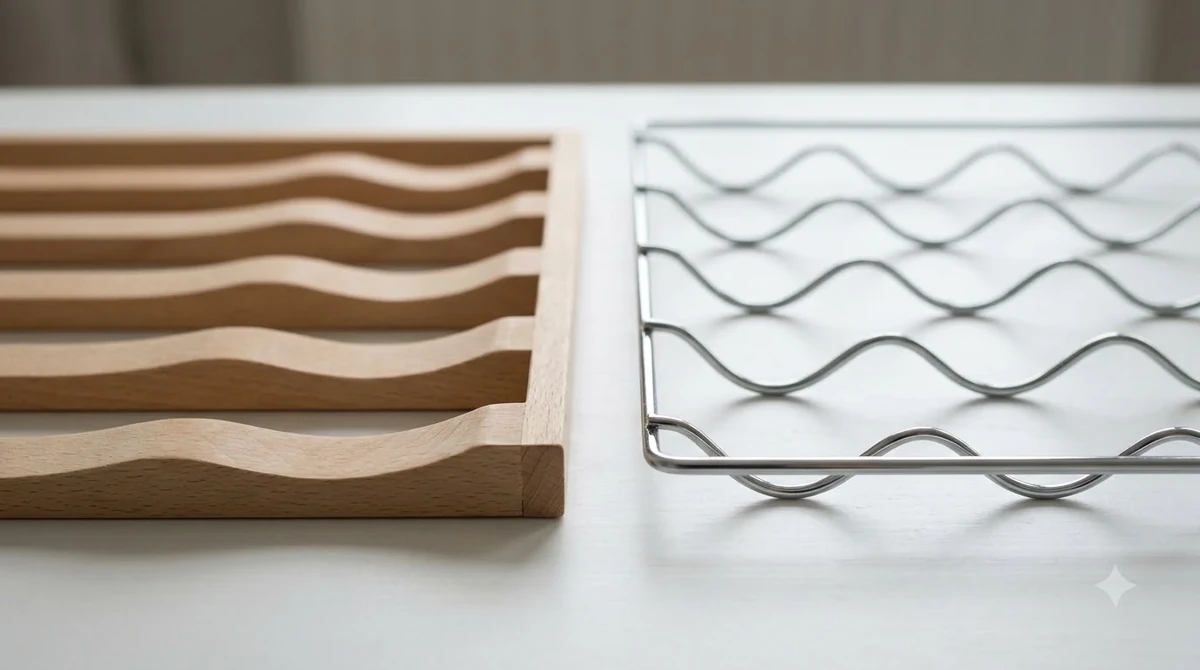
Viking’s undercounter refrigeration manual recommends cleaning the condenser area every three months. On the covered models, the condenser is located behind the kickplate, where dust and lint can collect. The manufacturer warns that accumulated dirt can contribute to temperature loss and mechanical problems.
Cleaning the condenser safely
Begin by switching off the appliance and disconnecting its electrical supply. If the power cord is inaccessible, use the appropriate circuit breaker. Never remove electrical covers or work on energized components.
Once the appliance is safely disconnected, follow the model-specific instructions for accessing the condenser area. Use a soft-bristle brush and vacuum to remove loose dust and lint. Avoid bending condenser fins, crushing tubing, or disturbing electrical connections. Reinstall the kickplate securely before restoring power.
Some newer or different Viking designs use different condenser arrangements and cleaning procedures. Follow the instructions for the exact model rather than applying the same disassembly method to every cabinet.
Inspecting the door gasket
The door gasket creates the seal that keeps warmer room air from entering the refrigerated compartment. A damaged, dirty, or distorted gasket can cause the appliance to run longer and struggle to maintain the desired temperature.
Examine the gasket around its complete perimeter. Look for cracks, hardened sections, tears, and areas that no longer contact the cabinet evenly. Clean ordinary dirt with a mild detergent and water solution, then dry the surface thoroughly.
If the gasket is visibly damaged or cannot maintain consistent contact, arrange an appropriate replacement. A technician should also inspect the hinges and door alignment if the gasket appears intact but the door does not close correctly.
Keeping internal ventilation clear
Do not pack bottles against internal louvers or fan guards. These openings allow conditioned air to circulate throughout the cabinet. Blocking them can produce uneven cooling even when the compressor and thermostat are operating normally.
Keep the interior clean using suitable non-abrasive products. Viking recommends avoiding abrasive cleaners and preventing water from reaching lights, electronic controls, fan motors, and unfinished wood shelf surfaces.
These maintenance practices are particularly useful for appliances installed beneath kitchen counters, where dust accumulation and restricted access can make ventilation problems easy to overlook.
Professional Viking Wine Fridge Repair: Components and Service Decisions
Professional repair becomes necessary when the appliance has an electrical fault, persistent error code, failed cooling component, or temperature problem that remains after basic maintenance. A qualified technician can test the refrigeration system and identify whether a sensor, fan, control board, compressor, or other component needs attention.
Some parts require specialized testing equipment and technical knowledge. Attempting to repair live electrical circuits or open the sealed refrigeration system can create safety hazards and additional equipment damage.
Temperature sensors and thermostats
Temperature sensors provide feedback to the electronic control system. If a sensor reports an incorrect reading or loses its electrical connection, the appliance may cool too much, cool too little, or display an error.
A technician can evaluate sensor resistance, wiring continuity, and the controller’s response. This helps distinguish a failed sensor from a control-board problem or an actual temperature-regulation issue.
On multi-zone Viking wine cellars, the technician should evaluate the affected compartment individually. Some full-height designs use independent temperature sensors and circulation fans for their separate storage zones.
Fans and ventilation motors
Evaporator or compartment fans circulate conditioned air through the cabinet. A failed fan can create uneven temperatures even if the compressor continues operating.
Typical warning signs include unusual fan noise, poor airflow, and substantial differences between compartments. A technician can check the motor, electrical connections, and fan blades for obstruction or damage.
Electronic control boards
The electronic control board coordinates temperature settings, sensor readings, and refrigeration operation. A malfunction may produce persistent error messages, inconsistent cooling cycles, or unresponsive controls.
Because similar symptoms can arise from other components, replacing the board without proper testing is not a reliable repair strategy. A professional should verify the fault and confirm that the replacement part is compatible with the appliance’s model and revision.
Compressors and sealed refrigeration systems
The compressor circulates refrigerant through the sealed cooling system. If the compressor cannot operate correctly, the appliance may struggle to cool despite having adequate electrical power and ventilation.
Other sealed-system problems can include refrigerant leaks, restricted tubing, and related mechanical failures. These conditions require specialist diagnosis and appropriate refrigeration equipment. They are not suitable for routine owner maintenance.
When comparing repair options, owners may also encounter service information for zephyr wine fridge repair and marvel wine fridge repair. These resources can help explain general wine refrigerator maintenance, but parts, diagnostic procedures, and replacement specifications should remain brand- and model-specific.
Repair Preparation, Replacement Parts, and Wine Protection
Preparing accurate appliance information before arranging service can make Viking wine fridge repair more efficient. Model identification, serial information, error messages, and a clear description of the symptoms help the service provider understand which components may need examination.
Locate the model and serial number on the identification plate. The position varies by product family. Some Viking full-height wine cellars place identification information on the left interior wall of the bottom compartment, while other designs use different locations.
Before contacting the service provider, gather the following information:
- Complete model number and serial number.
- Approximate purchase date and available warranty documentation.
- Current temperature settings for each compartment.
- Displayed error codes and alarm messages.
- Whether the compressor and circulation fans appear to operate.
- How long the temperature problem has continued.
- Any recent electrical interruptions, installation changes, or maintenance work.
- Whether the appliance is built-in, freestanding, or installed with a custom cabinet panel.
Photographs of the control display and identification plate can also help when arranging an appointment. Avoid removing internal electrical panels merely to obtain additional information.
Choosing compatible replacement parts
Replacement components should match the appliance’s exact model and applicable production revision. A temperature sensor, circulation fan, gasket, or control board designed for one Viking wine cellar may not be compatible with another.
Ask the service provider to confirm the part number before ordering. Original manufacturer parts or approved compatible components are generally preferable to unverified alternatives, particularly for electronic controls and refrigeration components.
It is also sensible to request an explanation of the diagnosis before approving a major repair. A professional estimate should distinguish the suspected component, labor requirements, replacement-part information, and any additional work necessary to restore normal operation.
Protecting wine during repairs
Wine can be affected by prolonged exposure to unstable storage temperatures, especially during a lengthy cooling failure. If the Viking appliance cannot maintain a suitable environment, transfer valuable bottles to another temperature-controlled storage location.
For general long-term storage, a stable environment near 55°F is a useful target. Avoid placing wine near direct sunlight, heating equipment, or locations exposed to significant temperature fluctuations.
Limit unnecessary door openings while waiting for service. If the appliance has multiple functioning zones, do not assume that the unaffected compartment can safely accommodate every bottle without checking its actual temperature.
After the repair, allow the cabinet to stabilize before returning the collection. Viking’s undercounter manual specifies a minimum operating period of 24 hours after startup before loading perishables on the covered models. Follow the instructions for the particular wine cellar, especially if the technician has performed substantial refrigeration-system work.
Frequently Asked Questions
How long should a Viking wine refrigerator last?
There is no single guaranteed service life for every Viking wine cellar because operating conditions, maintenance, and product design differ. A properly maintained appliance may continue operating for many years, but its compressor, fans, electronic controls, and door seals can eventually require attention. The appliance’s service history is more useful than age alone when evaluating its condition.
Can a Viking wine fridge operate without its interior light?
Yes. An interior lighting failure does not necessarily mean the refrigeration system has stopped working. Some Viking models have separate lighting controls and refrigeration circuits, so a failed light tube or bulb can be an independent issue. A light that remains on continuously is more concerning because it can contribute additional heat inside the cabinet.
Why does my Viking wine cellar show a temperature different from my thermometer?
Different measuring positions can produce different readings because compartment air temperature and bottle temperature do not change at the same rate. Certain Viking undercounter models display actual air temperature, while the stored wine responds more slowly to cooling cycles. Allow sufficient stabilization time and compare readings taken in similar locations before assuming that the controller is defective.
Does a Viking wine refrigerator need a dedicated electrical circuit?
Electrical requirements depend on the model and installation configuration. Viking’s installation documentation for certain undercounter models specifies a 115V, 60Hz supply, while its installation guidance also discusses dedicated-circuit requirements for particular GFI installations. A qualified electrician should verify the actual circuit and local electrical requirements before installation or electrical modifications.
Can I reset a Viking wine refrigerator after a power outage?
Many Viking models resume normal operation automatically when electrical power returns, although the control system may retain a power-failure alarm or recorded temperature information. Some models require an alarm acknowledgment through their control panel. Check the specific manual before changing settings or performing a reset, since clearing an alarm does not correct an underlying cooling problem.
Successful Viking wine fridge repair depends on identifying the actual cause of the malfunction rather than replacing components based on symptoms alone. Regular condenser maintenance, clear ventilation openings, and properly sealing doors help prevent common performance problems. When electrical, electronic, or sealed-system faults occur, an experienced Viking appliance technician can provide the testing and model-specific repairs needed to restore reliable wine storage.
More in Storage & Fridge Care
 How Long Can You Store Wine in a Wine Fridge? Protect Bottle QualityUpdated Nov 20, 2026
 Can You Store Beer in a Wine Fridge? Keep Both Drinks FreshUpdated Nov 20, 2026
 Is It Worth Repairing a Wine Fridge? Spot the Cheap Fixes Before You ReplaceUpdated Nov 20, 2026
 Wine Fridge Condensation: Identify Causes and Fix Moisture ProblemsUpdated Nov 20, 2026
 Wine Fridge Too Cold: Protect Your Wine and Fix the TemperatureUpdated Nov 20, 2026
 How to Reset Wine Fridge: Restore Cooling and SettingsUpdated Nov 20, 2026