

We may earn a commission when you buy through links on this page, at no extra cost to you. Learn more.
Albarino with turkey is an excellent food pairing because Albariño’s bright acidity, citrus flavors, and refreshing character complement roasted poultry while balancing rich Thanksgiving sides. This crisp Spanish white wine works with both white and dark turkey meat, making it a practical choice for a traditional holiday dinner. Its freshness also helps balance buttery stuffing, roasted vegetables, cranberry sauce, and sweet potatoes without overpowering the main course.
Choosing wine for Thanksgiving can be challenging because turkey rarely arrives alone. A single dinner plate might contain roasted meat, savory gravy, buttery mashed potatoes, herb-seasoned stuffing, sweet potatoes, and tart cranberry sauce. Each dish brings a different flavor, texture, and level of richness. Albariño offers an appealing solution because its acidity, aromatic fruit, and generally dry finish can connect these contrasting flavors. Originally associated with Galicia in northwestern Spain, this versatile white grape deserves consideration alongside familiar holiday choices such as Chardonnay and Pinot Noir.
Why Albariño Works With Roasted Turkey
Albariño pairs naturally with roasted turkey because its lively acidity refreshes the palate while its citrus, peach, and melon flavors complement the relatively delicate flavor of poultry. Its moderate body provides enough presence for a substantial meal without the heavy oak influence or pronounced tannin that can make some wines less versatile at a crowded holiday table.
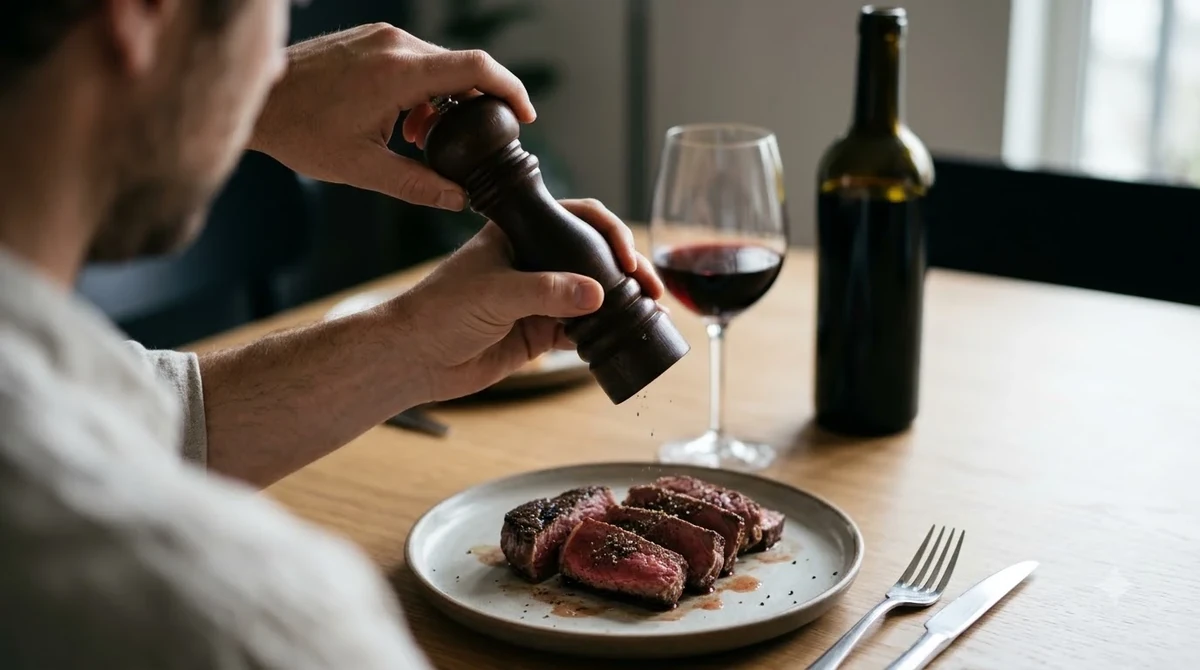
Turkey has a mild, savory flavor rather than the intense richness of beef or lamb. White breast meat is particularly delicate, while dark meat from the thighs and legs has a deeper flavor and slightly richer texture. Albariño can accommodate both because its combination of acidity and aromatic fruit provides contrast without overwhelming the meat. Lemon, white peach, apricot, and subtle floral notes can make roasted poultry taste brighter, particularly when the bird is seasoned with rosemary, thyme, garlic, or lemon.
The grape’s Atlantic origins also help explain its appeal. Rías Baixas, its best-known Spanish home, lies in Galicia near the Atlantic coast. The regional wines are generally crisp, dry, and aromatic, with citrus and stone-fruit flavors. Some also have a noticeable saline impression that adds another dimension to their finish. These characteristics make Albariño particularly suitable for food rather than merely serving it as an aperitif.
Acidity is the most important part of this pairing. A rich meal can leave the palate coated with butter, rendered poultry fat, and creamy sauces. A high-acid white wine helps refresh the mouth between bites, allowing the next taste of turkey or stuffing to remain distinct. Albariño provides that refreshing contrast without requiring a particularly delicate menu.
There is also a useful balance between the wine’s fruit and the savory character of the turkey. Peach and citrus aromas provide a gentle counterpoint to browned skin, roasted herbs, and pan drippings. The result is a pairing that feels complementary rather than competitive.
Rías Baixas itself has recognized this holiday potential, highlighting Albariño alongside turkey, stuffing, roasted vegetables, cranberry sauce, and sweet potatoes in its Thanksgiving recommendations. The regional body’s Thanksgiving pairing recommendations emphasize the wine’s ability to balance rich holiday dishes while complementing autumn flavors.
Matching Albariño With White Meat and Dark Meat
Albariño works with both white and dark turkey meat, although the best results come from matching the wine’s weight and texture to the particular preparation. A young, crisp bottle suits simply roasted breast, while a fuller, lees-aged style can better accommodate richer thighs, crispy skin, and concentrated pan juices.
White turkey breast is lean, mild, and relatively subtle. A bright Albariño with lemon, green apple, and white peach characteristics complements this meat without masking its flavor. The wine’s acidity also creates a useful contrast with butter-based basting mixtures and herb-seasoned skin. For a straightforward roast turkey seasoned with salt, pepper, thyme, and parsley, a fresh, unoaked Rías Baixas bottling is an especially dependable choice.
Dark meat has a deeper poultry flavor and generally feels richer because of its higher fat content and different muscle structure. It can therefore handle a wine with more body and texture. Look for Albariño made with some lees contact, which can provide a rounder mouthfeel while retaining the grape’s characteristic freshness. A slightly more concentrated bottle can stand up to roasted thighs, garlic, rosemary, and pan gravy more comfortably than an extremely light wine.
The preparation of the skin matters, too. Crisp, browned skin contributes roasted flavors and savory richness that make the wine’s acidity particularly useful. If the turkey is basted with butter, the combination becomes even more appealing because the wine refreshes the palate after each bite.
For a mixed platter containing breast, thighs, and drumsticks, choose a medium-weight Albariño rather than an unusually delicate or heavily textured example. This approach avoids having to select a separate wine for each portion of the bird.
Best Thanksgiving Sides to Serve With Albariño
Albariño is especially useful at Thanksgiving because it can complement savory, sweet, acidic, and buttery side dishes. Its bright acidity and citrus-driven flavor provide contrast to rich preparations, while its stone-fruit character works with moderately sweet ingredients such as roasted squash and sweet potatoes.
Herb stuffing: Traditional stuffing made with bread, celery, onion, sage, thyme, and parsley is a natural companion. The wine’s aromatic freshness complements the herbs, while its acidity balances butter and poultry drippings. Sausage stuffing introduces additional fat and savory depth, so a fuller Albariño with some lees aging can be a particularly good choice.
Mashed potatoes and gravy: Creamy mashed potatoes can make a crisp white wine taste especially refreshing. Albariño cuts through the richness of butter and cream, while its fruit character complements the savory flavor of turkey gravy. Avoid serving the wine excessively cold, as very low temperatures can make its aromas difficult to appreciate.
Cranberry sauce: Cranberry sauce introduces one of the more difficult pairing challenges because its tartness and sweetness can make a dry wine seem sharper. Albariño can work well with a lightly sweetened cranberry preparation, especially when the sauce retains fresh fruit character. However, very sweet cranberry relish may overwhelm a bone-dry bottle. A fruit-forward Albariño is generally the better option for this part of the plate.
Roasted vegetables: Carrots, parsnips, green beans, Brussels sprouts, and squash offer different combinations of sweetness, bitterness, and earthy flavor. Albariño’s citrus and stone-fruit notes complement roasted carrots and squash particularly well. For Brussels sprouts, preparations with lemon, garlic, or a moderate amount of olive oil help create a more harmonious pairing.
Sweet potatoes: Roasted sweet potatoes have natural sweetness that can work with Albariño’s peach and apricot characteristics. Savory preparations seasoned with rosemary, black pepper, or a little olive oil are particularly suitable. A very sweet marshmallow-topped casserole is more challenging because the sugar can make a dry wine taste sour and thin.
Green salads: A Thanksgiving salad containing apples, pears, citrus, toasted nuts, or vinaigrette can provide a refreshing transition between richer courses. Albariño’s acidity is especially useful with acidic dressings because the wine should have equal or greater acidity than the food. A lemon-based vinaigrette is therefore generally more suitable than a sweet, heavy dressing.
For the broadest compatibility, serve the wine with the savory elements first. Turkey, stuffing, gravy, and roasted vegetables are dependable matches. Then enjoy the sweeter sides in smaller bites rather than expecting a bone-dry white wine to behave like a dessert wine.
Choosing an Albariño Style for Different Turkey Preparations
Not every bottle of Albariño tastes identical. The grape can produce different expressions depending on its growing region, vineyard conditions, and winemaking approach. Choosing a style that matches the turkey’s seasoning and cooking method makes the pairing more successful.
Rías Baixas in Galicia is the most recognizable starting point. Its five subregions produce wines with subtle differences. Val do Salnés is associated with crisp, aromatic wines that can show melon-like characteristics. O Rosal tends toward peachier and softer expressions, while Condado do Tea can show additional earthy character. These differences provide useful starting points when matching wine to the holiday menu.
For a traditional oven-roasted turkey, a fresh Val do Salnés Albariño is a strong option. Its crisp character, citrus flavors, and aromatic profile complement the bird’s mild meat and herb seasoning. It also has the freshness needed for stuffing and mashed potatoes.
For turkey served with fruit-based sauces, consider a peachier expression from O Rosal. Its softer fruit character can complement roasted sweet potatoes, apples, pears, and lightly sweetened cranberry sauce. The wine should still be dry, but a generous fruit profile can make the combination feel less austere.
For garlic-heavy preparations, earthy seasoning, and turkey cooked with mushrooms, an Albariño with more texture may be suitable. Some producers use lees aging to develop additional complexity and a fuller mouthfeel. This style can handle richer sauces and more concentrated roasted flavors while preserving the grape’s characteristic acidity.
Albariño is also grown outside Spain. In Portugal, it is known as Alvarinho, particularly in the Vinho Verde region. American examples can also come from California, Oregon, and Washington. These wines provide alternatives to Spanish bottles, although their individual profiles depend on the producer and growing conditions.
For a straightforward holiday recommendation, prioritize a dry wine with fresh citrus, peach, and a clean finish. A moderate alcohol level and restrained oak influence help preserve the refreshing qualities that make Albariño suitable for a meal containing many different foods. For additional grape characteristics and serving guidance, Wine Enthusiast’s Albariño overview provides a useful reference.
| Turkey preparation | Recommended Albariño style | Why it works |
|---|---|---|
| Herb-roasted breast | Young, crisp, unoaked | Citrus acidity complements mild poultry and herbs |
| Roasted thighs and drumsticks | Medium-bodied, textured | More mouthfeel accommodates richer dark meat |
| Butter-basted turkey | Bright, high-acid style | Freshness balances buttery richness |
| Smoked turkey | Fruit-forward, medium-bodied | Stone-fruit flavors complement moderate smoke |
| Lemon and garlic turkey | Crisp, citrus-driven | Acidity and aromatic freshness reinforce the seasoning |
| Turkey with cranberry sauce | Ripe-fruited, dry style | Fruit character softens the contrast with tart berries |
| Turkey with mushroom gravy | Lees-aged, fuller style | Additional texture suits earthy, concentrated flavors |
Serving Temperature, Glassware, and Pouring Tips
Albariño should be served chilled but not so cold that its aromas disappear. A practical serving temperature is 45–50°F for a typical crisp white wine, with fuller or lees-aged examples benefiting from the warmer end of that range.
Wine Enthusiast lists a cooler serving recommendation of 38–45°F for Albariño. That can work for a particularly fresh, light bottling, especially as an opening glass before dinner. However, serving the wine slightly warmer allows peach, apricot, floral, and citrus aromas to become more expressive as the meal progresses.
A standard white wine glass with a moderately sized bowl is suitable. It gives the wine enough room to release its aromas without requiring the larger bowl generally used for full-bodied reds. Avoid filling the glass too generously. A standard wine pour is approximately 5 ounces, and a 750-milliliter bottle provides about five standard glasses.
For a Thanksgiving dinner of six adults, plan on approximately two bottles if everyone expects a single glass, or three bottles if most guests want two glasses. Actual consumption varies, but calculating portions ahead of time helps avoid running short during the main course.
Chill the bottle in a refrigerator before guests arrive. If the wine becomes too cold, allow it to sit briefly at room temperature before pouring. If it warms during a long dinner, a brief return to an ice bucket can restore its refreshing character.
Tip: Open a bottle about 10 minutes before serving and pour a small sample first. If the wine seems overly cold and its aromas are muted, give it a few minutes in the glass. Keep the main bottle chilled while serving the meal so the final glasses remain fresh.
Glassware and presentation should remain simple. Albariño does not require decanting, and most young examples are ready to drink after opening. Unlike young, full-bodied reds that may benefit from 30–60 minutes of decanting, a fresh white wine is generally best enjoyed without unnecessary aeration.
If there is wine left after dinner, reseal the bottle and refrigerate it. Most opened still wines remain enjoyable for approximately three to five days when properly stored, although the freshest aromas are usually most noticeable during the first day or two.
Albariño Compared With Chardonnay and Other Turkey Wines
Albariño is not the only wine that works with turkey, but it offers a different balance of acidity, body, and flavor from several familiar holiday choices. Comparing it with Chardonnay, Pinot Noir, and other popular bottles helps identify the best option for the actual dinner menu.
Chardonnay is a natural alternative for guests who prefer a fuller white wine. Unoaked Chardonnay can offer fresh apple, citrus, and pear flavors, while oak-aged examples may have more pronounced vanilla, toast, and buttery characteristics. Those richer styles can complement butter-basted turkey and creamy mashed potatoes, but they may feel heavier alongside a meal containing several rich side dishes. Albariño generally provides a crisper, more refreshing alternative.
For a more detailed comparison, see our guide to Chardonnay with turkey. It explains how different Chardonnay styles match poultry preparations and richer holiday dishes.
Pinot Noir is a useful red wine alternative because it generally has low-to-medium tannin and relatively high acidity. Its red-fruit flavors can complement roasted turkey, mushrooms, and herb-based stuffing. However, its structure is different from Albariño’s. Pinot Noir provides more savory red-fruit depth, whereas Albariño emphasizes citrus, stone fruit, and freshness.
Zinfandel is another possibility, especially for turkey with smoky seasoning, barbecue sauce, or substantial spice. Its fuller body and ripe fruit can stand up to bold preparations, but its higher alcohol and more intense flavor can be less suitable for delicate white meat and lightly seasoned side dishes.
For more information, read our guide to Zinfandel with turkey. It explains why the cooking method and seasoning matter when choosing a more powerful red wine.
Other white wines can also work. Sauvignon Blanc offers high acidity and citrus or herbal characteristics, making it suitable for herb-seasoned turkey and green vegetable sides. Riesling can be useful when the menu contains sweeter ingredients, provided its sweetness level is appropriate for the food. The general rule is that the wine should be at least as sweet as the dish it accompanies.
Albariño stands out because it occupies a useful middle ground. It is more aromatic and saline than many familiar Chardonnay styles, yet generally less assertive than a strongly flavored red. For a table containing turkey, stuffing, potatoes, vegetables, and cranberry sauce, this versatility is a significant advantage.
For a broader approach to matching wines with individual dishes, explore our Albariño food pairing recommendations and the Grape x Food pairing resource. Both can help identify the right wine characteristics for different ingredients and cooking techniques.
Planning a Complete Turkey Dinner Around Albariño
A successful wine pairing becomes easier when the menu is planned around a few complementary flavors. Albariño works particularly well with a holiday dinner that emphasizes fresh herbs, roasted vegetables, citrus, moderate butter, and savory sauces rather than excessive sweetness or heavy spice.
Start with a traditional roast turkey seasoned with rosemary, thyme, garlic, salt, and black pepper. These flavors reinforce the wine’s aromatic qualities without overwhelming its delicate fruit. Lemon zest or a little lemon juice in the seasoning can provide an additional connection with Albariño’s citrus character.
For stuffing, choose a bread-based preparation with celery, onions, sage, and parsley. If using sausage, keep the seasoning balanced rather than making the stuffing extremely spicy. Excessive chili heat can be amplified by alcohol and tannin, and although Albariño is not tannic like a red wine, strong heat can still make a dry white seem less refreshing.
Prepare vegetables with olive oil rather than relying entirely on heavy cream sauces. Roasted carrots, green beans, squash, and Brussels sprouts all provide suitable savory flavors. A modest amount of lemon juice or fresh herbs can bring the different vegetables together with the wine.
Keep cranberry sauce moderately sweet and retain some of its natural tartness. If the sauce is very sweet, serve it in smaller portions alongside the turkey instead of allowing it to dominate every bite. This helps preserve the balance between the dry wine and the rest of the meal.
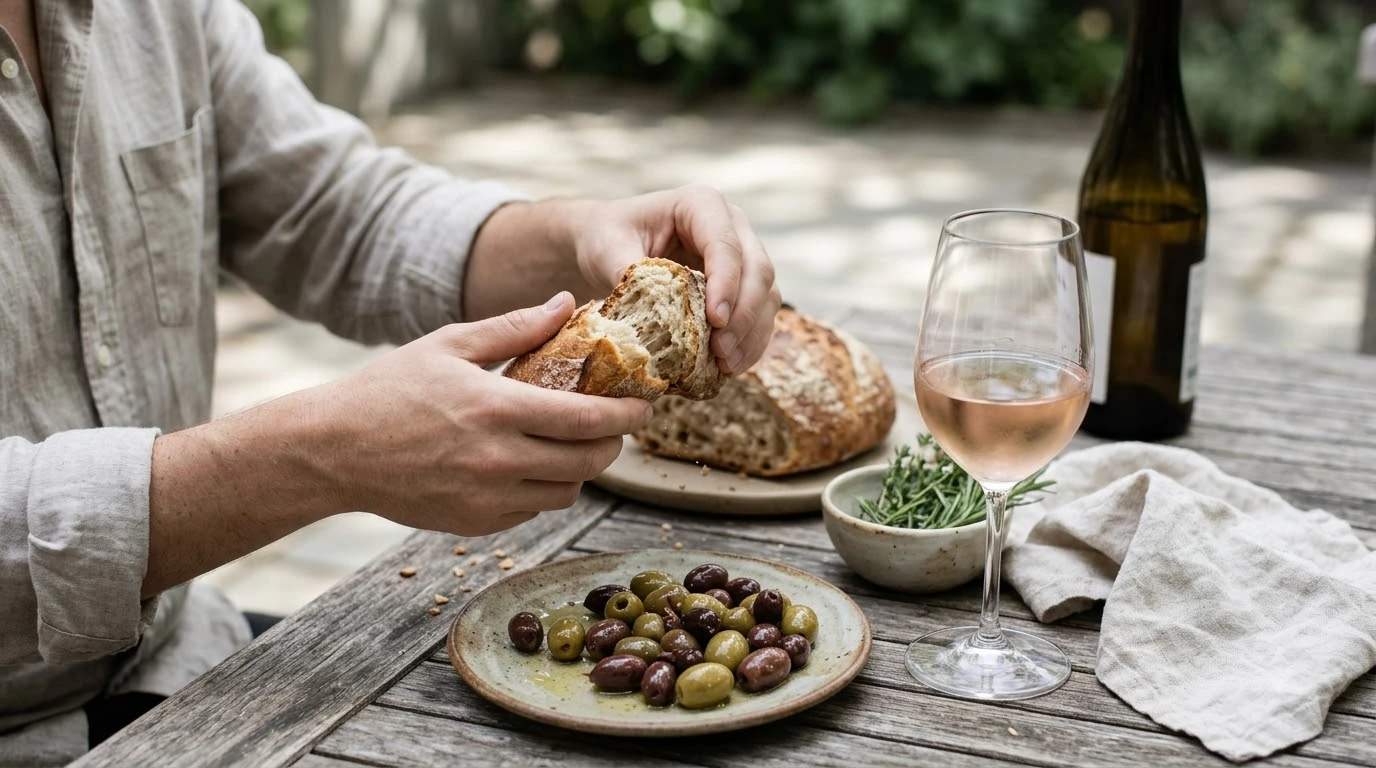
Cheese and appetizers can also be considered. Fresh goat cheese, mild young cheeses, olives, and seafood appetizers can work with Albariño’s acidity and aromatic profile. Wine Enthusiast also identifies chicken tikka skewers and sea bass with lime and coconut milk ceviche among possible pairings, illustrating the grape’s ability to accompany both savory and citrus-driven foods.
For guests who prefer different wines, there is no need to make every person drink the same bottle. Albariño can be the primary white wine, while a medium-bodied Pinot Noir provides an alternative for guests who prefer red wine. A fuller Chardonnay can also be available for those who favor a rounder texture.
The most practical approach is to keep the menu relatively balanced. Avoid pairing a very light wine with an overwhelmingly sweet dish, or expecting one dry bottle to complement every dessert. Once the main course and savory sides are finished, a sweeter wine may be more appropriate for pumpkin pie, pecan pie, or other desserts.
Albariño does not need an elaborate menu to work. A simple roast turkey, herb stuffing, mashed potatoes, green vegetables, and moderately sweet cranberry sauce are enough to demonstrate why this Spanish white wine deserves a place at the holiday table.
Frequently Asked Questions
Is Albariño always made from 100% Albariño grapes?
No. Although the grape is particularly associated with varietal wines from Rías Baixas, regional wine production can include different permitted grape compositions and styles. Albariño is also used in blends, depending on the producer and applicable regional regulations. The name of the grape alone does not establish the complete composition of every bottle.
Is Alvarinho the same grape as Albariño?
Yes. Alvarinho is the Portuguese name for the same grape variety known as Albariño in Spain. It is particularly associated with the Vinho Verde region of Portugal. The resulting wines can differ according to growing conditions and winemaking decisions, even though the underlying grape variety is the same.
Does Albariño have a mineral or salty taste?
Some Albariño wines have a noticeable saline impression alongside citrus and stone-fruit flavors. This characteristic is particularly associated with descriptions of Rías Baixas wines. It is a sensory impression rather than evidence that salt has been added to the wine. The intensity varies among producers and individual bottlings.
Can Albariño be aged instead of drinking it young?
Some examples can develop additional complexity with bottle age, particularly wines made with lees aging and more substantial structure. Rías Baixas producers make different styles, and not every bottle is intended for extended cellaring. A fresh, straightforward bottling is generally best enjoyed for its youthful fruit and aromatic character.
Can Albariño be served as an aperitif before Thanksgiving dinner?
Yes. Its aromatic character, crisp acidity, and refreshing finish make it suitable before the main meal. It can accompany light appetizers such as olives, fresh goat cheese, seafood bites, and mild vegetable preparations. Serving it before dinner also provides a natural transition to roasted turkey and savory side dishes.
Albariño is a versatile choice for turkey because its bright acidity, citrus character, and stone-fruit aromas complement poultry while refreshing the palate between rich holiday dishes. Choose a crisp, dry bottle for traditional roast turkey or a fuller, lees-aged example for richer preparations and gravy. With sensible serving temperature and balanced side dishes, Albariño can carry a Thanksgiving meal from the first pour through the final savory bite.
More in Food & Wine Pairing
 Risotto With White Wine Recipe: Make a Creamy Dinner at HomeUpdated Nov 20, 2026
 Wassail With Wine Recipe for a Festive Spiced Holiday DrinkUpdated Nov 20, 2026
 Spritz Veneziano Recipe: Make a Classic Venetian Aperitivo at HomeUpdated Nov 20, 2026
 Summer Wine Punch Recipe for Easy Homemade EntertainingUpdated Nov 20, 2026
 Bishop Recipe: How to Make a Bright, Citrus-Forward Red Wine CocktailUpdated Nov 20, 2026
 Wine Cupcakes Recipe: Bake Rich Chocolate Cupcakes at HomeUpdated Nov 20, 2026