

We may earn a commission when you buy through links on this page, at no extra cost to you. Learn more.
Cuisinart wine fridge repair usually starts with power, airflow, and temperature settings, and many of those problems can be solved at home before you call a technician. Confirm the unit is plugged in and that its circuit breaker has not tripped. Then check the vent clearance, the door seal, and the thermostat. Refrigerant and compressor faults are the ones that generally need a professional.
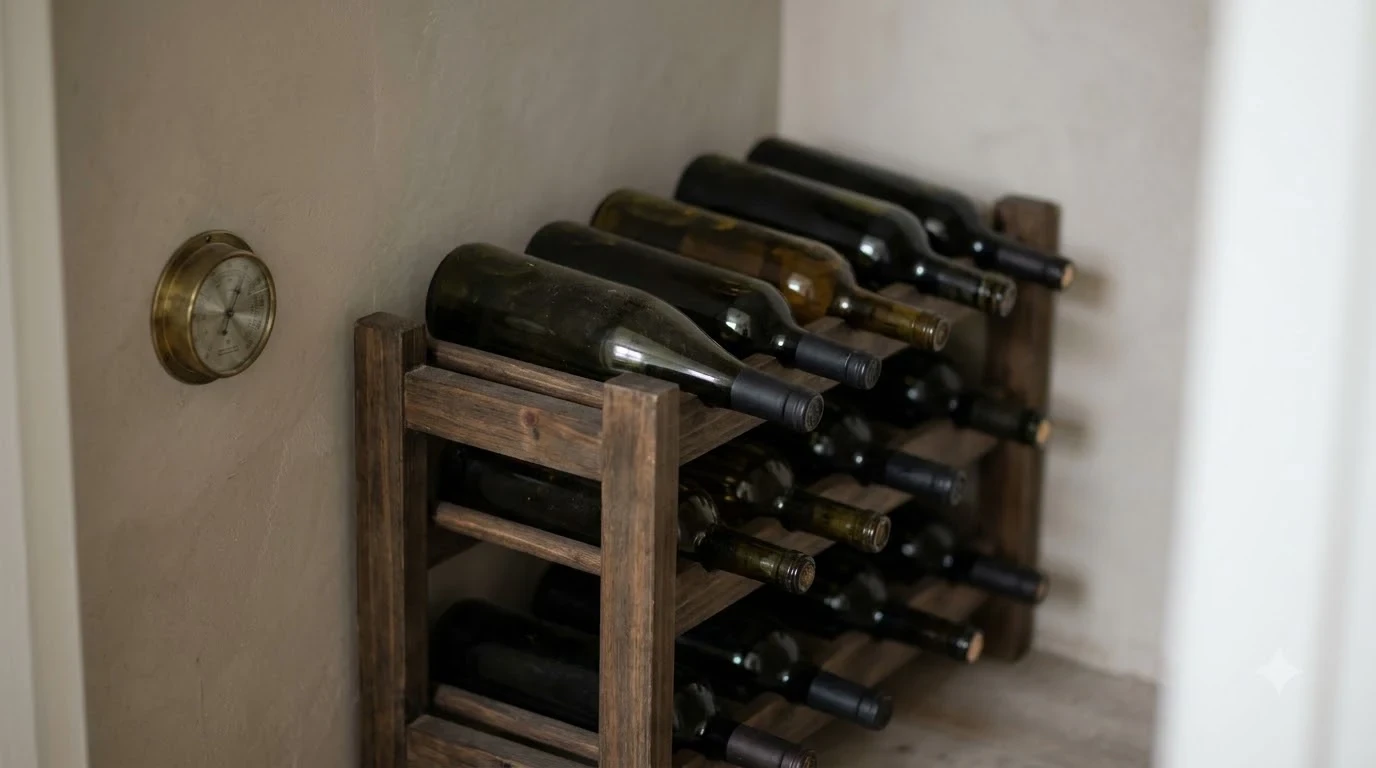
A wine fridge that stops cooling, runs without pause, or fogs up on the inside puts a whole collection at risk. Heat is the most serious threat, because according to Wine Enthusiast it can push a cork out of the bottle and lead to oxidation, which can turn wine brown and strip away its fruit. The good news is that most faults on a Cuisinart unit are simple to diagnose. The sections below move from the quickest checks to the repairs that need a technician, so you can stop as soon as the problem is solved.
Check Power, Breakers, and Placement First
Start with the basics, because a unit that is unplugged, on a tripped circuit, or sitting unevenly can look broken when nothing inside has failed.
Begin at the outlet. WebstaurantStore’s wine fridge troubleshooting guide notes that a power cord can become unplugged by accident, so confirm it is seated firmly in a working outlet and replace the cord if it looks loose or damaged. Next, check the circuit. A blown fuse or a tripped circuit breaker cuts power to the cabinet, and the guide advises resetting the breaker or replacing the fuse before assuming the compressor has failed.
Level placement comes next. Cuisinart’s owner’s manual for the CWC-1200DZ lists a level surface as the first fix for vibration, and it gives the same advice for a door that will not shut properly: level the unit and look for blockages from bottles or shelves. A cabinet that is not level can vibrate, and a door that is out of square may not seal.
The table below pairs each common symptom with its most likely cause and the first check to run.
| Symptom | Likely cause | First check |
|---|---|---|
| Interior too warm | Thermostat set too high | Set near 55°F for red wine |
| Compressor silent | Tripped breaker, blown fuse, or defrost cycle | Reset the breaker and wait for defrost to finish |
| Runs nonstop | Dirty condenser coil or door left ajar | Clean the coil and close the door fully |
| Condensation on cabinet | Worn door gasket or high room humidity | Inspect the gasket; consider a dehumidifier above 60% |
| Interior light out | Loose or burned-out bulb | Tighten the bulb, then replace it if needed |
| Warm, cramped operation | Less than 3 in. at left and rear or 5 in. at right | Move the unit to meet the manual’s spacing |
Clearance and Room Temperature Set the Limits
Cooling depends on airflow around the cabinet and on the temperature of the room that holds it. Both are easy to correct without opening the unit.
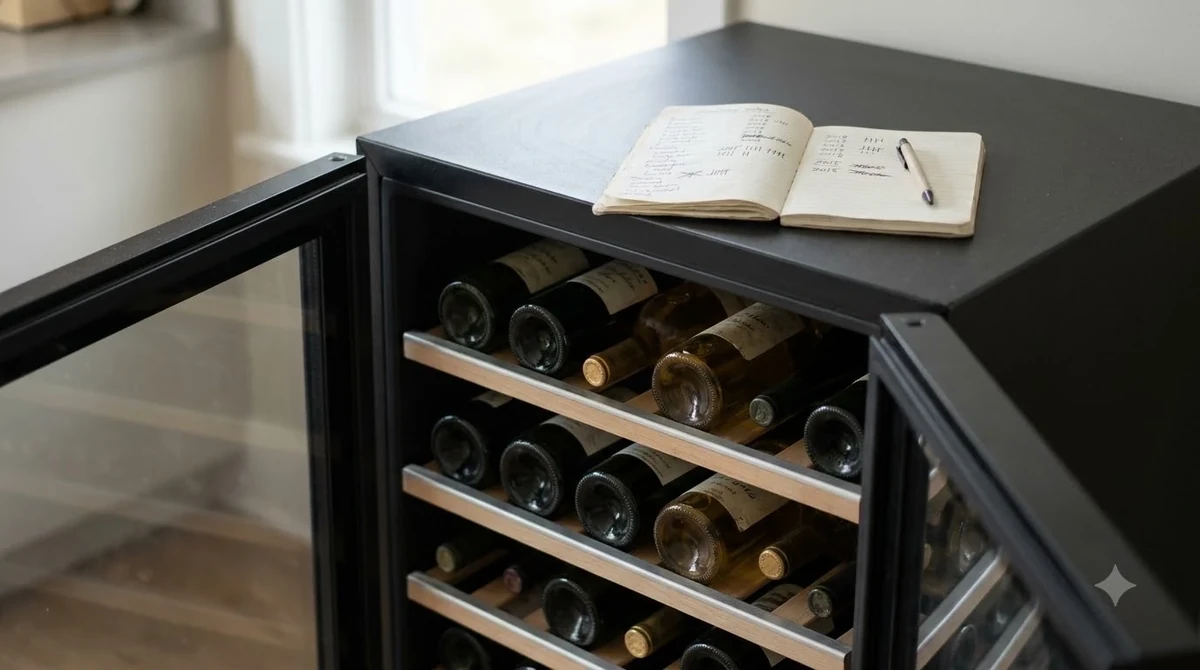
The Cuisinart manual asks for at least 3 inches of space on the left side and rear of the unit, with 5 inches on the right side. The cooling vents on both sides must stay unobstructed, so a unit pushed tight against cabinetry will struggle to shed heat. Give the cabinet room on every side and keep bags, décor, and shelving away from the vents.
Room temperature matters as much as clearance. According to the same manual, when the ambient temperature reaches 80°F (27°C) or higher, the unit can have difficulty chilling adequately on the white wine setting. A kitchen near an oven or a room with a window that catches afternoon sun is an obvious candidate for this problem, so move the cabinet to a cooler spot if the interior stays warm despite correct settings.
Loading matters too. WebstaurantStore advises letting bottles reach their recommended serving temperature before placing them in the cabinet, and it warns that a large load of warm product can overwhelm the cooling system. Load in small batches, and leave air space around the bottles so cold air can circulate.
Set the Thermostat for Storage, Not Serving
WebstaurantStore’s troubleshooting guide counts a thermostat set too high among the leading causes of a cabinet that will not cool. In most cases the fix is a setting change rather than a repair.
For storage, aim for a set point near 55°F for red wine. Wine Enthusiast recommends a steady temperature between 53 and 57°F for red, white, sparkling, and fortified wines alike, because the storage environment should stay consistent across styles. Serving temperature is a separate matter. Bottles can be taken out and served warmer or cooler than they were stored, so the cabinet itself should be set for stability.
Overly cold is a problem too. The Cuisinart manual says that if the temperature control is set too cold, the owner should adjust it to a warmer setting. When wine appears too warm, the manual’s first suggestion is to allow time for recently added bottles to reach the desired temperature, since a freshly loaded cabinet needs time to settle. Change one setting at a time and give the unit time to stabilize before judging the result.
Tip: Keep a standalone thermometer on a middle shelf, away from the vents, for about a week after any setting change, and note the reading at the same time each day. Patterns show up in a log that a single glance at the control panel will miss.
Door Seals, Condensation, and Humidity
A worn door gasket lets warm room air into the cabinet, and that air leaves moisture behind on the cold surfaces inside. Condensation on the cabinet exterior or the floor is often the first visible sign of a gasket problem.
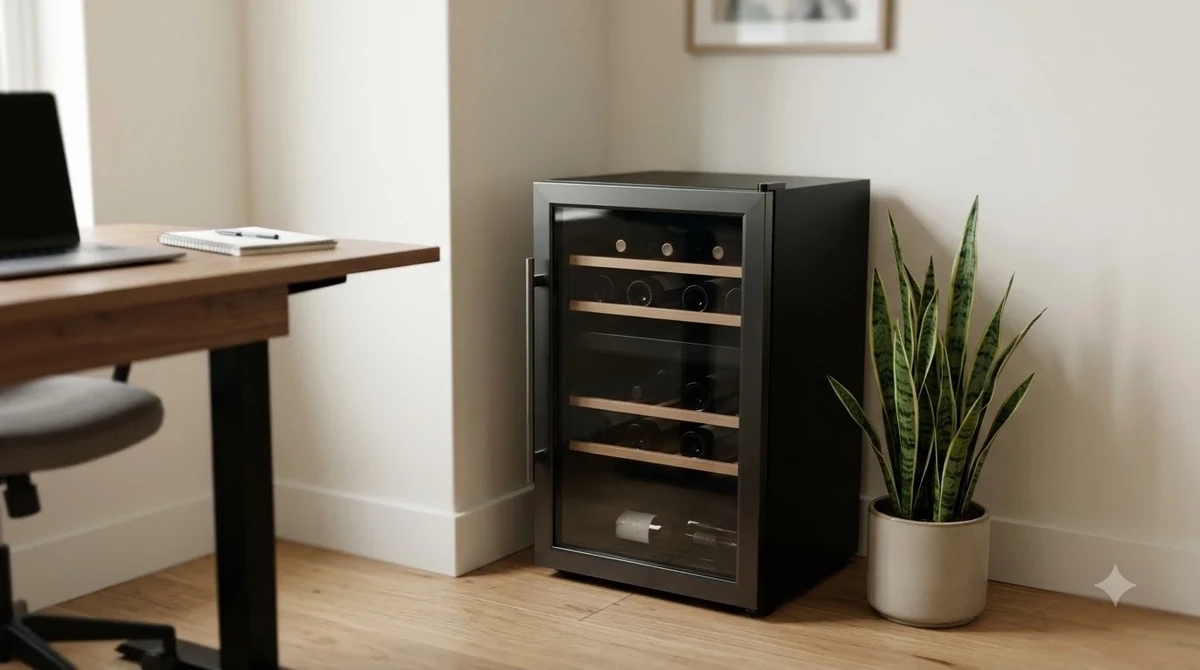
Start with the gasket. WebstaurantStore advises inspecting the door seal for wear, cracks, or gaps, and says a worn or cracked gasket should be replaced to restore an airtight seal. Close the door fully and make sure it latches. A door that is only partly closed lets warm air in, which keeps the compressor working harder and raises the odds of condensation.
Room humidity is the second factor, and the two thresholds below do not conflict. For condensation, WebstaurantStore suggests a dehumidifier when room humidity stays above 60 percent. For cork health, Wine Enthusiast’s guide to the enemies of wine advises a consistent relative humidity between 50 and 80 percent, because once corks dry out, harmful air can sneak past them and cause oxidation.
Some moisture is expected. The Cuisinart manual notes that moisture on the interior or exterior is normal during high humidity periods, and it warns that prolonged or frequent door openings make the problem worse. Check the gaskets and door alignment first, and reserve a dehumidifier for rooms where the reading stays high for most of the year.
Compressor Cycling, Defrost, and Condenser Coils
A compressor that goes silent or runs nonstop often traces back to a defrost cycle, a dirty condenser coil, or a door that does not close fully. Each of those has a simple fix.
A silent compressor is often a normal defrost cycle. WebstaurantStore explains that during defrosting the compressor may not run for some time while the unit clears accumulated ice, and it should resume once the cycle ends. Wait before assuming a fault, and confirm the thermostat is not set too high, since that can keep the compressor from running efficiently.
Dirty condenser coils are a frequent and fixable cause of weak cooling. WebstaurantStore says dust, debris, and dirt can block airflow and reduce cooling efficiency, so the coil should be cleaned regularly. Unplug the unit before you work near the coil, and clear the surface gently so the fins are not bent.
A cabinet that runs for long stretches is not always failing. The same guide notes that a door left ajar, leaking gaskets, and large loads of warm bottles all make the condensing unit work harder. Correct those three problems before concluding that the compressor itself is at fault.
Interior Light, Odors, and Cleaning
Interior lights and odors are less urgent than cooling faults, but both affect the experience of opening the cabinet, and both have predictable causes.
WebstaurantStore lists three common reasons a fridge light stops working: a poor connection at the switch, a bulb loosened by vibration, and a bulb that has burned out. Turn the switch off and on again first, then make sure the bulb is screwed in tightly. Replace the bulb only if it looks blackened or gives no light at all.
Clean the interior regularly with warm water and mild detergent, and avoid harsh chemicals or abrasive materials that can damage shelves and interior surfaces. The same guide ties routine cleaning to preventing mold and odors. Dry the interior completely after washing, because standing moisture gives mold the conditions it needs to start.
Odors deserve attention because they can reach the wine itself. Wine Enthusiast warns that strong, sustained smells can negatively alter a wine’s flavor, and it lists aromatic wood, lacquer, cigars, garlic, strong spices, and household or garage chemicals among the sources. Keep the cabinet away from those smells, and avoid placing it in a garage unless the space functions as a dedicated cellar.
When to Call a Professional and What to Prepare
Refrigerant, compressor, and internal electrical faults belong with a trained technician, but a well-prepared owner can make the visit far more efficient.
Low refrigerant is the clearest case for a professional. WebstaurantStore says that when low refrigerant is suspected, a technician should inspect the system and recharge the refrigerant as needed. If cooling still fails after the power, clearance, thermostat, gasket, and coil checks above, the problem most likely sits in this category, and no amount of resetting will replace that work.
Before you call, write down the symptom, the set temperature, the room temperature, and every step you have already tried, including whether the breaker was reset, the coil was cleaned, and the gasket was inspected. A technician who receives that record can narrow the cause faster and avoid repeating checks you have already completed. Have the model number ready as well.
If your unit is made by a different company, the same logic applies, but the controls and parts differ. Our allavino wine fridge repair guide, zephyr wine fridge repair page, and marvel wine fridge repair page walk through those models, and our Brand Troubleshooting hub helps match a symptom to the right guide.
Frequently Asked Questions
How long does a new Cuisinart wine fridge take to cool down?
The Cuisinart CWC-1200DZ manual says a first-time start can take up to 48 hours to reach the desired temperature. Let the cabinet settle before loading bottles, and avoid adjusting the setting during that window, since changes restart the process.
How long does opened wine last in the fridge?
Still wines usually keep three to five days after opening when refrigerated, while sparkling wine lasts one to three days. Fortified wines can keep for several weeks, and bag-in-box wine lasts four to six weeks, which makes it a practical choice for slow drinkers.
What serving temperature works best for red wine taken from the fridge?
Full-bodied reds generally serve best between 60 and 65°F, while light reds sit a little cooler at 55 to 60°F. Young full reds benefit from decanting for 30 to 60 minutes, which lets their aromas open before pouring.
How many glasses are in a standard bottle?
A 750 ml bottle yields about five glasses at a standard 5 oz pour. Sparkling wine is best served between 40 and 50°F, and sweet whites taste best between 43 and 50°F.
Does light affect wine stored in a wine fridge?
Yes. Wine Enthusiast notes that UV rays from the sun can destroy tannins, which protect wine from oxidation, and that non-LED artificial lights with harmful UV can do the same. Keep the unit out of direct sunlight and away from bright fixtures that run close to the glass.
Most Cuisinart wine fridge repair jobs end with a setting change, a clearance fix, or a cleaned coil, and those steps cost little time. Reserve a technician for refrigerant or compressor faults, and keep a written record of every change you make so the technician starts with a clear picture.
More in Storage & Fridge Care
 How Long Can You Store Wine in a Wine Fridge? Protect Bottle QualityUpdated Nov 20, 2026
 Can You Store Beer in a Wine Fridge? Keep Both Drinks FreshUpdated Nov 20, 2026
 Is It Worth Repairing a Wine Fridge? Spot the Cheap Fixes Before You ReplaceUpdated Nov 20, 2026
 Wine Fridge Condensation: Identify Causes and Fix Moisture ProblemsUpdated Nov 20, 2026
 Wine Fridge Too Cold: Protect Your Wine and Fix the TemperatureUpdated Nov 20, 2026
 How to Reset Wine Fridge: Restore Cooling and SettingsUpdated Nov 20, 2026