

We may earn a commission when you buy through links on this page, at no extra cost to you. Learn more.
When you compare chardonnay vs viognier, the core difference is style: chardonnay is a dry white that ranges from crisp to creamy depending on climate and oak, while viognier is a dry, full-bodied white with a perfumed profile of apricot, peach and honeysuckle and noticeably lower acidity. For everyday dinners, chardonnay is the more flexible pick because it handles lemon, butter and roasted dishes with ease. Viognier shines when you want a fragrant, rounded glass beside seafood in rich sauces or spiced vegetable dishes. The sections below cover origin, flavor, acidity, oak, serving, and pairing so you can choose with confidence.
Chardonnay and viognier often appear side by side on restaurant lists because both are full-bodied whites that people reach for when they want something richer than a crisp sauvignon blanc. Their similarity ends at the glass. Chardonnay is one of the most widely planted white grapes in the world and shows up in regions from Burgundy to the Barossa Valley. Viognier is a specialist grape with a much smaller footprint and a dramatic history. If you are also weighing bubbles, our chardonnay vs prosecco comparison covers that choice, and the Wine vs Wine hub lists other matchups worth reading.
Where Chardonnay and Viognier Come From
Chardonnay has its spiritual home in France, while viognier traces back to one small corner of the Rhône Valley. That origin explains much of the difference in the glass, because each grape grew up in a very different climate and tradition.
Chardonnay is the main white grape of Burgundy, where the wines change sharply from north to south. In the cool climate of Chablis, the wines are citrusy and apple-driven with a flinty, stony edge, and many are either kept in stainless steel or aged in neutral oak. Farther south in the Côte d’Or, the wines become fuller and toastier, often spending more time in newer barrels. Chardonnay is also the sole grape in bottles labeled blanc de blancs in Champagne. Outside France, the grape has become the hallmark of many New World regions, and Wine Enthusiast’s chardonnay profile points to California’s Napa Valley and Sonoma County as prominent examples.
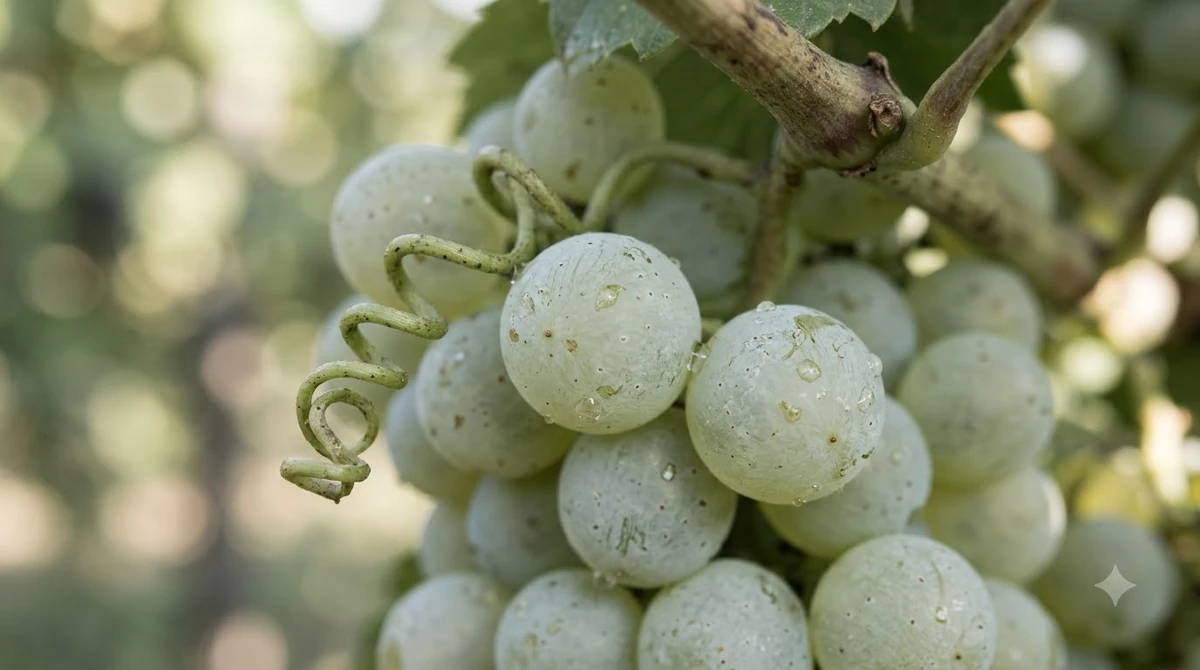
Viognier has a far more fragile history. Its original home is Condrieu and Château-Grillet in the northern Rhône, where the appellations limit their vineyards to viognier alone. According to Decanter’s feature on the grape, viognier came close to extinction after phylloxera and the cost of farming steep slopes drove growers away. By the late 1960s, no more than 12 hectares remained in the northern Rhône. A handful of producers, most notably Georges Vernay, led its revival, and the grape later spread to Languedoc, Argentina, Chile, California, Australia and New Zealand.
Tip: If a bottle says Condrieu or Château-Grillet, you are looking at a wine from a district that grows only viognier, so the label already tells you the grape.
Aroma and Flavor: Orchard Fruit Versus Perfume
Chardonnay usually tastes of apple, citrus and flint in cool climates, while viognier leads with floral and stone fruit aromas that are hard to miss. Viognier smells sweeter than it actually is.
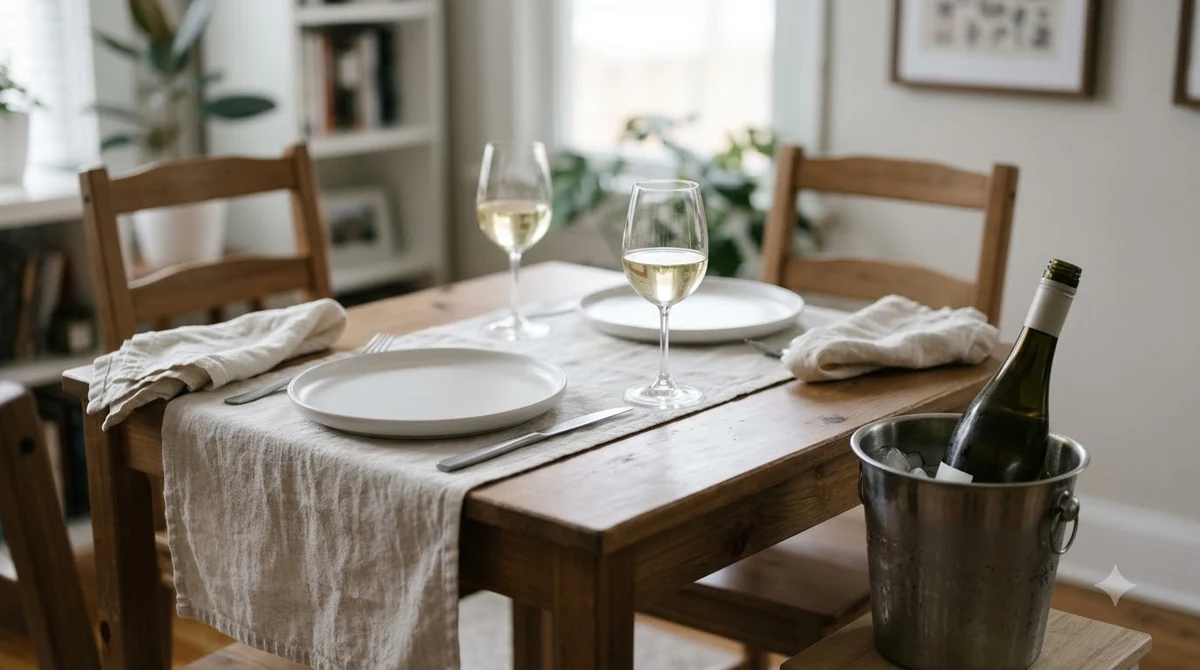
Chardonnay’s flavor depends heavily on where it grows. Cool-climate examples lean toward green apple, lemon and flint, while moderate to warm regions push toward peach, melon and tropical fruit. Oak adds vanilla and toast, and malolactic fermentation gives many bottles a creamy texture and buttery flavor. Because so many variables shape the glass, one chardonnay can taste lean and mineral while another tastes lush and rounded, even when both carry the same name.
Viognier is built around aroma. Wine Enthusiast describes it as full-bodied, aromatic, floral and fruity, with honeysuckle or citrus blossom on the nose and ripe peach, pineapple and honey on the palate when the grapes reach the right ripeness. That perfume often leads people to expect sweetness, yet the wine is mostly made dry with no residual sugar. If you are unsure which style you prefer, start with a cool-climate chardonnay and a warm-climate viognier and notice how the fruit moves from crisp orchard notes to heady, flowery ones.
Acidity and Body: Why Viognier Feels Richer
Viognier has low acidity, so it feels rounder and oilier in the mouth, while chardonnay usually sits at medium acidity with a firmer backbone. The contrast is easy to notice when you pour the two side by side.
Acidity is the main reason viognier feels richer. Decanter describes the grape as very low in acidity, which can make the wine opulent and sensuous but also blowsy and heavy if it is not vinified with great care. Picking early keeps acid higher, yet Decanter quotes Philippe Guigal warning that early picking can leave unpleasantly vegetal aromas. Viognier therefore has to be picked at full ripeness, and that ripeness pushes alcohol upward. Wine Enthusiast notes that warm-region viognier can reach the 14 percent range, so the body feels full and the palate relies on texture rather than acid for balance.
Chardonnay sits in a more structured middle ground. Wine Enthusiast points out that chardonnay can lose acidity quickly toward the end of ripening, which is why very warm vineyards sometimes produce flat wines. Malolactic fermentation converts sharp malic acid into softer lactic acid, so winemakers use it to round out the texture. The result is a wine that can taste taut and bright or round and buttery depending on the vineyard, the climate and the cellar choices. The table below lays out the main differences.
| Feature | Chardonnay | Viognier |
|---|---|---|
| Typical acidity | Medium, higher in cool climates | Low |
| Alcohol in warm regions | Varies by style and vineyard | About 14 percent |
| Main aromas | Apple, citrus and flint in cool climates; peach and melon in warmer ones | Apricot, peach, honeysuckle and citrus blossom |
| Sweetness | Dry | Mostly dry, with no residual sugar |
| Serving range | 45 to 55°F | 45 to 55°F |
| Typical cellaring | 5 to 10 years | 0 to 2 years |
How Oak Changes Each Wine
Oak often defines the character of chardonnay, while viognier usually sees little or no new wood, even in its more serious bottlings. That single decision shapes how each wine feels on the table.
Chardonnay takes oak well. Wine Enthusiast notes that the grape can be made unoaked, barrel-fermented or barrel-aged, and that oak contributes vanilla and toast. In the Côte d’Or, newer barrels give the wines their toasty, richer style, while Chablis often avoids oak or uses neutral barrels that add texture without much flavor. When people describe a chardonnay as buttery, they are usually picking up on oak and malolactic fermentation working together.
Viognier is handled with a lighter hand. Decanter reports that few producers age Condrieu in 100 percent new oak. Regular bottlings may see none, while the top cuvées can reach about 25 percent new oak. The big exception is Guigal, whose top cuvée Doriane is fermented and aged entirely in new oak, though it is selected from the most structured fruit rather than being a typical example. With viognier, the goal of oak is to support the perfume, because too much wood can mask the fruit.
Serving Temperature and Cellaring Potential
Both wines serve well between 45 and 55°F, but chardonnay usually rewards a longer cellar stay than most viognier. Storage and temperature choices matter more than many people expect.
Wine Enthusiast recommends serving both chardonnay and viognier between 45 and 55°F. In practice, unoaked chardonnay tastes crisper near the cooler end of that range, while oaked chardonnay and viognier show more texture as they warm a little. Pull the bottle out a few minutes before pouring if it has been sitting in a cold fridge door, because a slightly warmer wine lets the aromas open.
Cellaring is where the two diverge. Wine Enthusiast suggests chardonnay can age five to 10 years, while most viognier is best drunk within about two years. The most serious style, Condrieu, can last longer, and Decanter reports that most growers consider it at its best up to about four years old. Store unopened bottles on their side near 55°F, away from light and heat, and keep the temperature steady so the wine ages gradually.
Food Pairings: Matching Each Wine to Your Plate
Chardonnay is the safer partner for buttery, creamy and acidic dishes, while viognier works best with seafood in rich sauces and aromatic, spiced plates. Matching acidity is the simplest starting point.
Chardonnay’s medium acidity gives it enough backbone to handle lemon, cream and butter. Wine Enthusiast’s chardonnay pairings include roasted halibut with braised cannellini beans, grilled lobster with Swiss chard and pink grapefruit beurre blanc, and scallops with roasted fennel and brown-buttered pine nuts. Each of those dishes has fat or citrus that a medium-acid wine can match. A useful rule is that acidic food needs a wine of equal or higher acidity, so a lemony sauce points you toward chardonnay rather than viognier. For a crisper seafood option, see albarino vs chardonnay for a fresher take on the same style.
Viognier pairs with richer, more aromatic plates. Wine Enthusiast suggests seared scallops in a rosé cream sauce, sea bass with fennel and saffron sauce, pan-roasted snapper with maitake mushrooms, and sweet potato pancakes with dried apricot salsa verde. These dishes share generous texture and a sweetness or perfume that echoes viognier’s stone fruit and floral notes. Because viognier has low acidity, it is better to avoid very sharp vinaigrettes or citrus-heavy dishes, which will taste harsher beside it.
Choosing Between Chardonnay and Viognier
Choose chardonnay when you want flexibility, a range of styles and an easy match for a mixed menu. Choose viognier when fragrance and roundness matter more than crispness.
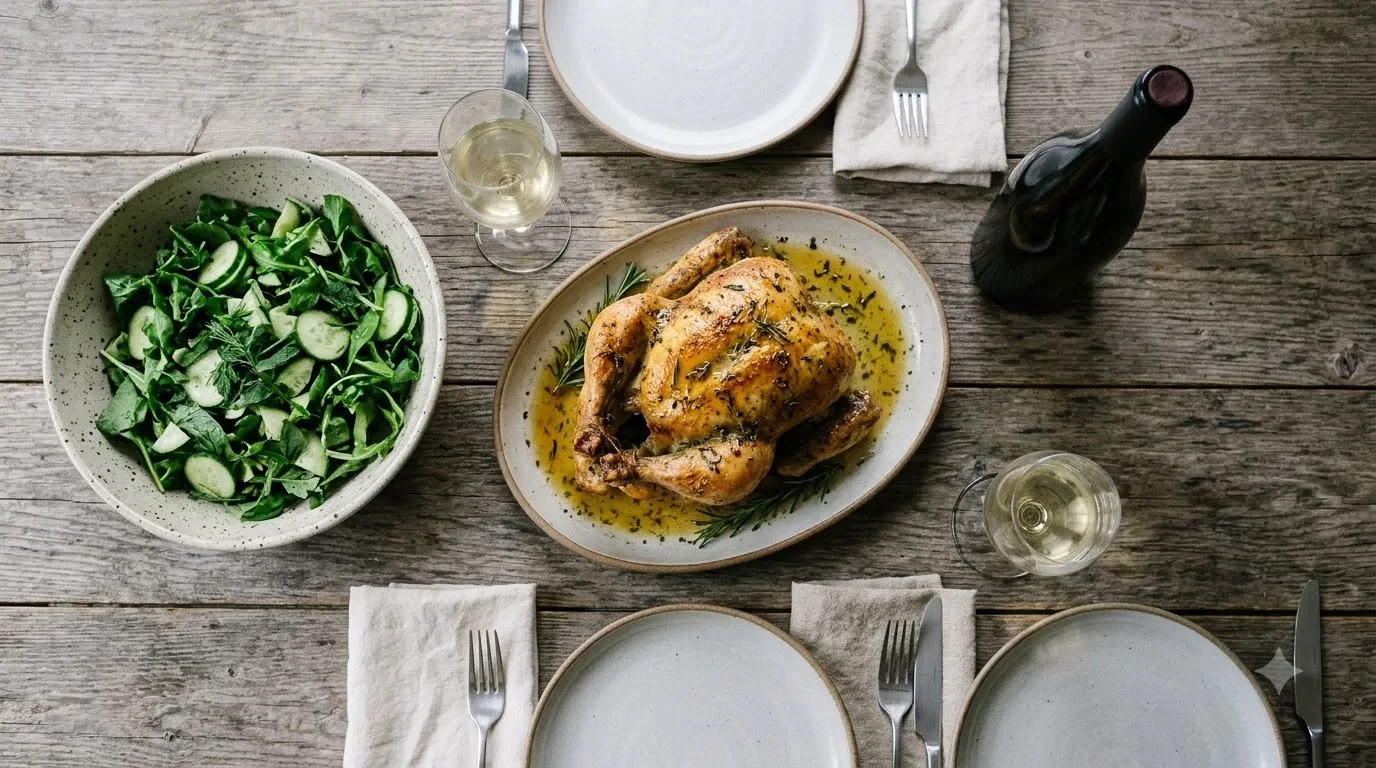
Start with the most important dish on the table. If the menu includes lemon, butter, cream or roast chicken, chardonnay has enough acidity to hold its own and enough texture to stand up to rich food. If you are cooking one fragrant plate, such as scallops with saffron or a spiced vegetable dish, viognier’s perfume and roundness can carry the course. Matching the wine to the dish that matters most keeps the decision simple when guests have different tastes.
Think about the style you want as well. Chardonnay runs from lean, citrus-led bottles to rich, oak-driven wines, which makes it a practical default for a group. Viognier has a more distinctive identity, so the real question is whether you enjoy its ripe stone fruit and floral lift. If you are looking for a lighter, pink option to pair with the same dishes, our chardonnay vs rose comparison explains how those styles differ.
Frequently Asked Questions
Can chardonnay and viognier be blended together?
Yes, and the combination has been popular in Australia and California from time to time. Wine Enthusiast also notes that white Rhône-style blends made outside the valley often combine viognier with marsanne and roussanne. If a label lists those grapes, you are looking at a blend in that style.
Does viognier ever go into red wine?
Yes. Winemakers in the Rhône Valley often blend a small percentage of viognier into red Syrah. Fermenting the two together helps the Syrah set a deeper red color and adds light floral notes. The viognier is rarely noticeable as a separate flavor, so you are more likely to notice the color and the lift.
Is viognier difficult to grow?
It can be. Viognier is susceptible to powdery mildew, which spreads quickly in humid weather and can ruin the grapes for winemaking. Vines are often low yielding, so vineyard managers have to give them close attention. Decanter reports that yields were rarely above 15 hectoliters per hectare in the past, while better plant selections have since pushed them to about 35 under ideal conditions.
Do top Condrieu producers ferment in barrel?
Some do. Decanter reports that Pierre Gaillard ferments his wines in barrel because he believes it brings out the minerality that sets Condrieu apart. Christine Vernay, who took over from her father Georges, ferments in conical wooden vats and then ages the wines in varying proportions of new barriques.
How long does an opened bottle keep?
Still wines like chardonnay and viognier usually keep three to five days after opening. Re-cork the bottle tightly and refrigerate it, because cold temperatures slow oxidation and help the fruit hold on longer. Once the wine has faded noticeably, it is better used in cooking than poured at the table.
Chardonnay is the better all-round white for most tables, and viognier is the better choice when you want a fragrant, full wine beside seafood or spiced dishes. Pour both with the same simple meal and notice how each one changes the food. That side-by-side test will tell you more than any label.
More in Wine vs Wine
 Chenin Blanc vs Pinot Gris: Acidity, Body, and Pairing DifferencesUpdated Nov 20, 2026
 Chianti vs Lambrusco: How Tuscany and Emilia-Romagna Reds CompareUpdated Nov 20, 2026
 Chianti vs Primitivo: Key Differences in Taste, Body, and PairingUpdated Nov 20, 2026
 Chianti vs Rioja: Key Differences in Taste, Aging, and PairingUpdated Nov 20, 2026
 Chianti vs Shiraz: How Acidity, Body, and Food Pairings CompareUpdated Nov 20, 2026
 Chianti vs Syrah: Key Differences in Taste, Body, and Food PairingUpdated Nov 20, 2026