

We may earn a commission when you buy through links on this page, at no extra cost to you. Learn more.
Barbera vs Montepulciano comes down to tannin and acidity: Barbera is a low-tannin, high-acid red from Piedmont that tastes juicy and bright, while Montepulciano is a deeper, more structured red from central Italy that suits heartier meals. Both are dry Italian reds, but they come from different grapes, regions, and winemaking traditions, so they behave differently at the table. Barbera is the lighter, more food-friendly choice for everyday dinners like pizza and tomato pasta, while Montepulciano needs richer food and a little time to open up. The sections below compare the two on origin, structure, flavor, serving, and pairing.
If you have ever stood in a wine shop choosing between two Italian reds with similar names, you are not alone. Barbera and Montepulciano sound related and both show up on shelves across the United States, but they are different grapes with different personalities. Much of the confusion comes from Montepulciano also being a Tuscan town, which gives some well-known wines a name that does not match the grape inside. Our Wine vs Wine guide is a useful starting point if you want to compare other wine pairs first.
Barbera and Montepulciano Are Different Grapes With Different Names
Barbera is a grape, while Montepulciano can refer to a grape, a town, and a region, and that difference explains most of the confusion on the shelf. Getting the naming right is the first step toward choosing the bottle you actually want.
Barbera is a grape variety rather than a place. Unlike wines named for a district, such as Chianti, Barbera takes its name from the grape itself, so a bottle labeled Barbera tells you what is in the glass before it tells you where it was made. Regional names that follow it, such as Barbera d’Asti or Barbera d’Alba, add detail about the place the grapes were grown.
Montepulciano works the other way around, and that is where people get tripped up. When Montepulciano comes first in the name, as in Montepulciano d’Abruzzo, the word refers to the grape. When it comes after “di,” as in Vino Nobile di Montepulciano, the wine is named for the Tuscan town and is made from Sangiovese instead. If Vino Nobile is the wine you are weighing, our chianti vs montepulciano comparison shows how it stacks up against another Sangiovese-based red, and the grape question is covered in montepulciano vs sangiovese.
Origins and Regions: Piedmont Barbera Meets Abruzzo Montepulciano
Barbera is rooted in Piedmont in northern Italy, while Montepulciano is most closely associated with Abruzzo and the wider central part of the country. Those home regions shape the climate, the vineyard sites, and the style you will taste in each glass.
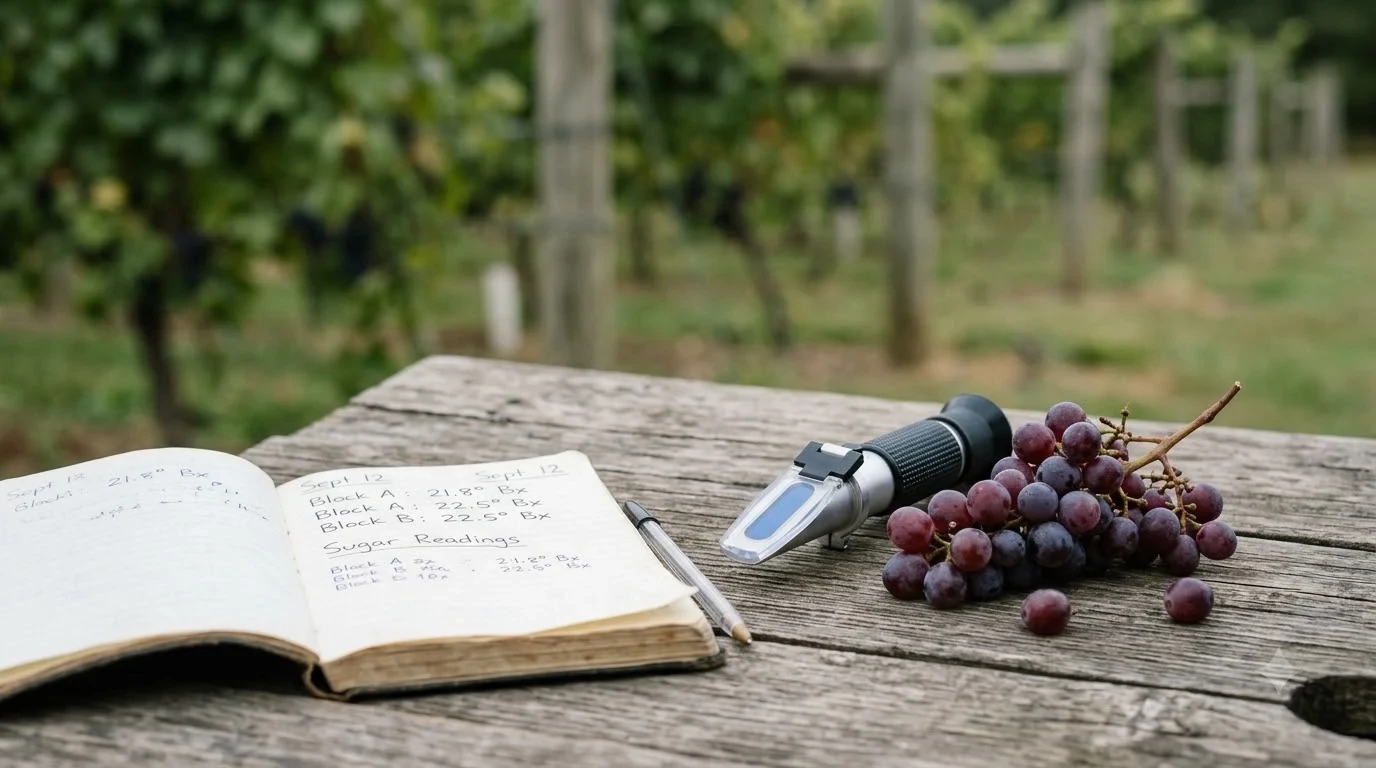
According to Food & Wine’s Barbera guide, most of the Barbera poured in restaurants and sold in wine shops comes from Piedmont, where the most sought-after bottles carry the names Barbera d’Asti, Barbera d’Alba, or Barbera del Monferrato. Wine Folly reports that more than 60 percent of the world’s Barbera vineyards sit in Piedmont, which makes the region the variety’s clear heartland. The grape’s origin is hard to pin down, but ampelographers suspect it may date back as far as the seventh century, well before Cabernet Sauvignon, which Wine Folly places in the seventeenth century.
Montepulciano comes from a different part of the peninsula. Wine Folly describes it as mostly grown in central Italy, and Montepulciano d’Abruzzo is the name you will see most often on labels. Usual Wines notes that the grape also grows in Molise, Marche, Lazio, and Puglia, though Abruzzo remains its classic home. Montepulciano d’Abruzzo DOC blends must contain at least 85 percent Montepulciano, with up to 15 percent Sangiovese allowed, so a bottle may be a near-pure Montepulciano or a lightly blended wine.
Regional character matters too. Wine Folly describes Italian Barbera as fresher in style, with tart blackberry notes and ample acidity. Usual Wines calls the Montepulciano grape vigorous and high yielding, capable of deep color and extract-rich wine. Those two regional personalities explain why a Piedmont Barbera and an Abruzzo Montepulciano can share a menu yet taste nothing alike.
Acidity, Tannin and Body in the Glass
Barbera is the high-acid, low-tannin option, while Montepulciano sits at medium-high on both measures and feels fuller in the mouth. That split drives most of the food decisions you will make with these two wines.
Acidity is Barbera’s defining trait. Wine Folly rates it low in tannin and high in acidity, and Food & Wine says its mouthwatering acidity keeps the wine fresh and lets it cut through fat and protein with ease. The result is a juicy wine rather than a grippy one. Its dark color can be misleading, since Wine Folly notes that staining pigments make the wine look nearly black even though it drinks light-bodied.
Montepulciano is built on a different structure. Wine Folly’s Montepulciano profile lists it as dry, with medium-full body, medium-high tannin, medium-high acidity, and between 11.5 and 13.5 percent alcohol by volume. Usual Wines describes its tannins as soft and rounded, which is why many bottles feel more approachable than the numbers suggest. Oak aging adds more pronounced tannin and fruit, so the same grape can taste firmer or softer depending on how the winemaker raised it.
In practice, Barbera feels brighter and livelier, while Montepulciano feels fuller and more grippy. If you want a red that stays fresh and easy to finish, Barbera is the safer pick. If you want more backbone to stand up to braised meat or a rich sauce, Montepulciano gives you the structure.
| Trait | Barbera | Montepulciano |
|---|---|---|
| Tannin | Low | Medium-high |
| Acidity | High | Medium-high |
| Body | Light to medium | Medium to full |
| Serving temperature | 55 to 60 degrees Fahrenheit | 60 to 65 degrees Fahrenheit |
| Decanting | Usually not needed | 30 to 60 minutes |
| Typical drinking window | 2 to 4 years | 4 to 7 years, with cellaring of 10 or more years possible |
| Common aging vessel | Large neutral oak casks | Stainless steel or small oak barrels |
Flavor Profiles: Brambly Fruit Versus Plum, Herbs and Oak
Barbera usually shows bramble, sour cherry, and wild strawberry, while Montepulciano brings darker plum and blackberry with dried herbs and baking spice. Both can develop savory notes with age, but their fruit sits in different places.
Barbera’s fruit leans toward brambly berries, wild strawberries, and fresh cherries, according to Food & Wine. Wine Folly’s Barbera guide adds dark cherry, dried strawberry, plum, and blackberry, along with violet, lavender, and dried leaves. When oak is involved, it can bring vanilla or nutmeg, and as the wine ages, savory notes such as mushrooms or minerals tend to come forward while the brightness keeps it fresh.
Origin changes the flavor as well. Wine Folly says Italian Barbera is often herbaceous, with juicy acidity and tart black cherry flavors, while American Barbera can be quite fruit-forward and fuller. Almost every Italian Barbera also carries a note of licorice, which is one reason a glass from Piedmont can seem both rich and light at once.
Montepulciano’s fruit is darker. Wine Folly lists red plum, blackberry, dried thyme, baking spices, and mesquite as its primary flavors, and Usual Wines adds wild cherry, boysenberry, dried tobacco, and oregano. Oak-aged bottles move toward chocolate, clove, and peppery spice, which makes them a natural partner for grilled and smoked dishes. Barbera tastes like fresh fruit and acidity, while Montepulciano tastes darker, herbal, and spicier.
Serving Temperature, Decanting and Cellaring
Serve Montepulciano a few degrees warmer than Barbera, give it time in a decanter, and expect Barbera to be ready to drink sooner. Those three adjustments make the biggest difference in how each wine tastes at home.
For Montepulciano, Usual Wines recommends 60 to 65 degrees Fahrenheit, which sits within the usual range for full-bodied reds. Wine Folly gives a slightly wider window of 60 to 68 degrees. Barbera works best a few degrees cooler, at 55 to 60 degrees, which keeps its acidity sharp and its fruit lively. Serving either wine at room temperature tends to make the alcohol and tannin stand out, so a short stay in the refrigerator before pouring is worth it.
Decanting is where the two wines diverge most. Wine Folly suggests about an hour for Montepulciano, while Usual Wines recommends around thirty minutes after a brief chill, and both fall within the 30 to 60 minute window that suits young, firmer reds. Decanting lets the wine breathe and softens the grip of its tannin. Barbera has less tannin to soften, so it rarely needs time in a decanter, and pouring straight from the bottle is a reasonable default.
Cellaring follows the same split. Wine Folly gives Montepulciano a drinking window of four to seven years and says well-made examples can cellar for ten years or more. Barbera is traditionally enjoyed within two to four years, according to Wine Folly’s Barbera guide, and Food & Wine notes that it is not typically necessary to age Barbera before drinking. The exception is the Superiore style from Piedmont. Barbera d’Asti Superiore must age at least 14 months, with half of that time in oak, so those bottles reward patience in a way everyday Barbera does not.
Tip: Recork any opened bottle of either wine and keep it in the refrigerator, where still wines typically stay good for three to five days. Store unopened bottles on their sides in a cool spot near 55 degrees Fahrenheit so the corks stay moist.
Food Pairings for Barbera and Montepulciano
Barbera is the easier match for pizza, tomato pasta, and grilled meats, while Montepulciano handles sausage, braised beef, and rich sauces with more confidence. The guiding principle is simple: match acidity with acidity, and let fat and salt soften tannin.
Barbera’s bright acidity makes it a natural partner for tomato-based dishes. Food & Wine calls Barbera and pizza a classic combination and says the wine also works with grilled meats, tomato-sauce pasta, mushroom dishes, and hard cheeses. Wine Folly suggests rich dark meats, mushrooms, and herbs, and says higher-tannin foods like root vegetables and braised greens can also find balance with it. If you are weighing Barbera against Sangiovese-based reds for the same meal, our barbera vs chianti breakdown walks through the differences in acidity and tannin.
Montepulciano needs more fat and salt to show its best side. Usual Wines suggests beef bolognese, brisket, meatloaf, barbecue, hamburgers, and any dish with a rich tomato or cheese sauce, along with pizza topped with sausage or pepperoni. Wine Folly calls it an excellent partner for sausages of all kinds, from smoked andouille on a meat lover’s pizza to sweet Italian sausage flavored with fennel. Fat and salt soften the tannin in a wine like this, which is why those dishes make it taste rounder and more fruit-driven.
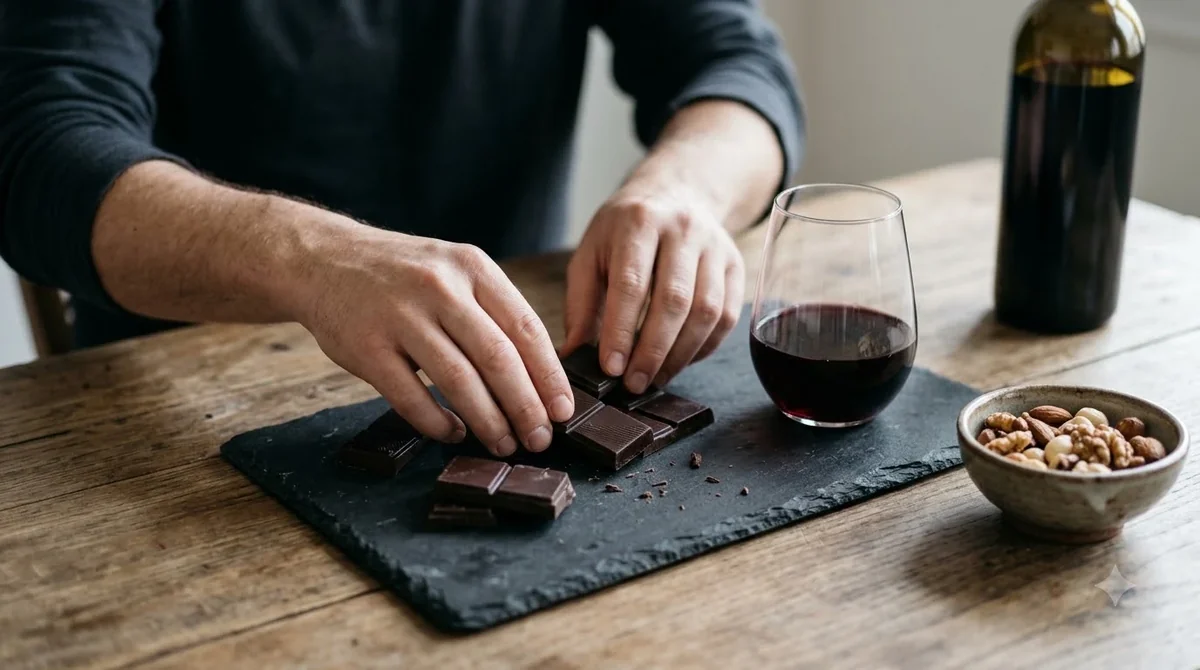
Dessert and cheese deserve a quick note. Usual Wines suggests pairing Montepulciano d’Abruzzo with a cherry, blackberry, or boysenberry crumble, and it says a longer-aged Riserva goes well with dark chocolate. Barbera’s acidity suits a simple cheese plate built on hard cheeses. Choose the wine first, then build the dish around its strongest trait: fresh acidity for Barbera, firm tannin and dark fruit for Montepulciano.
Frequently Asked Questions
These questions cover the details readers ask about most when choosing between Barbera and Montepulciano, with facts that do not appear earlier in this guide.
What is Barbera del Monferrato, and is it easy to find?
Food & Wine says Barbera del Monferrato has a smaller presence on the American market than Barbera d’Asti or Barbera d’Alba. Its vibrancy and generous fruit make it hard to stop at one glass, so it is worth picking up when a shop has it.
How long does Montepulciano d’Abruzzo Riserva need to age?
Usual Wines says a Riserva must be aged for at least three years, and at least six months of that time must be spent in oak barrels. That extra time is what separates the Riserva from the everyday expression, and it puts the wine toward the longer end of the four-to-seven-year drinking window.
What does Cerasuolo d’Abruzzo mean?
Cerasuolo means cherry in Italian. Usual Wines describes Cerasuolo d’Abruzzo as a Montepulciano rosé with a deeper hue than the pale pink rosés common in France and the United States, and it says the wine is full-bodied with the same deep fruit as the red version.
How much Barbera is grown in the United States?
Wine Folly estimates about 7,000 acres of Barbera in the United States, out of roughly 62,900 acres worldwide. It adds that about 2,000 acres are planted in Australia and about 1,300 in Argentina. Wine Folly also notes that Italian farmers planted Barbera in California before Prohibition, and many of those vineyards were later pulled out.
Can Barbera be sparkling?
Yes, in a few places. Wine Folly says the Colli Piacentini DOC in Emilia-Romagna produces lightly sparkling Barberas with a freshness similar to Lambrusco or Beaujolais. Those bottles are very rare outside Italy, so they are hard to find in most shops.
Choosing between Barbera and Montepulciano is less about which wine is better and more about which one fits the food. Reach for Barbera when you want something bright and lively with tomato sauce, pizza, or grilled dishes, and choose Montepulciano when the plate includes sausage, braised beef, or rich cheese sauces. Both wines reward a little attention to temperature and timing.
More in Wine vs Wine
 Chenin Blanc vs Pinot Gris: Acidity, Body, and Pairing DifferencesUpdated Nov 20, 2026
 Chianti vs Lambrusco: How Tuscany and Emilia-Romagna Reds CompareUpdated Nov 20, 2026
 Chianti vs Primitivo: Key Differences in Taste, Body, and PairingUpdated Nov 20, 2026
 Chianti vs Rioja: Key Differences in Taste, Aging, and PairingUpdated Nov 20, 2026
 Chianti vs Shiraz: How Acidity, Body, and Food Pairings CompareUpdated Nov 20, 2026
 Chianti vs Syrah: Key Differences in Taste, Body, and Food PairingUpdated Nov 20, 2026