

We may earn a commission when you buy through links on this page, at no extra cost to you. Learn more.
Albarino vs vermentino comes down to acidity, flavor, and regional character: Albariño is generally brighter, more citrus-driven, and more sharply refreshing, while Vermentino often brings softer acidity, herbal notes, and a savory Mediterranean character. Both are dry white wines that pair naturally with seafood, vegetables, and lighter meals. Choose Albariño for oysters, ceviche, and dishes that benefit from lively acidity, or Vermentino for grilled fish, herbs, olive oil, and Mediterranean cooking.
These grapes share an affinity for coastal vineyards, but they express their origins differently. Albariño is strongly associated with Galicia in northwestern Spain, particularly the Rías Baixas region, while Vermentino has important homes in Sardinia, Liguria, and Tuscany. Understanding their differences makes it easier to choose a bottle for dinner, compare unfamiliar wine labels, or find an alternative when your preferred grape is unavailable.
Albariño and Vermentino: The Main Differences
Albariño generally offers higher acidity, concentrated citrus and stone-fruit flavors, and a particularly refreshing finish. Vermentino is also fresh and dry, but its character often leans toward Mediterranean herbs, yellow fruit, citrus peel, and a subtle savory or bitter-almond finish.
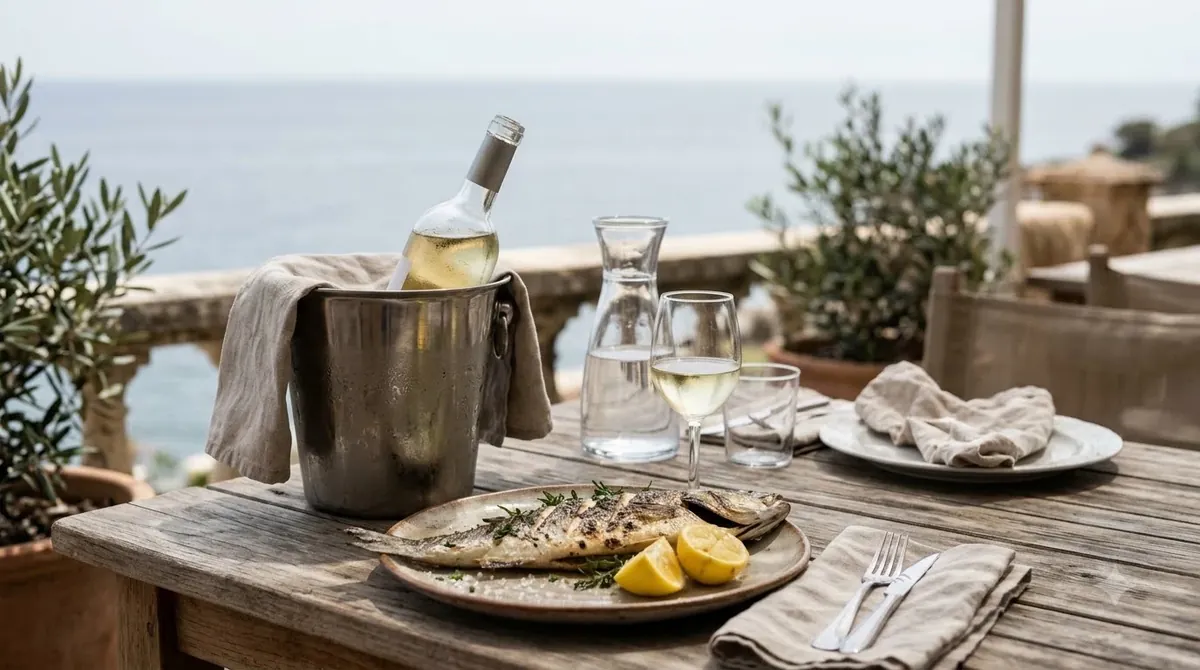
Both grapes can produce light to medium-bodied wines, although winemaking decisions and growing conditions influence their final weight. Albariño frequently has a slightly fuller mid-palate than its crisp first impression suggests. Vermentino can also be surprisingly substantial, particularly in structured examples from Sardinia’s Gallura area.
| Characteristic | Albariño | Vermentino |
|---|---|---|
| Primary origin | Galicia, Spain | Mediterranean Italy |
| Important regions | Rías Baixas, Vinho Verde | Sardinia, Liguria, Tuscany |
| Typical sweetness | Dry | Dry |
| Acidity | High | Medium to high |
| Body | Light to medium | Light to medium |
| Common fruit flavors | Lemon, grapefruit, peach, nectarine | Lemon, lime, yellow apple, peach |
| Additional flavors | Salinity, flowers, green almond | Mediterranean herbs, almond, savory notes |
| Alcohol range | Approximately 11.5-13.5% ABV | Approximately 11.5-13.5% ABV |
| Best-known food matches | Oysters, clams, ceviche, grilled fish | Grilled seafood, herbs, seafood pasta |
| Serving temperature | 45-50°F | 45-50°F |
The table describes common still-wine styles rather than fixed rules for every bottle. Alcohol, body, acidity, and flavor intensity vary by climate, harvest conditions, fermentation, and aging. For example, a warmer-climate Vermentino may feel rounder and more generous than a particularly lean coastal example. Similarly, Albariño aged on its lees can have greater texture than a straightforward stainless-steel bottling.
The most useful distinction is the overall impression. Albariño emphasizes freshness, citrus, and juicy fruit, while Vermentino frequently combines fruit with herbal and savory details. Neither grape is inherently better. The right choice depends on the dish and the style of white wine you enjoy.
Origins and Growing Regions: Galicia Versus the Mediterranean
Albariño is closely identified with northwestern Spain, while Vermentino is particularly associated with the Mediterranean coastline of Italy. Their growing environments help explain why the wines can share citrus and saline qualities but still taste noticeably different.
Rías Baixas is the most recognizable home of Albariño. Located in Galicia, the region experiences an Atlantic climate influenced by ocean air and substantial rainfall. Its vineyards are divided into five subzones: Val do Salnés, Condado do Tea, O Rosal, Ribeira do Ulla, and Soutomaior. According to the Rías Baixas regulatory council, Albariño plantings exceed 4,000 hectares, compared with approximately 200 hectares in 1975.
Val do Salnés is particularly important for fresh, coastal expressions. The wines often show pronounced acidity, citrus, and mineral or saline impressions. Condado do Tea is farther inland and can produce fruitier, broader examples. O Rosal is another important area, where Albariño may be blended with native varieties such as Loureira and Caíño Blanco.
Albariño also grows in Portugal, where it is called Alvarinho. In Vinho Verde, particularly the Monção e Melgaço area, it produces wines that can be aromatic, concentrated, and distinctly different from lighter regional blends. The Portuguese name is useful to recognize when comparing bottles from the two countries.
Vermentino has several important Mediterranean homes. Sardinia is especially associated with the grape, but Liguria and Tuscany also produce recognizable expressions. Coastal exposure, sunshine, wind, and local soils contribute to differences in ripeness, acidity, and herbal character.
Gallura, in northeastern Sardinia, is particularly notable for Vermentino di Gallura DOCG. The regional designation requires at least 95% Vermentino and limits vineyard altitude to 500 meters. Other Sardinian bottlings are sold under the Vermentino di Sardegna DOC, which requires at least 85% Sardinian-grown Vermentino. These distinctions help explain why a Gallura wine can have more concentration and structure than a simpler island bottling.
In Liguria, Vermentino is associated with coastal vineyards and local seafood traditions. Tuscany’s Maremma produces another recognizable expression, often with ripe fruit and a broader texture. The grape’s range makes regional information especially useful when choosing a bottle.
For a broader comparison of Spanish whites, the article on albarino vs verdejo explains how another important Spanish grape differs in aromatic profile and texture.
Flavor and Aroma: Citrus Fruit, Herbs, and Salinity
Albariño typically emphasizes lemon, grapefruit, nectarine, peach, and green apple, with floral aromas and a refreshing saline impression. Vermentino commonly combines citrus and yellow fruit with herbal, savory, and sometimes bitter-almond characteristics.
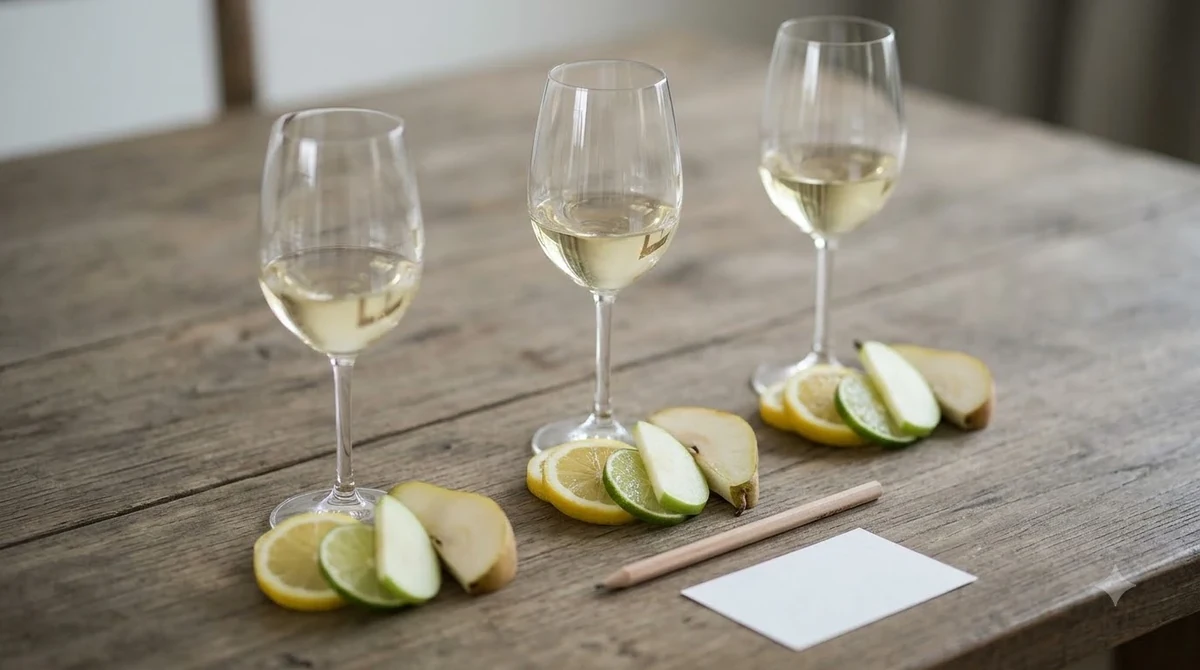
Albariño has a recognizable combination of fruit intensity and high acidity. Its aromas can suggest lemon zest, lime, grapefruit, honeysuckle, and ripe stone fruit. Some bottles also develop impressions of beeswax or fresh herbs. On the palate, the wine often feels juicy at first, followed by a clean, mouthwatering finish.
One interesting feature of Albariño is its texture. Although it is usually classified as a light-bodied white, it can have a relatively substantial mid-palate. The combination of acidity and texture helps it work with seafood that has more richness than a simple steamed fish fillet.
Another characteristic is a subtle bitterness. It can resemble citrus pith, raw almond, or the slightly bitter skin of stone fruit. This is not necessarily a flaw. In a balanced wine, the bitterness provides contrast to the fruit and makes the finish more interesting.
Vermentino tends to present a different collection of aromas. Lemon, lime, yellow apple, peach, and other orchard-fruit impressions are common. Depending on the region, the wine can also suggest Mediterranean scrub, rosemary, fennel, citrus peel, and crushed herbs.
Its finish may include a slightly bitter almond or grapefruit-pith sensation. This gives Vermentino a savory quality that distinguishes it from fruit-forward white wines. In some examples, the herbal character is immediately apparent, while in others it appears mainly after the fruit has faded from the palate.
Neither grape has tannin in the way a red wine does. Both are generally dry and refreshing, although residual sugar and texture can vary between individual producers. A lees-aged Albariño may feel creamier, and a richer Vermentino may show more weight than expected.
When comparing the two, pay attention to the finish rather than judging only the first aroma. Albariño usually leaves a stronger impression of citrus-driven freshness, while Vermentino often finishes with a savory, herbal, or almond-like character.
Acidity, Body, Alcohol, and Winemaking Style
Albariño is generally the sharper and more acid-driven option, while Vermentino ranges from crisp and lean to rounded and moderately structured. Both are usually dry, low in tannin, and suitable for serving chilled.
Acidity is one of Albariño’s defining characteristics. The Rías Baixas regulatory council describes the variety as particularly rich in acids and aromatic compounds. This natural freshness is important in a region where oceanic weather and frequent rainfall shape vineyard conditions.
Vermentino’s acidity depends more noticeably on its growing area and harvest conditions. Cooler or more exposed sites can preserve freshness, while warmer locations may produce rounder fruit and a softer impression of acidity. Sardinian Vermentino di Gallura can show substantial concentration without losing its characteristic savory edge.
Body is another useful comparison. Albariño usually has a light to medium body, with a combination of fresh acidity and a textured center. Vermentino also ranges from light to medium-bodied, but warmer-climate examples can feel fuller and more generous. Lees contact and fermentation choices influence both grapes.
How winemaking changes the wines
Many Albariño producers use stainless-steel fermentation to preserve primary fruit and fresh acidity. This approach produces a straightforward style that highlights citrus, stone fruit, and coastal freshness. Other producers use extended lees contact to develop a rounder texture and additional complexity.
Oak aging is less common in basic Albariño bottlings, but it is an option for producers seeking greater weight and complexity. Barrel fermentation or aging can introduce vanilla, toast, and creamy sensations that change the wine’s usual crisp profile. These examples can pair with richer dishes than a very lean Albariño.
Vermentino is also commonly fermented in stainless steel, particularly when the producer wants to preserve its fruit and herbal character. Lees aging may contribute texture, while oak can add weight and a more developed impression. The treatment should support the grape’s natural freshness rather than obscure its character.
Tip: If you want the sharpest, most citrus-driven white wine, begin with a coastal Albariño from Val do Salnés. If you prefer yellow fruit, savory herbs, and a slightly broader Mediterranean profile, explore Vermentino from Sardinia or Tuscany.
Alcohol is not a reliable way to distinguish the two grapes because their ranges overlap. A wine’s perceived weight depends on alcohol, acidity, fruit concentration, and winemaking decisions together. Compare the overall structure rather than assuming one grape always produces a lighter wine.
Food Pairings: Seafood, Vegetables, and Mediterranean Dishes
Both grapes are excellent with seafood, but Albariño is especially useful when a dish needs bright acidity, while Vermentino often suits preparations featuring olive oil, herbs, and grilled ingredients. The food’s sauce and cooking method can matter as much as the main ingredient.
Albariño is a natural partner for oysters, mussels, clams, ceviche, and lightly seasoned white fish. Its acidity provides contrast to seafood’s natural sweetness, while its citrus notes work with lemon, lime, and fresh herbs. It is particularly effective with raw or lightly cooked shellfish because its refreshing character does not overwhelm delicate flavors.
Grilled fish tacos are another strong match. Albariño can balance the richness of fried fish, fresh cabbage, and citrus-based sauces. It also works with seafood risotto, scallops, shrimp, and cod served with a light sauce.
Vermentino is particularly appealing with Mediterranean preparations. Grilled sea bass, roasted branzino, seafood pasta, grilled prawns, and calamari are natural choices. Its herbal character can complement rosemary, fennel, parsley, and other fresh seasonings.
Olive oil is an important ingredient to consider. Vermentino’s savory profile often works well with vegetables dressed in olive oil, grilled zucchini, roasted peppers, and dishes featuring artichokes. Its combination of citrus and herbs can also suit pesto-based pasta and vegetable tarts.
Pairing by preparation rather than fish type
For grilled or roasted seafood, both wines can work. Choose Albariño when lemon, lime, or a bright vinaigrette dominates the dish. Choose Vermentino when the preparation includes rosemary, olive oil, garlic, fennel, or Mediterranean herbs.
For fried seafood, acidity is particularly helpful because it refreshes the palate between bites. Albariño is a strong choice for fried calamari, fish sandwiches, and fried shrimp. Vermentino can also work, especially when the dish includes herbs or a savory dipping sauce.
Rich sauces change the equation. A creamy seafood pasta may benefit from a fuller Albariño with lees aging or a structured Vermentino. The wine needs enough body to avoid feeling thin beside butter, cream, or a substantial sauce.
Neither wine is ideal for every fish preparation. Very oily fish served without a bright sauce can sometimes make delicate white wines seem less expressive. Consider the seasoning, acidity, and richness of the complete dish instead of relying only on the fish species.
For a comparison with a more familiar international white grape, see albarino vs chardonnay, particularly if you are choosing a bottle for creamy sauces or richer seafood preparations.
Serving Temperature, Glassware, and Storage
Serve both Albariño and Vermentino at approximately 45-50°F to preserve their freshness while allowing their aromas to develop. Excessive chilling can suppress fruit and herbal details, while warmer serving temperatures can make the wines feel less crisp.
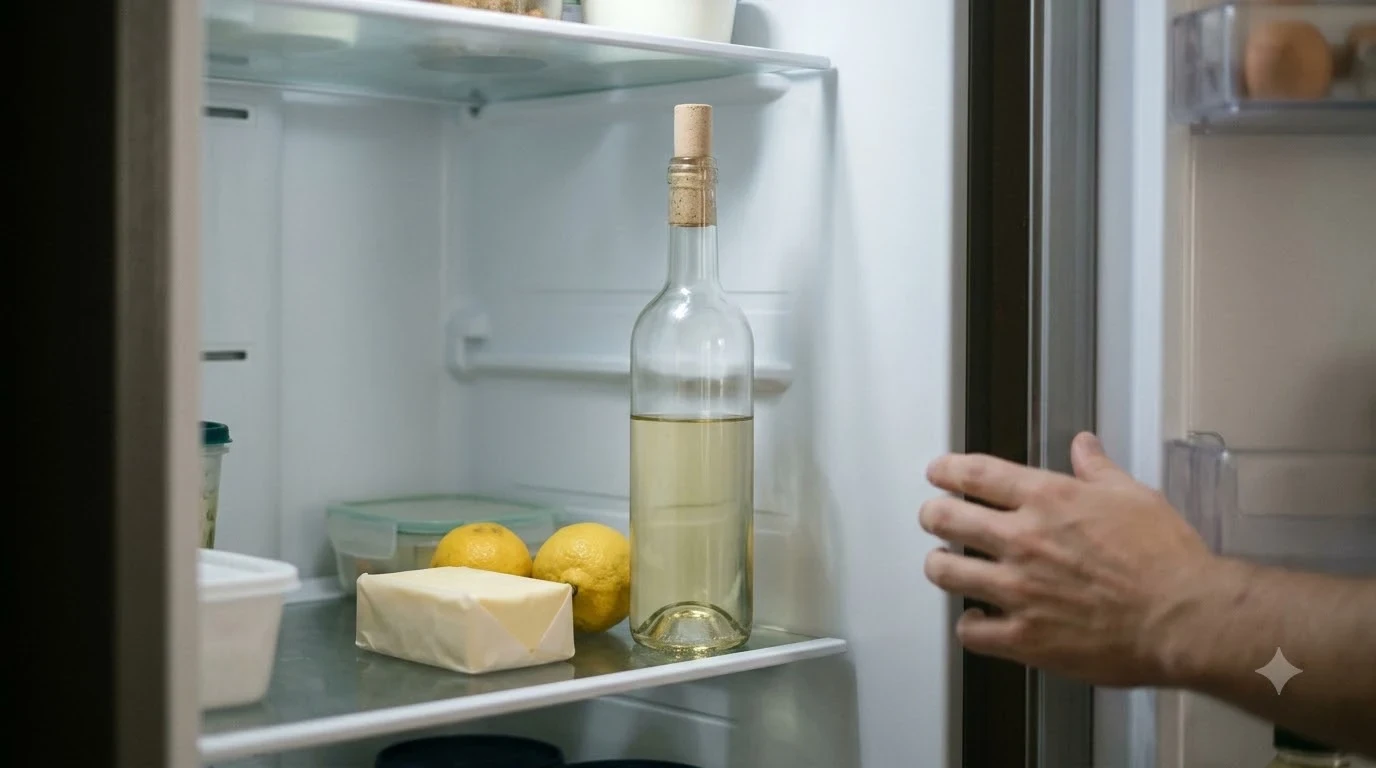
A standard refrigerator generally makes a useful starting point, but a bottle taken directly from a very cold refrigerator may need several minutes in the glass. If the wine seems muted, allow it to warm slightly rather than assuming it lacks aroma.
Use a standard white wine glass with a moderately narrow bowl. This shape helps concentrate citrus, floral, and herbal aromas without requiring a specialized glass. A large glass can be useful for a more structured or lees-aged bottle, but it is not necessary for everyday drinking.
Neither wine normally needs decanting. Open the bottle shortly before serving and pour a modest amount into the glass. If an older or particularly concentrated bottle seems closed, a few minutes of gentle aeration may help its aromas become more expressive.
How long do the wines keep?
Most fresh, fruit-driven Albariño and Vermentino are intended to be enjoyed relatively young. Their citrus, floral, and herbal characteristics are generally most appealing when the wines retain their primary freshness. More structured examples with lees aging or careful production may develop additional complexity over several years.
Once opened, store either wine in the refrigerator with a suitable closure. Most still white wines retain good drinking quality for approximately three to five days, although aroma and freshness gradually decline. A tightly closed bottle stored cold is preferable to leaving wine exposed to air at room temperature.
For unopened bottles, keep them away from direct sunlight, heat, and large temperature changes. A cool storage area near 55°F is a useful target. Bottles with traditional cork closures are generally stored on their sides for longer-term storage.
These wines are usually served in standard 5-ounce pours. A 750-milliliter bottle provides approximately five such glasses, making either grape suitable for a dinner shared by several people.
If you enjoy comparing crisp white wines, albarino vs pinot grigio offers another useful comparison, especially for understanding differences in body, acidity, and restrained fruit flavors.
How to Choose Between Albariño and Vermentino
Choose Albariño when you want pronounced acidity, citrus fruit, and a refreshing coastal style. Choose Vermentino when you prefer a savory white wine with herbal character, yellow fruit, and a Mediterranean influence.
For a first bottle, consider the food you plan to serve. If dinner includes oysters, ceviche, clams, or simply grilled white fish with lemon, Albariño is an excellent starting point. Its bright acidity and saline character make it particularly adaptable to seafood dishes that benefit from freshness.
If the meal features grilled vegetables, pesto, roasted fish, or olive-oil-based sauces, Vermentino may be the more interesting choice. Its herbal and savory notes can complement ingredients that might overpower a very delicate white wine.
Regional information can make the decision easier. A Val do Salnés Albariño is a useful choice for a particularly fresh and coastal style. A Vermentino di Gallura DOCG can be a good option if you want more concentration and a stronger sense of regional character.
Also consider how much texture you want. A stainless-steel Albariño is often lively and direct, while a lees-aged example can offer a more substantial palate. Vermentino can also range from light and refreshing to broad and structured, so the grape name alone does not tell the entire story.
For shoppers who are unfamiliar with either variety, start with a straightforward, dry bottling from a recognized region. Compare the aromas, acidity, and finish with the same meal. This is a practical way to discover which grape matches your preferred white wine style.
The broader Wine vs Wine comparison approach is useful for making similar decisions across different grapes. Focus on the actual characteristics of the wine, its growing region, and the food on your plate rather than choosing based on reputation alone.
For additional regional background, the official Rías Baixas wine website describes the different expressions of Albariño across its five subregions. The Alghero DOC Wines Consortium’s Vermentino profile also explains the grape’s Mediterranean growing environment and distinctive citrus and herbal character.
Frequently Asked Questions
Is Albariño the same grape as Vermentino?
No. Albariño and Vermentino are separate grape varieties with different historical associations and growing traditions. Albariño is known as Alvarinho in Portugal, while Vermentino is sometimes called Rolle in parts of southern France. These alternative names should not be confused with Albariño itself.
Can Vermentino be sparkling?
Yes. Vermentino can be made into sparkling or lightly sparkling wine. The Alghero DOC area in Sardinia is particularly associated with Vermentino Frizzante, a style characterized by fine bubbles and fruity aromas. Most Vermentino encountered in American wine shops, however, is still wine.
What is Albariño called in Portugal?
Albariño is called Alvarinho in Portugal. It is especially associated with Monção e Melgaço, a subregion of Vinho Verde near the Spanish border. Portuguese Alvarinho can produce concentrated, aromatic wines that are quite different from lighter, blended Vinho Verde bottlings.
Does Vermentino grow outside Italy?
Yes. Vermentino is also cultivated in southern France, where it is commonly known as Rolle. It is used in regional white wines and can appear in both still and blended styles. The grape’s Mediterranean associations extend beyond Sardinia, Liguria, and Tuscany.
Is Vermentino always a single-variety wine?
No. Vermentino can appear in blends as well as single-variety bottlings. Italian regional regulations determine the permitted grape composition for individual appellations. The Vermentino di Gallura DOCG designation, for example, requires at least 95% Vermentino, whereas other regional wine categories can have different composition requirements.
Albariño and Vermentino are both excellent dry whites, but their differences make them useful for different occasions. Pick Albariño for bright citrus, pronounced acidity, and shellfish, or Vermentino for savory herbs, Mediterranean vegetables, and grilled seafood. Trying both alongside the same meal is one of the easiest ways to discover which style suits your palate.
More in Wine vs Wine
 Chenin Blanc vs Pinot Gris: Acidity, Body, and Pairing DifferencesUpdated Nov 20, 2026
 Chianti vs Lambrusco: How Tuscany and Emilia-Romagna Reds CompareUpdated Nov 20, 2026
 Chianti vs Primitivo: Key Differences in Taste, Body, and PairingUpdated Nov 20, 2026
 Chianti vs Rioja: Key Differences in Taste, Aging, and PairingUpdated Nov 20, 2026
 Chianti vs Shiraz: How Acidity, Body, and Food Pairings CompareUpdated Nov 20, 2026
 Chianti vs Syrah: Key Differences in Taste, Body, and Food PairingUpdated Nov 20, 2026