

We may earn a commission when you buy through links on this page, at no extra cost to you. Learn more.
What is picpoul? It is a dry white wine made from the Piquepoul Blanc grape, grown mainly in the Languedoc region of southern France. The name is usually translated as “lip-stinger,” a nod to its sharp, mouthwatering acidity. Most of the best-known bottles come from the Picpoul de Pinet appellation, where the wine is made beside the oyster and mussel farms of the Bassin de Thau lagoon. Light, citrusy, and saline, picpoul is an easy, food-friendly white worth knowing.
Picpoul is one of those wines people discover at a seafood counter and then keep ordering. It has a reputation for crispness that makes it an easy recommendation for anyone who likes Sauvignon Blanc or other zesty whites, yet it still gets less attention than many French whites. This guide covers where it comes from, what it tastes like, how it is made, what to eat with it, and how to serve and store it at home. If you want a broader map of styles first, start with our Wine by Type overview.
Where Picpoul Grows and Why the Lagoon Matters
Picpoul comes from a small corner of the Languedoc, and its geography shapes nearly everything about the wine. The area that matters most is the Picpoul de Pinet appellation, which has a tight and specific identity.
Picpoul de Pinet is a single-grape, single-color, single-style appellation. In practice, the rules allow only dry white wine made from Piquepoul Blanc. The appellation spans six communes in the Hérault department, all near the Bassin de Thau lagoon, and according to Wine with Seth’s WineWiki entry on the appellation, the vineyards cover roughly 1,400 hectares and produce about 67,000 hectoliters a year. That scale makes it a substantial production zone rather than a boutique curiosity.
The lagoon is central to the story. The Bassin de Thau stretches about 18 kilometers long and 5 kilometers wide, and it separates the vineyards from the open sea. Its water moderates temperatures and slows ripening, which helps the grapes hold on to their acidity. The soil adds another layer. Much of the bedrock is coquina limestone, built from fossilized oyster shells, and that mineral base gives the finished wine its saline edge.
The appellation’s formal history also explains its specificity. The area moved through several classifications before the wine earned its own AOC on 14 February 2013, after decades as part of the broader Coteaux du Languedoc. That separate status matters because the wine is judged by its own rules rather than as a generic Languedoc white. The village of Pinet gives the appellation its name, and the wine’s identity still runs through the villages around it.
Visiting the area makes the connection between land and glass easy to see. The town of Sète, sometimes called the Venice of Languedoc, has canals, waterfront restaurants that specialize in oyster platters, and a historic water jousting festival each late August. Bouzigues, a fishing village on the lagoon, is known for its cultivated oysters and offers farm tours and tasting stops. Most producers welcome visitors by appointment, and the appellation sits roughly 30 to 40 minutes south of Montpellier by the A9 motorway.
What the Name Means and Where the Grape Came From
The name is part of the wine’s appeal. The name picpoul is the local spelling of an old French grape, and it is usually translated as lip-stinger, a reference to the acidity that makes your mouth water after the first sip. You will also see the grape written as Piquepoul, and both spellings refer to the same variety.
The official grape name is Piquepoul Blanc, and it is the only variety permitted in Picpoul de Pinet. The grape has a long local record. Viticulture in the Pinet area dates back to Roman times, when the Via Domitia crossed the region, and Picapoll grapes appear in vineyard contracts by the 14th century. Winemakers have since built a clear identity around the single-grape style, which is part of why the wine is easy to recognize on a list.
The modern story is much more recent than the grape’s roots. In the 1960s, government initiatives turned the coastal region into a tourist destination, and Étienne Farras, then president of the Pinet cooperative, promoted the wine as a natural match for local seafood. Machine harvesting, adopted in the early 1980s, allowed faster picking and cooler fruit, and the export boom after 2000 turned picpoul from a regional curiosity into an internationally recognized name.
Piquepoul Blanc ripens late in the season. That timing is unusual for a variety that keeps such high acidity in a hot, sunny climate, but it works because the lagoon moderates the heat. If the spelling or sound of the name still feels tricky, our guide on how to pronounce picpoul walks through it in simple terms.
How Picpoul Tastes on the Palate
Picpoul is bone-dry, light to medium-bodied, and built around acidity rather than fruit sweetness. Its flavors lean toward green apple and citrus, with herbal and floral touches that show up on the finish.
Typical aromas and flavors include green apple, white grapefruit, lemon zest, fennel, and anise, often with a note of white blossom. The palate feels lean and linear rather than round, and the acidity is bright enough to make your mouth water. According to the Wine Folly grape profile, the wine has no tannins and a light body, which is why it reads as clean and refreshing rather than grippy. Alcohol is moderate too, usually between 11.5% and 13% ABV, so the wine stays easygoing at the table.
Texture changes across the palate. The mid-palate is lean and linear rather than voluptuous, with a hint of white stone fruit and an herbaceous finish. That structure makes picpoul a palate-cleansing aperitif, and it is also why the wine works so well as something light before a meal rather than a wine that competes with the food.
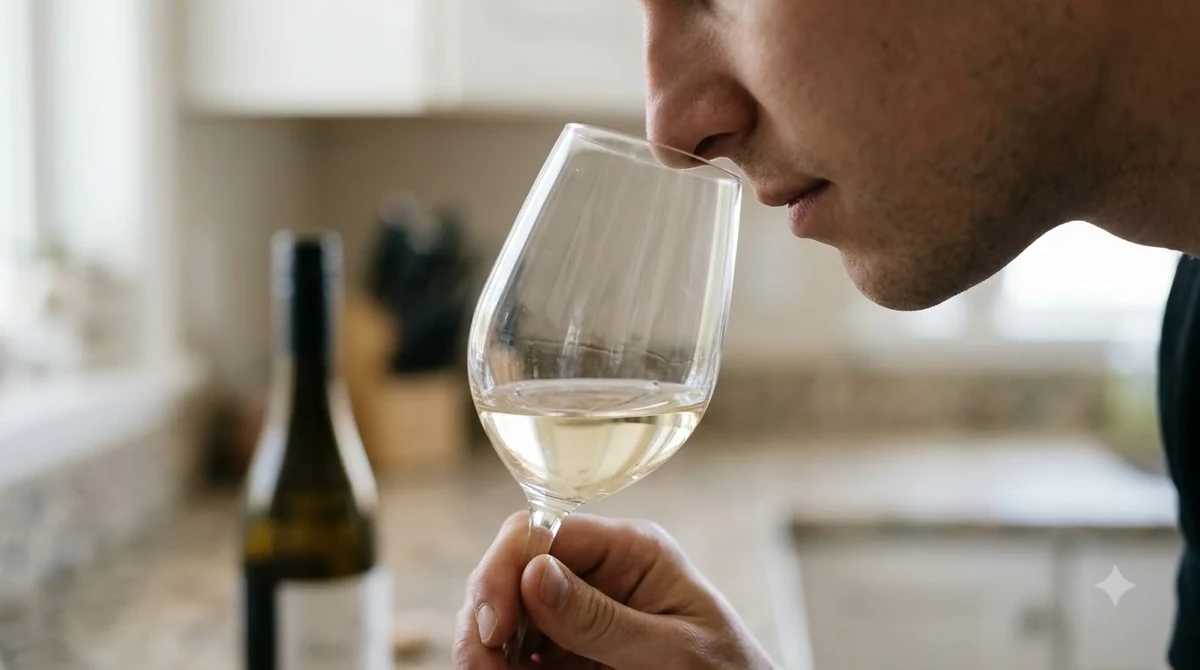
The mineral side matters just as much. Many people describe a salty, wet-stone edge that echoes the lagoon air, and that edge is the wine’s signature rather than an add-on. For a more detailed breakdown of aromas, texture, and finish, see our guide to picpoul tasting notes.
How Picpoul Is Made and Why It Stays Crisp
Picpoul is made to protect freshness, with careful fermentation and little interference. The style is deliberate, and it explains why the wine tastes so precise.
Most producers ferment the juice at controlled temperatures in stainless steel or concrete. Those vessels protect the fresh fruit character and keep the wine focused on citrus, herbs, and minerality. Malolactic fermentation, which softens sharp malic acid into milder lactic acid, is permitted in the appellation but rarely practiced, so the acidity stays bright. The goal is a wine that shows the grape rather than the barrel.
Production is also distinctive in its structure. Harvest typically runs from mid-September into early October, and cooperative wineries handle most of the appellation’s output. Four cooperatives make the majority of the wine, while roughly two dozen private domaines produce the rest. Cave de l’Ormarine at Pinet is among the most visible names, drawing on a large group of member growers. The private estates tend to work smaller holdings, which gives drinkers a range from everyday bottles to more individual expressions.
The premium Patience tier, introduced in 2018, shows what the grape can do with more time. These wines come from older vines, use cork closures, and must spend at least a year in bottle before release. They are a different proposition from the standard bottling, and they reward patience as the name suggests.
Vineyard practice is part of the story as well. Current appellation specifications build in environmental criteria, banning plastic mulching and chemical weeding on the headlands and requiring mechanical or physical methods to control vegetation between the rows. Recent vintages have shown vibrant acidity and citrus intensity, which is good news for anyone who wants the classic style.
Picpoul and Food: Why Oysters Are the Classic Match
Picpoul’s high acidity and salty edge make it a natural partner for shellfish. Oysters are the classic pairing, and the wine handles fried food better than most people expect.
The pairing with oysters makes sense for a simple reason: the oysters and the wine come from the same landscape. Oyster and mussel farms line the Bassin de Thau, and the wine’s brine-like minerality mirrors the sea character of the shellfish. Acidity acts like a squeeze of lemon, sharpening the oyster’s flavor and cutting through its richness. Steamed mussels, grilled prawns, and simple seafood platters are equally natural partners. Wine Folly also suggests raw oysters, sushi, Mediterranean-style fish dishes, and fried calamari as strong matches.
Fried food is where picpoul surprises people. VinePair, in its seafood guide, argues that the wine’s lip-stinging acidity does the job Champagne’s bubbles once did, cleansing the palate between bites of greasy food. Its suggested matches include steamed Maine lobster, clam chowder, and a fisherman’s platter of fried haddock, scallops, shrimp, and clams. The acidity cuts through the richness of creamy chowder and keeps each fried bite from feeling heavy.
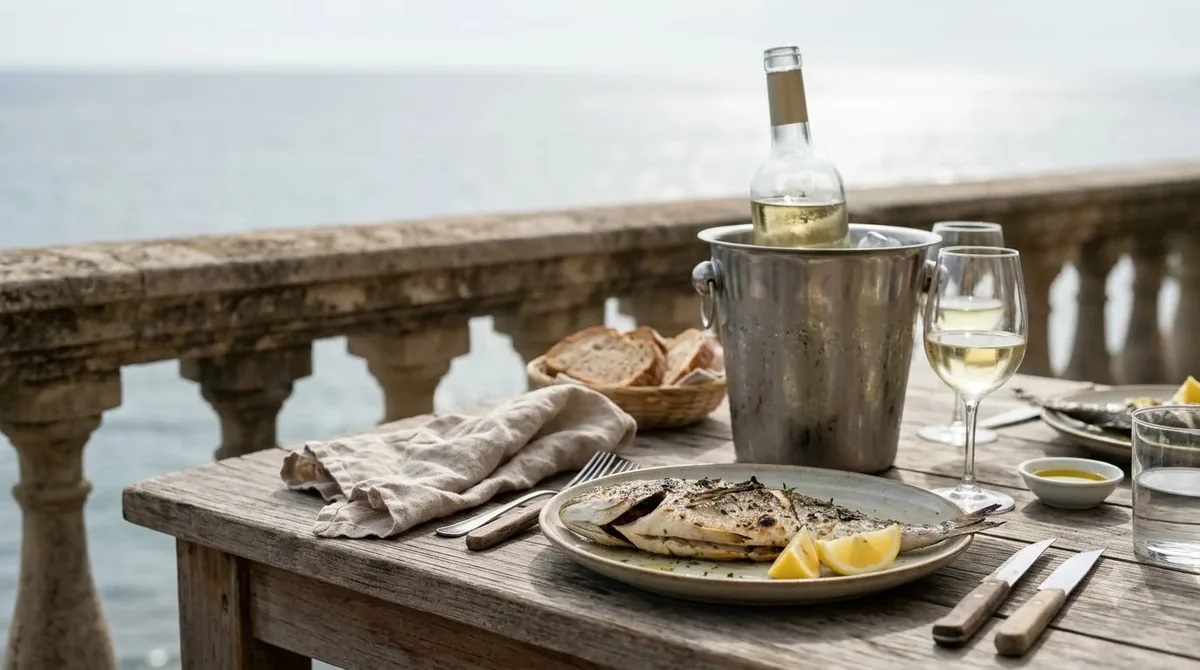
Not every seafood dish needs to be briny. Grilled sea bass or daurade with fennel is a strong match because the wine’s own fennel and anise notes pick up the herb in the dish, while the acidity keeps the fish lively. A seafood plateau with mixed oysters, prawns, and crab works for the same reason, since each item brings a different salt and sweetness that the wine can balance.
For more ideas beyond seafood, see our guide to picpoul food pairing. A simple rule works well here: when a dish is salty, briny, fried, or rich, picpoul’s acidity will usually refresh the palate rather than fight the food.
How to Serve and Store Picpoul at Home
Serve picpoul well chilled, at about 45 to 50 degrees Fahrenheit, in a standard white wine glass. Protect what is left in the bottle, because freshness is the wine’s main asset.
Temperature is the main lever. At 45 to 50°F, the fruit and acidity sit in balance. Colder than that, the aromas tighten and the wine tastes thin, and warmer, the acidity starts to feel sharp instead of fresh. A pour of about 5 ounces is a good serving size, and a standard 750 ml bottle holds roughly five glasses. That is enough for two people to have two generous glasses each over a seafood starter, with one glass left over.
If a bottle has been sitting on a warm counter or in a hot car, a short stint in the fridge brings it back into range before you pour. Going the other way, a bottle that has been chilled for hours will need a few minutes on the counter to reach the lower end of the range.
Once a bottle is opened, keep it sealed and in the fridge. A still picpoul generally stays fresh for three to five days, long enough to finish it over a few meals but not long enough to save it for weeks. Unopened bottles are best stored on their side in a cool, dark spot near 55°F, which keeps the cork moist if you hold a bottle for a while. Most standard bottles are at their best within one to three years of the vintage, so there is little reason to cellar them longer.
The essentials at a glance:
| Detail | Typical figure |
|---|---|
| Grape | Piquepoul Blanc, the only permitted variety |
| Style | Dry, light to medium body |
| Alcohol | About 11.5% to 13% ABV |
| Serving temperature | 45 to 50°F |
| Pour size | 5 ounces |
| Glasses per 750 ml bottle | About 5 |
| Open bottle in the fridge | 3 to 5 days |
| Standard drinking window | 1 to 3 years from vintage |
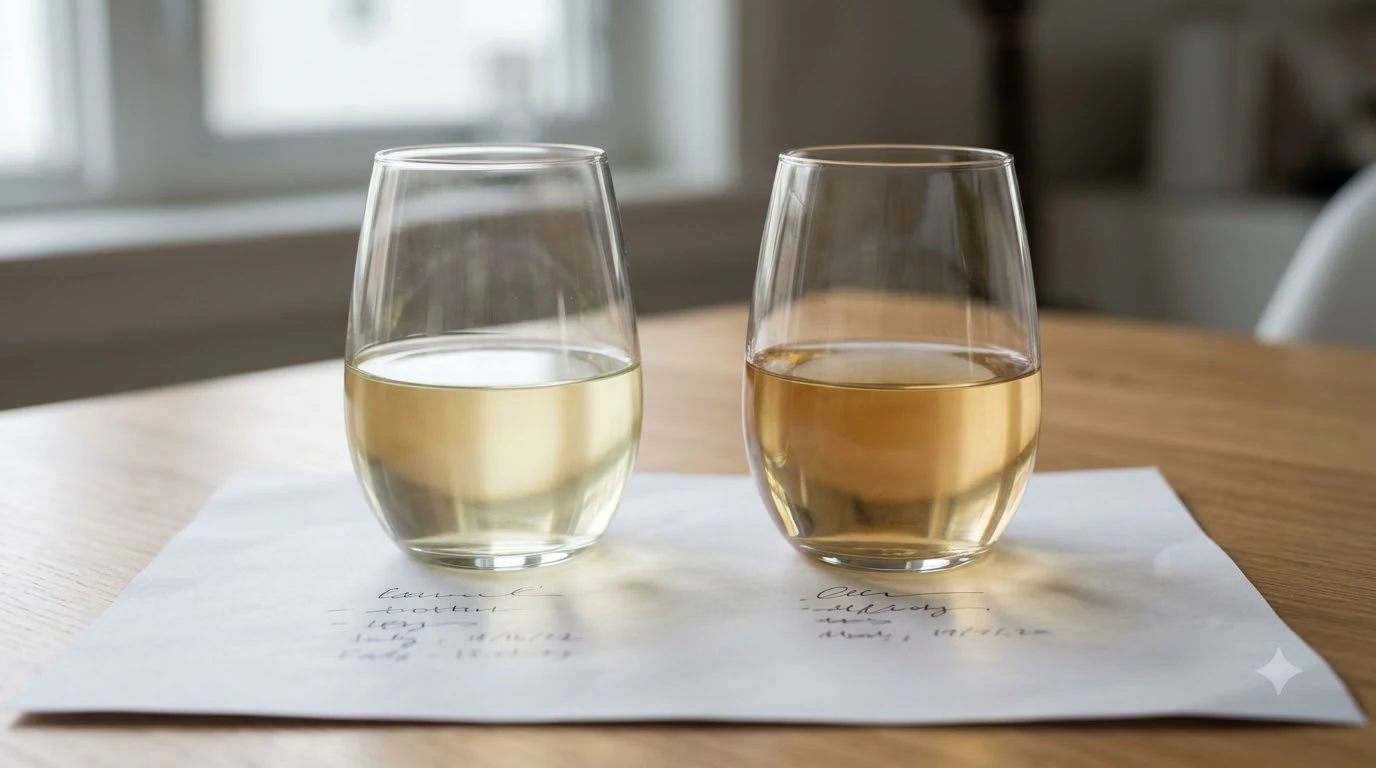
Tip: Write the date you opened the bottle on a sticky note and stick it to the fridge door. Three to five days passes quickly, and a visible date takes the guesswork out of whether the last glass is still fresh.
Frequently Asked Questions
Does picpoul need to be decanted?
No. Wine Folly lists decanting as unnecessary for picpoul, so you can open the bottle and pour right away. Its light body and fresh style mean there is little that air would open up.
Is picpoul similar to Sauvignon Blanc?
VinePair suggests picpoul will appeal to people who already enjoy Pinot Grigio or Sauvignon Blanc. The clean lemon and bright grapefruit tones are part of the link. Picpoul brings its own salty finish, which is what most drinkers remember afterward.
Is picpoul aged in oak?
Rarely. VinePair notes that picpoul is rarely fermented with oak and is designed to be drunk young, quick, and cold. Without wood influence, the fruit and mineral character come through clearly.
How long can you keep picpoul?
Standard picpoul is meant to be drunk within a few years of the vintage. Patience bottles behave differently, because their extended lees contact allows them to age for five years or more. That time on the lees gives them more texture and weight than standard bottles.
Where does most picpoul end up?
Most of it leaves France. Wine with Seth reports that about 67 percent of production is exported, with the United Kingdom as the largest market at roughly 41 percent of total output.
Picpoul rewards a simple approach. Chill it properly, pour it with something briny or fried, and let the acidity do the work. Once you see that the lip-stinging freshness is the point, it becomes one of the easiest white wines to recommend.
More in Wine Types & Grapes
 Zinfandel Sugar Content: Dry Red vs. White Zinfandel GramsUpdated Nov 21, 2026
 Best Zinfandel Substitute Options for Sipping and CookingUpdated Nov 21, 2026
 Zweigelt Food Pairing: Best Dishes, Cheeses, and Serving TipsUpdated Nov 21, 2026
 Zinfandel Tannins Explained: How Structure Shapes Every BottleUpdated Nov 21, 2026
 Zinfandel Sweetness Level: Dry Red vs. Sweet White Zin ExplainedUpdated Nov 21, 2026
 Xinomavro Food Pairing: Best Dishes, Styles, and Serving TipsUpdated Nov 21, 2026