

We may earn a commission when you buy through links on this page, at no extra cost to you. Learn more.
So, what is brachetto? It is a dark-skinned red grape from Piedmont, Italy, most often made into a lightly sweet, low-alcohol wine with a gentle fizz. That wine is usually labeled Brachetto d’Acqui, after the area around Acqui Terme where most of the grape is grown. Its aromas lean toward strawberry, raspberry, and rose, and its sweetness is balanced by medium acidity. Most bottles land somewhere between about 5 and 7 percent alcohol, well below the level of a typical table red.
Brachetto is one of the more distinctive red grapes in Italy, and many people meet it without realizing it. Banfi Rosa Regale, a sweet sparkling red that appears on plenty of shop shelves, is in fact a Brachetto d’Acqui. This guide covers what the grape is, where it grows, how the wine is labeled and made, how it tastes, and how to serve and pair it so a bottle shows its best side.
The Grape Behind the Wine
Brachetto is a red grape that is closely tied to Piedmont, and its character comes from both its origin and its climate.
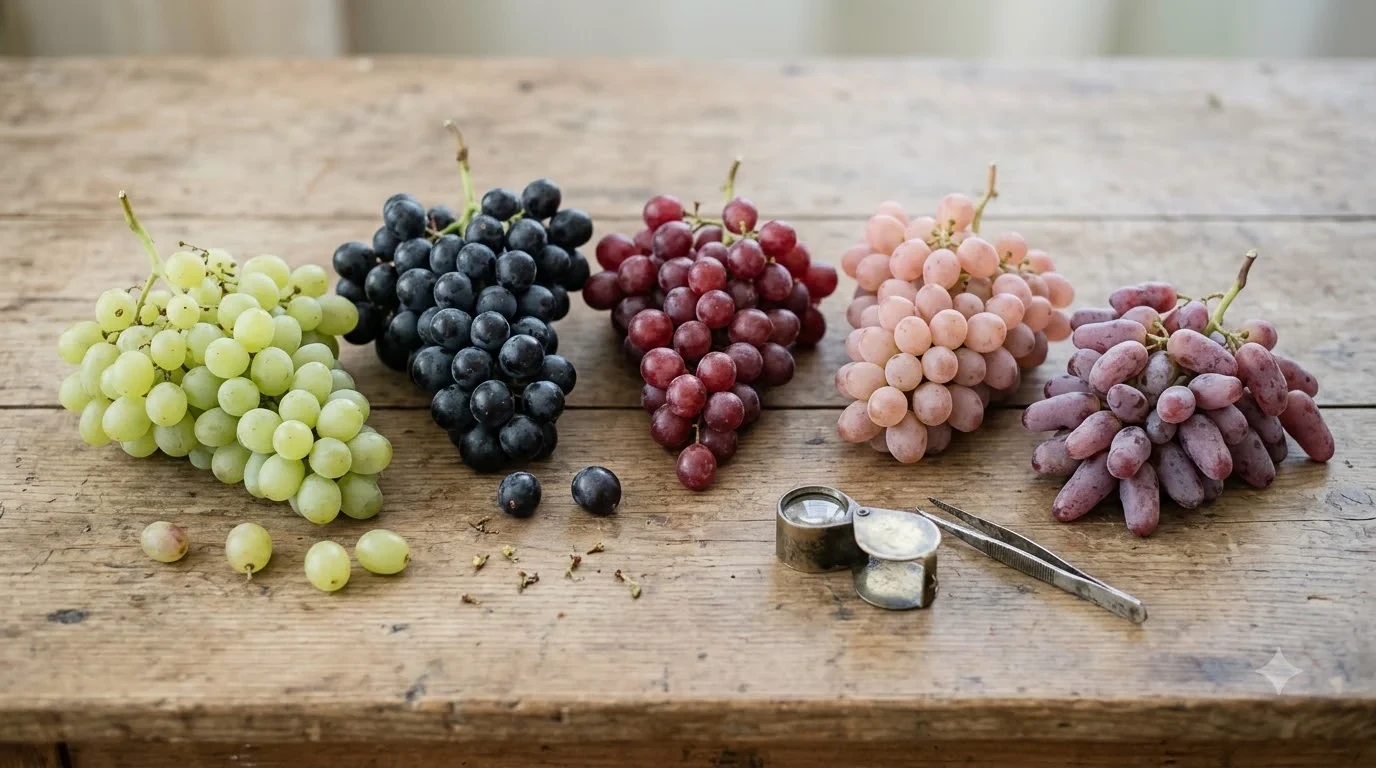
Brachetto is a red grape variety that belongs to the group of indigenous Italian varieties, which means it has been cultivated in the country for a long time rather than brought in from somewhere else. Its berries are plump and dark ruby, and the grape is most closely associated with Piedmont, the northwestern region that is also home to Barolo and Barbaresco. Those two famous reds make a useful contrast. Barolo is built on firm tannin and long aging, while Brachetto is light, aromatic, and meant for early drinking.
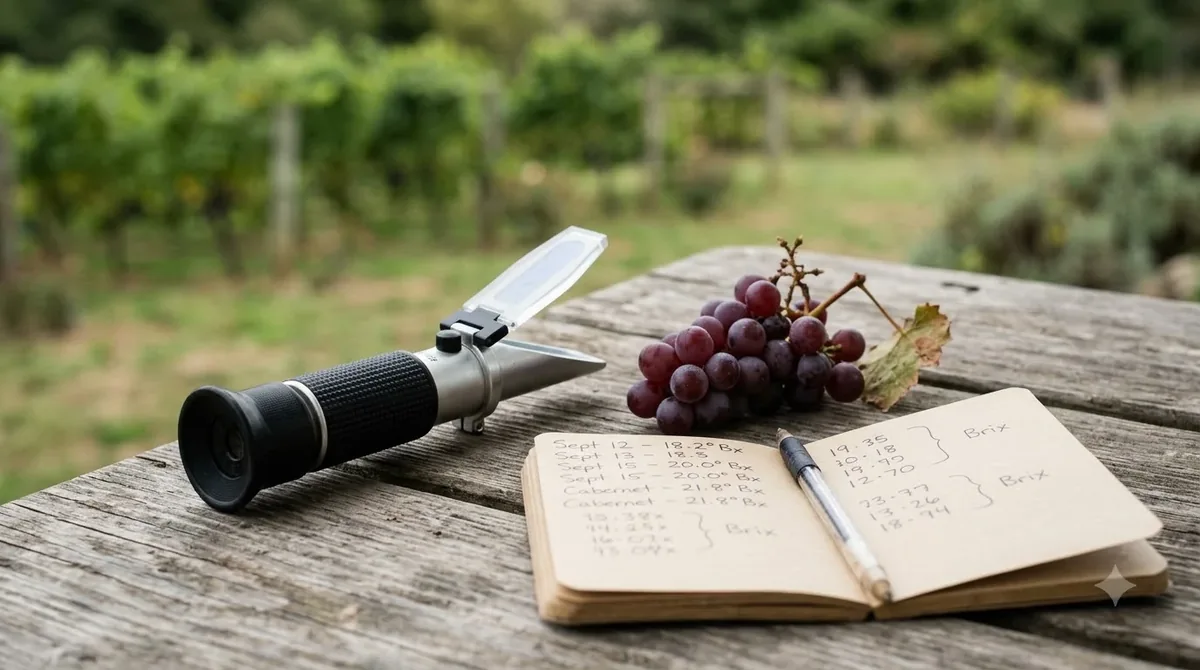
The grape’s character owes a lot to climate. The growing area has harsh winters and hot summers, and both help push the sugar content of the fruit to high levels. That sugar gives the finished wine its natural sweetness even though the alcohol stays low, which is why a brachetto can taste dessert-friendly without feeling heavy. Winemakers work with this sugar carefully, because it shapes both the sweetness and the bubbles that define the sparkling styles.
The grape is also highly aromatic. Descriptions of the wine repeatedly return to strawberries, raspberries, and rose, and the bouquet can carry hints of orange zest and candied fruit. For a closer look at the vine itself, see the brachetto grape overview.
Where Brachetto Grows in Piedmont
Brachetto d’Acqui is grown across 26 small villages in the provinces of Asti and Alessandria, with the heaviest concentration in the hills around Acqui Terme. The landscape is central to the wine’s identity, so the place matters as much as the grape.
The growing area lies within the Monferrato, a large hilly sub-region of Piedmont. According to We the Italians, the Brachetto d’Acqui zone sits within Monferrato Astigiano, close to the Ligurian Apennines and just south of the Po River. Monferrato was named a UNESCO World Heritage Site in 2014, which gives the landscape where this wine grows recognition well beyond the wine trade.
Vineyards are concentrated in the hills just north of Acqui Terme. The same source describes Acqui Terme as an ancient Roman town known for its thermal spas, which gives the area a slower, more relaxed feel than a typical industrial wine region. Several of the producers highlighted by Please The Palate are family businesses, including Braida, run by third-generation siblings Giuseppe and Raffaella Bologna, and Ca’ dei Mandorli, a family estate that has produced wine for two centuries.
Climate matters as much as geography. Winters are harsh and summers are hot, and that pattern drives the sugar in the grape, which in turn helps explain the wine’s natural sweetness. When you read about a bottle’s origin, the Monferrato hills and the villages around Acqui Terme are the reference points that matter most.
Brachetto d’Acqui: The DOCG Name on the Label
Brachetto d’Acqui is the designation to know, and it carries DOCG status, Italy’s highest classification for wine. The rules behind that name set the grape content, the production zone, and the styles that can carry the label.
The appellation was first recognized as a DOC in 1969 and promoted to DOCG in 1996. Under the rules, a wine labeled Brachetto d’Acqui must be made from at least 97% Brachetto, and the grapes must come from the designated villages across Asti and Alessandria. For buyers, the DOCG designation means the wine has to meet a defined set of production standards, from the grape content to the boundaries of the zone where vineyards can be planted. The table below gathers the key numbers that define the style and how it is usually served.
| Detail | Typical figure |
|---|---|
| DOC recognition | 1969 |
| Promotion to DOCG | 1996 |
| Minimum Brachetto content | 97% |
| Villages in the zone | 26 |
| Frizzante alcohol | About 5% |
| Spumante alcohol | About 7% |
| Serving temperature | 55 to 60°F (12 to 15°C) |
When you shop, check the label for the full name Brachetto d’Acqui, since that is the designation that signals the DOCG rules.
The rules also shape which styles are available. Dry versions fall outside the DOCG. According to Please The Palate, the consortium that represents producers has requested an amendment to the production regulations that would admit two new dry versions, one sparkling and one still. Until that change happens, dry brachetto remains hard to find, and it is not covered by the Brachetto d’Acqui DOCG.
Styles of Brachetto: Frizzante, Spumante, Still, and Passito
Brachetto d’Acqui comes in several styles, and sparkling wine accounts for most of production. The two sparkling options, frizzante and spumante, are the ones most drinkers will encounter first.
Frizzante: The Semi-Sparkling Style
Frizzante is the gentlest version, with soft bubbles and an alcohol level of roughly 5%. Wine Folly describes it as a semi-sparkling sweet red with candied and floral aromatics, a description that fits a light dessert wine well. It suits a relaxed afternoon or a fruit course, and it is often the choice for people who want something sweet without the weight of a heavy red.
Spumante: The Fully Sparkling Style
Spumante is fully sparkling, with livelier bubbles and a higher alcohol level of roughly 7%. The process differs from Champagne, which ferments inside the bottle. According to We the Italians, the sparkling versions gained popularity through Arturo Bersano, who used the Martinotti or Charmat method, in which the wine ferments for about 30 days in a pressurized tank before it is bottled.
Still and Passito Versions
Brachetto d’Acqui also appears as a still red and as a passito, a style made from dried grapes that gives a more concentrated sweetness. Still versions are less common, and according to We the Italians, the sparkling version is the most produced of the three. If you want an overview of how the wine world organizes styles like these, Wine by Type is a useful starting point.
How Brachetto Tastes: Aromas, Sweetness, and Body
Brachetto tastes sweet and fruity, with medium acidity and no tannin. The overall impression is light and fresh rather than heavy or dry.
The aroma profile is built on fruit and flowers. According to Wine Folly’s brachetto profile, the primary flavors include candied strawberry, orange zest, black currant, apricot, and cream. Please The Palate describes a similar family of aromas, with raspberry, cherry, roses, violets, and orchids, which points to a consistent character across producers.
On the palate, the wine is sweet, with a medium-light body and a clean finish. Wine Folly classifies it with no tannins and medium acidity, and that combination matters. Tannin is the grip that makes a Cabernet Sauvignon feel dry, and brachetto has none of it, so the mouthfeel stays soft. Acidity keeps the sweetness from feeling heavy, which is why the wine tastes fresh rather than syrupy.
Alcohol stays low across the category. Wine Folly places the style under 10%, while the frizzante and spumante versions described earlier sit near 5% and 7%. For a fuller breakdown of alcohol levels across the styles, see the brachetto alcohol content guide.
Serving Brachetto: Temperature, Pouring, and Storage
Serve brachetto chilled, between 55 and 60°F (12 to 15°C), and skip decanting entirely. Its freshness and aromatics show best when the bottle is served young and cool.
Temperature matters more than most people expect. At 55 to 60°F, the aromas are expressive, while colder temperatures tend to mute them and make the wine taste flatter. Warmer than that, the sweetness can begin to feel heavy and the bubbles fade quickly. Wine Folly recommends the same range and does not suggest decanting, which fits a wine made for immediate enjoyment.
For pouring, a standard five-ounce serving works well, and a 750 ml bottle yields about five glasses. Store unopened bottles on their side in a cool spot near 55°F. Once opened, a sparkling brachetto is at its best for about one to three days, so plan to finish the bottle within that window.
Tip: If the bottle has spent time in a very cold refrigerator, let it sit on the counter for a few minutes before pouring, since the aromas open up as the wine warms slightly.
Pairing Brachetto with Desserts, Fruit, and Cheese
Brachetto pairs best with fruit desserts, chocolate, and soft cheeses, because its sweetness and red fruit flavors echo those foods. It also works as an aperitif or as a dessert wine on its own, according to Please The Palate.
The guiding rule is that the wine should be at least as sweet as the dessert. Brachetto is sweet but not syrupy, so it works best with fruit-forward desserts and moderately sweet treats rather than very sugary confections. A walnut tart, a berry tart, and strawberry ice cream all sit comfortably in that range, and the wine’s red fruit notes pick up the berries. Wine Folly specifically suggests berry tarts and strawberry ice cream as a good match.
Chocolate is the classic partner. Wine Folly points to rich, creamy chocolate desserts such as ganache and mousse, and Please The Palate adds dark chocolate and chocolate gelato. The bubbles help lift the richness of chocolate, so the pairing never feels heavy at the end of a meal.
For creamy desserts and simple fruit, the options are equally good. Please The Palate notes that the wine works with panna cotta and crème brûlée, and that one of the simplest pairings is a bowl of strawberries or a bowl of sliced peaches with the wine poured over the top. Soft, creamy cheeses such as brie and camembert also match well, and the wine’s brightness keeps them from feeling dense.
Frequently Asked Questions
Why does brachetto have bubbles?
The bubbles come from a second fermentation. Some grape sugar remains in the wine after the first fermentation, and it ferments again inside a stainless steel tank, producing gas that stays dissolved in the wine. That leftover sugar is also part of why the wine tastes sweet, so the fizz and the sweetness come from the same process.
When is brachetto harvested and released?
The grapes are harvested in the first two weeks of September, and the finished wine is usually released in early December. That timing makes it a popular choice for holiday celebrations, when a light, sweet red fits well at the end of a meal.
Is there a dry brachetto I can buy?
Yes, although dry versions are rare. Sottimano makes one of the few dry, still versions, using vines about twenty years old on a two-and-a-half-acre vineyard in Treiso. Because it sits outside the Brachetto d’Acqui DOCG, it is a different kind of bottle from the sweet, sparkling style most people know.
Where can I find Banfi Rosa Regale?
Banfi Rosa Regale is a Brachetto d’Acqui with a cranberry color and aromas of strawberry, raspberry, and rose petals. Please The Palate notes that it is easy to find in many local retail stores, which makes it a practical first bottle to try. The family-owned Castello Banfi, known for its Tuscan wines, also owns a historic forty-five-hectare estate in Piedmont.
Can brachetto be cellared?
Brachetto is made to be drunk young. Wine Folly suggests cellaring it for one to three years, which is a short window compared with the long-lived reds of Piedmont such as Barolo. Keeping it longer than that is generally unnecessary for enjoying its fresh fruit character.
Brachetto rewards a simple approach: chill it to the right temperature, pour a standard glass, and match it with something fruity or chocolate-based. Once you know what it tastes like, it becomes a reliable bottle for dessert tables and holiday gatherings. The next time someone asks what is brachetto, you will have a clear answer ready.
More in Wine Types & Grapes
 Zinfandel Sugar Content: Dry Red vs. White Zinfandel GramsUpdated Nov 21, 2026
 Best Zinfandel Substitute Options for Sipping and CookingUpdated Nov 21, 2026
 Zweigelt Food Pairing: Best Dishes, Cheeses, and Serving TipsUpdated Nov 21, 2026
 Zinfandel Tannins Explained: How Structure Shapes Every BottleUpdated Nov 21, 2026
 Zinfandel Sweetness Level: Dry Red vs. Sweet White Zin ExplainedUpdated Nov 21, 2026
 Xinomavro Food Pairing: Best Dishes, Styles, and Serving TipsUpdated Nov 21, 2026