

We may earn a commission when you buy through links on this page, at no extra cost to you. Learn more.
What is blaufrankisch? Blaufränkisch is an Austrian red wine grape that produces dry, medium- to full-bodied wines with dark berry flavors, lively acidity, firm tannins, and distinctive peppery spice. It is particularly associated with Burgenland, where different vineyard soils and winemaking approaches create wines ranging from fresh and mineral to concentrated and structured. Also known as Lemberger in Germany and Kékfrankos in Hungary, this versatile grape offers an interesting alternative to familiar reds such as Merlot, Cabernet Sauvignon, and Syrah.
Blaufränkisch deserves attention from anyone who enjoys red wine with freshness, fruit, and structure rather than overwhelming weight. Its combination of dark cherry, blackberry, earthy mineral notes, and bright acidity makes it suitable for both everyday meals and more elaborate dinners. Understanding its Austrian origins, regional differences, and serving requirements makes choosing a bottle considerably easier.
Blaufränkisch Grape Origins and Its Place in Austrian Wine
Blaufränkisch is a traditional Central European grape with its strongest modern identity in Austria. Its history stretches back several centuries, although researchers have not conclusively established the variety’s original geographical birthplace.
The Austrian federal ministry identifies Blaufränkisch as an indigenous Austrian quality red grape. Its genetic background is associated with Weißer Heunisch and an older, relatively rare variety known as Sbulzina. The exact circumstances and date of the original crossing remain uncertain, so it is better to distinguish documented historical references from theories about its beginnings.
One important historical reference appeared in 1777, when the variety was described as a valuable wine grape in a publication about vines cultivated around Vienna. At that time, it was also associated with names such as Schwarze Fränkische. The standardized name Blaufränkisch was established in 1875 during an international winegrowing congress in Colmar.
The name can be confusing for modern wine drinkers. Although Blaufränkisch sounds as if it might originate in the Franconian region of Germany, that connection has not been established. The grape is instead strongly associated with the winegrowing traditions of Austria and neighboring Central European countries.
Other names for the same grape
Blaufränkisch has several regional synonyms. In Germany, particularly Württemberg, it is commonly called Lemberger or Limberger. In Hungary, the grape is known as Kékfrankos, while Frankovka is a familiar name in several Slavic-speaking wine regions. These names refer to the same grape variety rather than completely different wines.
Hungarian Kékfrankos has an especially important place in the country’s red wine culture, including regions around Sopron and Villány. German Lemberger also has a recognizable regional identity, particularly in Württemberg. Although the grape is genetically the same, local climate, vineyard conditions, harvest decisions, and cellar practices can produce noticeably different results.
For wine shoppers, recognizing these alternative names is useful when browsing European wine lists or international retailers. A bottle labeled Lemberger may deliver many of the same broad characteristics as Austrian Blaufränkisch, although its individual flavor profile will depend on where and how it was made.
What Blaufränkisch Tastes Like
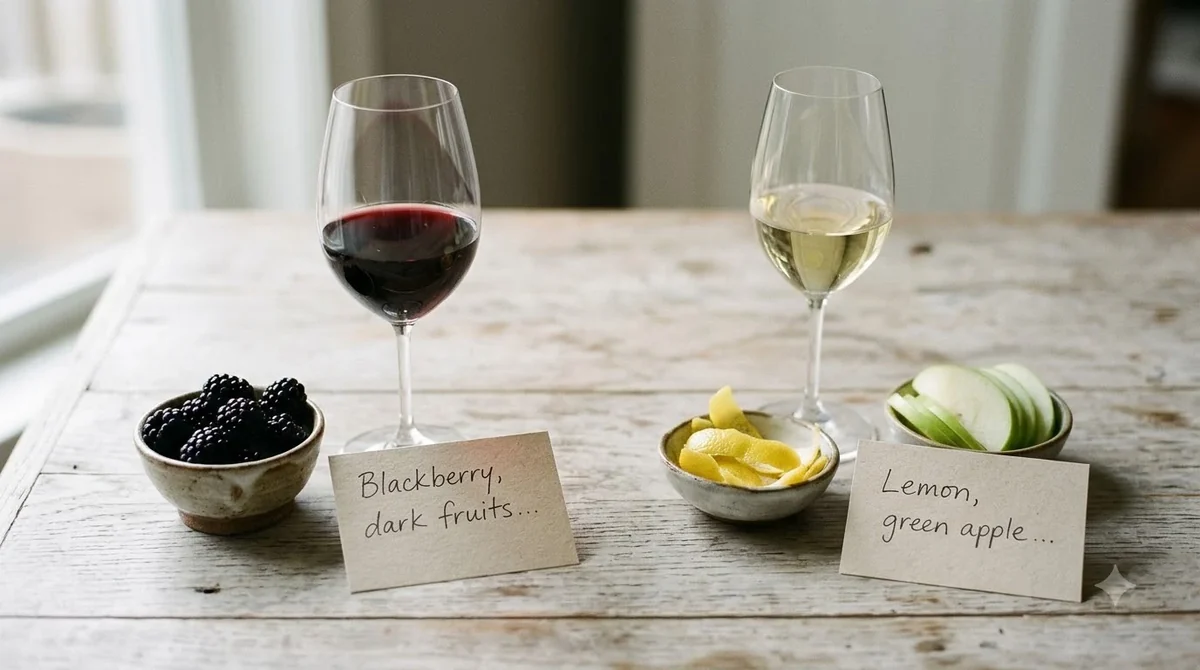
Blaufränkisch generally tastes dry, fruity, fresh, and spicy, with medium to medium-plus tannins and noticeable acidity. Its most recognizable flavors include dark cherries, blackberries, blueberries, and sometimes sour cherries, supported by pepper, herbs, and earthy mineral impressions.
The first impression is often fresh dark fruit rather than heavy sweetness. Ripe blackberry and blueberry flavors can make the wine feel generous, while tart cherry and lively acidity provide definition. This balance is one of the reasons Blaufränkisch can feel refreshing even when its body and alcohol level give it substantial presence.
Spice is another important characteristic. Depending on the vineyard and production method, the wine may suggest black pepper, dried herbs, earthy notes, or subtle savory qualities. Some examples also develop impressions of chocolate, tobacco, or other darker flavors through ripeness and oak maturation.
Color is generally deep ruby red, sometimes showing violet highlights when young. The wine’s appearance often suggests a concentrated red, but its freshness can distinguish it from softer, more fruit-forward styles that emphasize ripe fruit without comparable acidity.
Acidity, tannins, and body
Blaufränkisch is especially recognized for its lively acidity. This characteristic gives the wine energy and makes it a useful companion for food. It also helps prevent ripe fruit flavors from becoming heavy or flat.
Its tannins are generally medium to medium-plus, although concentration, ripeness, extraction, and oak maturation can influence the final structure. A younger bottle may feel firm and slightly grippy, particularly around the gums. More mature or carefully balanced examples can develop smoother, more integrated tannins.
Body generally falls between medium and full. Lighter, fresher examples can feel elegant and relatively restrained, while concentrated single-vineyard wines may have greater weight and intensity. Blaufränkisch should not automatically be described as a massive, high-tannin red in the same category as the most powerful Cabernet Sauvignon styles.
Typical flavor and structure profile
| Characteristic | Typical Blaufränkisch profile |
|---|---|
| Wine color | Deep ruby red to violet-ruby |
| Sweetness | Usually dry |
| Body | Medium to full |
| Acidity | Medium-plus to high |
| Tannins | Medium to medium-plus |
| Primary fruit | Blackberry, blueberry, dark cherry |
| Additional flavors | Black pepper, herbs, earth, minerals |
| Common oak impressions | Subtle vanilla, spice, toast, chocolate |
| Typical serving temperature | 55–60°F for lighter styles; 60–65°F for fuller styles |
These characteristics describe the general style rather than guaranteed measurements for every bottle. A fresh, unoaked Blaufränkisch can taste quite different from a concentrated reserve wine matured in oak. For a closer breakdown of its aromas and structure, see our Blaufränkisch tasting notes.
Austria’s Main Blaufränkisch Growing Regions
Burgenland is the heartland of Austrian Blaufränkisch, with Mittelburgenland, Eisenberg, and Leithaberg offering particularly recognizable expressions. Their different soils, vineyard positions, and regional traditions help explain why bottles made from the same grape can taste quite different.
Mittelburgenland, also called Blaufränkischland, is the variety’s best-known Austrian stronghold. According to Burgenland Tourism, approximately 55% of the region’s vineyards are planted with Blaufränkisch. Important wine communities include Deutschkreutz, Horitschon, Lutzmannsburg, Neckenmarkt, and Raiding.
The region’s soils include deep, water-retaining formations and deposits associated with Leitha limestone and old coral beds. These conditions help support Blaufränkisch through the relatively warm, dry growing season. The resulting wines commonly show blackberry, dark cherry, blueberry, and herbal or mint-like notes.
Mittelburgenland DAC identifies regionally typical wines from this area. Its wines can range from fruit-focused examples with restrained oak to more structured bottles with greater concentration and maturation. Some local producers also make blends involving Zweigelt, St. Laurent, and Merlot, although the characteristic Blaufränkisch profile remains central to the region’s identity.
Eisenberg: Mineral freshness and spice
Further south, Eisenberg offers another distinctive expression. The area’s iron-rich soils and crystalline geological foundations contribute to wines known for mineral character, fresh red and dark berries, and white pepper. The regional association describes Eisenberg Blaufränkisch as lively in acidity, elegant in structure, and supported by fine, ripe tannins.
Eisenberg DAC became an officially recognized origin designation in 2010. Its traditional red wine expression is made entirely from Blaufränkisch. Large wooden barrels are an established maturation choice, helping support the wine’s structure without necessarily overwhelming its fruit and mineral character.
Leithaberg, Rosalia, and Carnuntum
Leithaberg is another important Austrian origin for Blaufränkisch. Its geological variety includes limestone and other mineral-rich formations, contributing to wines that can combine concentrated fruit, savory notes, and structured acidity. Oak is often used with restraint to preserve the character associated with the vineyard origin.
Rosalia, also in Burgenland, recognizes Blaufränkisch alongside Zweigelt. The region produces distinctive red wines and a regional rosé designation. Rosalia red wines can be powerful and full-bodied, while the rosé category offers a fresher, fruit-driven alternative.
Carnuntum, east of Vienna, is another area where Blaufränkisch has a role in regional red wine production. Its wines may be made from Blaufränkisch alone or blended with other permitted varieties, particularly Zweigelt. Comparing these regional styles is a useful way to understand how one grape responds to different Austrian vineyard conditions.
For official regional information, the Central Burgenland wine region overview provides additional detail about the vineyards, local communities, and characteristic wines of Blaufränkischland.
How Blaufränkisch Is Made and Why Winemaking Matters
Blaufränkisch can be made as a single-variety red wine or included in blends, and producers use different maturation methods to shape its final character. Stainless steel, large wooden barrels, and smaller oak barrels can all contribute to different expressions of the grape.
Stainless steel fermentation and maturation generally emphasize primary fruit and freshness. These wines can highlight cherry, blackberry, and the variety’s naturally lively acidity without adding pronounced oak flavors. The result is often approachable when young and suitable for meals where freshness matters more than powerful structure.
Large wooden barrels offer a different approach. Because the wine is matured in a larger vessel, the influence of oak flavor can remain relatively subtle compared with smaller barrels. This approach is particularly associated with traditional regional styles, including Eisenberg Blaufränkisch.
Smaller oak barrels can introduce more noticeable impressions of vanilla, toast, spice, and chocolate. The degree of influence depends on the barrel’s size, age, and previous use, as well as the time the wine spends maturing. Producers must balance these elements against the grape’s natural acidity and fruit character.
Single-variety wines versus blends
A single-variety Blaufränkisch is useful for understanding the grape’s individual characteristics. Its dark fruit, lively acidity, and distinctive spice are easier to recognize without the influence of other varieties.
Blends can provide a different balance. Zweigelt may contribute fruit and approachable character, while St. Laurent can add complementary aromatic and structural qualities. Merlot or Cabernet Sauvignon can also be used to modify the wine’s body, tannins, or overall flavor profile.
The proportion of each grape matters. A wine made primarily from Blaufränkisch may retain a recognizable regional character, while a blend with a substantial contribution from other varieties may offer a more international style.
Harvest timing is equally important. The Austrian federal ministry describes Blaufränkisch as a medium-ripening grape, with harvest commonly occurring from late September into mid-October. Decisions about ripeness affect the relationship between fruit concentration, acidity, tannins, and alcohol.
Tip: If you are exploring Blaufränkisch for the first time, begin with a fresh, fruit-focused Austrian example before moving to a more concentrated oak-aged reserve. This makes it easier to recognize the grape’s natural cherry fruit, acidity, and peppery character.
Best Food Pairings for Blaufränkisch
Blaufränkisch works particularly well with grilled meats, roasted vegetables, mushrooms, sausages, and savory dishes containing herbs or spices. Its acidity refreshes the palate, while its moderate-to-firm tannins complement the richness of many meat-based meals.
Beef is one of its most dependable food partners. Grilled steak, roast beef, beef burgers, and slow-cooked beef dishes provide enough flavor and texture to match the wine’s dark fruit and structure. The wine’s acidity also helps balance the richness of fattier cuts.
Lamb is another strong match, especially when prepared with rosemary, thyme, garlic, or black pepper. The savory character of the seasoning connects naturally with the wine’s herbal and spicy notes. Roasted lamb shoulder or grilled lamb chops are particularly suitable options.
For poultry, consider roast duck or grilled chicken with mushrooms. Duck’s richer texture can work well with Blaufränkisch, while the wine’s acidity helps keep the pairing balanced. Chicken dishes with roasted vegetables or earthy sauces are also good choices.
Vegetarian dishes and cheese
Blaufränkisch is not limited to meat dishes. Mushroom risotto, roasted eggplant, lentil stews, grilled portobello mushrooms, and vegetable casseroles can all work well. The earthy qualities of mushrooms and lentils provide a bridge to the wine’s savory characteristics.
Cheese offers several possibilities. Semi-hard cheeses and moderately aged varieties can complement the wine’s acidity and tannins. Strongly salty or fatty cheeses can also soften the sensation of tannin, making the combination feel rounder.
Spicy food requires more attention. Chili heat can seem stronger alongside alcohol and tannins, so intensely hot dishes may overpower Blaufränkisch. Choose moderately seasoned meals rather than preparations dominated by very hot peppers.
Pairing ideas at a glance
| Food | Why it works | Preparation idea |
|---|---|---|
| Beef steak | Protein and fat balance tannins | Grilled with rosemary |
| Lamb chops | Savory herbs complement peppery notes | Roasted with garlic |
| Duck | Rich texture matches the wine’s structure | Pan-roasted with mushrooms |
| Mushrooms | Earthy flavors complement savory notes | Mushroom risotto |
| Sausages | Fat and seasoning balance acidity and tannin | Grilled with onions |
| Aged cheese | Salt and fat soften tannin | Served with crusty bread |
One important pairing principle is to match acidity with acidity. If a dish contains a sharp vinaigrette or substantial lemon juice, it may make a less acidic wine taste flat. Blaufränkisch’s natural freshness makes it more adaptable than many softer red wines, but the food should still have enough flavor to complement the wine.
For more specific meal ideas, our Blaufränkisch food pairing article explores suitable dishes and combinations in greater detail.
How to Serve, Store, and Age Blaufränkisch
Serving Blaufränkisch at the right temperature helps preserve its freshness and balance its fruit, acidity, and tannins. Lighter examples are generally best slightly cool, while fuller-bodied wines can be served somewhat warmer.
A temperature of 55–60°F works well for lighter-bodied Blaufränkisch. More concentrated and fuller-bodied versions generally benefit from 60–65°F. Serving the wine too warm can make alcohol more noticeable and diminish its refreshing character.
For most bottles, a standard red wine glass with a reasonably wide bowl is suitable. The glass provides room for the wine to release its aromas while directing the fruit and spice toward the nose. A universal red wine glass is sufficient; specialized glassware is not essential.
Should you decant Blaufränkisch?
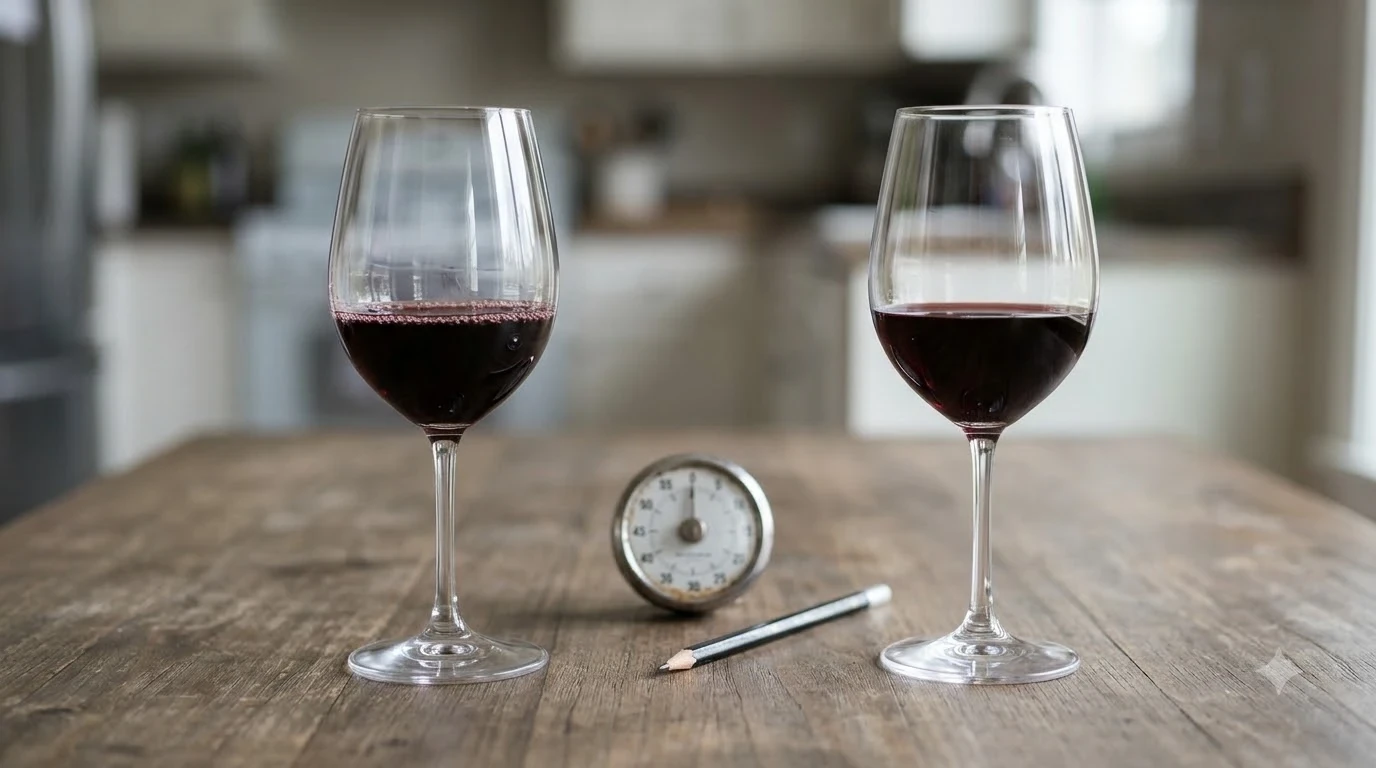
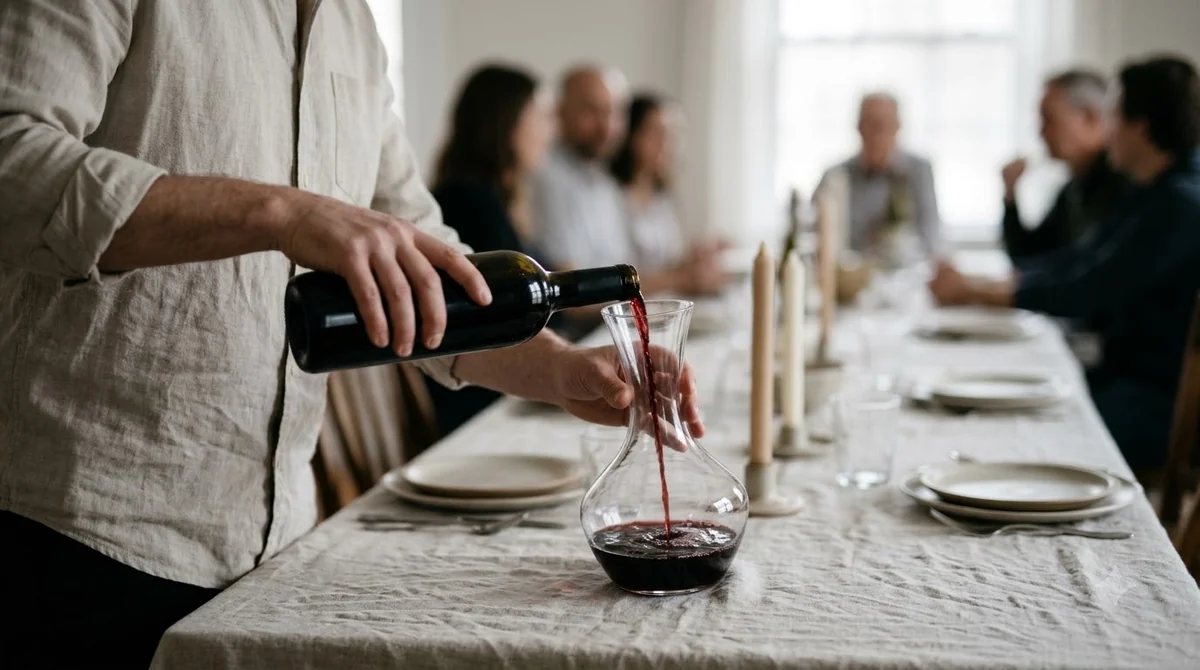
Decanting depends on the wine’s age, concentration, and structure. A young, concentrated Blaufränkisch may benefit from approximately 30–60 minutes of aeration. This can soften its initial firmness and make the fruit and savory aromas easier to recognize.
However, not every bottle requires decanting. Fresh, lighter examples can be enjoyable immediately after opening. Older bottles should be treated more carefully because excessive exposure to air may diminish delicate developed aromas.
If sediment has formed in an older bottle, careful pouring can help separate the wine from the deposit. Decanting for sediment removal is different from aerating a young wine, and the process should be gentle.
Storage and aging potential
Store unopened bottles in a cool, dark environment with a relatively stable temperature near 55°F. Bottles sealed with natural cork should generally be stored on their sides to keep the cork from drying out. Avoid direct sunlight, strong vibrations, and frequent temperature fluctuations.
Blaufränkisch has genuine aging potential, particularly in concentrated examples from established Austrian regions. Wines with firm acidity, ripe tannins, and balanced fruit can develop greater complexity over time. Depending on the producer, vineyard, vintage, and maturation style, some premium bottles can evolve for several years or longer.
Not every Blaufränkisch is intended for extended cellaring. Fresh, fruit-focused wines are often best enjoyed relatively young, when their cherry and berry flavors are prominent. Reserve-level wines with more structure and concentration are generally better candidates for aging.
Once opened, a still Blaufränkisch will generally remain in good drinking condition for around 3–5 days when properly resealed and refrigerated. Let a serving warm slightly before drinking if it has been stored in the refrigerator.
How Blaufränkisch Compares With Other Red Wines
Blaufränkisch occupies an appealing position between fruit-forward reds and more firmly structured varieties. It combines the freshness of a naturally acidic grape with enough tannin and dark fruit to accompany substantial food.
Compared with Merlot, Blaufränkisch often feels fresher and more distinctly spicy. Merlot typically has medium, softer tannins and can show ripe plum, black cherry, and chocolate. Blaufränkisch generally emphasizes lively acidity, dark berries, and peppery or mineral notes.
Cabernet Sauvignon is usually more strongly structured, with high tannins and recognizable cassis, blackcurrant, and sometimes herbal characteristics. Blaufränkisch can offer a similarly serious red wine experience without necessarily reaching the same level of tannic intensity.
Pinot Noir usually has lower to medium tannins and high acidity, often showing red cherry, raspberry, and earthy aromas. Blaufränkisch tends toward darker fruit and firmer tannins, making it a more substantial alternative for those who enjoy fresh but structured reds.
Syrah can share Blaufränkisch’s peppery character, dark fruit, and savory qualities. However, Syrah often has medium-plus to high tannins and can show more pronounced black pepper, smoked meat, or dark spice. Blaufränkisch commonly presents a brighter acidity-driven profile.
Which wine should you choose?
If you normally drink Merlot and want something with more acidity and spice, Blaufränkisch is a useful next choice. If Cabernet Sauvignon is your preference, look for a concentrated Mittelburgenland or reserve-style bottle with a firmer structure.
Pinot Noir drinkers who enjoy freshness may appreciate a lighter Blaufränkisch, although the darker fruit and stronger tannins will make the experience different. Syrah fans may particularly enjoy the peppery and savory qualities found in certain Eisenberg wines.
For a broader introduction to grape varieties and wine styles, explore Wine by Type. Comparing varieties by acidity, body, and tannin is often more useful than choosing a bottle based only on color or country of origin.
Frequently Asked Questions
Is Blaufränkisch the same as Lemberger?
Yes. Lemberger is the name commonly used for Blaufränkisch in Germany, particularly in Württemberg. The grape is also known as Kékfrankos in Hungary and Frankovka in several other Central European countries. The regional names refer to the same variety, although local wine styles differ.
Is Blaufränkisch related to Zweigelt?
Yes. Blaufränkisch is one of the parent varieties of Zweigelt, which was created in Austria in 1922 through a crossing with St. Laurent. Zweigelt is a separate grape variety, not another name for Blaufränkisch. It is also widely planted in Austria.
Does Blaufränkisch grow outside Austria?
Yes. Besides Austria, the grape is cultivated in Hungary, Germany, Slovenia, and other parts of Central Europe. Its Hungarian identity as Kékfrankos is particularly established, while German Lemberger has a long regional tradition. Growing conditions and local winemaking practices influence the finished wine.
Can Blaufränkisch be used to make rosé?
Yes. The grape can be used for rosé production, including the regional Rosalia DAC Rosé designation in Burgenland. Rosé production generally involves limited contact between the juice and grape skins, resulting in a lighter color and a fresher fruit profile than a typical red Blaufränkisch.
Does Blaufränkisch have a recognizable grape-growing season?
Blaufränkisch is a medium-ripening variety, and its Austrian harvest commonly takes place from late September into mid-October. The timing varies with weather, vineyard location, and the producer’s preferred ripeness level. Warm, sheltered vineyard sites are particularly suitable for achieving balanced fruit development.
Blaufränkisch is an excellent choice for wine drinkers who appreciate dark fruit, fresh acidity, savory spice, and structured but approachable tannins. Start with a regional Austrian example from Mittelburgenland or Eisenberg to discover its distinctive character. Once you recognize its balance of fruit and freshness, exploring Lemberger and Kékfrankos offers an enjoyable introduction to the grape’s wider Central European identity.
More in Wine Types & Grapes
 Zinfandel Sugar Content: Dry Red vs. White Zinfandel GramsUpdated Nov 21, 2026
 Best Zinfandel Substitute Options for Sipping and CookingUpdated Nov 21, 2026
 Zweigelt Food Pairing: Best Dishes, Cheeses, and Serving TipsUpdated Nov 21, 2026
 Zinfandel Tannins Explained: How Structure Shapes Every BottleUpdated Nov 21, 2026
 Zinfandel Sweetness Level: Dry Red vs. Sweet White Zin ExplainedUpdated Nov 21, 2026
 Xinomavro Food Pairing: Best Dishes, Styles, and Serving TipsUpdated Nov 21, 2026