


We may earn a commission when you buy through links on this page, at no extra cost to you. Learn more.
What does sweet red wine taste like? It usually tastes like ripe berries, cherries, plums, or dried fruit layered with noticeable grape sweetness, while acidity, tannin, and sometimes bubbles keep the finish from feeling flat. Some bottles are light, floral, and gently fizzy; others are dark, concentrated, and almost dessert-like. The style can be as refreshing as a chilled Lambrusco or as rich as a glass of Recioto della Valpolicella or Port.
Sweet red wine is not one fixed flavor. The phrase covers several styles made from different grapes and with different methods, so the best description depends on whether the wine is lightly sparkling, still, or fortified. A few tasting clues make it easier to recognize the sweetness you enjoy and choose a bottle that fits the food or occasion.
The First Sip: Fruit, Sweetness, and Texture
A typical sweet red wine tastes like ripe fruit with a clear, lingering sweetness, but its acidity and texture determine whether it feels juicy and refreshing or dense and rich. Brachetto d’Acqui often leans toward strawberry, raspberry, and rose, while Recioto della Valpolicella can show black cherry, plum, fig, and raisined fruit.
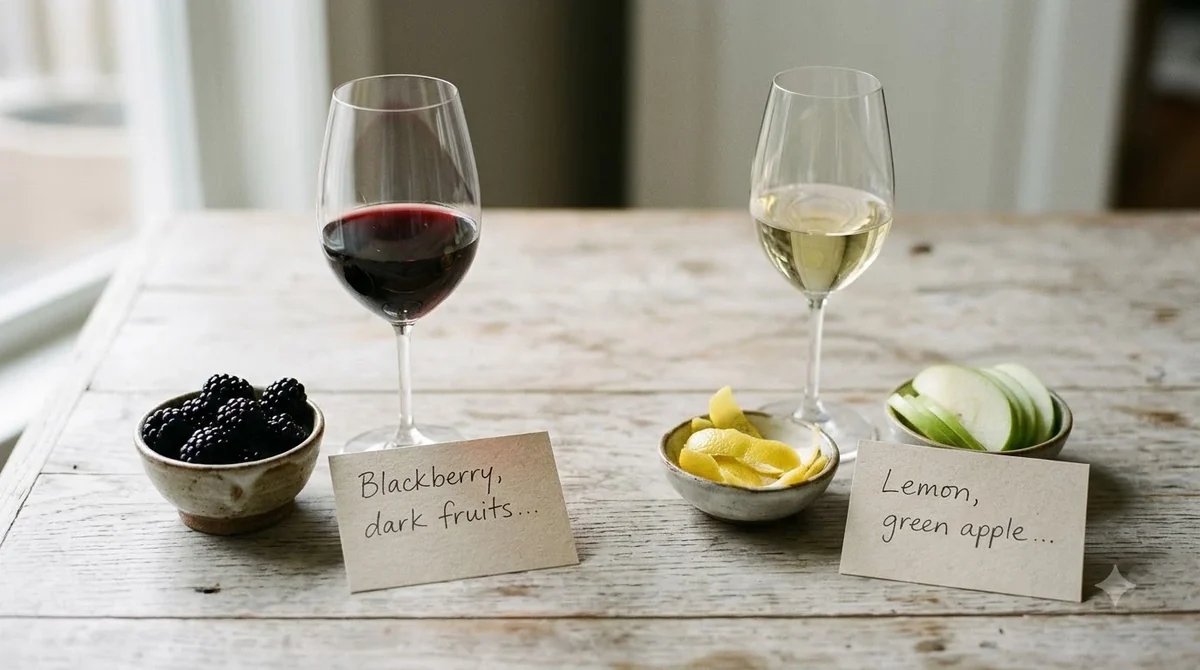
On the nose, sweet reds often suggest fruit that seems ripe or preserved: strawberry jam, cherry compote, blackberry, plum, cranberry, or dried fig. Lighter examples may also smell floral, with rose petal or violet notes. Richer wines can bring dried fruit, cocoa, baking spice, caramel, or coffee-like impressions, especially when they have spent time aging. These scents can make a wine seem sweeter before it reaches the tongue, but aroma and actual sugar are not the same thing.
On the palate, sugar creates a round, soft impression across the middle and finish. Acidity supplies the counterpoint: it makes the mouth water and keeps berry flavors lively. A gently sparkling red adds a prickle of bubbles that lifts the texture, while a still dessert red may feel plush and broad. Tannin can add a drying grip around the gums, particularly in darker styles, but sweetness and fruit can make that structure feel less severe than it would in a dry red.
Two sweet reds can therefore taste very different: one may suggest sparkling berry fruit, while another leans toward black-cherry preserves, dried plums, and cocoa.
Sweetness Is Not the Same as Ripe Fruit
A red wine can smell like blackberry jam and still be dry. True sweetness comes from residual sugar left after fermentation, whereas ripe fruit aromas, vanilla, and caramel can suggest sweetness even when little sugar remains.
Wine Enthusiast notes that many familiar dry reds—including Cabernet Sauvignon, Merlot, Grenache, Zinfandel, Malbec, and Pinot Noir—typically contain only about 0.5 to 2 grams of residual sugar per liter. Ripe fruit compounds can make a dry wine seem sweet, and oak-related aromas such as vanilla or caramel can reinforce that impression. The palate may therefore register “sweet” even when the wine is technically dry.
The difference becomes clearer after the first sip. A genuinely sweet wine leaves a sugary sensation through the finish; a dry but fruit-forward red may smell like raspberry compote or dates, yet finish dry or gently bitter. Structure matters too: Cabernet Sauvignon usually has a firmer tannic grip than Merlot, while Pinot Noir is often lighter in tannin and brighter in acidity.
Words such as “jammy,” “smooth,” and “ripe” are clues about flavor or texture, not proof of residual sugar. If the goal is clear sweetness, choose a wine style described as sweet, semi-sweet, or dessert wine rather than relying on a grape name alone. A comparison with an off-dry white can also help: what does chenin blanc taste like is a useful contrast because Chenin Blanc can range from dry and crisp to noticeably sweet while retaining lively acidity.
Common Sweet Red Styles Have Distinct Flavor Profiles
Sweet red wine ranges from bright, sparkling berry fruit to concentrated dried-fruit richness. Lambrusco from Emilia-Romagna, Brachetto d’Acqui from Piedmont, Recioto from Veneto, and Port from Portugal are useful reference points because each offers a different balance of sweetness, acidity, body, and alcohol.
Lambrusco: Berries, Bubbles, and Freshness
Lambrusco is a family of red grapes and wines from Italy’s Emilia-Romagna region, not a single uniform taste. Styles range from dry to sweet; sweeter examples can show strawberry, blackberry, plum, pomegranate, floral notes, and a light fizz that keeps the sweetness lively.
Look for the Italian words that signal the style: secco means dry, semi-secco means off-dry, amabile means semi-sweet, and dolce means sweet. Lambrusco di Sorbara is often lighter in color, red-fruited, floral, and high in acidity; Lambrusco Grasparossa tends to be darker and fuller, with firmer tannins. A sweet Lambrusco can be an easy entry point if you want red fruit, refreshing bubbles, and a finish that is clearly sweet without being as concentrated as a dessert wine.
Brachetto d’Acqui: Strawberry and Rose
Brachetto d’Acqui comes from Piedmont in northwestern Italy and is made from the Brachetto grape. Its signature profile is aromatic and delicate: fresh strawberry, raspberry, rose petal, and sometimes a touch of violet or almond. It is generally lightly sparkling or sparkling, sweet, and low in alcohol compared with fortified reds. VinePair describes a typical example at around 5.5 percent alcohol by volume and notes that the grape must spends two days macerating on its skins.
Brachetto is closer to a fragrant red-fruit dessert wine than a heavy, tannic red. Its bubbles and bright fruit suit strawberries, berry tarts, and chocolate, especially when a delicate style is preferred.
Recioto della Valpolicella: Dried Cherry, Fig, and Cocoa
Recioto della Valpolicella comes from Veneto in northern Italy and is commonly made with Corvina alongside other local grapes. Its grapes are dried after harvest, a method called appassimento, which concentrates sugars and flavors before fermentation. The wine can taste of black cherry, prune, fig, blackberry, raisin, and baking spice, with enough acidity to keep its richness in balance.
As Decanter’s comparison of Recioto and Amarone explains, Recioto retains residual sugar at the end of fermentation, unlike its dry or off-dry relative Amarone. The wines share the dried-grape method and grape family, but Amarone is fermented much drier. For more context on the main grape, what does corvina taste like explores the cherry-led character that helps define many Valpolicella reds.
Port and Fortified Grenache Reds: Dark Fruit and Warmth
Ruby Port from Portugal’s Douro Valley is rich, sweet, and fortified, with blackberry, black cherry, and plum. Tawny Port ages in small barrels and often suggests hazelnut, coffee, caramel, and spice. Wine Enthusiast gives Port a typical range of 19 to 22 percent alcohol by volume.
Fortified Grenache-based reds from southern France, including Maury and Banyuls, can show stewed berries, prune, sweet spice, and a warm finish. They are more powerful than Brachetto or many Lambruscos, making them suited to slow sipping.
How Winemaking Creates Sweetness and Body
Winemakers create sweet red wine by leaving some grape sugar unfermented or concentrating the sugar before fermentation. The most useful methods to recognize are stopping fermentation, drying grapes, and fortifying the wine; each creates a different balance of fruit, alcohol, and texture.
During ordinary fermentation, yeast converts grape sugar into alcohol and carbon dioxide. If fermentation is stopped while sugar remains, the finished wine will taste sweet. Brachetto and many sweet sparkling reds use this principle to retain grape sweetness, although their aromatic grapes and bubbles give them a fresher, lighter character than a dense dessert red. A winemaker can also manage the sweetness level by deciding how far fermentation should proceed.
Another route is appassimento, the drying of harvested grapes. As water evaporates, sugars, acids, and flavor components become concentrated. For Recioto, grapes can dry for 50 to 60 days or more than 100 days, depending on conditions and the target style, according to information cited by Valpolicella’s regional body in Decanter. Fermentation then leaves sugar behind, producing concentrated dried-fruit flavors. The same method can produce a dry wine if fermentation continues further, which is why Amarone should not automatically be treated as sweet.
Fortification takes a different path. The winemaker adds grape spirit during fermentation, raising the alcohol level and stopping the yeast before it consumes all the sugar. The remaining sugar creates sweetness, while the added spirit contributes warmth and a stronger finish. This is how Port reaches its characteristic combination of sweetness and high alcohol. Wine Enthusiast’s overview of sweet red wine explains these methods alongside the major styles.
These production choices explain why “sweet” alone does not predict the whole taste: a sparkling red can be refreshing and low in alcohol, while a fortified red can be equally sweet but warmer and fuller.
Serving Sweet Red Wine and Pairing It With Food
Serve sweet red wine cool enough to keep its fruit lively, then pair it with food that matches its sweetness and weight. A chilled Lambrusco or Brachetto suits fruit desserts and salty snacks, while a richer Recioto or Port can stand beside dark chocolate and strong cheese.

For a lightly sparkling sweet red, aim for about 40 to 50 degrees Fahrenheit, the usual serving range for sparkling wine. A still, lighter-bodied red is often more expressive around 55 to 60 degrees; a full-bodied style is generally served around 60 to 65 degrees. Too much warmth can emphasize alcohol, while excessive cold can mute aroma.
Match sweetness with sweetness: the wine should be at least as sweet as the dessert, or the wine can taste sour and thin beside it. Brachetto works with fresh strawberries, berry tart, or chocolate-covered fruit. Recioto and Ruby Port can handle dark chocolate, brownies, and chocolate mousse, while Tawny Port is a good partner for desserts featuring nuts, caramel, or coffee. Blue cheese can also provide a salty, savory contrast to a rich sweet red.
A sweet Lambrusco with lively acidity can refresh the palate beside salty cured meat, Parmesan, or pizza, while Brachetto suits fruit desserts. Salt and fat soften tannin, but alcohol and tannin can amplify chili heat; a low-alcohol Brachetto is a gentler choice than high-alcohol Port with spicy food.
Sweet red wine is not an automatic match for every dish: oily fish can clash with tannic reds, and a dessert sweeter than the wine can make it seem sharp. Mulled wine is different again: it is heated with spices and citrus, as explained in what does mulled wine taste like.
Choose a Bottle by Sweetness, Weight, and Occasion
Start with the level of sweetness you want, then decide whether you prefer bubbles, fresh fruit, or concentrated dried fruit. The words on Italian labels can help, and residual-sugar figures offer a rough comparison when they are available.
VinePair uses a broad guide in which wines below 10 grams of residual sugar per liter are generally dry, those between 10 and 30 grams per liter are off-dry, and wines above 30 grams per liter fall into the sweet category. Some dessert wines can exceed 100 to 150 grams per liter. These are practical reference points rather than a universal label law for every style, but they show why two bottles both described as sweet can taste very different.
| Residual sugar | General taste impression | What to expect |
|---|---|---|
| Below 10 g/L | Generally dry | Fruit may smell ripe, but the finish is mostly dry. |
| 10–30 g/L | Off-dry | A light sweetness rounds the fruit without dominating it. |
| Above 30 g/L | Sweet | Sweetness becomes clear through the middle and finish. |
| 100–150 g/L or more | Very sweet dessert-wine territory | Dense, concentrated sweetness often balanced by acidity. |
For a bright first bottle, try Lambrusco labeled amabile or dolce, or Brachetto d’Acqui for strawberry and floral aromas. Choose Recioto for still, concentrated dried fruit, Ruby Port for rich dark fruit, or Tawny Port for nutty, developed flavors.
Tip: Choose by the style word before choosing by grape. On Lambrusco, secco means dry, amabile means semi-sweet, and dolce means sweet; those words tell you more about sweetness than the name of the grape family alone.
Keep pours modest with Port, which has more alcohol than most sparkling sweet reds. A 750-milliliter bottle gives about five 5-ounce pours. To compare other styles, browse wine by type by sweetness, acidity, body, and bubbles.
Frequently Asked Questions
These quick answers cover common points of confusion, including whether sweet red wine is always fizzy and how its sweetness differs from that of a ripe dry red. Lambrusco, Brachetto d’Acqui, and Recioto are three useful reference styles.
Is sweet red wine the same as red Moscato?
No. Red Moscato is a particular sweet, often lightly sparkling style associated with Moscato grapes, while sweet red wine is a broad category that also includes Lambrusco, Brachetto d’Acqui, Recioto, and Port. The grape and production method change the aroma, alcohol, bubbles, and texture.
Does sweet red wine always have bubbles?
No. Lambrusco and Brachetto d’Acqui are commonly sparkling or lightly sparkling, but Recioto and Ruby Port are generally still. On Italian labels, frizzante signals a lightly sparkling wine, while spumante means fully sparkling.
Can a red wine taste sweet without containing much sugar?
Yes. Very ripe fruit aromas, vanilla, and caramel-like notes can suggest sweetness even in a dry wine. Wine Enthusiast identifies quercotriterpenosides among compounds associated with the sweet impression of some oak-aged wines.
Is Amarone a sweet red wine?
Usually not. Amarone della Valpolicella is generally fermented dry or off-dry, while Recioto is the sweet style from the same broader region. Decanter notes that Amarone must age at least two years, with Riserva requiring at least four.
What glass should be used for sweet red wine?
A small white-wine glass works well for many sparkling or aromatic sweet reds because it preserves the aromas without encouraging a large pour. Fortified Port is traditionally served in a smaller Port glass, often holding roughly 2 to 3 ounces, so its concentrated sweetness and alcohol can be sipped slowly.
Sweet red wine can taste fresh and sparkling, floral and strawberry-led, or rich with cherry, fig, chocolate, and spice. Once you separate true sugar from ripe-fruit aromas, it becomes easier to choose a style that suits your palate and the food on the table. Start with Lambrusco or Brachetto for a lighter profile, then try Recioto or Port for a more concentrated finish.
More in Wine Types & Grapes
 Zinfandel Sugar Content: Dry Red vs. White Zinfandel GramsUpdated Nov 21, 2026
 Best Zinfandel Substitute Options for Sipping and CookingUpdated Nov 21, 2026
 Zweigelt Food Pairing: Best Dishes, Cheeses, and Serving TipsUpdated Nov 21, 2026
 Zinfandel Tannins Explained: How Structure Shapes Every BottleUpdated Nov 21, 2026
 Zinfandel Sweetness Level: Dry Red vs. Sweet White Zin ExplainedUpdated Nov 21, 2026
 Xinomavro Food Pairing: Best Dishes, Styles, and Serving TipsUpdated Nov 21, 2026