

We may earn a commission when you buy through links on this page, at no extra cost to you. Learn more.
roussanne tasting notes typically feature white flowers, pear, apricot, honey, and a rich, rounded texture supported by medium acidity. The wine is usually dry, medium- to full-bodied, and aromatic, with a finish that can turn gently nutty or herbal. Its exact balance changes with climate, vineyard site, blending partners, and choices such as stainless-steel or oak ageing.
Roussanne is a Rhône Valley white grape that can feel both generous and detailed: ripe fruit and a silky palate give it weight, while floral, herbal, and sometimes mineral notes keep the wine from seeming merely soft. Knowing which aromas to look for—and how place and winemaking change the glass—makes it easier to recognize the grape and choose a bottle for dinner.
What Roussanne Tastes Like
Roussanne is generally a dry white wine with medium to full body, medium acidity, and little to no noticeable tannin. Its main flavor family is ripe orchard and stone fruit, often framed by flowers, honey, and a soft, sometimes waxy or oily texture.
On the first sip, look for pear, yellow apple, apricot, or peach. The fruit may seem fresh and crisp in a cooler-climate wine, or riper and closer to baked pear, quince, and honeyed stone fruit in a warmer site. Citrus peel can appear as a supporting note, but Roussanne is not usually defined by the sharp lemon-and-lime profile associated with very high-acid whites.
The palate often feels broad rather than angular. Medium acidity gives the wine shape, but it may not have the brisk, mouthwatering cut of Sauvignon Blanc or Sancerre. Some examples show a slight oiliness or waxy impression across the middle of the palate; that is a texture cue, not sweetness. A dry Roussanne can smell like honey or ripe fruit while finishing without sugary sweetness.
Body can range from medium to full. A restrained example feels finely textured, while a richer bottling can coat the palate with apricot and spice; its structure comes from acidity, alcohol, extract, lees contact, and sometimes oak rather than red-wine-style tannin.
Primary Aromas and Palate Cues
Roussanne’s aroma is usually layered rather than dominated by one intense scent. Start with white blossoms and orchard fruit, then look for honey, tea-like herbs, and subtle nut or pastry notes as the wine opens.
Floral aromas can include honeysuckle, hawthorn, iris, peony, and other white flowers. The exact flower descriptor differs from glass to glass, so it is more useful to recognize the overall impression—perfumed, delicate, and floral—than to insist on one specific blossom. The Rhône wine body Inter Rhône describes honeysuckle and iris in young wines, with dried fruit and honey emerging as they develop; its Roussanne profile is a useful reference for that aromatic progression.
Fruit notes often sit between orchard and stone-fruit categories. Pear, baked apple, apricot, peach, and quince are common reference points, while warmer-climate bottlings can show more concentrated or tropical impressions. Herbal notes may resemble green tea, chamomile, dried garden herbs, or verbena. With age or lees influence, some wines take on almond, toasted pastry, or a gentle nutty character.
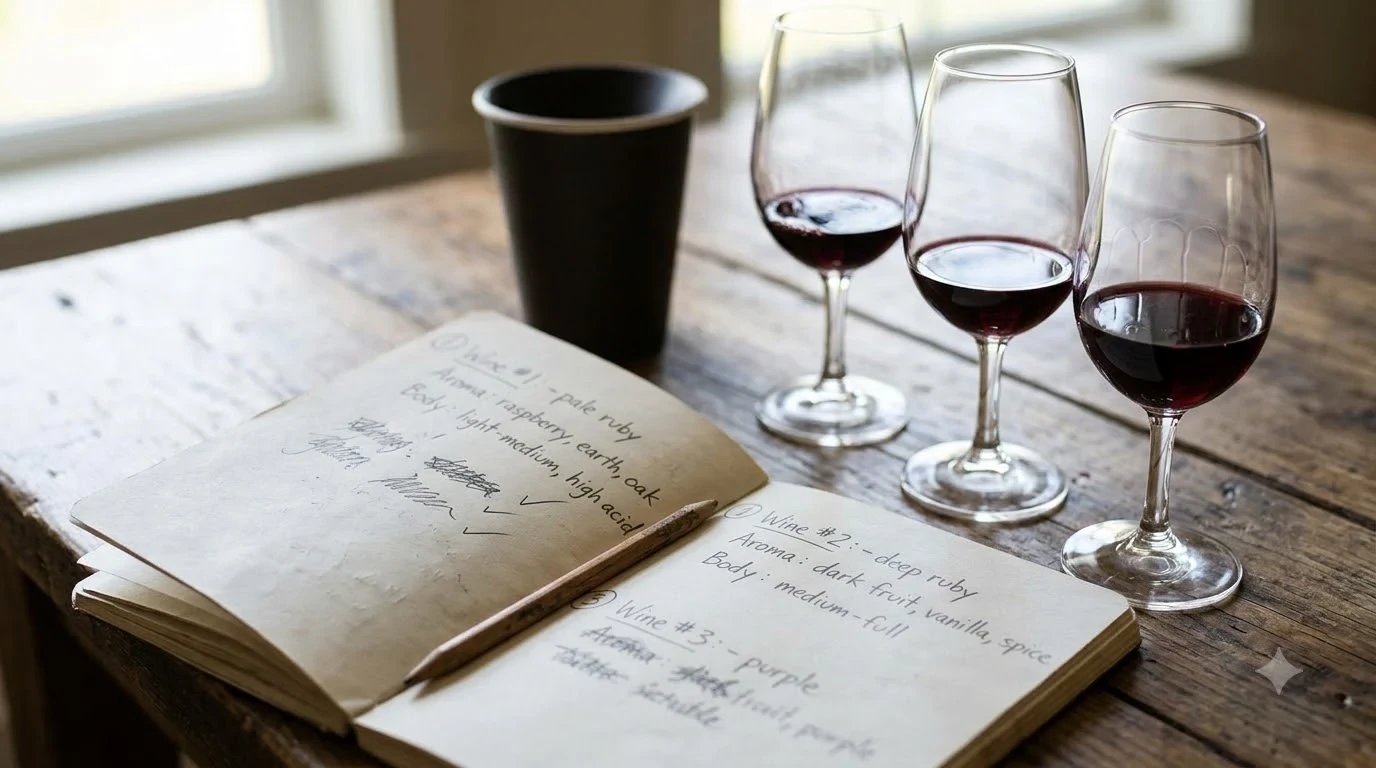
To taste methodically, smell once before swirling and once after, then take a moderate sip. Notice whether the wine feels narrow or broad and whether acidity refreshes the finish or sits quietly behind the texture. A good example can leave pear, flowers, honey, herbs, or spice on the palate for several seconds.
How Region Shapes the Wine
Roussanne’s home is the Rhône Valley, but the grape does not taste exactly the same in every appellation. Northern Rhône examples often emphasize floral detail and structure, while warmer southern sites can produce broader, riper wines with more concentrated fruit.
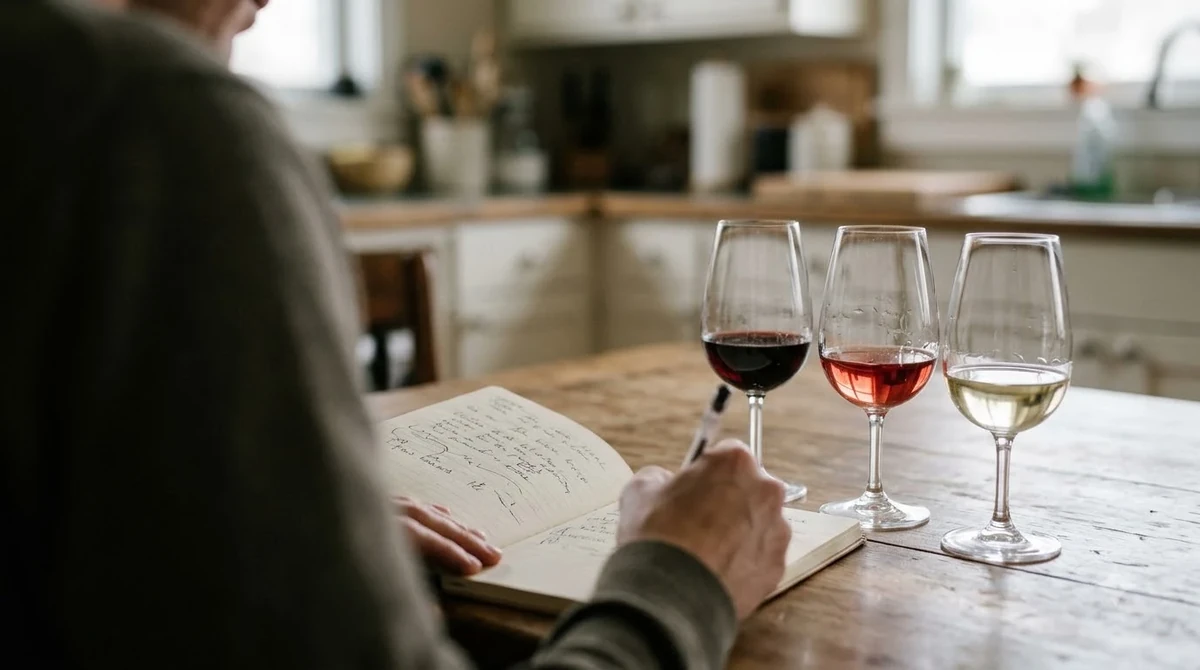
In the northern Rhône, Roussanne is traditionally associated with Marsanne in white wines from places such as Hermitage, Crozes-Hermitage, Saint-Joseph, and Saint-Péray. Marsanne is often the more common partner, while Roussanne contributes perfume and aromatic complexity. Depending on the site and cellar approach, the result may show white flowers, pear, dried fruit, honey, and a firm but rounded palate. The northern Rhône style can be floral and finely structured, or broader when the wine is picked ripe and given more time on its lees.
Farther south, Châteauneuf-du-Pape can produce a more opulent expression, with ripe pear, quince, pineapple, and a denser texture. Other southern Rhône sites may deliver a less massive style, especially where altitude or cooler conditions help preserve freshness. A warm growing season can increase fruit ripeness and body, but if the picking decision comes too late, alcohol and weight can overtake the floral detail that makes the grape distinctive.
Roussanne is also grown in Languedoc and in wine regions of the United States, Australia, and South Africa. A Languedoc producer describes an Orb Valley bottling with honeysuckle, peony, apricot, and dried-fruit flavors, while American examples range from citrus-edged to rich and ripe. Country alone does not predict the flavor; climate and cellar choices matter more. Use the table as a broad map, since each region contains exceptions and blends can shift the profile.
| Style or region | Common flavor direction | Typical structure | Useful serving cue |
|---|---|---|---|
| Northern Rhône | White flowers, pear, dried fruit, honey | Medium to full body; moderate or softer acidity | 50–55°F |
| Châteauneuf-du-Pape | Ripe pear, quince, pineapple, spice | Fuller, more opulent texture | 50–55°F |
| Languedoc | Honeysuckle, peony, apricot, dried fruit | Often rich, with freshness shaped by cellar choices | 50–55°F |
| Cooler-climate examples | White blossom, pear, citrus, herbal notes | More lifted aromatics; freshness can be more evident | 50–55°F |
Roussanne Compared With Other White Grapes
Roussanne is easiest to understand beside Marsanne, its classic Rhône partner, and more familiar whites such as Viognier, Chardonnay, and Sauvignon Blanc. It tends to combine aromatic detail and generous texture, without the extreme perfume of Viognier or the sharp acidity of Sauvignon Blanc.
Marsanne often contributes weight, a broader palate, and flavors that can lean toward yellow fruit, almond, or quince. Roussanne is generally more floral and can bring pear, white blossom, and herbal detail. In a blend, the two grapes can complement one another: Marsanne supplies breadth, while Roussanne adds aromatic lift and definition. The proportions vary by producer, so a Rhône white is not automatically a 50-50 blend.
Viognier is usually more overtly perfumed, with peach, apricot, and floral aromas that can leap from the glass. Roussanne can share some of those ripe-fruit and flower notes, but it often feels more restrained and structured. Chardonnay is a less direct comparison because its flavor profile depends heavily on climate and cellar treatment; oak-aged Chardonnay may share creamy or nutty notes, while unoaked Chardonnay often has a brighter, more linear shape.
Sauvignon Blanc, including Sancerre, usually gives a fresher, more citrus- and herb-driven impression with higher acidity. Roussanne is broader and softer by comparison, making it a better match for dishes with cream, butter, or roasted flavors than for very sharp, acidic preparations. Readers comparing regional white styles can also explore Sancerre tasting notes to see how a high-acid Sauvignon Blanc differs from a rounded Rhône white. A 100-percent Roussanne shows the grape on its own, while a blend may include Marsanne, Viognier, Grenache Blanc, or other permitted varieties; the grape name alone does not tell you whether the finished wine will be lean or full-bodied.
Food Pairings That Match Its Texture
Roussanne works especially well with foods that have enough flavor and texture to meet its weight. Creamy sauces, roasted vegetables, shellfish, poultry, and gently spiced dishes can echo its richness without burying its floral and fruit notes.
For seafood, try scallops, lobster, crab, or salmon with butter or cream sauce; the wine’s pear, apricot, and floral notes add contrast to sweet shellfish. Grilled or baked salmon works especially well with herbs rather than sharp acidity, and Roussanne avoids the drying clash that tannic reds can create with oily fish. For poultry and meat-free mains, consider roast chicken, pork with cumin and ginger, mushroom risotto, creamy polenta, or gnocchi with a three-cheese sauce. Roasted squash, parsnips, carrots, and eggplant complement ripe fruit, while a lightly spiced North African tagine with preserved lemon works with dried fruit, nuts, or savory herbs.
Match the dish’s intensity to the bottle: a medium-bodied Roussanne suits poached fish, roast chicken, and vegetable tart, while a richer, oak-influenced wine can handle cream sauces, buttery pasta, and slow-roasted pork. Be careful with sharp acidity and strong chili heat. A dish built around vinegar, lemon juice, or pickled ingredients may make a medium-acid Roussanne seem flat; acidic food generally needs a wine with equal or higher acidity. Very hot chili can make alcohol feel more pronounced, so choose mild-to-medium spice and use citrus in measured amounts.
Dry Roussanne is not a natural match for very sweet desserts. A dessert wine should be at least as sweet as the food, so reserve fruit tarts, honey cakes, and other sweet dishes for a wine with matching sweetness. For a cheese course, try fresh or lightly aged goat cheese, soft cow’s-milk cheeses, or a nutty semi-firm cheese rather than a very pungent blue cheese that can overpower the wine.
Serving Temperature, Storage, and Ageing
Serve Roussanne cool but not icy, generally around 50–55°F. That range preserves freshness while allowing the wine’s flowers, pear, apricot, and honeyed details to show.
A producer serving suggestion for Les Jamelles Roussanne is 10–12°C, or about 50–54°F, which sits comfortably within the full-white-wine range. If the bottle is very cold, give it a little time in the glass; chill can mute aroma and make the texture seem less expressive. If it becomes too warm, alcohol may feel more obvious and the wine can seem heavy. A standard white-wine glass works, though a slightly broader bowl can help a full-bodied example release its aromas.
Keep unopened bottles away from direct light and temperature swings, ideally near 55°F, and store cork-finished bottles on their sides. After opening, reseal and refrigerate; most still wines are best used within 3–5 days. Ageing depends on producer, vintage, structure, and storage: approachable bottles are often best young, while top examples can develop dried fruit, honey, and nutty complexity. Decanter sommelier Evan Goldstein notes that the best Roussannes can remain enjoyable for 15 years or more after bottling, an upper-end possibility rather than a promise for every bottle.
Tip: Start your first glass at 50°F, then let it warm slightly in the glass. Taste again after 5–10 minutes; the warmer pour may reveal more pear, floral, and honeyed detail without sacrificing freshness.
Choosing a Bottle and Reading the Label
Start by deciding whether you want Roussanne’s character in a single-variety bottling or as part of a Rhône-style blend. A label that names Roussanne as the grape gives you a clearer expectation of its aromas, while an appellation such as Hermitage, Crozes-Hermitage, Saint-Joseph, Saint-Péray, or Châteauneuf-du-Pape may indicate a regional blend rather than a wine made entirely from Roussanne.
Look for the producer’s description of style. Floral, pear, apricot, honey, and dried-fruit notes fit the grape’s usual profile; creamy, toasted, nutty, or spicy terms may point to lees contact or oak. For a fresher expression, seek references to flowers, citrus, or a lighter cellar touch. Northern Rhône labels offer a traditional reference point, Châteauneuf-du-Pape can be fuller, and Languedoc or American bottlings show how the grape adapts beyond its Rhône home.
Do not assume that a blend is inferior to a single-variety wine. Inter Rhône explains that Rhône appellations set their own rules for which grapes may be used, and that blending is a stylistic choice rather than a ranking of quality. A well-made blend can balance Roussanne’s perfume and texture with the weight or freshness of its partners. For a broader overview of grapes and wine styles, see Wine by Type.
When comparing bottles, consider producer, region, grape composition, alcohol level, and vintage together rather than relying on one phrase on the front label. Higher alcohol can suggest a riper or warmer-climate style, but it does not prove the wine is sweet. Use back-label grape percentages and cellar details as clues, not guarantees of exactly what every glass will smell like.
Frequently Asked Questions
These quick answers cover a few details that can be confusing when Roussanne appears under different regional names or in less common wine styles.
Is Roussanne ever used to make sparkling wine?
Yes. Roussanne is occasionally used in sparkling wine from Saint-Péray in the Rhône Valley. Most bottles encountered under the grape name are still wines, so sparkling examples are a regional exception rather than the usual style.
Can Roussanne be made as a sweet wine?
Yes. The Rhône grape profile includes sweet white wines made as straw wines, alongside dry still and sparkling styles. The word “Roussanne” alone therefore does not guarantee a dry wine, even though dry bottlings are the common reference point.
Is Bergeron a different grape from Roussanne?
No. Bergeron is the local name used for Roussanne in Savoie, where it appears in wines such as Chignin-Bergeron. The name on the label reflects local tradition and origin rather than a separate grape variety.
Does every Roussanne wine spend time in oak?
No. Roussanne can be fermented or matured in stainless steel, concrete, or oak vessels, including both large and small barrels. The choice changes texture and flavor, so the grape does not automatically taste buttery or oaky.
Why is Roussanne less widely planted than some Rhône whites?
It can be difficult to grow consistently, with irregular crops and susceptibility to rot and mildew. Those vineyard risks make it less dependable for growers than varieties such as Marsanne, even though carefully made Roussanne can produce complex and age-worthy wine.
Roussanne is a useful choice when you want a white wine with floral detail, ripe orchard and stone fruit, and a generous texture rather than piercing acidity. Start with a bottle from the Rhône, compare it with a cooler-climate example, and serve both around 50–55°F to see how much the region and producer shape the grape’s character.
More in Wine Types & Grapes
 Zinfandel Sugar Content: Dry Red vs. White Zinfandel GramsUpdated Nov 21, 2026
 Best Zinfandel Substitute Options for Sipping and CookingUpdated Nov 21, 2026
 Zweigelt Food Pairing: Best Dishes, Cheeses, and Serving TipsUpdated Nov 21, 2026
 Zinfandel Tannins Explained: How Structure Shapes Every BottleUpdated Nov 21, 2026
 Zinfandel Sweetness Level: Dry Red vs. Sweet White Zin ExplainedUpdated Nov 21, 2026
 Xinomavro Food Pairing: Best Dishes, Styles, and Serving TipsUpdated Nov 21, 2026